





Your cart is empty
Return to Shop
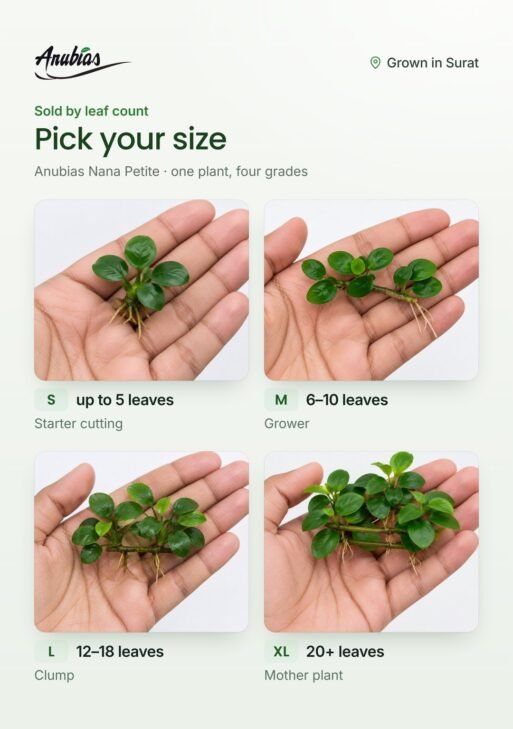
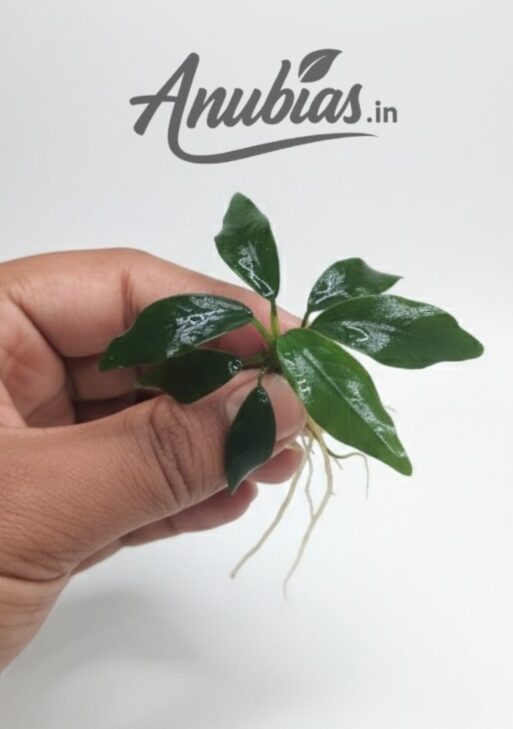
Anubias Nana Petite
Price range: ₹45 through ₹250
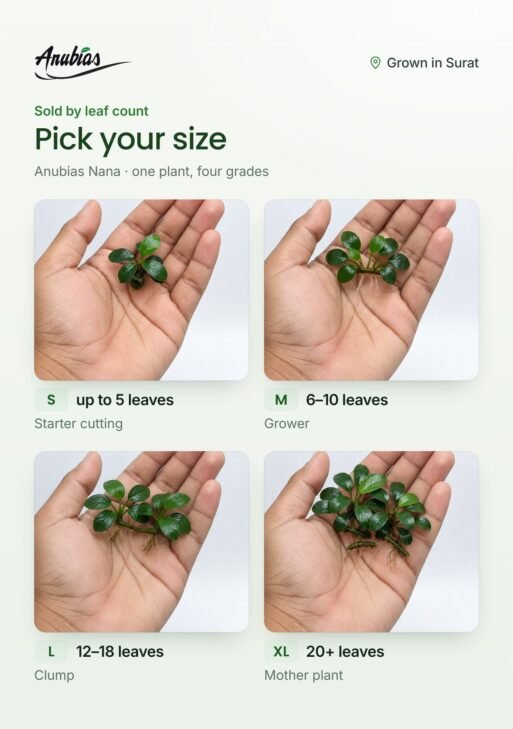
Anubias Nana
Price range: ₹45 through ₹250
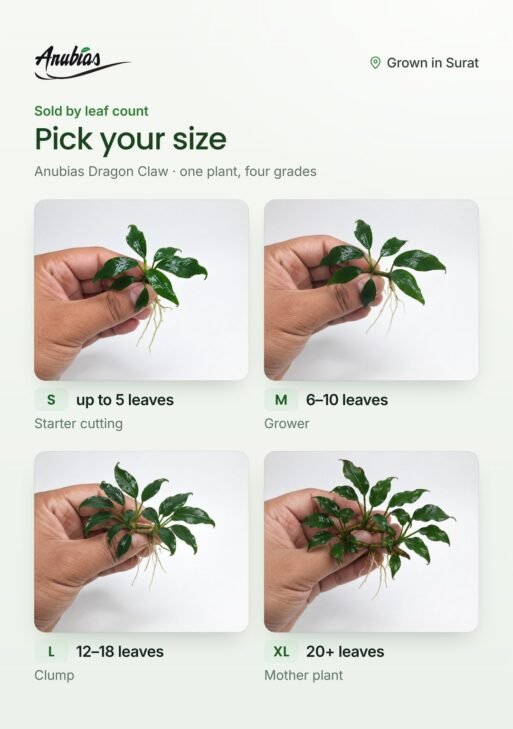
Anubias 'Dragon Claw'
Price range: ₹45 through ₹250
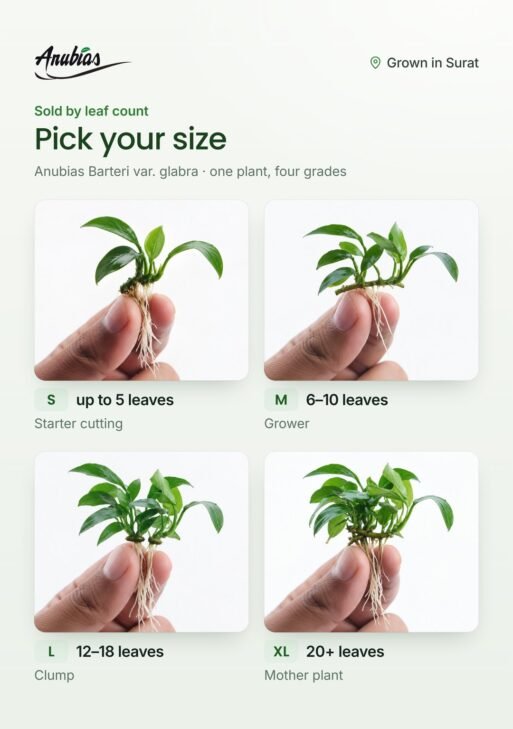
Anubias Barteri var. glabra
Price range: ₹45 through ₹250
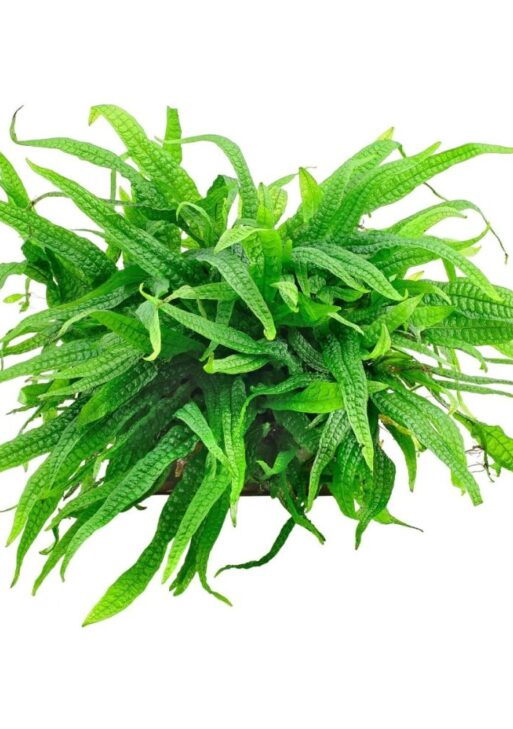
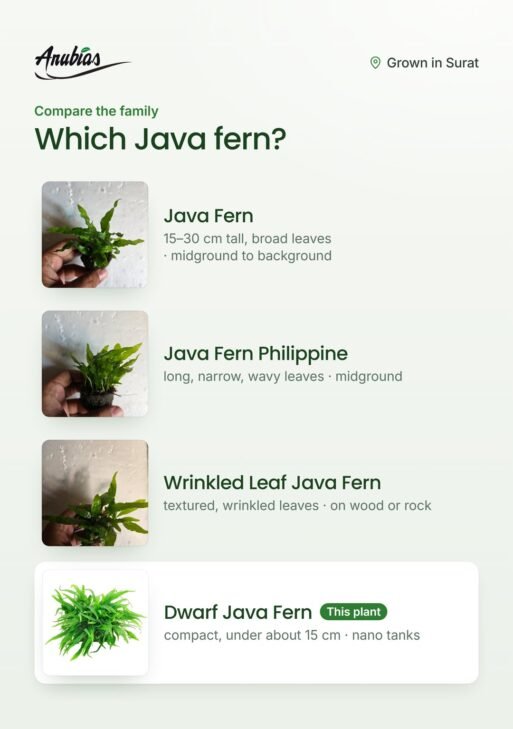
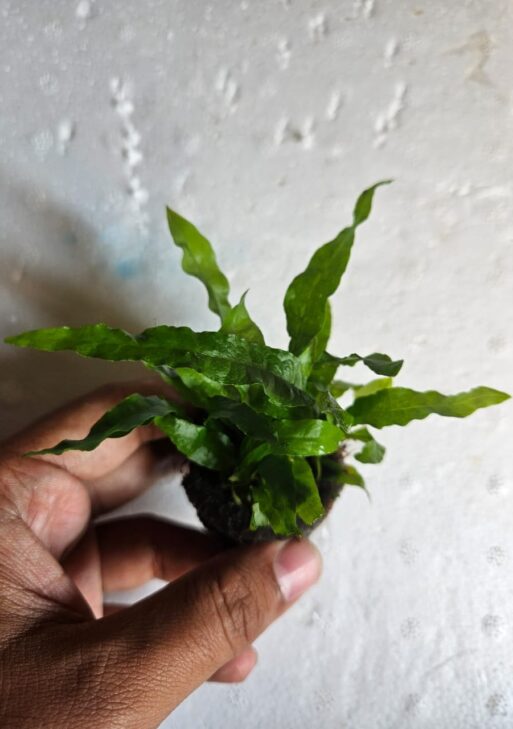
Dwarf Java Fern (Microsorum pteropus 'Green Gnome' or 'Mini')
Price range: ₹45 through ₹250
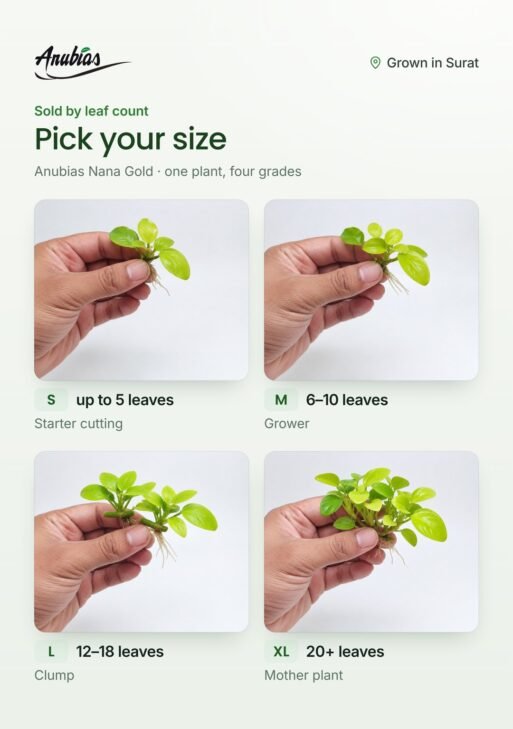
Anubias Nana Gold
Price range: ₹45 through ₹250
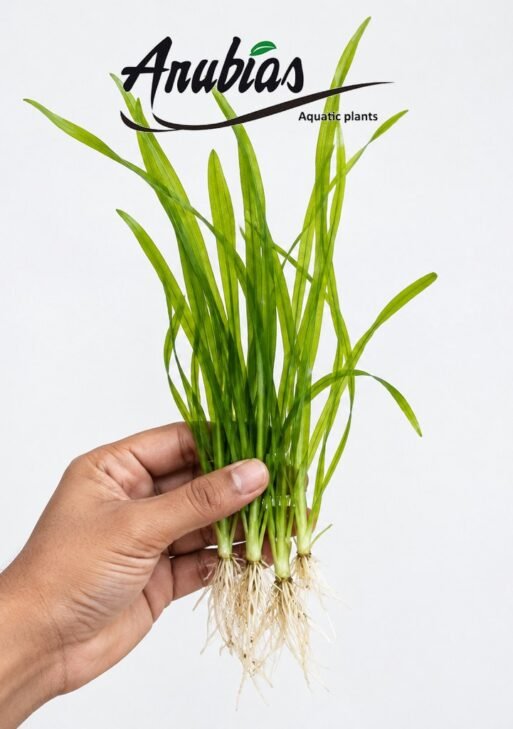
Vallisneria Nana (Jungle Val)
Price range: ₹60 through ₹80
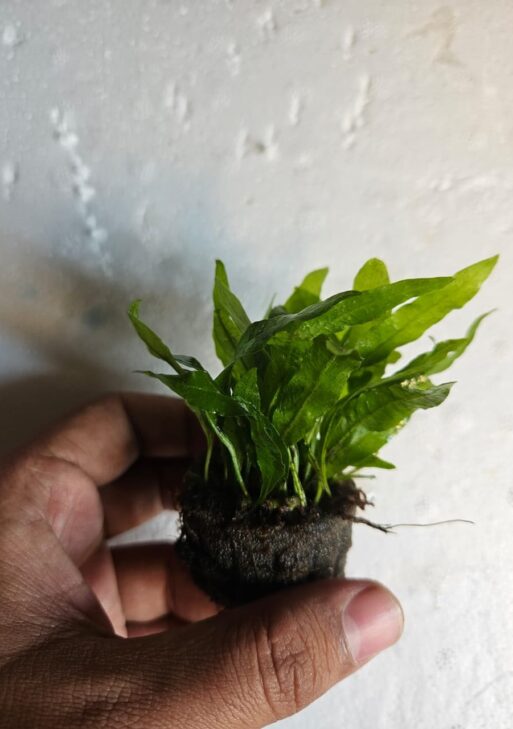
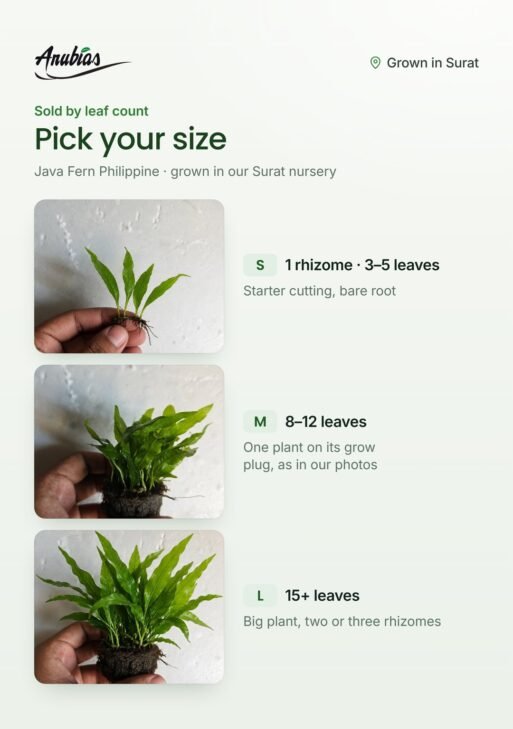
Java Fern Philippine
Price range: ₹45 through ₹250
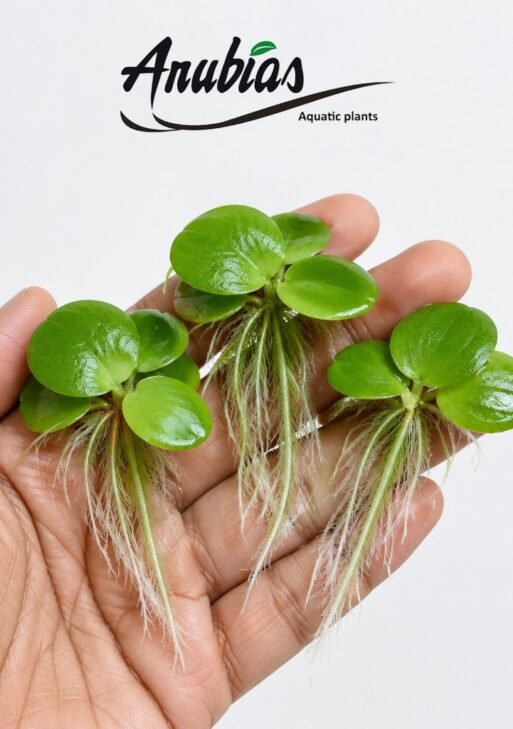
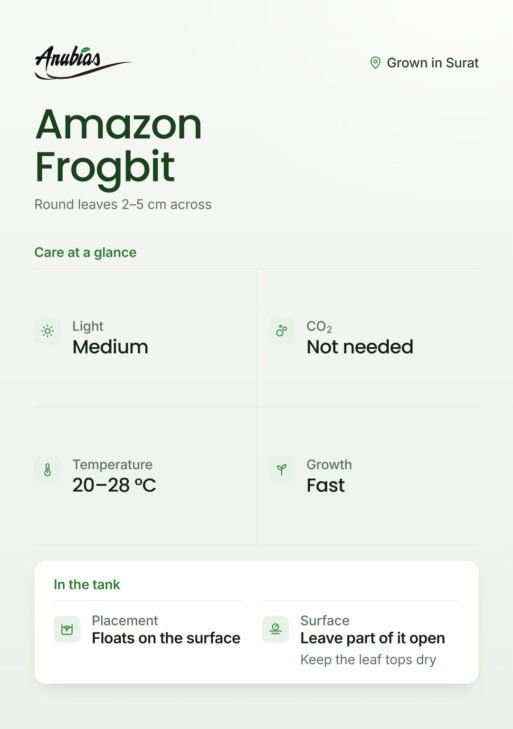
Amazon Frogbit (Limnobium laevigatum)
Price range: ₹70 through ₹90
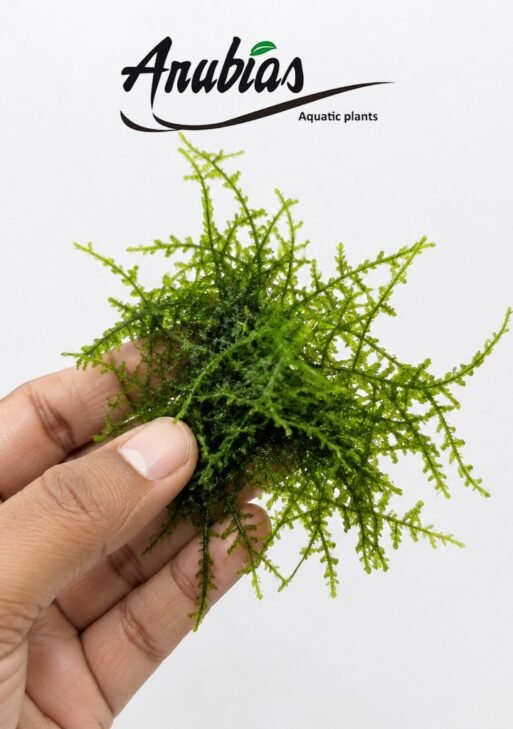
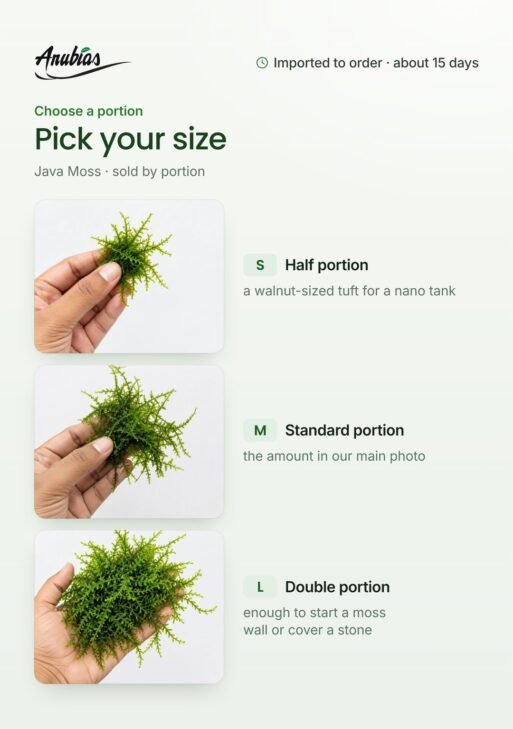
Java Moss (Taxiphyllum barbieri)
Price range: ₹70 through ₹200
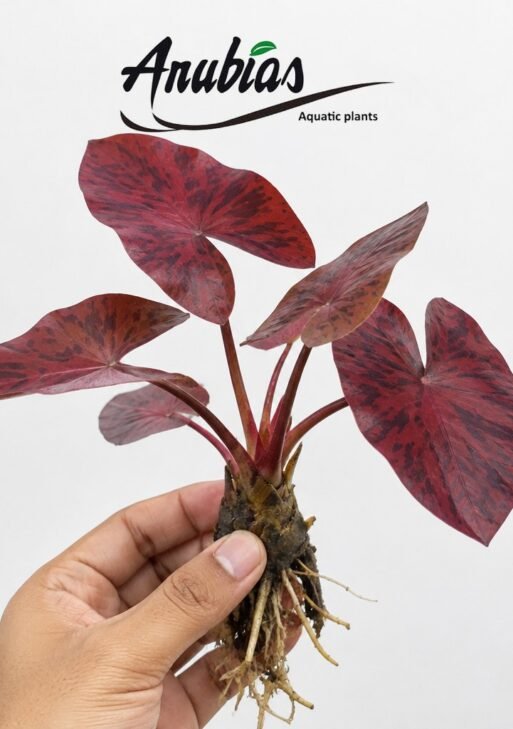
Red Tiger Lotus / Red Water Lily (Nymphaea rubra)
Price range: ₹190 through ₹250
Cryptocoryne parva
Price range: ₹75 through ₹100
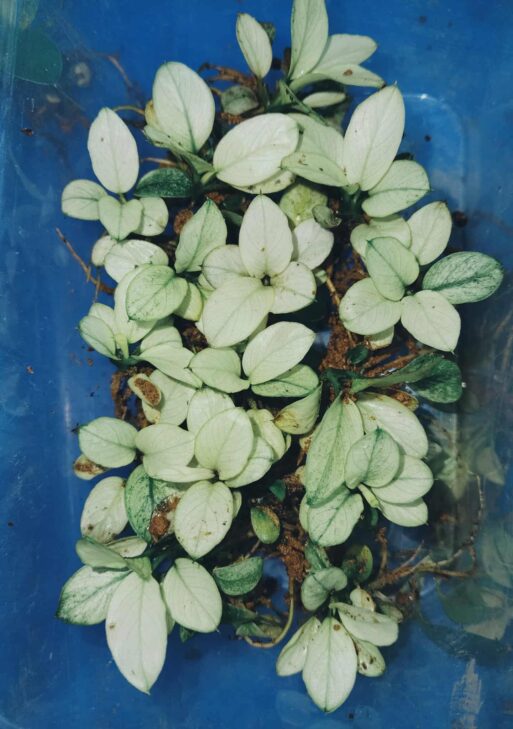
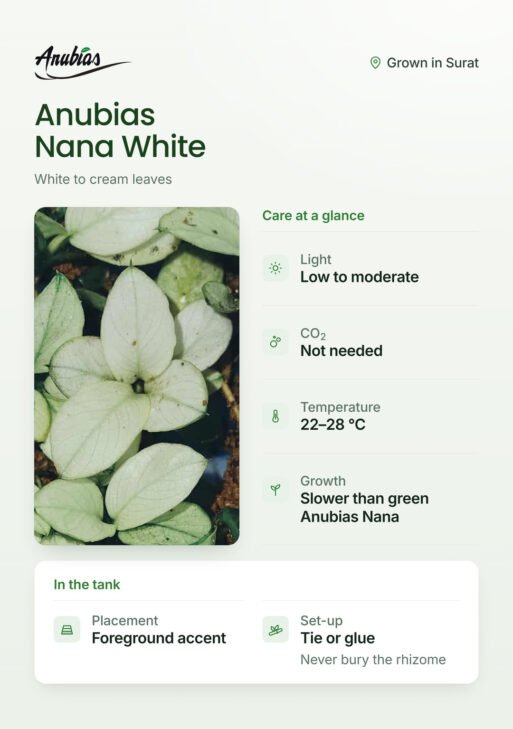
Anubias Nana White
Price range: ₹235 through ₹310
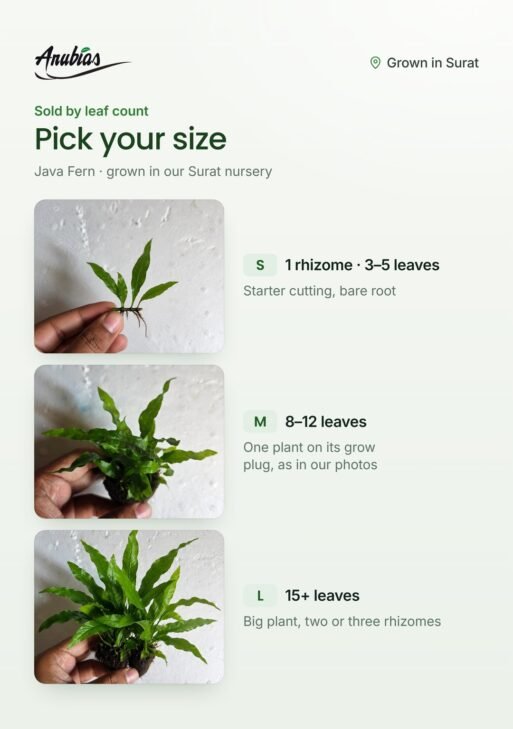
Java Fern (Microsorum pteropus)
Price range: ₹45 through ₹250
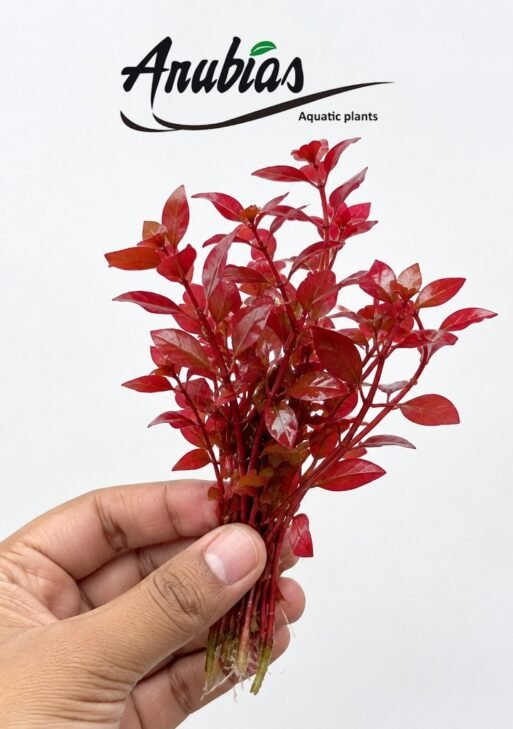
Ludwigia 'Mini Super Red'
Price range: ₹70 through ₹90
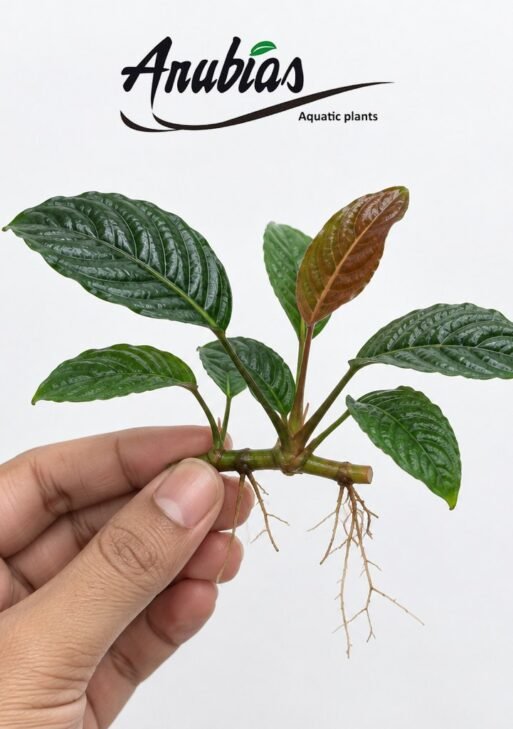
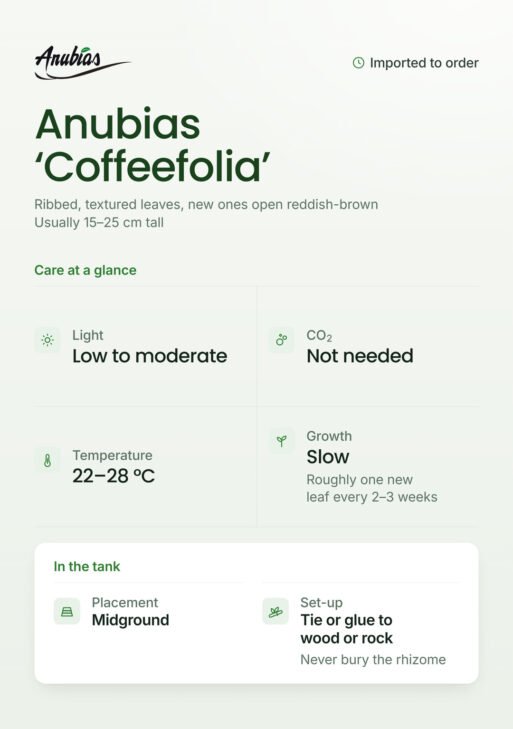
Anubias 'Coffeefolia'
Price range: ₹190 through ₹250
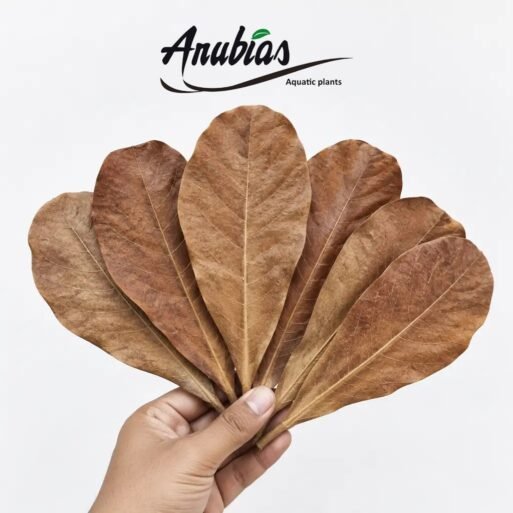
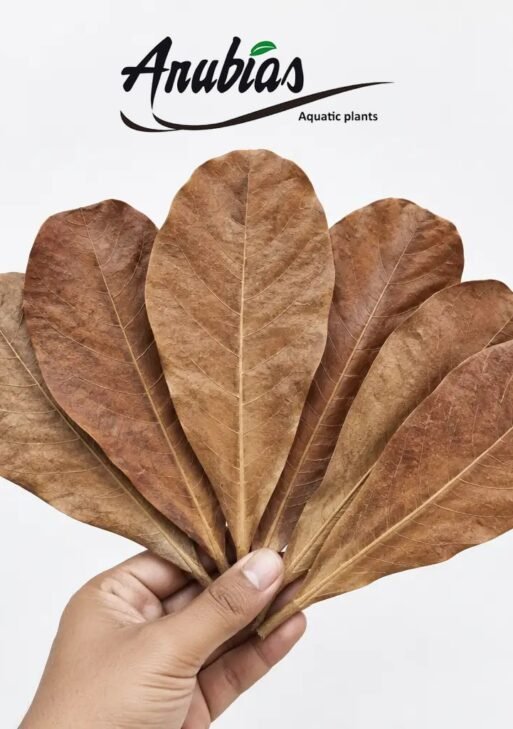
Indian Almond Leaves (Catappa) for Betta & Shrimp Tanks
Price range: ₹90 through ₹200
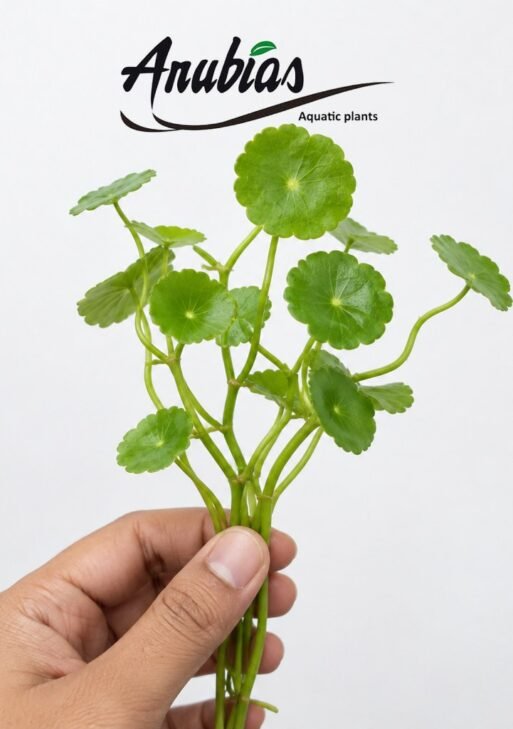
Brazilian Pennywort (Hydrocotyle leucocephala)
Price range: ₹60 through ₹80
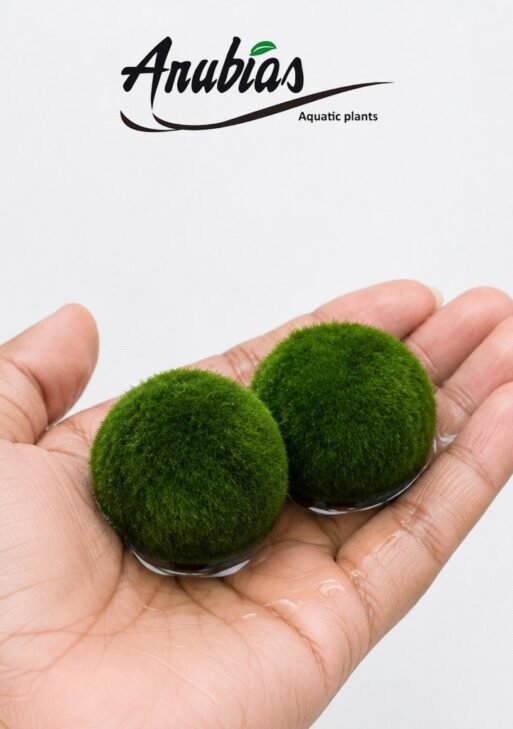
Marimo Moss Ball
Price range: ₹240 through ₹350
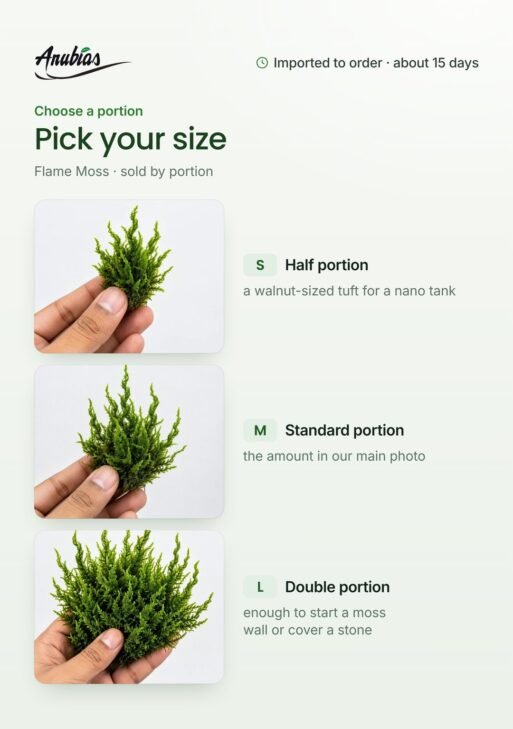
Flame Moss (Taxiphyllum sp. 'Flame')
Price range: ₹90 through ₹250
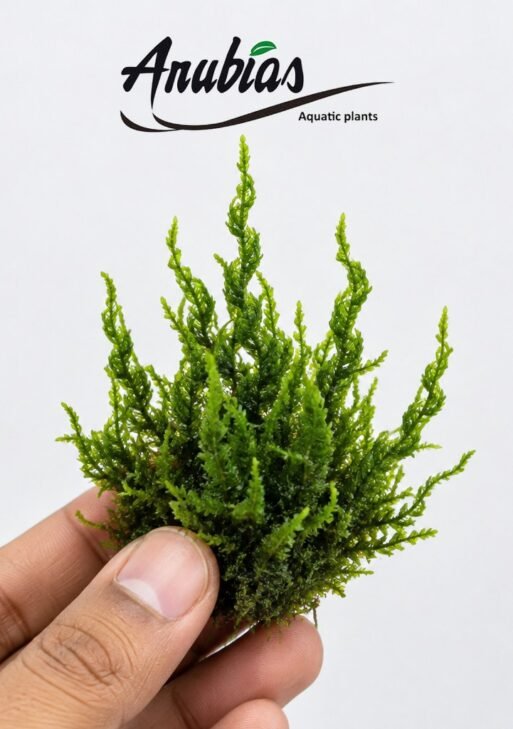
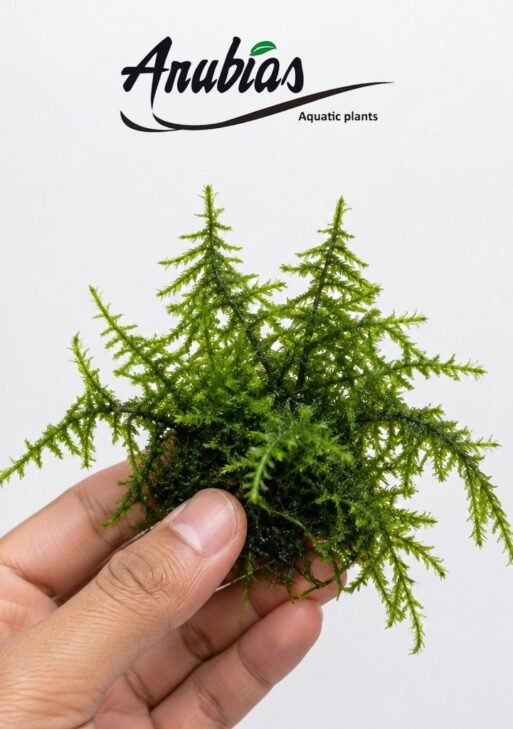
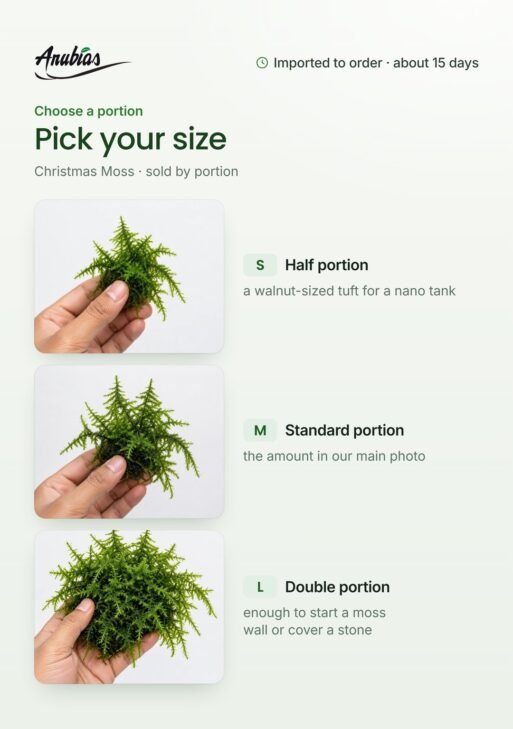
Christmas Moss (Vesicularia montagnei)
Price range: ₹90 through ₹250
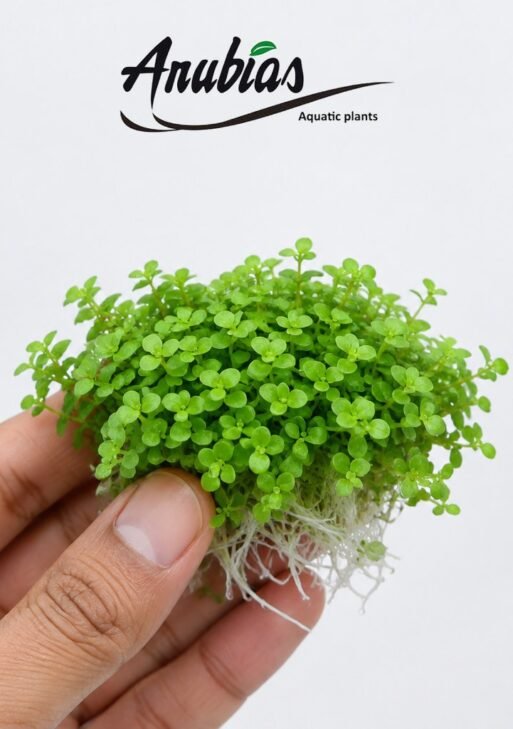
Micranthemum 'Monte Carlo'
Price range: ₹115 through ₹150
Hornwort (Ceratophyllum demersum)
Price range: ₹45 through ₹60
Buy live aquarium plants and aquatic plants online in India
Anubias.in sells live aquarium plants and aquatic (water) plants online across India: Anubias, Bucephalandra, Java fern and mosses, carpeting plants, stem plants, Cryptocoryne, floating plants, water lilies and pond plants, plus the fertiliser to keep them green. Each plant is checked before packing and packed moist so it travels well from Surat to your door; plants marked pre-order show that on their product page.
This shop is for anyone who wants real freshwater aquarium plants rather than plastic ones: first-time keepers setting up a 1 ft tank, betta owners who want broad leaves and floating cover, aquascapers chasing a Monte Carlo carpet, and people with a tub or pond on the balcony who want a lily that flowers. If you are buying aquarium plants online for the first time, use the guide below to work out which type suits your tank, your light and your patience. Browse by category: Anubias, Bucephalandra, Ferns and mosses, Carpeting plants, Stem plants, Cryptocoryne, Floating plants, Pond and tub plants, Fertiliser and Gifting.
Types of aquarium plants
Aquatic plants for an aquarium fall into a few groups based on how they grow and where they sit in the tank. Knowing the group tells you most of what you need: whether to bury it, how much light it wants and how fast it will outgrow the space.
| Type | Examples we sell | Placement | Light | Difficulty |
|---|---|---|---|---|
| Epiphytes (rhizome plants) | Anubias Nana, Bucephalandra Kedagang, Java fern, Bolbitis | Tied or glued to wood and rock; never bury the rhizome | Low | Easy |
| Carpeting plants | Monte Carlo, Dwarf hairgrass, Dwarf sagittaria, Marsilea hirsuta | Foreground, planted in small clumps in fine substrate | Medium to high | Moderate (sagittaria and Marsilea are the easy ones) |
| Stem plants | Hygrophila polysperma, Rotala indica, Bacopa caroliniana, Ludwigia Mini Super Red | Midground and background, stems pushed into substrate | Medium (red stems need more) | Easy to moderate |
| Rosette plants (crypts and swords) | Cryptocoryne wendtii Green, Cryptocoryne parva, Amazon sword, Vallisneria Nana | Rooted in substrate; crypts mid, swords and Vallisneria at the back | Low to medium | Easy |
| Floating plants | Amazon frogbit, Salvinia natans, Red root floater, Water lettuce | Surface; keep away from strong filter flow | Low to medium (they sit closest to the light) | Easy |
| Mosses | Java moss, Christmas moss, Flame moss, Marimo moss ball | Tied to wood, rock or mesh; Marimo simply sits on the floor | Low | Easy |
| Bulbs and lilies | Red tiger lotus (Nymphaea rubra), Nymphaea Dauben, Nuphar japonica | Bulb half-buried in substrate as a centrepiece; trim floating pads if you want submerged growth | Medium | Easy |
| Pond and tub plants | Pink lotus (Nelumbo nucifera), Nymphaea Wanvisa, Water hyacinth, Water poppy | Outdoor tub, cement tank or pond in direct sun; lotus is not an aquarium plant | Full sun | Easy outdoors |
The names people search for most, Anubias, Java fern, Java moss, Amazon sword, Vallisneria and Cryptocoryne, are all in the easy rows. That is not a coincidence: they are the plants that survive ordinary tap water, a basic LED and the occasional missed water change.
Best aquarium plants for beginners (no CO2, low light)
Aquarium plants for beginners share three traits: they grow without CO2 injection, they tolerate low light, and they forgive mistakes. These are the low light aquarium plants we point new keepers to first.
- Anubias Nana: the most forgiving aquarium plant there is. Tie it to wood or rock and leave it alone.
- Anubias Nana Petite: the same toughness in a leaf the size of a fingernail, ideal for nano tanks and jars.
- Java fern (Microsorum pteropus): broad leaves bettas rest on; grows new plantlets from the leaf tips.
- Java moss: grows on anything, hides fry and shrimp, needs no substrate at all.
- Vallisneria Nana (Jungle Val): tall grassy background plant that spreads by runners and loves hard water.
- Cryptocoryne wendtii Green: a rooted midground plant that may drop leaves after planting, then regrows stronger.
- Amazon sword (Echinodorus bleheri): the classic centrepiece for a 2 ft or larger tank; feed the roots.
- Hygrophila polysperma: one of the fastest, easiest stem plants; great for soaking up nutrients in a new tank.
- Brazilian pennywort: grows planted or floating, quick cover for a tank that is still settling.
- Amazon frogbit: floating cover that shades shy fish and pulls nitrate straight from the water.
If you want these picked and sized for you, the aquarium plant starter kits bundle them by tank size, and the Anubias beginner trio is a one-click way to start with three rhizome plants.
How to choose plants for your tank size
Our rule of thumb is four to seven plants per foot of tank length, spread across three layers: something on the hardscape, something rooted at the back, and something floating. Small tanks need small plants; a sword that is lovely in a 3 ft tank will fill a 1 ft tank in weeks.
1 ft tank (up to 30 litres)
Stick to epiphytes and mosses that stay small: Anubias Nana Petite, Dwarf Java fern, Bucephalandra and a pinch of Christmas moss. Three to five plants is plenty. The Nano low-tech kit is built for exactly this size.
2 ft tank (60 to 80 litres)
Now you have room for layers. Anubias and Java fern on wood, Vallisneria or Cryptocoryne wendtii Red Bronze at the back, a couple of stems such as Bacopa caroliniana, and frogbit on top. Eight to twelve plants. See the 2 ft low-tech community kit.
3 ft tank (150 to 200 litres)
Go for a proper centrepiece: an Amazon sword or a large Anubias barteri var. glabra, a back row of Vallisneria, groups of stems and a carpet of dwarf sagittaria in front. Fifteen to twenty plants and a bottle of Green Plus and Trace fertiliser. The 3 ft easy centrepiece kit covers the core.
4 ft tank (250 to 350 litres)
At this size light has to reach a deep substrate, so lean on plants that cope with lower light at the bottom: swords such as Echinodorus cordifolius, Lagenandra toxicaria Giant, big crypts like Cryptocoryne spiralis Broad Leaf, and tall stems such as Hygrophila difformis and hornwort. Twenty to thirty plants, bought in groups of the same species so the tank reads as a few bold shapes rather than one of everything.
Aquarium plants for Indian conditions
Most plant advice online is written for Europe or the US. Indian tanks run hotter, on harder water and with less reliable power, so here is what actually matters.
- Hard tap water. Borewell and municipal water across much of India is hard and alkaline. That suits Anubias, Java fern, Vallisneria, Cryptocoryne, hornwort and swords; they prefer it. Soft-water specialists such as Tonina and Rotala wallichii struggle without RO water, so leave them for later.
- Summer heat. Tanks sit at 28 to 32 °C from April to June. Epiphytes, crypts, swords and floating plants cope. Mosses and carpets grow slowly and can brown in prolonged heat; a small fan across the surface or a lid left open at night drops a degree or two. Avoid buying mosses for an unheated room that crosses 32 °C.
- Monsoon power cuts. Filters and lights going off for hours is normal. Low-tech plants shrug this off; CO2-dependent carpets and red stems do not. If cuts are frequent in your area, build the tank around no-CO2 plants and keep floating plants that feed from the air above the water.
- Lighting. A basic LED of 6,500 K running six to eight hours a day is enough for every plant in the beginner list. Do not run lights more than eight hours while the tank is new; algae wins that race. Raise the light or add floating plants if you see green on the glass within a week.
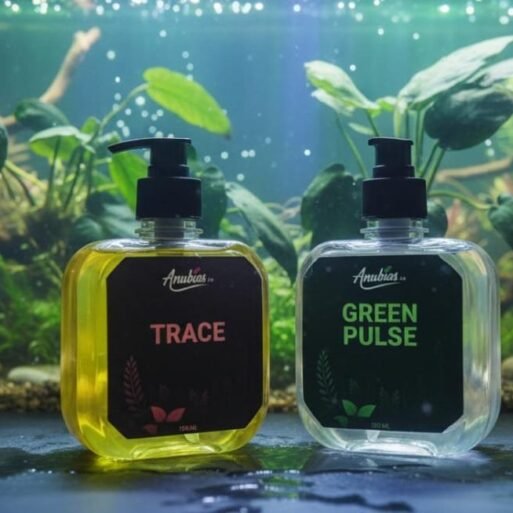
- Fertiliser. Slow growers in hard water usually lack potassium and trace elements, which shows as holes or pale new leaves. One dose a week of a liquid such as Green Plus and Trace fixes most of it. Root feeders like swords and crypts also take root tabs.
Popular aquarium plant names
A quick reference for the aquarium plant names people search for, with links to the ones we stock.
- Amazon sword (Echinodorus bleheri)
- Anubias Nana, Anubias Petite, Anubias Gold
- Azolla (mosquito fern)
- Bacopa monnieri, also known as Brahmi
- Bucephalandra (Buce)
- Cabomba
- Cryptocoryne (crypt)
- Duckweed
- Dwarf hairgrass
- Frogbit
- Hornwort
- Hydrilla
- Hygrophila
- Java fern
- Java moss
- Ludwigia
- Marimo moss ball
- Monte Carlo
- Money plant (pothos), grown with roots in the water and leaves above it
- Red tiger lotus (Nymphaea rubra)
- Rotala
- Salvinia
- Vallisneria (Vallis, Jungle Val)
- Water lettuce
- Water sprite
How we pack and ship
Every plant is checked before packing. Plants are packed moist so the leaves and roots stay hydrated in transit, then shipped across India from Surat. Shipping is ₹99, free on orders of ₹999 or more.
Orders are covered by our live-arrival guarantee: record one continuous unboxing video within 4 hours of delivery, and if a plant has arrived dead we refund or replace it. Some melting of old leaves in the first two weeks is normal for crypts and freshly moved stems; the rhizome or crown is what matters, and new growth follows.
Frequently Asked Questions
Which aquarium plants are best for beginners?
Anubias Nana, Java fern, Java moss, Vallisneria, Cryptocoryne wendtii, Amazon sword, Hygrophila polysperma and Amazon frogbit. All of them grow without CO2 under a basic LED and tolerate hard Indian tap water. Start with these before trying carpets or red stem plants.Do aquarium plants need CO2?
No. CO2 injection speeds growth and is needed for dense carpets and deep red stems, but every plant in our beginner list grows well with the CO2 already dissolved in the water. A low-tech tank with Anubias, ferns, crypts and floating plants runs for years without a CO2 kit.Can aquarium plants grow without soil?
Yes. Epiphytes such as Anubias, Bucephalandra and Java fern, and all mosses, are tied to wood or rock and take nutrients from the water. Floating plants need no substrate either. Only rooted plants like crypts, swords, Vallisneria and carpets need gravel, sand or aquasoil.How do I keep aquarium plants alive?
Give them six to eight hours of light a day, never bury an Anubias or fern rhizome, change about a quarter of the water each week, and dose a liquid fertiliser once a week. If leaves melt after planting, leave the plant in place; new leaves usually grow within a few weeks.Which aquarium plants grow in low light?
Anubias (all varieties), Java fern, Bolbitis, Java moss, Christmas moss, Cryptocoryne, Vallisneria, hornwort, Brazilian pennywort and floating plants such as frogbit and Salvinia. These are the plants to choose if your tank has a small built-in LED.Are live aquarium plants better than artificial ones?
Live plants take up nitrate and ammonia, release oxygen during the day, give shrimp and fry cover, and compete with algae for nutrients. Artificial plants do none of this and can tear fins on fish like bettas. Live plants do need light and the occasional trim.Which plants are safe for a betta tank?
Anubias and Java fern for broad resting leaves, frogbit or Salvinia for the surface cover bettas like, and a red tiger lotus for colour. Avoid sharp-edged plastic and anything that needs strong flow. See the betta tank kit on our starter kits page.Which aquarium plants grow in hard water?
Vallisneria, Anubias, Java fern, Cryptocoryne, hornwort, Amazon sword, Hygrophila and Bacopa all do well in hard, alkaline water, which is what most Indian taps and borewells supply. Soft-water plants such as Tonina and Rotala wallichii need RO water.Not sure what fits your tank? Plan it with our free AI tank planner.