






Your cart is empty
Return to Shop
Cryptocoryne parva
Price range: ₹75 through ₹100
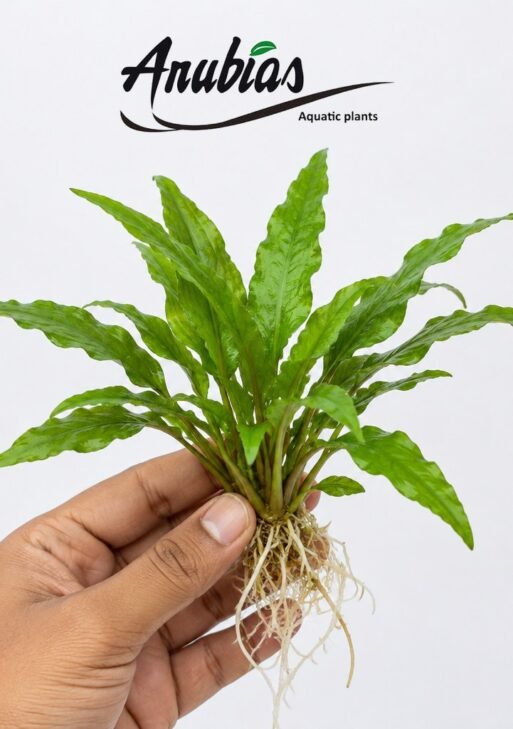
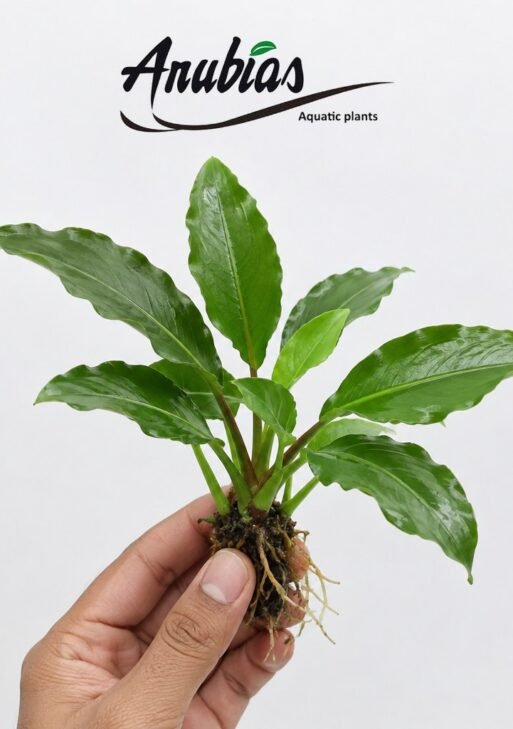
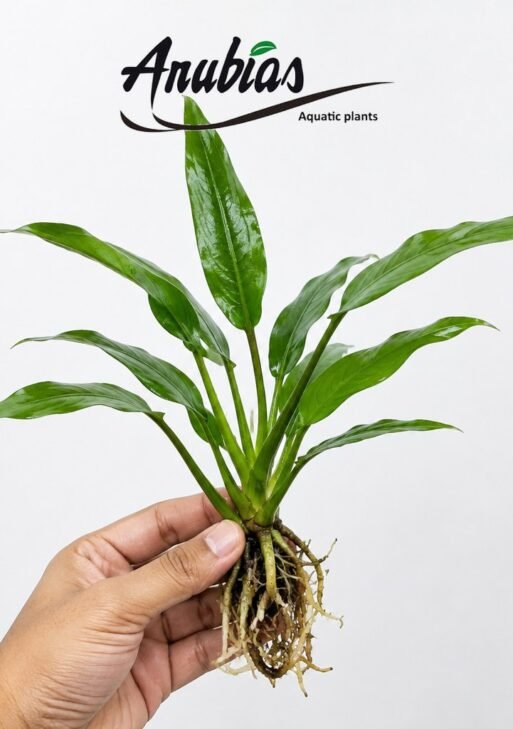
Cryptocoryne wendtii 'Green'
Price range: ₹115 through ₹150
Cryptocoryne spiralis 'Red'
Price range: ₹55 through ₹70
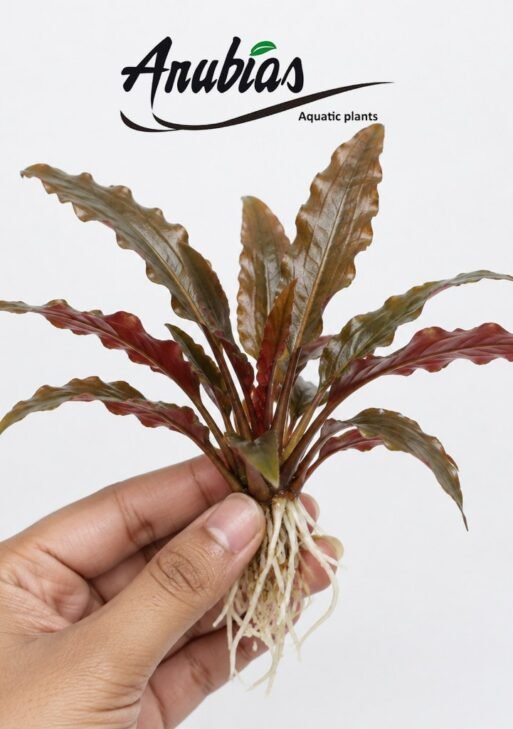
Cryptocoryne Wendtii 'Red' (Bronze)
Price range: ₹130 through ₹170
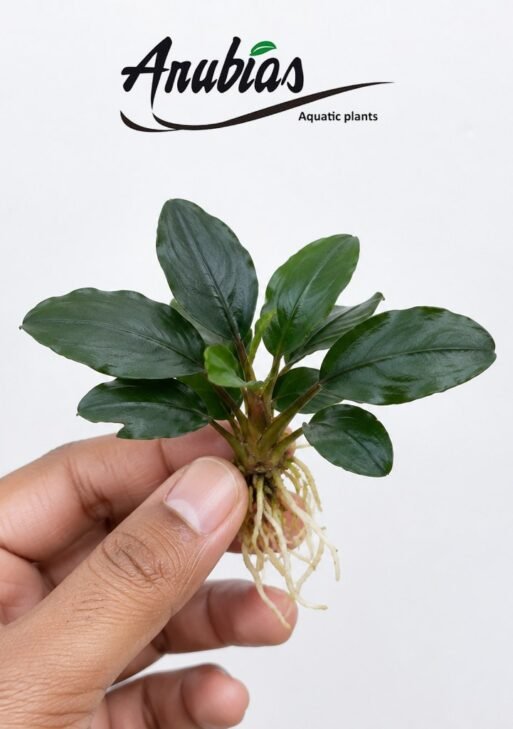
Lagenandra nairii 'Compact'
Price range: ₹70 through ₹90
Cryptocoryne pontederiifolia
Price range: ₹55 through ₹70
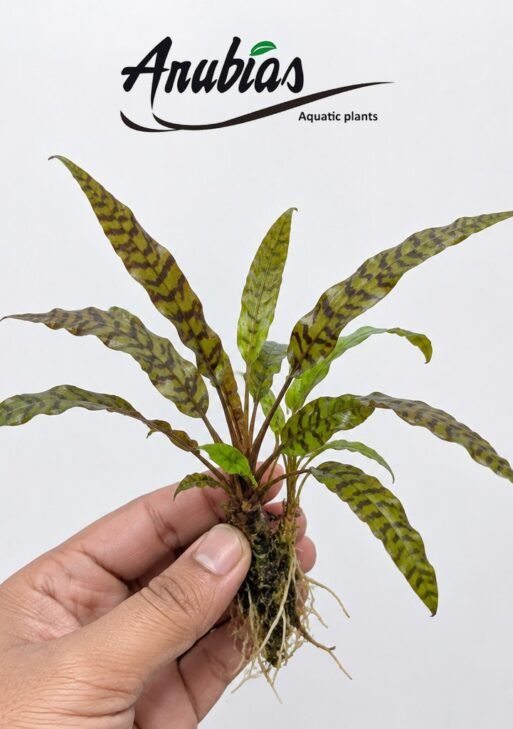
Cryptocoryne spiralis 'Tiger'
Price range: ₹135 through ₹180
Lagenandra meeboldii 'Green'
Price range: ₹55 through ₹70
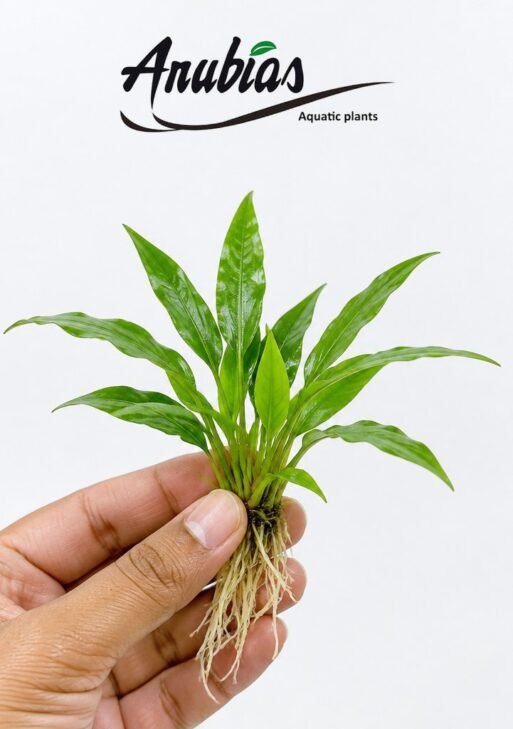
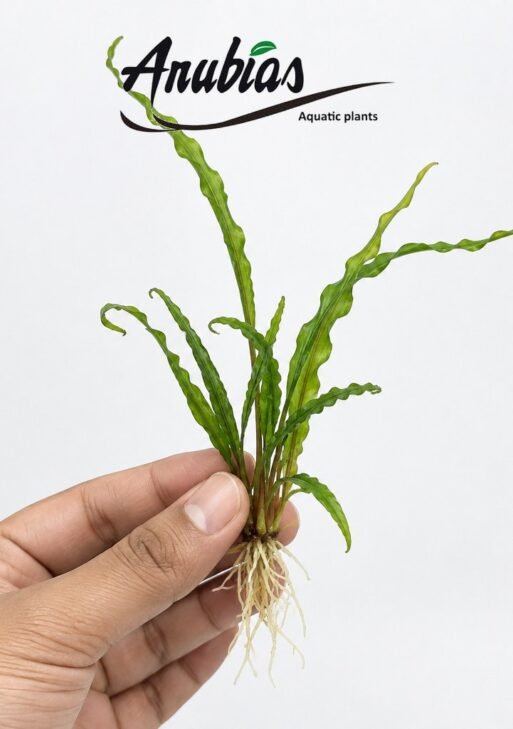
Cryptocoryne spiralis 'Green'
Price range: ₹70 through ₹90
Cryptocoryne lucens
Price range: ₹100 through ₹135
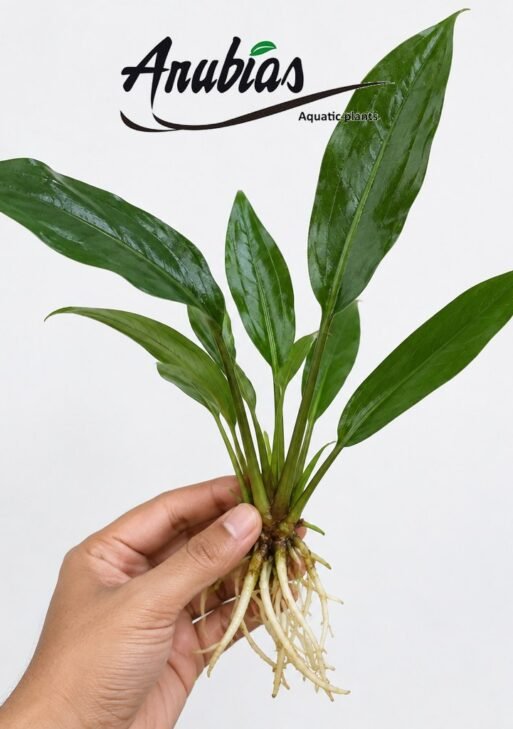
Lagenandra toxicaria 'Giant'
Price range: ₹70 through ₹90
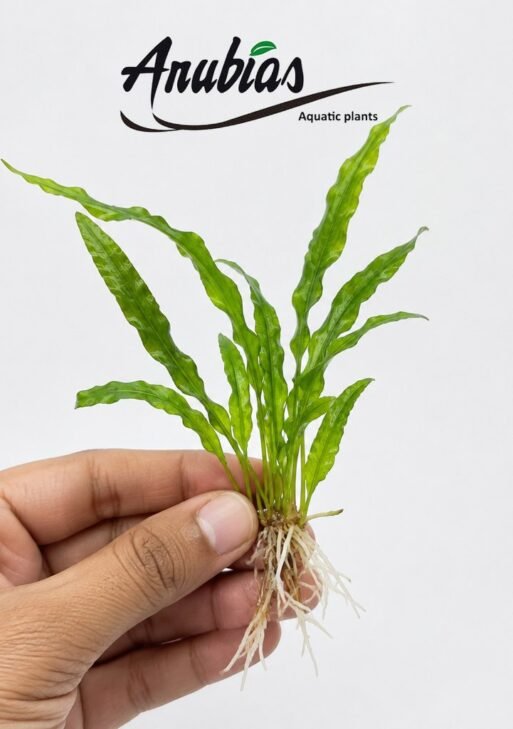
Cryptocoryne retrospiralis
Price range: ₹70 through ₹90
Lagenandra toxicaria 'Green'
Price range: ₹55 through ₹70
Cryptocoryne Nurii
₹199 ₹259
Cryptocoryne spiralis 'broad leaf'
Price range: ₹70 through ₹90
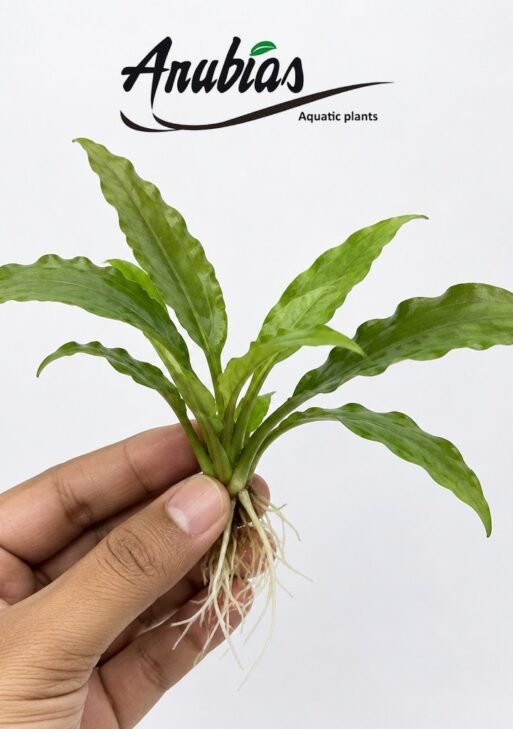
Cryptocoryne cognatoides
Price range: ₹100 through ₹135
How to choose cryptocoryne for your tank
Cryptocoryne, or crypts, are the rosette plants of the Asian stream bed: slow, sturdy, substrate-rooted and happiest once left alone. Several of the species on this page, including Cryptocoryne spiralis, Cryptocoryne retrospiralis, Cryptocoryne cognatoides and the Lagenandra, come from India itself and are already adapted to the hard water and warm temperatures of an Indian aquarium. That makes cryptocoryne the best low-tech midground plant we sell for hobbyists who do not run CO2. The choice is mostly about height and leaf colour.
Pick by height
- Foreground (under 8 cm): Cryptocoryne parva, the smallest crypt, and Cryptocoryne lucens. Both are very slow and make a dark-green edge or a patch between stones.
- Midground (8–20 cm): Cryptocoryne wendtii 'Green', Cryptocoryne Wendtii 'Red' (Bronze), Cryptocoryne Nurii, Cryptocoryne cognatoides, Lagenandra meeboldii 'Green' and Lagenandra nairii 'Compact'.
- Background (20 cm and taller): Cryptocoryne spiralis 'Green', 'Red', 'Tiger' and 'broad leaf', Cryptocoryne retrospiralis, Cryptocoryne pontederiifolia, Lagenandra toxicaria 'Green' and Lagenandra toxicaria 'Giant'.
Pick by colour
Green crypts (wendtii 'Green', spiralis 'Green', parva, lucens) are the easiest. Brown and red forms (wendtii 'Red', spiralis 'Red', spiralis 'Tiger', Lagenandra meeboldii) colour up best under medium light with iron in the water; under a basic LED they turn olive-bronze, which still looks good against green. Cryptocoryne Nurii is the collector's crypt with mottled leaves and prefers softer, slightly acidic water.
Cryptocoryne compared
| Plant | Light | CO2 | Growth | Placement | Difficulty |
|---|---|---|---|---|---|
| Cryptocoryne parva | Low–medium | No | Very slow | Foreground | Easy–moderate |
| Cryptocoryne lucens | Low | No | Slow | Foreground | Easy |
| Cryptocoryne wendtii 'Green' | Low | No | Moderate | Midground | Easy |
| Cryptocoryne Wendtii 'Red' (Bronze) | Low–medium | No | Moderate | Midground | Easy |
| Cryptocoryne Nurii | Low–medium | No | Slow | Midground, soft water preferred | Moderate |
| Cryptocoryne cognatoides | Low–medium | No | Slow | Midground | Moderate |
| Cryptocoryne pontederiifolia | Low–medium | No | Moderate | Mid/background | Easy |
| Cryptocoryne retrospiralis | Low–medium | No | Moderate | Background | Easy |
| Cryptocoryne spiralis 'Green', 'broad leaf' | Low–medium | No | Moderate | Background | Easy |
| Cryptocoryne spiralis 'Red', 'Tiger' | Medium | No | Moderate | Background | Easy |
| Lagenandra meeboldii 'Green' | Low–medium | No | Slow | Midground | Easy–moderate |
| Lagenandra nairii 'Compact' | Low–medium | No | Slow | Fore/midground | Easy–moderate |
| Lagenandra toxicaria 'Green', 'Giant' | Low–medium | No | Slow | Background or paludarium | Easy–moderate |
How to plant and care for cryptocoryne in Indian conditions
- Plant in substrate, crown up. Crypts are heavy root feeders. Spread the roots and push the plant in so the crown (where leaves meet roots) sits at the surface, never under it.
- Feed the roots. A nutrient-rich aquasoil, or plain gravel with a root tab under each plant every 2–3 months, makes the difference between a crypt that sits still and one that throws runners.
- Light: low to medium. Crypts are the plants for the shaded corners of the tank and the understorey beneath stem plants or floaters.
- Hard tap water: wendtii, spiralis, retrospiralis, pontederiifolia and the Lagenandra all thrive at pH 7–8 with high GH. Only Nurii and cognatoides prefer softer water.
- Summer heat: crypts handle 30–32 °C better than almost any other substrate plant. Growth slows a little; that is all.
- Monsoon power cuts: harmless to crypts. They need no CO2 and tolerate a dark day. The only risk is a sudden temperature swing afterwards, which can trigger melt.
- Do not move them. Crypts resent being uprooted. Decide the position once and leave the plant to settle for two to three months.
- Propagate from runners. Established crypts send out daughter plants on runners. Cut the runner once the daughter has four or five leaves and replant it.
Best cryptocoryne for beginners, low-tech, betta and nano tanks
- Beginners: Cryptocoryne wendtii 'Green'. The most forgiving crypt, happy in gravel with a root tab under a basic LED.
- Low-tech background: Cryptocoryne spiralis 'Green' and Cryptocoryne retrospiralis, Indian natives that form a tall, grassy curtain without CO2.
- Betta tanks: Cryptocoryne Wendtii 'Red' (Bronze) gives a 20–30 litre betta tank broad, low leaves to rest on and copes with the 28–30 °C a betta prefers.
- Nano tanks: Cryptocoryne parva and Cryptocoryne lucens stay small, and Lagenandra nairii 'Compact' adds a glossy, textured leaf at the same scale.
- Paludarium: Lagenandra toxicaria 'Giant' grows emersed into a large, leathery-leaved plant above the waterline.
Common mistakes
- Burying the crown. The plant rots from the centre. Replant with the crown exposed.
- Replanting after melt. Melted crypts almost always regrow from the roots within weeks. Pulling them out to check is what kills them.
- Big water-parameter swings. A 50% water change with much colder tap water, or a sudden light upgrade, triggers melt. Change water in smaller amounts and match the temperature.
- Starving them in plain gravel. Pale, small leaves and no runners mean the roots have nothing to eat.
- Expecting speed. A crypt takes a month to settle and a season to fill out. It then needs almost no attention for years.
How we pack and ship
Every plant is checked before packing, packed moist and shipped across India from Surat. Shipping is ₹99 shipping, free on orders of ₹999 or more. Live-arrival guarantee: record one continuous unboxing video within 4 hours of delivery and, if a plant has arrived dead, we refund or replace it.
Frequently Asked Questions
What is "crypt melt" and should I panic?
No. Crypt melt is when leaves rapidly dissolve after a change in water parameters, lighting or transplanting. It is usually not fatal: the roots and rhizome typically survive and regrow new leaves suited to the new conditions within a few weeks. Remove the melted leaves and leave the plant in place.Do Cryptocoryne need CO2?
No. Crypts such as Cryptocoryne wendtii grow well long-term in low-tech tanks without CO2 once established. CO2 and a nutrient-rich substrate or root tabs speed up growth, but stable water conditions matter most for avoiding melt.Should Cryptocoryne be planted in substrate?
Yes. Unlike Anubias, Cryptocoryne is a heavy root feeder and should be planted in substrate with the crown, where the leaves meet the roots, left at the surface. Root tabs placed near the roots help it grow.Why does my Cryptocoryne look different to the photos?
Crypt leaf colour and shape vary significantly with light and water hardness, and even between plants of the same species. Red and bronze forms grown under low light come in olive-green, so some natural variation from photos is normal.Which Cryptocoryne is best for beginners?
Cryptocoryne wendtii 'Green' or 'Red', followed by Cryptocoryne spiralis. All three tolerate hard tap water, low light and 30 °C summers, and recover from melt reliably. Cryptocoryne parva and Cryptocoryne Nurii are slower and less forgiving.How fast does Cryptocoryne grow and spread?
Slowly for the first one to three months while it roots, then steadily: wendtii and spiralis produce a new leaf every week or two and a runner every month or so once fed. Cryptocoryne parva may take a year to double.Can Cryptocoryne grow in sand or gravel?
Yes, as long as the roots are fed. Push a root tab into the sand or gravel under each plant and replace it every two to three months. In a nutrient-rich aquasoil root tabs are optional.Is Lagenandra the same as Cryptocoryne?
No, but they are close relatives from the same family (Araceae), mostly from India and Sri Lanka, and they are cared for the same way: rooted in substrate, crown exposed, low to medium light, no CO2. Lagenandra tends to be slower, with thicker, glossier leaves, and grows well emersed in a paludarium.Not sure what fits your tank? Plan it with our free AI tank planner.









