

Your cart is empty
Return to Shop
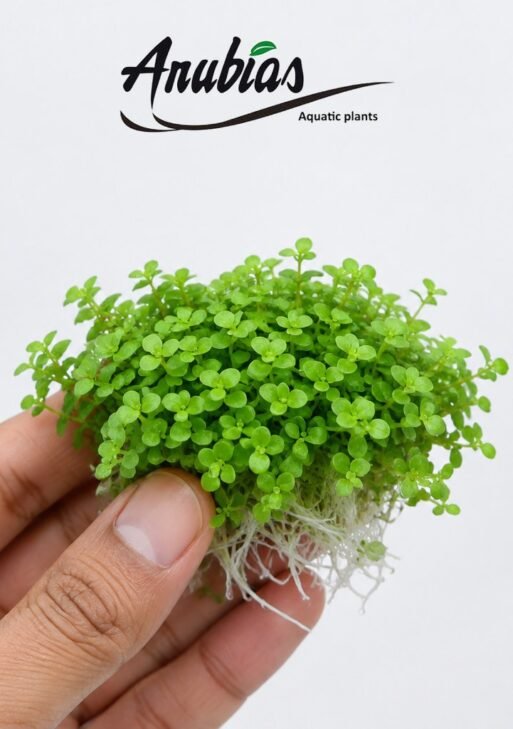
Micranthemum 'Monte Carlo'
Price range: ₹115 through ₹150
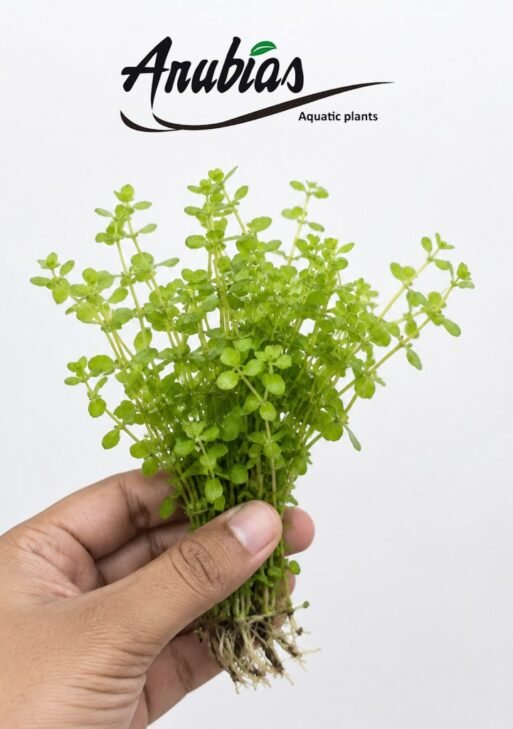
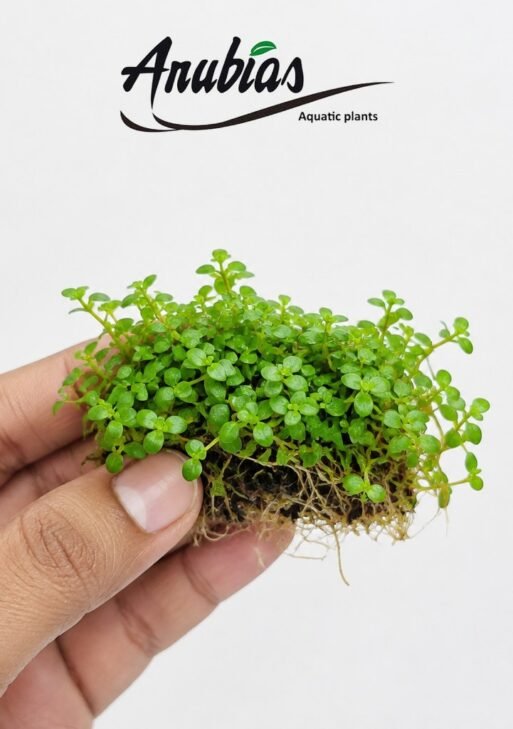
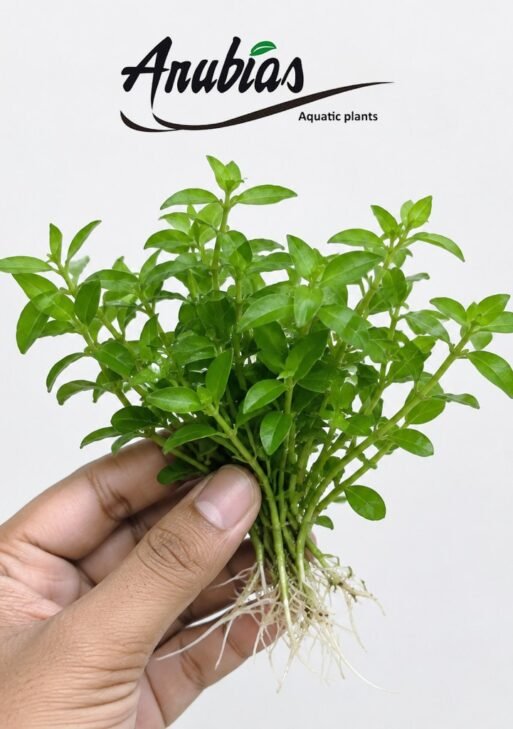
Pearl Weed (Hemianthus micranthemoides)
Price range: ₹85 through ₹115
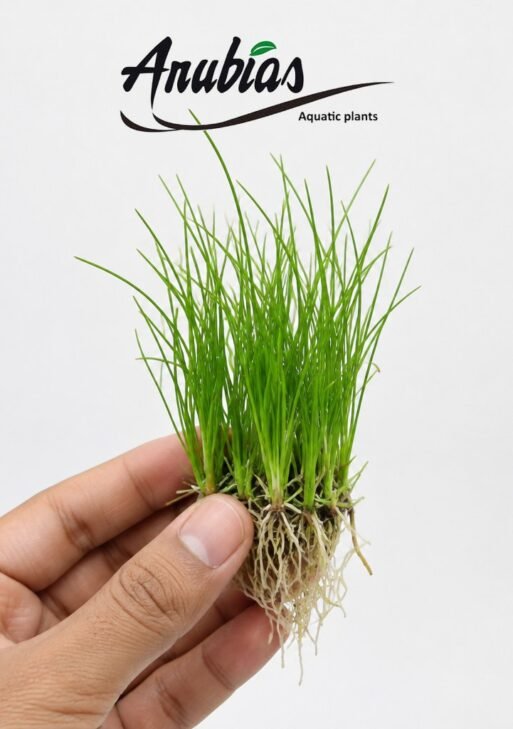
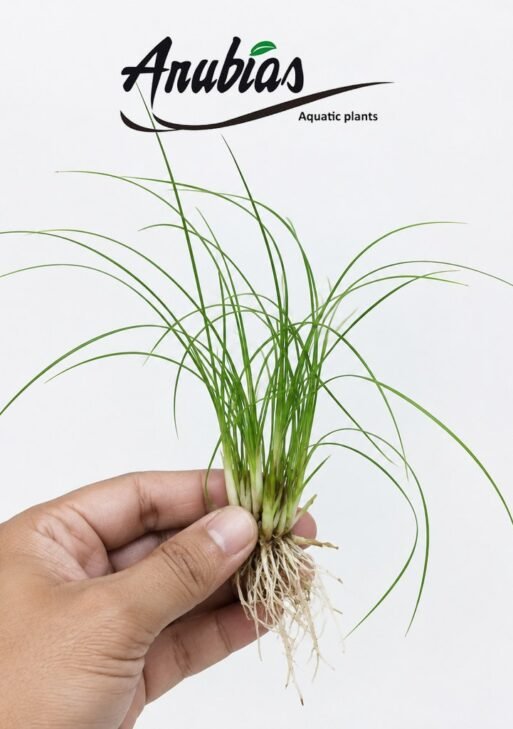
Dwarf Hairgrass (Eleocharis sp.)
Price range: ₹115 through ₹150
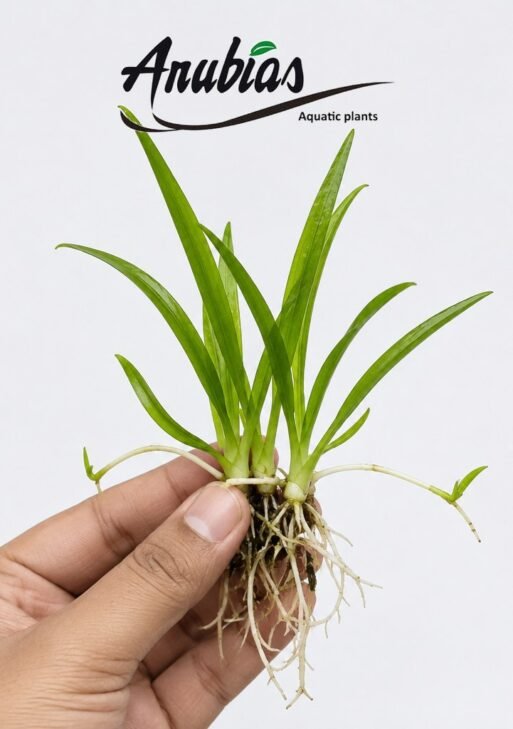
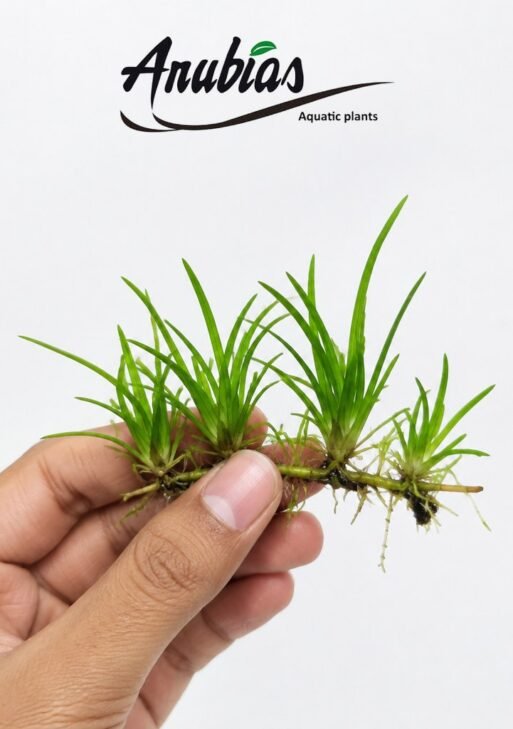
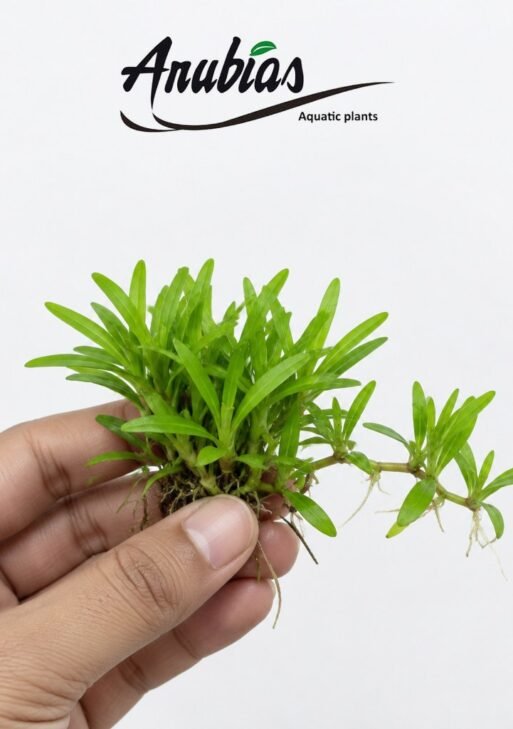
Dwarf Sagittaria (Sagittaria subulata)
Price range: ₹105 through ₹140
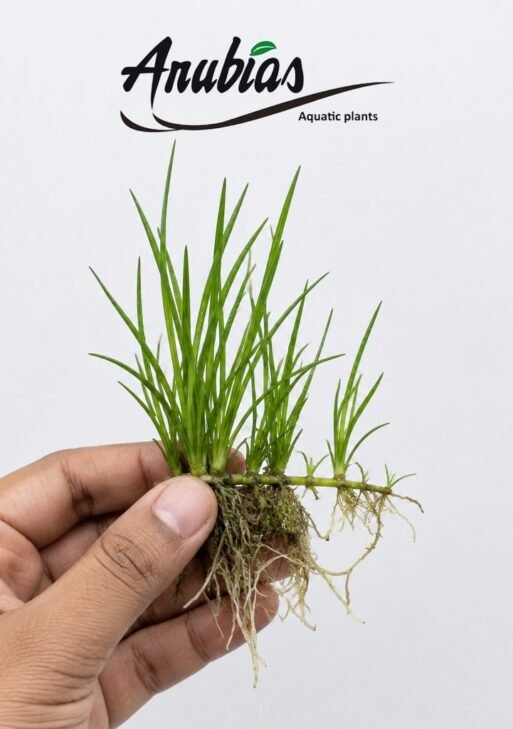
Lilaeopsis macloviana
Price range: ₹70 through ₹90
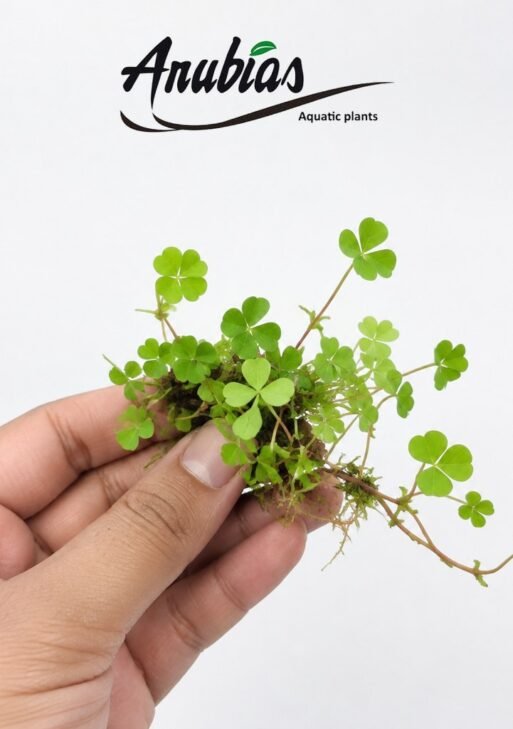
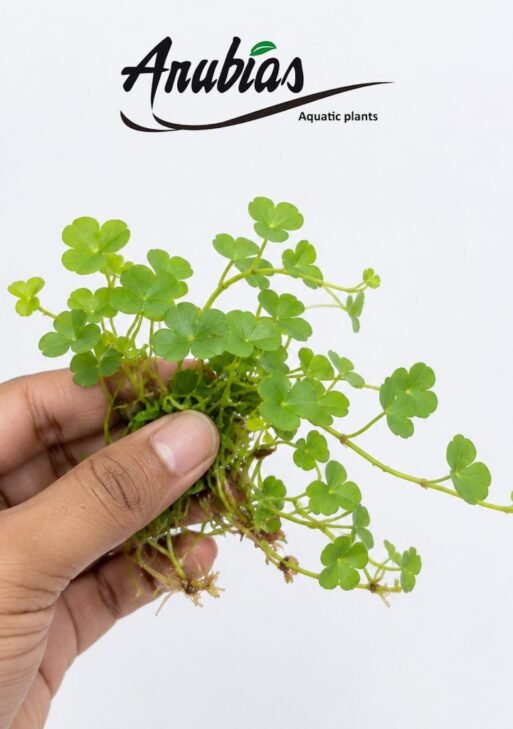
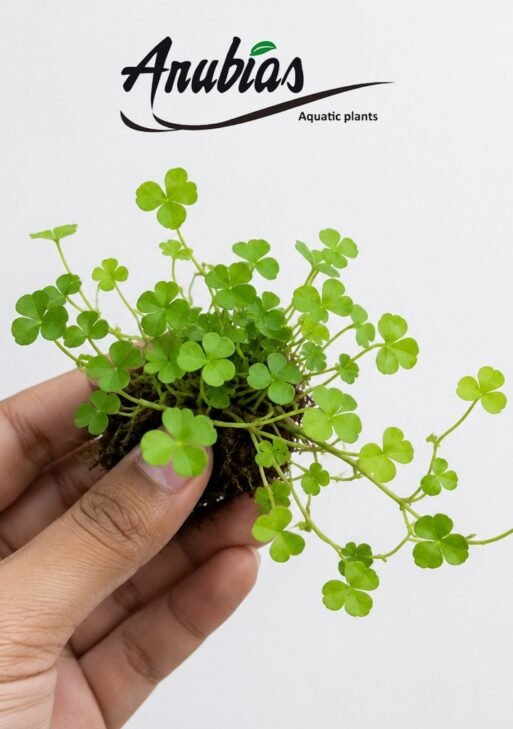
Water Clover (Marsilea hirsuta)
Price range: ₹85 through ₹115
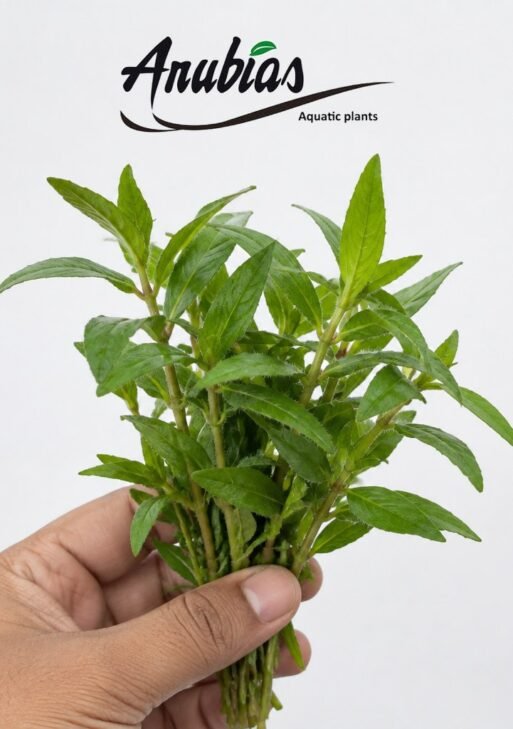
Eleocharis vivipara
Price range: ₹40 through ₹55
Lilaeopsis mauritiana
Price range: ₹85 through ₹115
Hydrocotyle tripartita 'Honda'
Price range: ₹55 through ₹70
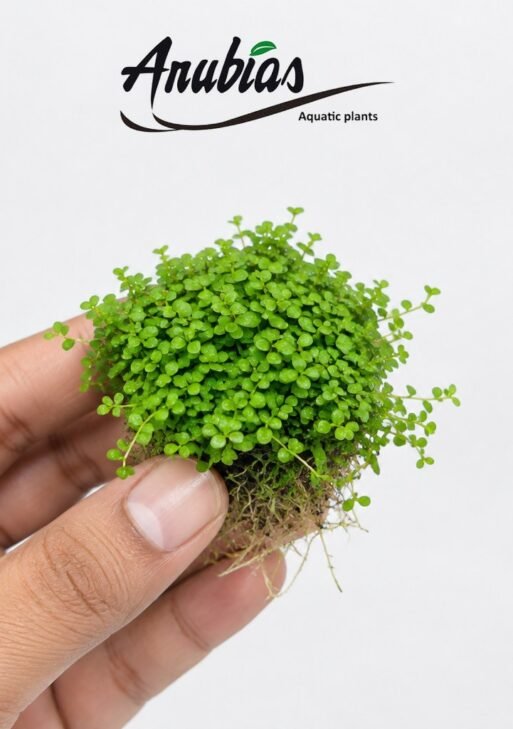
Dwarf Baby Tears (Hemianthus callitrichoides 'Cuba')
Price range: ₹55 through ₹70
Hydrocotyle tripartita 'Mini'
Price range: ₹85 through ₹115
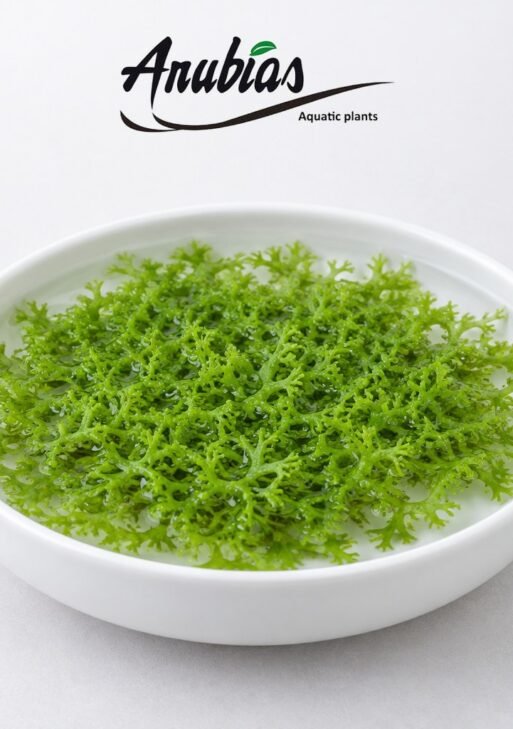
Riccia (Riccia fluitans)
Price range: ₹70 through ₹90
Hydrocotyle Tripartita 'Japan'
Price range: ₹130 through ₹170
Elatine triandra
Price range: ₹40 through ₹55
Lilaeopsis brasiliensis
Price range: ₹170 through ₹225
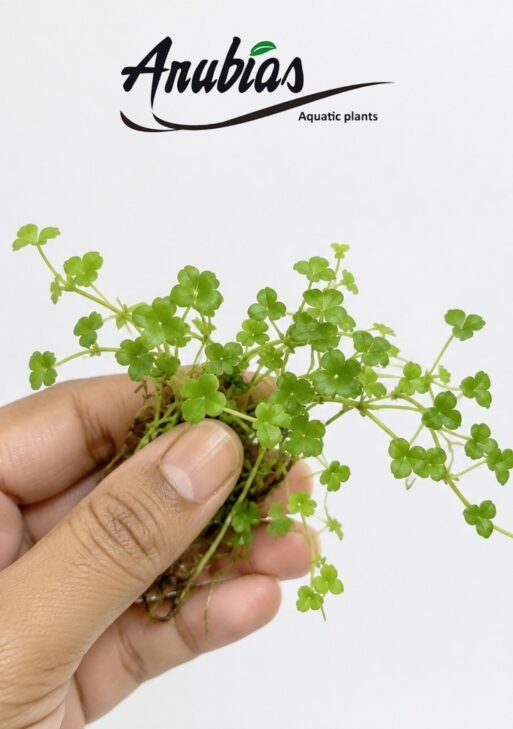
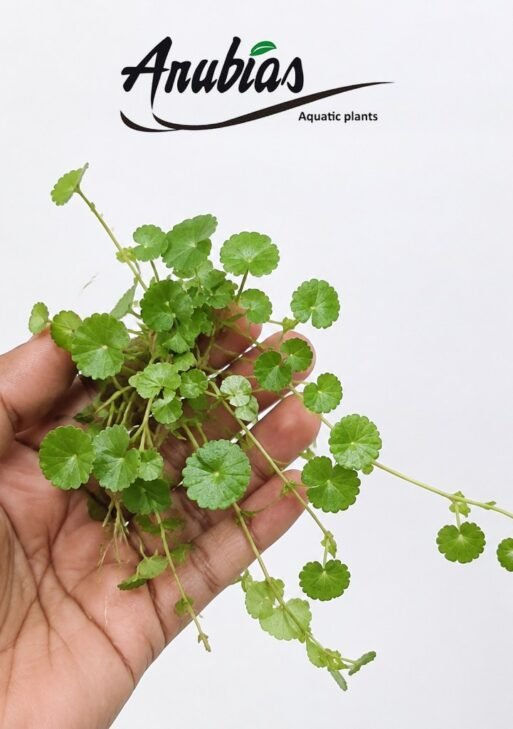
Lawn Leaf (Hydrocotyle sibthorpioides)
Price range: ₹55 through ₹70
Staurogyne sp. 'Porto Velho'
Price range: ₹85 through ₹115
Staurogyne Repens
Price range: ₹135 through ₹180
Juncus repens
Price range: ₹70 through ₹90
Staurogyne zeylanica
Price range: ₹100 through ₹135
How to choose aquarium carpet plants for your tank
Aquarium carpet plants are the low, spreading species that cover the substrate at the front of the tank like a lawn. They are the most asked-about plants in Indian planted-tank groups and the most often given up on, because a tight carpet is less about the plant and more about light, CO2 and patience. This page lists nineteen carpet plants for aquarium use, from the easy Marsilea that spreads slowly under a basic LED to the Dwarf Baby Tears that needs a full high-tech setup. Pick the one your tank can actually support.
Match the carpet to your setup
- Low-tech, no CO2: Water Clover (Marsilea hirsuta), Dwarf Sagittaria, Hydrocotyle tripartita 'Japan', Lawn Leaf and Juncus repens. They will not form a mat as tight as the photos, but they cover ground.
- Medium light, CO2 helps a lot: Micranthemum 'Monte Carlo', Staurogyne Repens, Pearl Weed, Dwarf Hairgrass, Hydrocotyle 'Honda' and 'Mini', Staurogyne zeylanica and Eleocharis vivipara.
- High light and CO2: Dwarf Baby Tears (HC 'Cuba'), Elatine triandra, Staurogyne 'Porto Velho', Lilaeopsis brasiliensis, Lilaeopsis mauritiana and Lilaeopsis macloviana.
Aquarium carpet plants compared
| Plant | Light | CO2 | Growth | Placement | Difficulty |
|---|---|---|---|---|---|
| Water Clover (Marsilea hirsuta) | Low–medium | No | Slow | Foreground | Easy |
| Dwarf Sagittaria (Sagittaria subulata) | Low–medium | No | Moderate | Fore/midground, aquarium grass look | Easy |
| Hydrocotyle tripartita 'Japan', 'Honda', 'Mini' | Medium | Optional | Fast | Fore/midground | Easy |
| Lawn Leaf (Hydrocotyle sibthorpioides) | Medium | Optional | Fast | Foreground | Easy |
| Juncus repens | Medium | Optional | Moderate | Fore/midground, reddens in strong light | Easy |
| Micranthemum 'Monte Carlo' | Medium–high | Helpful | Moderate | Foreground | Easy–moderate |
| Staurogyne Repens | Medium | Helpful | Slow–moderate | Foreground | Easy–moderate |
| Staurogyne zeylanica | Medium | Helpful | Slow | Fore/midground | Moderate |
| Staurogyne sp. 'Porto Velho' | Medium–high | Recommended | Slow | Foreground | Moderate |
| Pearl Weed (Hemianthus micranthemoides) | Medium–high | Helpful | Fast | Fore/midground, trimmed low | Easy–moderate |
| Dwarf Hairgrass (Eleocharis sp.) | Medium–high | Helpful | Moderate | Foreground, aquarium grass | Moderate |
| Eleocharis vivipara | Medium | Optional | Fast | Mid/background, tall grass | Easy |
| Dwarf Baby Tears (HC 'Cuba') | High | Yes | Moderate | Foreground | Hard |
| Elatine triandra | Medium–high | Yes | Fast | Foreground | Moderate |
| Lilaeopsis brasiliensis, L. mauritiana | Medium–high | Helpful | Slow | Foreground, grass look | Moderate |
| Lilaeopsis macloviana | Medium–high | Helpful | Slow | Fore/midground, taller grass | Moderate |
How to plant and grow aquarium carpet plants in Indian conditions
- Substrate: use a fine, nutrient-rich aquasoil 4–5 cm deep at the front. Carpets root shallowly and spread by runners; coarse gravel leaves gaps. Sand works for Marsilea, Sagittaria and Hydrocotyle with root tabs underneath.
- Split and spread: divide each portion into pieces the size of a fingernail and plant them 2–3 cm apart in a grid with tweezers. Twenty small plugs fill in faster than one clump.
- Light: carpets sit at the bottom, furthest from the light. Use a planted-tank LED rated for the tank depth and run it 7–8 hours. A 30 cm cube needs far less than a 45 cm tall tank.
- CO2: the difference between a mat and a scatter. Monte Carlo, Hairgrass and Pearl Weed grow without it, taller and looser; HC 'Cuba' and Elatine need it.
- Hard tap water: every plant here tolerates pH 7–8 municipal water. Lilaeopsis and Staurogyne prefer it slightly softer, but they still grow.
- Summer heat: at 30–32 °C, Monte Carlo and HC 'Cuba' can lift and melt. Keep the surface moving, use a clip fan and do smaller, more frequent water changes. Marsilea, Hydrocotyle and Sagittaria do not mind the heat.
- Monsoon power cuts: a carpet survives a day of darkness; a week of unstable CO2 and light causes algae on the mat. Skip fertiliser on cut days and resume once things are stable.
- Trim often: once the carpet is 2–3 cm thick, cut it back with curved scissors and siphon out the clippings. An untrimmed carpet shades its own base, rots underneath and floats up in sheets.
Best carpet plants for beginners, low-tech, betta and nano tanks
- Beginners: Micranthemum 'Monte Carlo' is the easiest true carpet. Under medium light it forms a dense mat even without CO2, just more slowly.
- Low-tech: Water Clover and Dwarf Sagittaria grow in gravel with root tabs and a basic LED. Sagittaria gives the aquarium grass look that shops are asked for most.
- Betta tanks: Hydrocotyle tripartita 'Japan' and Staurogyne Repens: soft, no sharp edges, and happy at the 26–30 °C a betta likes. Skip Hairgrass, whose stiff blades bettas tend to avoid.
- Nano tanks: Hydrocotyle tripartita 'Mini', Dwarf Baby Tears if you run CO2, and Staurogyne 'Porto Velho' for a small-leaved textured foreground.
- Shrimp tanks: Dwarf Hairgrass and Pearl Weed trap biofilm and hide shrimplets.
Common mistakes
- Planting one clump. It grows upwards, not outwards, and rots in the centre. Split it.
- Weak light over a deep tank. Carpets stretch towards the light and give up. Measure the depth before you buy the light.
- Expecting HC 'Cuba' in a low-tech tank. It does not carpet without CO2 and high light. Choose Monte Carlo or Marsilea instead.
- Dosing heavily before the carpet roots. The first three weeks are when algae win. Light on, fertiliser light, water changes twice a week.
- Never trimming. A thick carpet detaches as a sheet. Trim before it gets there.
How we pack and ship
Every portion is checked before packing, packed moist and shipped across India from Surat. Shipping is ₹99 shipping, free on orders of ₹999 or more. Live-arrival guarantee: record one continuous unboxing video within 4 hours of delivery and, if a plant has arrived dead, we refund or replace it.
Frequently Asked Questions
Do carpeting plants need CO2 to spread?
Dense carpets usually need good light and often CO2 to fill in tightly. Without them, many carpet species grow taller and sparser rather than forming a mat. Marsilea, Dwarf Sagittaria and Hydrocotyle are the exceptions that still cover ground in a low-tech tank.How should I plant carpet plants for the best coverage?
Split each portion into fingernail-sized plugs and plant them 2–3 cm apart in a grid with tweezers, rather than one dense clump. The gaps fill in from every direction and the carpet is even from the start.Why is my carpet growing patchy?
Uneven light, uneven substrate depth, or algae outcompeting the plant in the first weeks are the most common causes. Check that the light reaches the front corners, keep nutrients low until the plants root, and trim regularly so the mat stays open to light.Can carpeting plants grow without a true carpet effect?
Yes. In lower light, many carpeting plants grow taller and looser instead of forming a tight mat, but they still grow. In a low-tech tank, expect a softer, less dense look from Monte Carlo, Hairgrass and Pearl Weed.Which is the easiest aquarium carpet plant for beginners?
Micranthemum 'Monte Carlo' for a classic mat, Marsilea hirsuta for a no-CO2 tank, and Dwarf Sagittaria for a grass look in gravel. All three are on this page and all tolerate Indian tap water.Monte Carlo vs Dwarf Baby Tears: which should I choose?
Monte Carlo has slightly larger, rounder leaves, roots more strongly and carpets under medium light with or without CO2. Dwarf Baby Tears (Hemianthus callitrichoides 'Cuba') is finer and lower but needs high light, CO2 and a stable tank, and lifts easily. Beginners should start with Monte Carlo.What is the best aquarium grass for a carpet?
Dwarf Hairgrass (Eleocharis sp.) for a short lawn under medium to high light, Dwarf Sagittaria for a hardier, slightly taller lawn without CO2, and Lilaeopsis brasiliensis for a fine, slow-growing grass in a high-tech tank. Eleocharis vivipara is a tall grass for the midground, not a carpet.How long does a carpet take to fill in?
With medium to high light and CO2, Monte Carlo, Hairgrass and Pearl Weed cover a foreground in 6–10 weeks from well-spaced plugs. Without CO2, expect three to five months and a looser result. Staurogyne and Lilaeopsis are slower in either setup.Not sure what fits your tank? Plan it with our free AI tank planner.









