
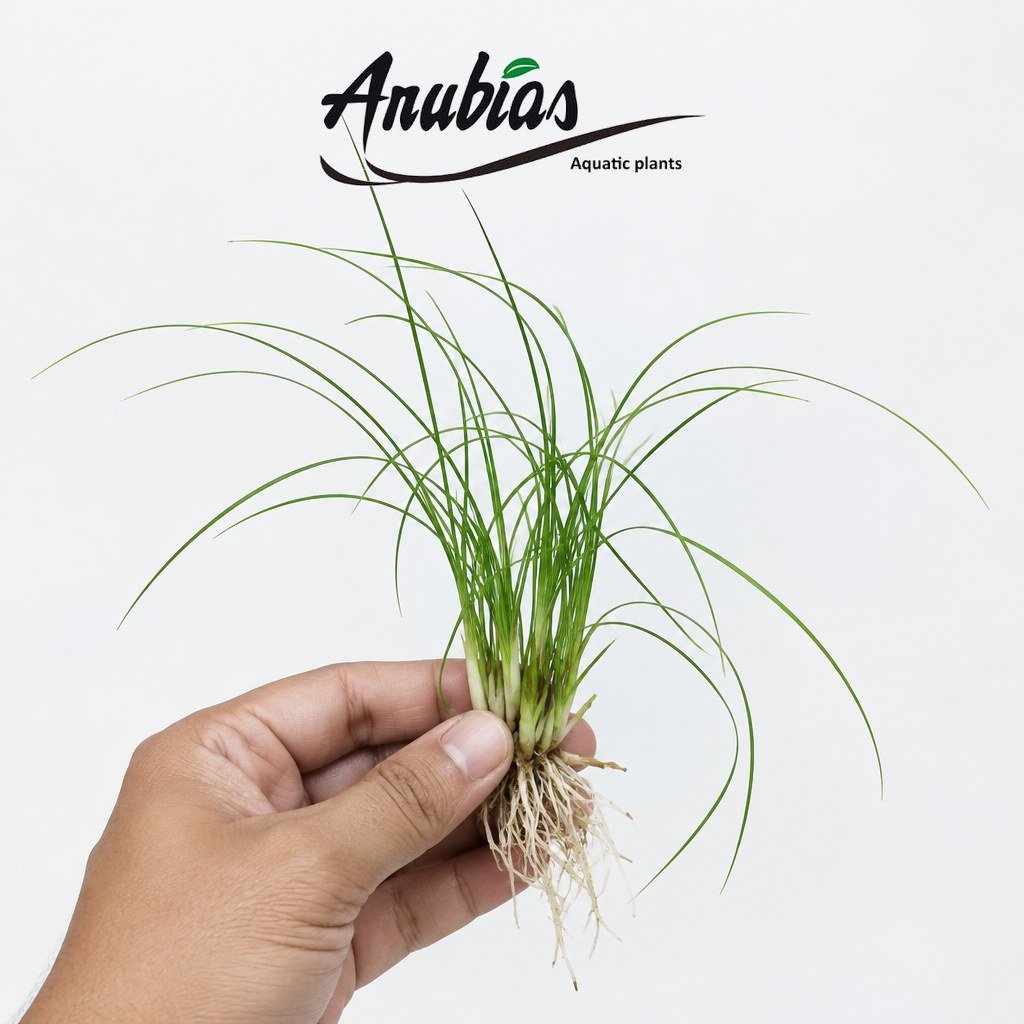
Description
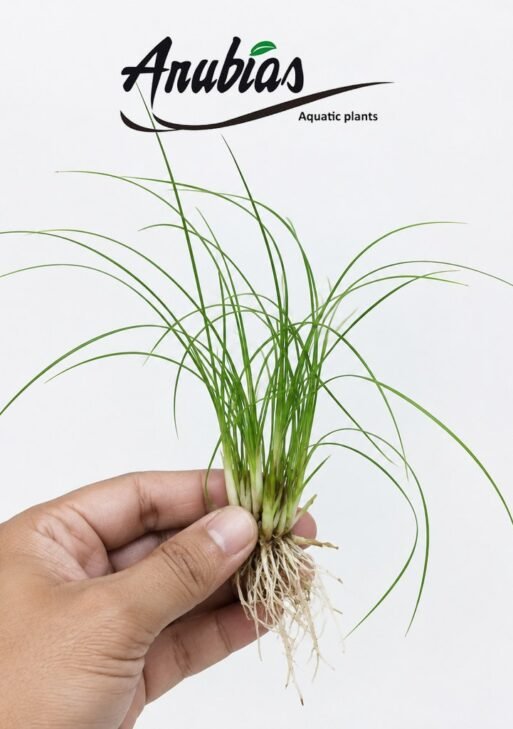
Eleocharis vivipara, the viviparous or umbrella hairgrass, is a tall, feathery spike-rush from the south-eastern United States whose thin green stems grow 20–40 cm and produce small plantlets at their tips, giving the whole plant a cascading, fountain-like look. It is listed among carpeting plants because it belongs to the hairgrass family, but it is not a low carpet: think of it as a tall grass for the midground or background, or a soft screen behind hardscape. It is easy, fast and well suited to Indian low-tech tanks.
Eleocharis vivipara is the hairgrass for hobbyists who want height and movement rather than a mowed lawn. Its plantlets root wherever they touch the substrate, so a single portion gradually becomes a thicket.
Eleocharis vivipara at a glance
| Scientific name | Eleocharis vivipara |
|---|---|
| Family | Cyperaceae (sedges) |
| Origin | South-eastern United States (Florida to Texas) |
| Difficulty | Easy |
| Light | Medium |
| CO2 | Optional |
| Temperature | 18–28 °C |
| pH | 6.0–7.5 |
| Growth rate | Fast |
| Height/size | 20–40 cm, occasionally taller |
| Placement | Midground to background; tall accent |
| Propagation | Plantlets at stem tips; runners; division |
How to plant Eleocharis vivipara
- Rinse the portion and trim away any brown or broken stems at the base.
- Divide it into clumps of five to ten stems, each with roots. Separate any plantlets already formed at the stem tips; these can be planted as new clumps.
- Plant each clump with tweezers so the roots are buried and the white stem bases sit at the substrate surface. Do not bury the crown.
- Space clumps 4–6 cm apart. It spreads both by runners and by plantlets touching down, so gaps close within weeks.
- Sand, fine gravel or aquasoil all work; add root tabs in inert substrates.
- Moderate flow is fine; the long stems sway but anchor well once rooted.
Eleocharis vivipara care: light, CO2, fertiliser and water
Light
Medium light of 30–50 lumens per litre keeps it green and upright. Under lower light it survives but becomes thin and leans; under higher light it grows faster and produces more plantlets. Because it is tall, it reaches the light even in deep tanks and tolerates partial shade from floating plants better than low hairgrass.
CO2
CO2 is optional. Eleocharis vivipara grows well in low-tech tanks, which is one of its main advantages over dwarf hairgrass. With CO2 at 15–25 ppm it grows faster and fuller. It tolerates liquid carbon at standard doses.
Fertiliser
It feeds through roots and stems. A weekly all-in-one liquid fertiliser plus root tabs every two to three months in sand keeps it green. Yellow, translucent stems mean iron or nitrogen shortage; because it grows fast, it uses nutrients quickly.
Water and Indian conditions
It tolerates moderately hard tap water of 6–15 dGH. It prefers temperatures up to 28 °C; in summer heat of 30–32 °C the stems brown at the tips and growth slows, so use a fan and keep the photoperiod moderate. It handles monsoon power cuts well. Keep the stand tidy during water changes by siphoning debris that collects at its base.
Growth, trimming and propagation
Growth is fast, with stems reaching the surface in a 30–40 cm tank within weeks. Trimming is the main maintenance: cut tall stems near the base rather than shortening them, because cut hairgrass tips brown. Remove old, algae-covered stems from the back of the clump every few weeks. The plant propagates itself through plantlets that form at stem tips and root when they touch the substrate; you can also snip plantlets and plant them where you want them. Divide crowded clumps every few months and replant the healthiest sections.
Where to use it in an aquascape
Eleocharis vivipara works from 2-foot tanks of 60–70 litres, where it forms a feathery background, to 4-foot tanks of 250 litres, where a few clumps make a soft screen behind hardscape. It is especially good in jungle and biotope-style layouts and as a spawning site for egg-scattering fish.
Place it behind Cryptocoryne and low carpeting plants, beside driftwood planted with Anubias nana and Java fern, or mixed with stem plants for contrast in texture. It is safe with shrimp, which graze its stems, and with all community fish; its toughness even suits tanks with goldfish or larger barbs that would damage finer plants.
Common problems and fixes
- Brown stem tips: old stems, heat stress or cut ends. Remove whole stems at the base.
- Algae on stems: the long-lived stems collect algae under strong light. Thin the clump, trim the oldest stems and add shrimp.
- Thin, leaning growth: light too low. Move it closer to the light or raise intensity.
- Taking over the tank: plantlets root everywhere. Remove unwanted plantlets before they touch the substrate and divide clumps regularly.
- Yellow stems: iron or nitrogen shortage from fast growth. Dose a complete fertiliser.
What you receive
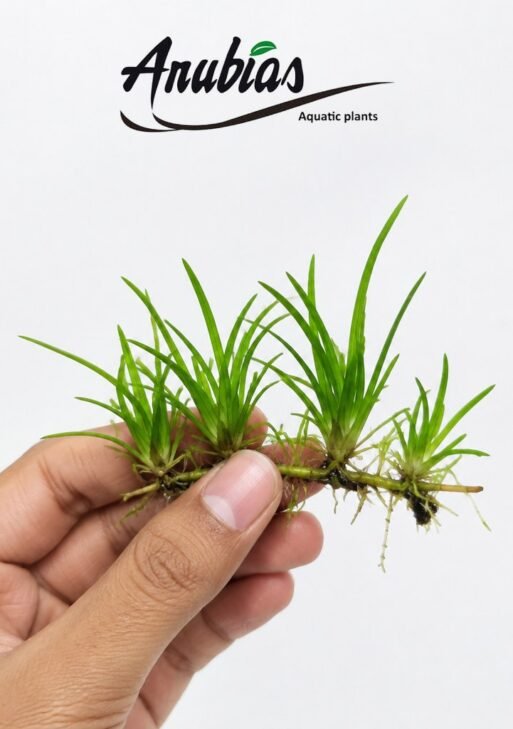
One healthy portion of Eleocharis vivipara in the size you select (Small or Standard), similar to the photo. Each portion is checked before packing, packed moist and shipped across India from Surat. ₹99 shipping, free on orders of ₹999 or more. Live-arrival guarantee: record one continuous unboxing video within 4 hours of delivery, and if the plant has arrived damaged we refund or replace it.
FAQ
Does Eleocharis vivipara need CO2?
No. It grows well in low-tech tanks without CO2; injection only speeds it up.
Is Eleocharis vivipara good for beginners?
Yes. It is one of the easiest hairgrass species, tolerant of hard water and modest light, and needs only regular trimming.
Can Eleocharis vivipara grow in sand?
Yes. Bury the roots with the crown at the surface and add root tabs every few months.
How fast does Eleocharis vivipara grow?
Fast. Stems reach 30–40 cm within weeks and plantlets form continuously at the tips.
Is Eleocharis vivipara a carpet plant?
No. Despite being a hairgrass, it grows 20–40 cm tall and suits the midground or background. For a low carpet, choose dwarf hairgrass or Lilaeopsis instead.
Why does Eleocharis vivipara grow baby plants on its tips?
It is viviparous: it produces plantlets at the stem tips that root when they touch the substrate. This is its natural way of spreading and can be used for propagation.
Not sure what fits your tank? Plan it with our free AI tank planner.










There are no reviews yet.