
Your cart is empty
Return to Shop
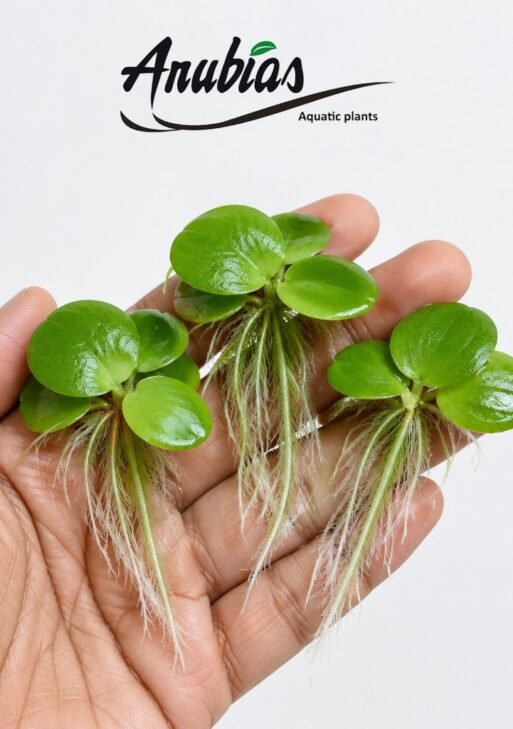
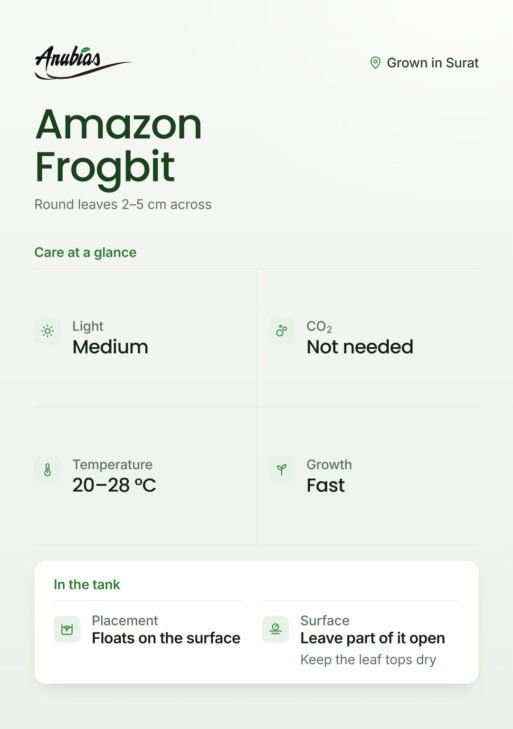
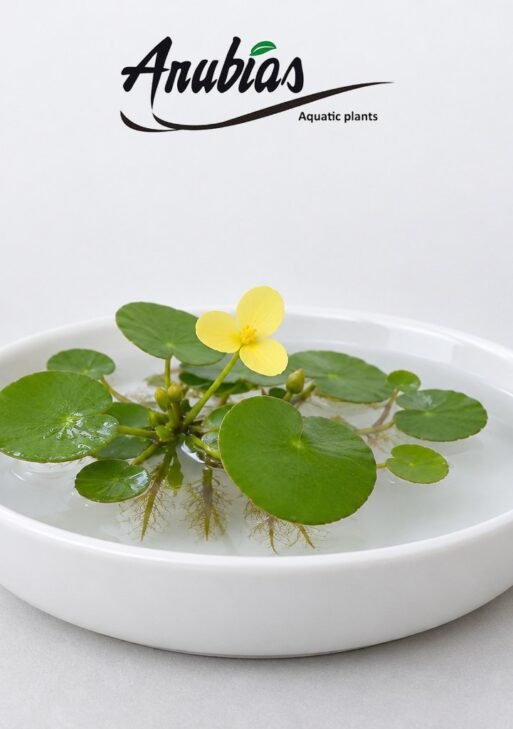
Amazon Frogbit (Limnobium laevigatum)
Price range: ₹70 through ₹90
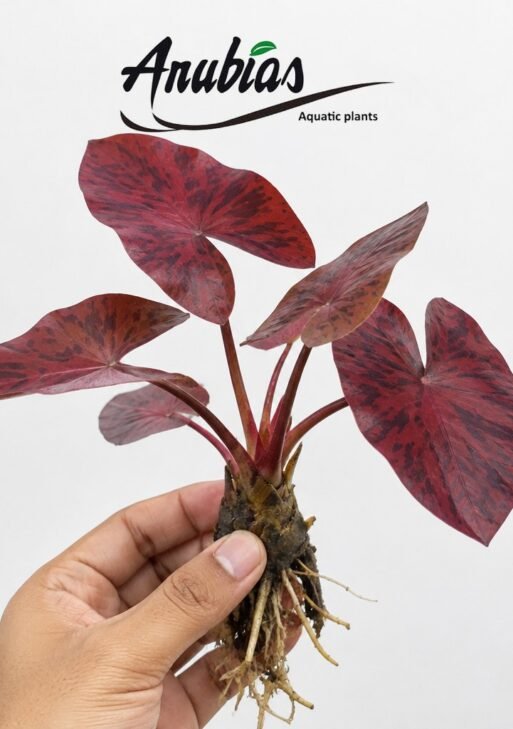
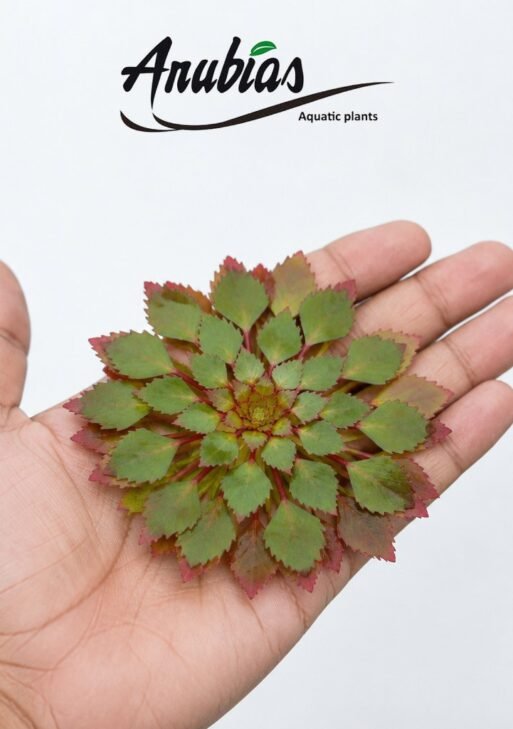
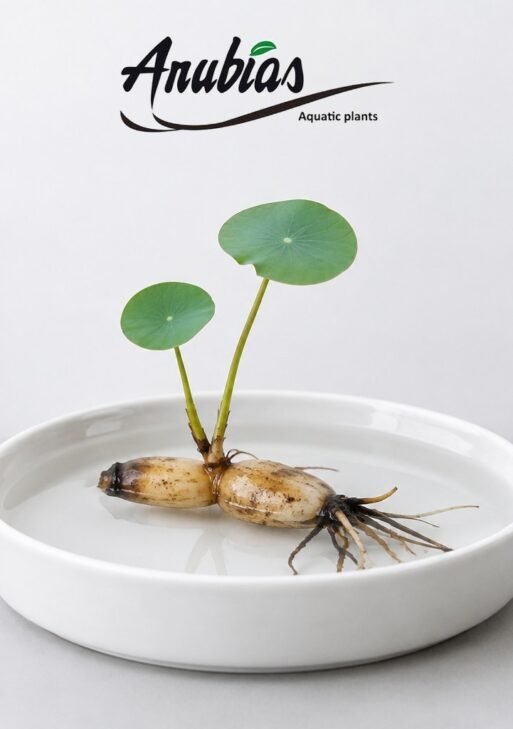
Red Tiger Lotus / Red Water Lily (Nymphaea rubra)
Price range: ₹190 through ₹250
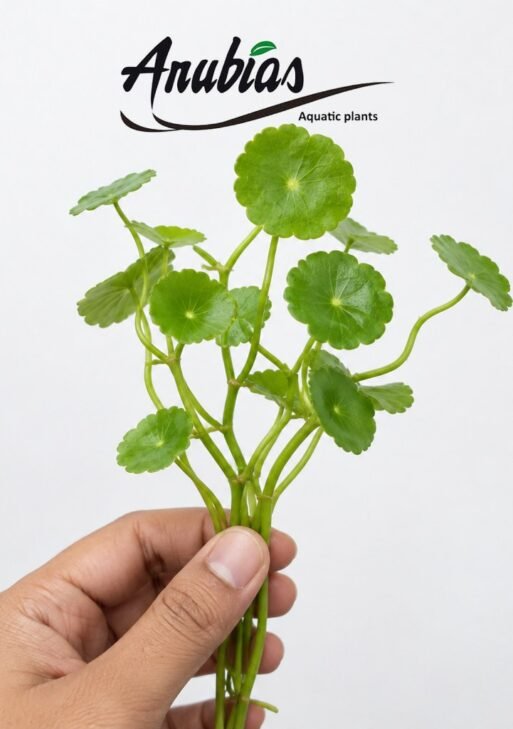
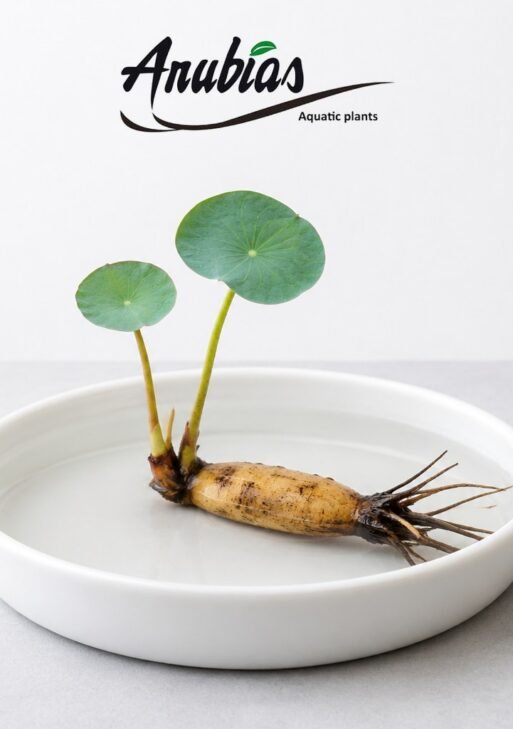
Brazilian Pennywort (Hydrocotyle leucocephala)
Price range: ₹60 through ₹80
Ludwigia Sedioides (Water Mosaic)
Price range: ₹55 through ₹70
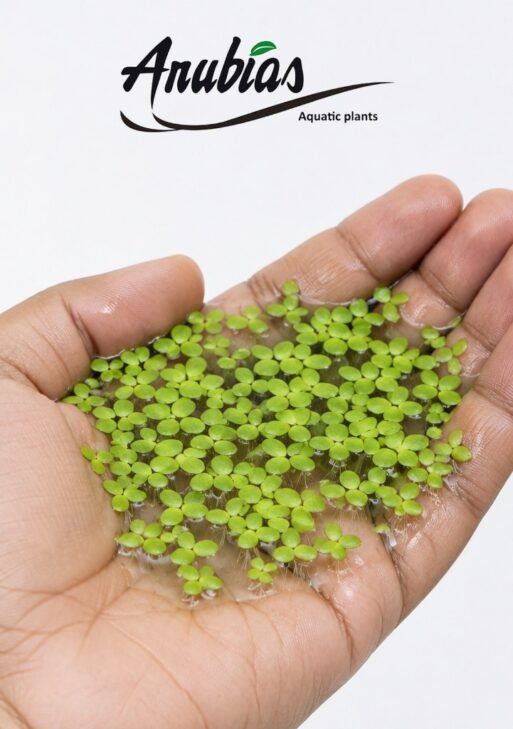
Duckweed (Lemna minor)
Price range: ₹45 through ₹60
Water Poppy (Hydrocleys nymphoides)
Price range: ₹100 through ₹135
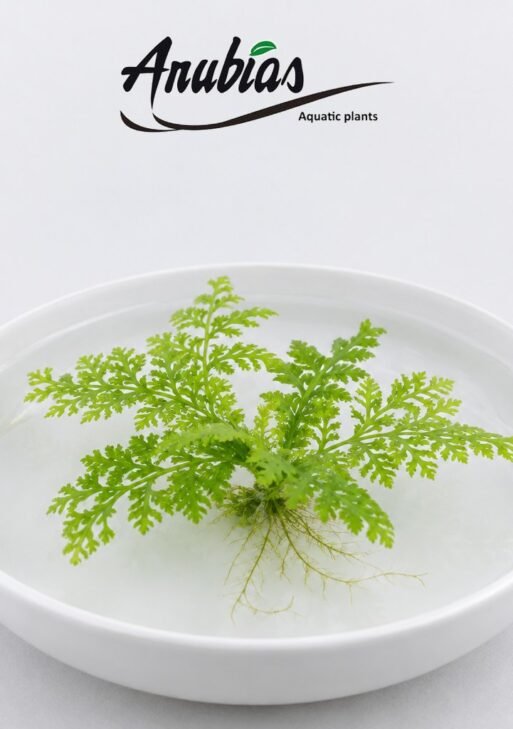
Water Sprite (Ceratopteris thalictroides)
Price range: ₹70 through ₹90
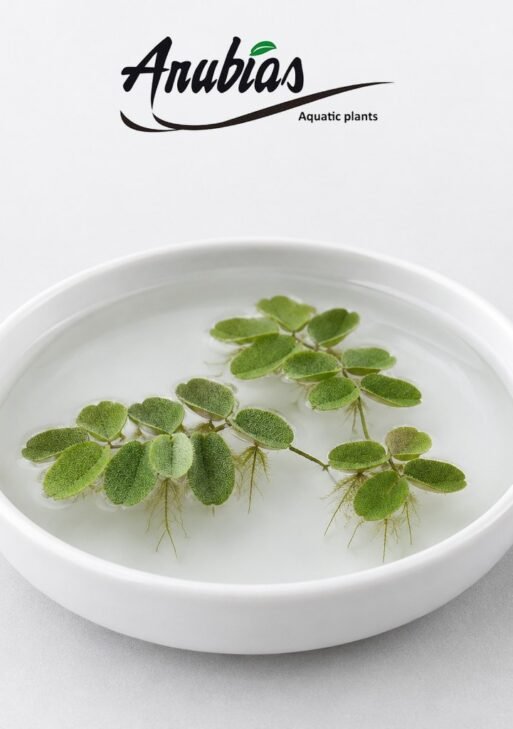
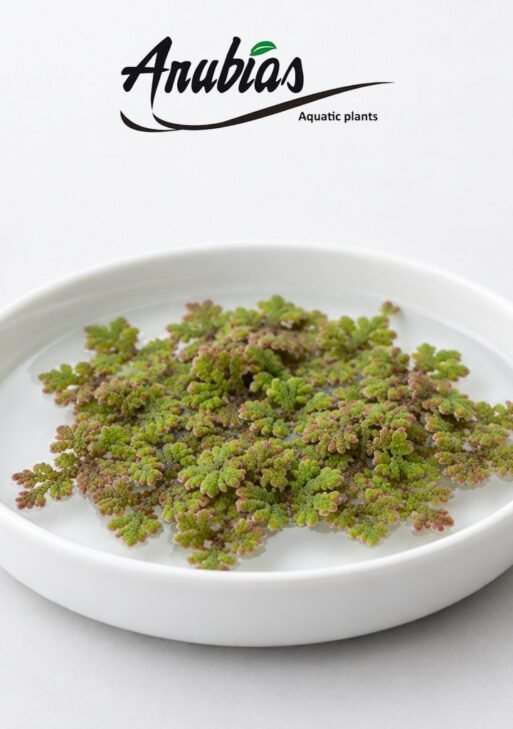
Floating Fern (Salvinia natans)
Price range: ₹55 through ₹70
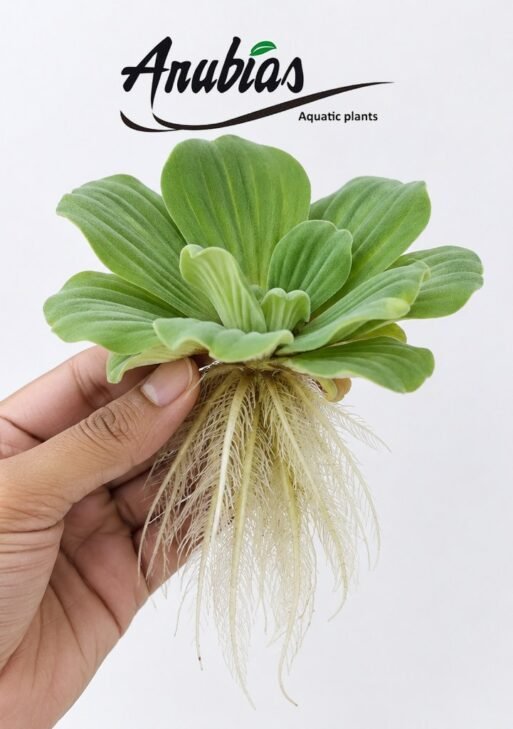
Water Lettuce (Pistia stratiotes)
Price range: ₹70 through ₹90
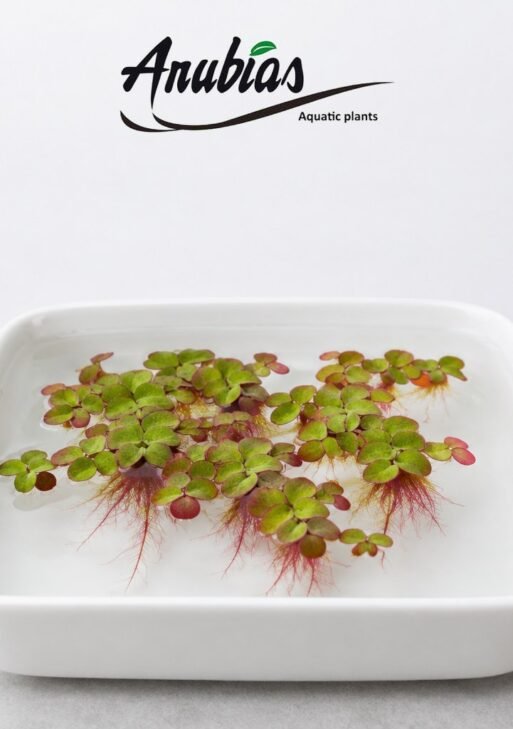
Red Root Floater (Phyllanthus fluitans)
Price range: ₹100 through ₹135
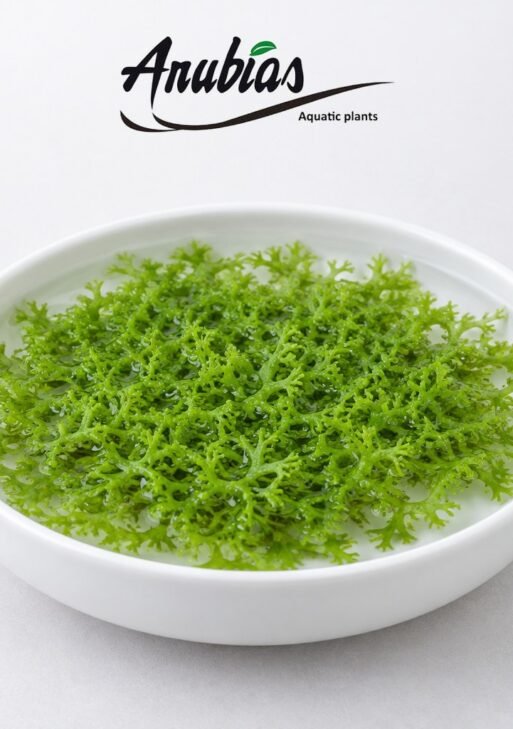
Riccia (Riccia fluitans)
Price range: ₹70 through ₹90
White Lotus (Nelumbo nucifera)
Price range: ₹205 through ₹270
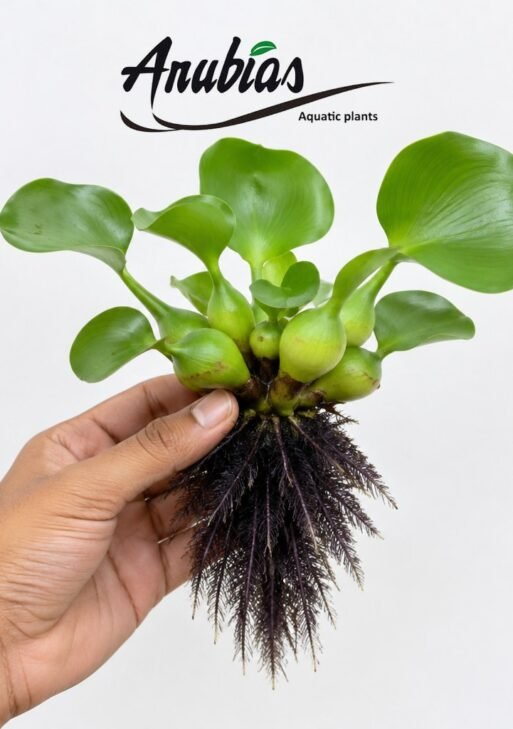
Water Hyacinth (Eichhornia crassipes)
Price range: ₹70 through ₹90
Mosquito Fern (Azolla caroliniana)
Price range: ₹85 through ₹115
Pink Lotus (Nelumbo nucifera)
Price range: ₹205 through ₹270
How to choose floating aquarium plants for your tank
Floating aquarium plants sit on the surface with their roots hanging in the water. They shade the tank, pull nitrates out faster than any rooted plant, give fry and shrimp cover and make a betta feel at home. They need no substrate, no CO2 and, for most species, no special light. This category mixes three different things: true free-floaters for the aquarium, surface plants that root in the substrate and send leaves up, and sun-loving pond and tub plants that are not aquarium plants at all.
The three groups
- Free-floating, for aquariums: Amazon Frogbit, Floating Fern (Salvinia natans), Red Root Floater, Duckweed, Mosquito Fern (Azolla) and Brazilian Pennywort, which can float or be planted.
- Rooted, with surface leaves: Red Tiger Lotus / Red Water Lily (Nymphaea rubra) grows from a bulb in the substrate and sends lily pads to the surface if you let it. Ludwigia Sedioides (Water Mosaic) and Water Poppy root in soil and float their rosettes or leaves; both want strong light, ideally sun, so they belong in a tub or an open-top tank under a bright LED.
- Pond and tub only: Water Hyacinth, Water Lettuce, Pink Lotus and White Lotus (Nelumbo nucifera). Water hyacinth and water lettuce need direct sun and rot under a glass lid from condensation. Lotus is a soil-rooted pond plant that holds its leaves above the water; it will not grow in an aquarium.
Floating plants compared
| Plant | Light | CO2 | Growth | Placement | Difficulty |
|---|---|---|---|---|---|
| Amazon Frogbit (Limnobium laevigatum) | Low–medium | No | Fast | Floating, aquarium or tub | Easy |
| Floating Fern (Salvinia natans) | Medium | No | Fast | Floating, aquarium or tub | Easy |
| Red Root Floater (Phyllanthus fluitans) | Medium–high | No | Moderate | Floating, calm surface | Easy–moderate |
| Duckweed (Lemna minor) | Low | No | Very fast | Floating, anywhere | Easy |
| Mosquito Fern (Azolla caroliniana) | Medium–high | No | Very fast | Floating, open tubs best | Easy |
| Brazilian Pennywort (Hydrocotyle leucocephala) | Low–medium | No | Fast | Floating or planted | Easy |
| Red Tiger Lotus (Nymphaea rubra) | Medium | Optional | Moderate–fast | Bulb in substrate, midground | Easy |
| Ludwigia Sedioides (Water Mosaic) | High or sun | No | Moderate | Rooted, tub or open-top tank | Moderate–hard |
| Water Poppy (Hydrocleys nymphoides) | High or sun | No | Fast | Rooted, tub or pond | Easy–moderate |
| Water Lettuce (Pistia stratiotes) | Sun | No | Fast | Floating, pond or tub | Easy outdoors |
| Water Hyacinth (Eichhornia crassipes) | Full sun | No | Very fast | Floating, pond or tub | Easy outdoors |
| Pink Lotus, White Lotus (Nelumbo nucifera) | Full sun | No | Fast in season | Soil-rooted, pond or tub | Moderate |
How to keep floating aquarium plants in Indian conditions
- Calm the surface. Floaters hate being splashed or pushed under. Point the filter outlet at the glass, lower it below the surface, or fence the plants into one area with a ring of airline tubing.
- Mind the lid. Condensation dripping from a glass lid rots frogbit, red root floater and water lettuce leaves. Leave a gap, use a mesh lid or go open-top.
- Light: floaters sit right under the lamp and get the most light in the tank, so even a basic LED is enough. Red Root Floater turns red only under a stronger light.
- Hard tap water: all of these tolerate pH 7–8 and high GH. They feed from the water column, so a weekly liquid fertiliser keeps leaves green in a lightly stocked tank.
- Summer heat: frogbit, salvinia, duckweed and azolla cope with 30–32 °C. In an outdoor tub, give water lettuce and hyacinth afternoon shade in May and June or the leaves scorch.
- Monsoon: floaters are the plants least bothered by a power cut. Outdoors, heavy rain overflows tubs and washes floaters away, and mosquito larvae breed under dense hyacinth, so keep a few guppies in any tub.
- Thin weekly. Net out a third of the plants every week. A full surface starves the plants below of light and gas exchange.
Best floating plants for beginners, low-tech, betta and nano tanks
- Beginners: Amazon Frogbit. Large enough to net out easily, roots long enough to look good, and it grows in any water.
- Low-tech nitrate control: Salvinia natans and Brazilian Pennywort soak up nutrients in a fish-heavy tank without CO2.
- Betta tanks: bettas build bubble nests under floating leaves and rest in the roots. Frogbit and Salvinia are ideal; avoid duckweed, which sticks to the betta's body at feeding time.
- Nano and shrimp tanks: Red Root Floater for colour and Salvinia for cover.
- Balcony tubs: Water Lettuce, Water Hyacinth and a Pink Lotus in a soil pot make a sunlit tub garden.
Keep invasive floaters responsibly
Water hyacinth, water lettuce, duckweed, salvinia, azolla and frogbit are among the most invasive aquatic plants in the world, and several already choke Indian lakes and canals. Never release surplus plants into drains, ponds, rivers or lakes, and never tip tank water containing duckweed into a storm drain. Dry extra plants in the sun or compost them, and keep outdoor tubs where rain overflow cannot carry plants away.
Common mistakes
- Buying water hyacinth or lotus for an indoor tank. They need sun and fail indoors. Keep them in a tub or pond.
- Strong surface flow. Frogbit and red root floater sink and rot when pushed under. Slow the flow or fence them.
- Letting the surface close over. Plants below yellow and fish gasp at dawn. Thin weekly.
- Introducing duckweed by accident. It arrives on other plants and never leaves. Decide deliberately whether you want it.
How we pack and ship
Every portion is checked before packing, packed moist and shipped across India from Surat. Shipping is ₹99 shipping, free on orders of ₹999 or more. Live-arrival guarantee: record one continuous unboxing video within 4 hours of delivery and, if a plant has arrived dead, we refund or replace it.
Growing in a terrace tub or garden pond instead of a tank? See our pond and tub plants: water lilies, lotus, Nuphar and water poppy.
New in stock: riccia and water sprite for a soft floating layer, plus hornwort, which can simply float.
Frequently Asked Questions
Will floating plants block too much light from my other plants?
If they cover the whole surface, yes. Thin them weekly, or keep them to one area with a floating ring of airline tubing, so light still reaches the plants below. Anubias, crypts and ferns actually prefer the dappled shade.How do I stop floating plants from taking over the tank?
Once established, net out the extra every week. Frogbit, Salvinia and Pennywort are easy to thin by hand. Duckweed and Azolla spread fastest, so remove them more often if you do not want full surface coverage, and dry the surplus rather than putting it down a drain.Are all the plants in this category free-floating?
No. Duckweed, Amazon Frogbit, Salvinia, Azolla, Water Lettuce and Water Hyacinth float freely with their roots hanging in the water. Red Tiger Lotus, Water Mosaic (Ludwigia sedioides) and Water Poppy root in the substrate and send leaves to the surface. Lotus (Nelumbo) roots in soil and holds its leaves above the water. Brazilian Pennywort can be floated or planted.Which floating aquarium plants are good for a betta fish?
Amazon Frogbit, Salvinia natans and Red Root Floater. Their leaves give a betta shade and a place to build a bubble nest, and their roots give it somewhere to rest. Avoid duckweed, which clings to the betta and clogs the surface it breathes from.Can I grow water hyacinth, water lettuce or lotus in an aquarium?
Not successfully. Water hyacinth and water lettuce need direct sun and dry air above the leaves; under a lid and LED they rot within weeks. Lotus (Nelumbo nucifera) is a soil-rooted pond plant that grows above the water. All three are for balcony tubs, terrace ponds and garden ponds.Why is my Red Root Floater not red?
Light. Phyllanthus fluitans colours up only under a strong light with the leaves kept dry; under a basic LED or a dripping lid it stays green. Keeping nitrates low and dosing iron helps.Do floating plants reduce nitrates and algae?
Yes. With unlimited CO2 from the air and the strongest light in the tank, floaters are the fastest nutrient sponges you can keep. A surface a third covered with Frogbit or Salvinia noticeably reduces nitrate build-up between water changes.Is it safe to release extra floating plants into a pond or lake?
No. Water hyacinth, water lettuce, duckweed, salvinia and azolla are invasive and already damage Indian waterways. Dry surplus plants in the sun, compost them or give them to another hobbyist. Never put them in drains, ponds, rivers or lakes.Not sure what fits your tank? Plan it with our free AI tank planner.