










Your cart is empty
Return to Shop
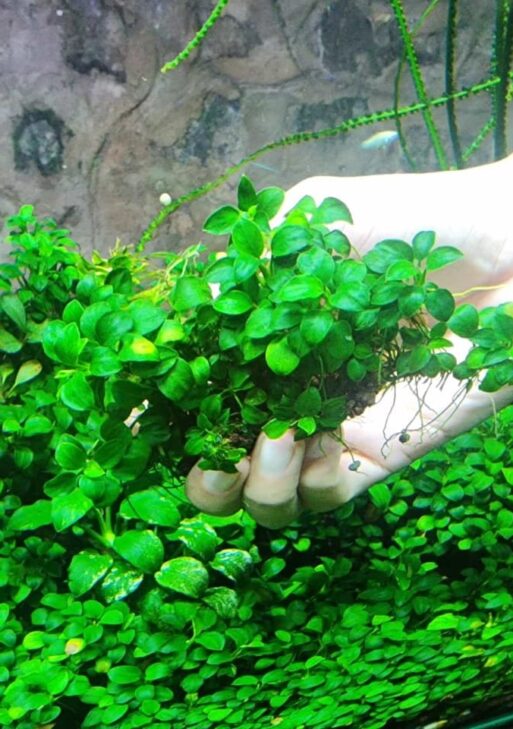
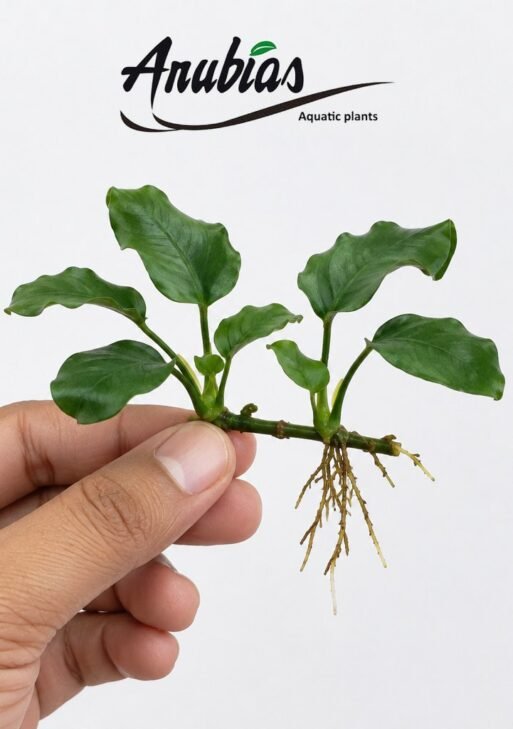
Anubias Nana Petite
Price range: ₹45 through ₹250
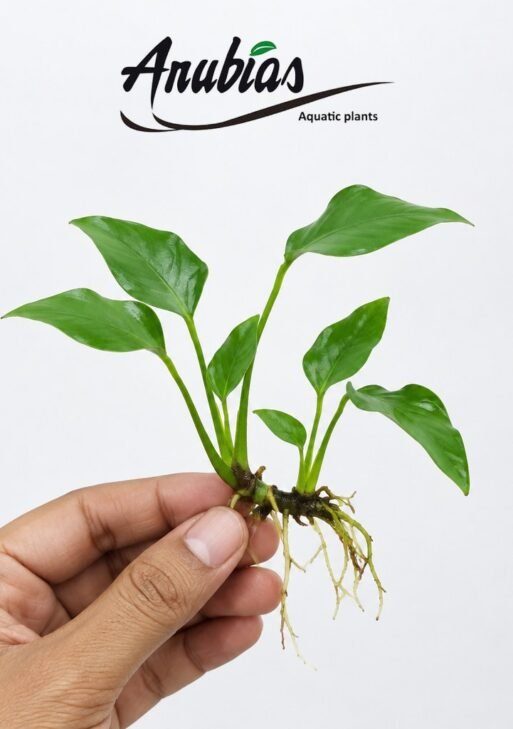
Anubias Barteri var. glabra
Price range: ₹45 through ₹250
Anubias Nana
Price range: ₹45 through ₹250
Anubias 'Dragon Claw'
Price range: ₹45 through ₹250
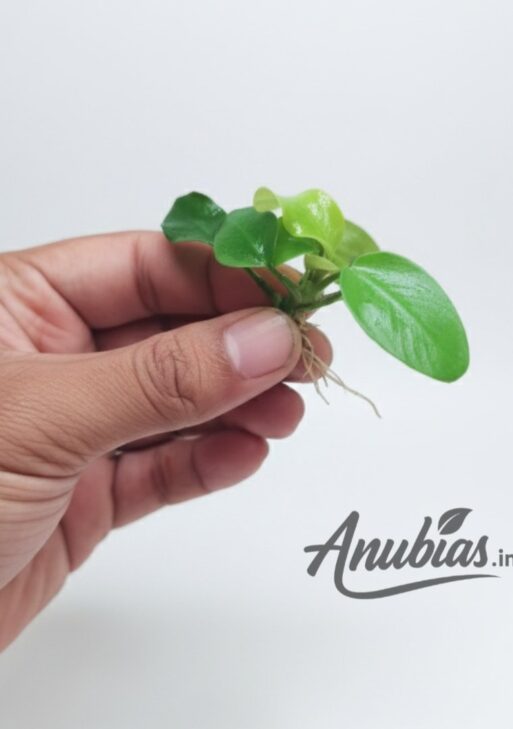
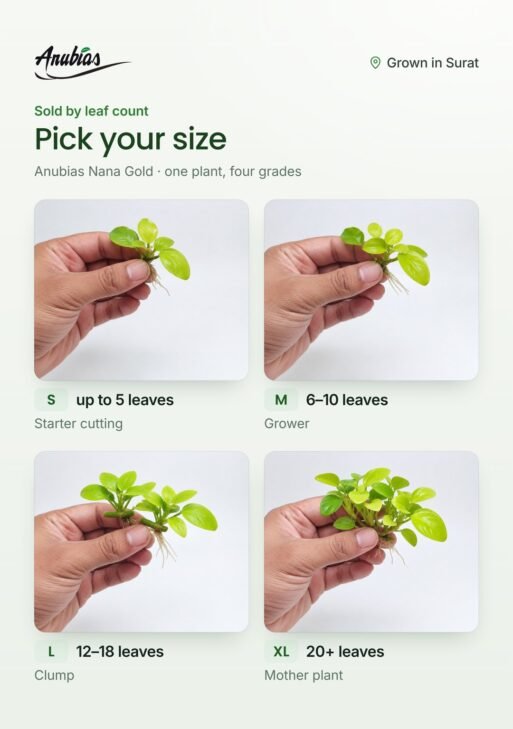
Anubias Nana Gold
Price range: ₹45 through ₹250
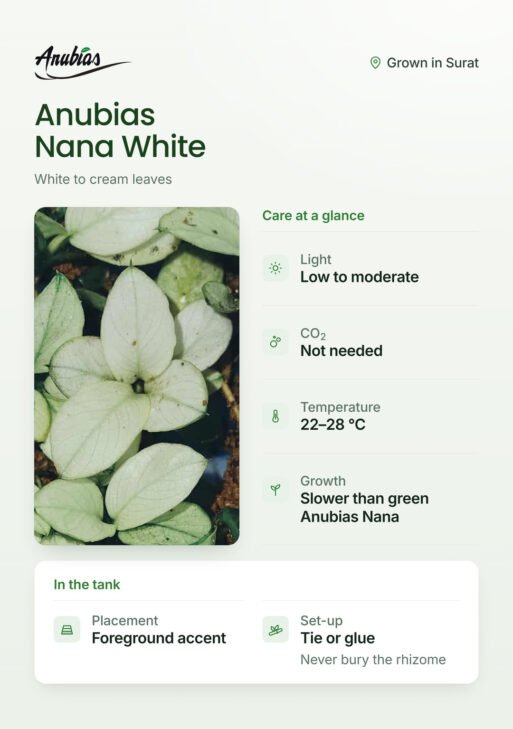
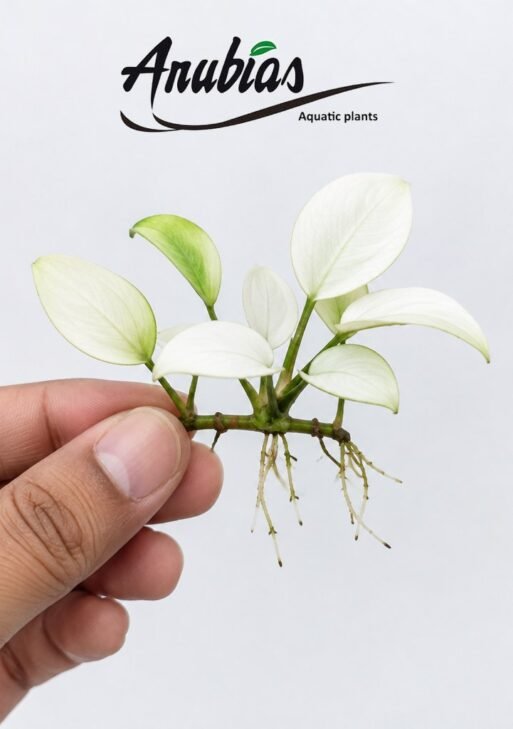
Anubias Nana White
Price range: ₹235 through ₹310
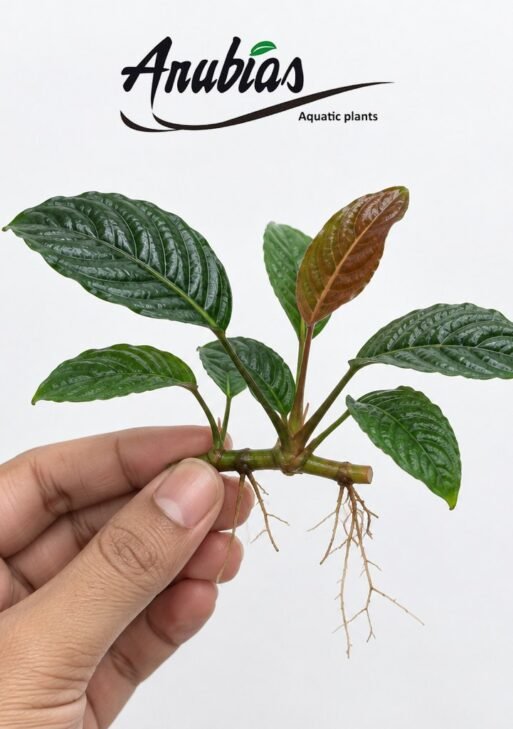
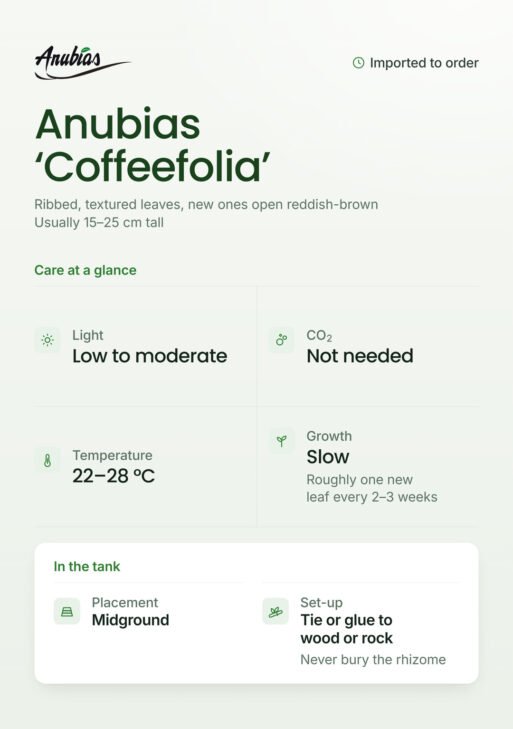
Anubias 'Coffeefolia'
Price range: ₹190 through ₹250
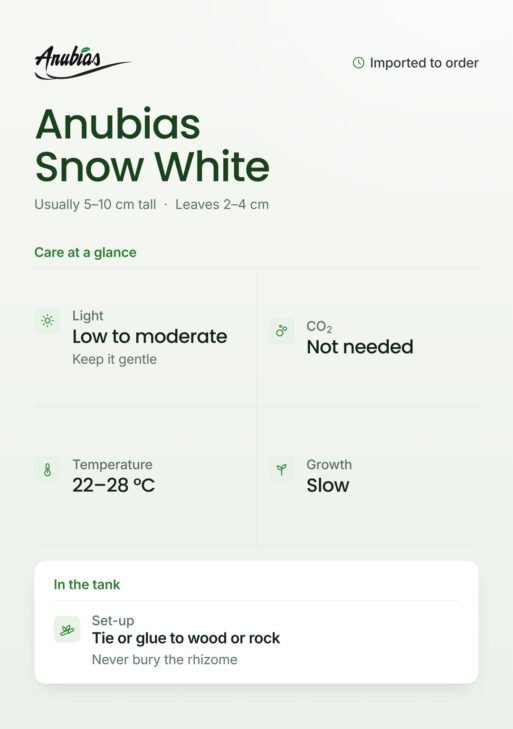
Anubias Snow White
Price range: ₹315 through ₹420
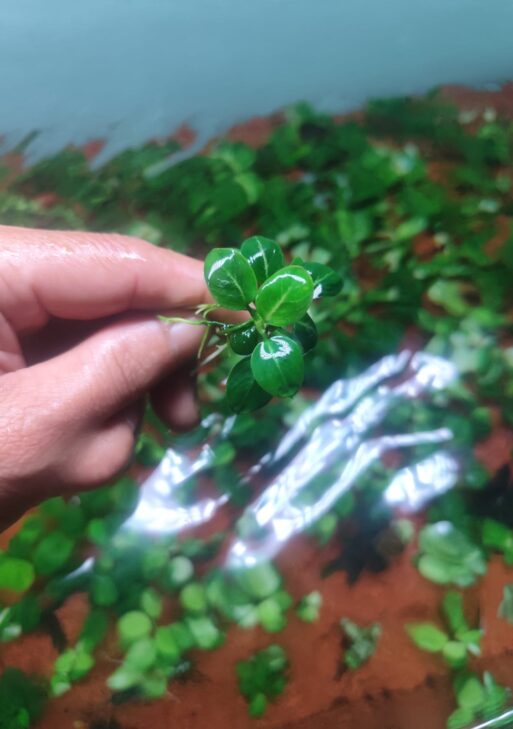
Anubias barteri 'Coin Leaf'
Price range: ₹205 through ₹270
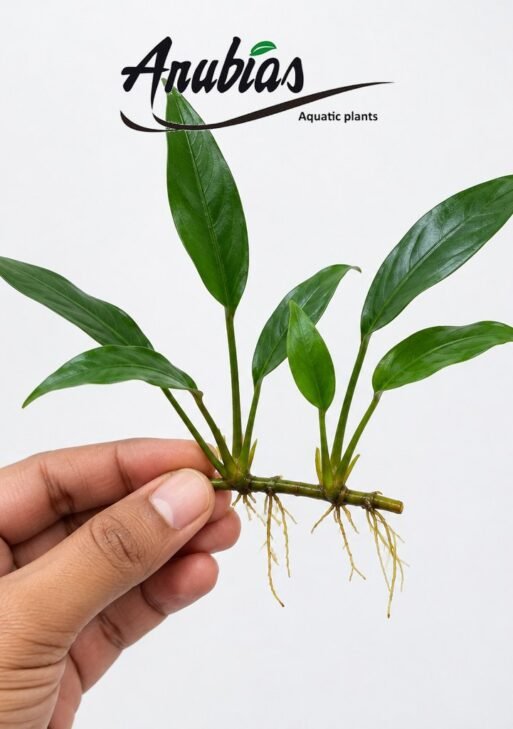
Anubias heterophylla
Price range: ₹270 through ₹360
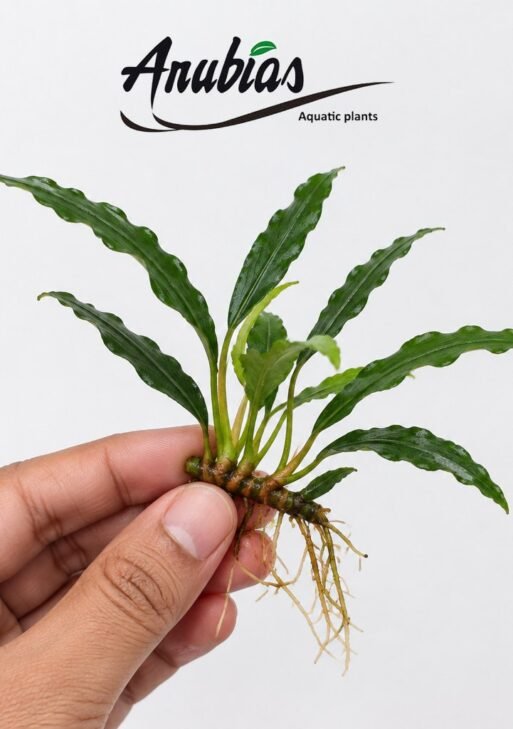
Anubias nana 'long wavy'
Price range: ₹270 through ₹360
Anubias gracilis
Price range: ₹170 through ₹225
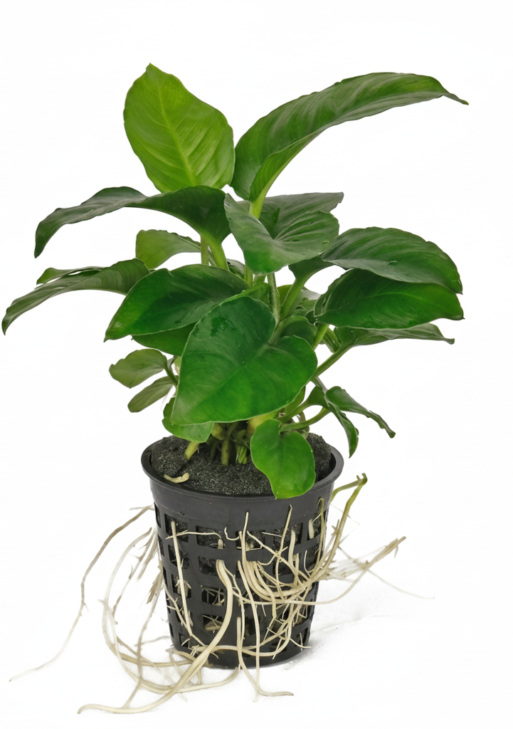
Anubias Congensis
Price range: ₹150 through ₹200
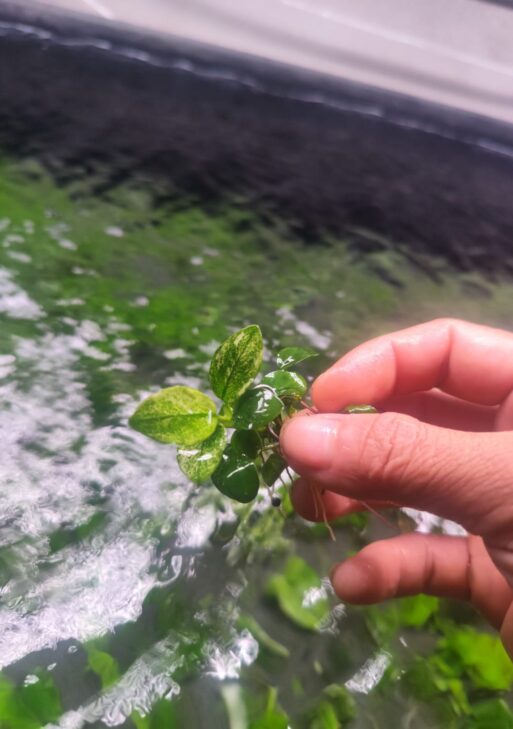
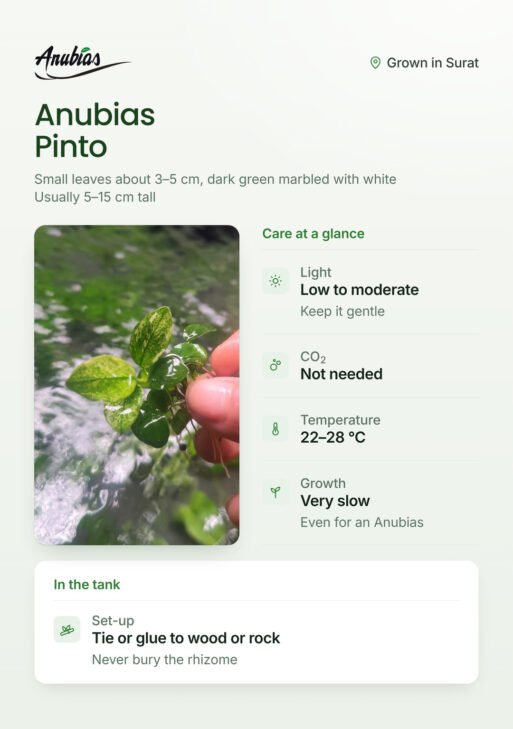
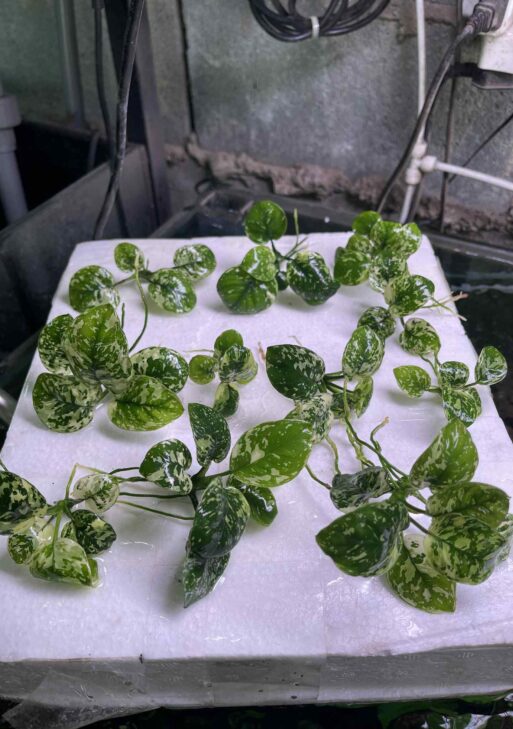
Anubias Pinto
Price range: ₹235 through ₹310
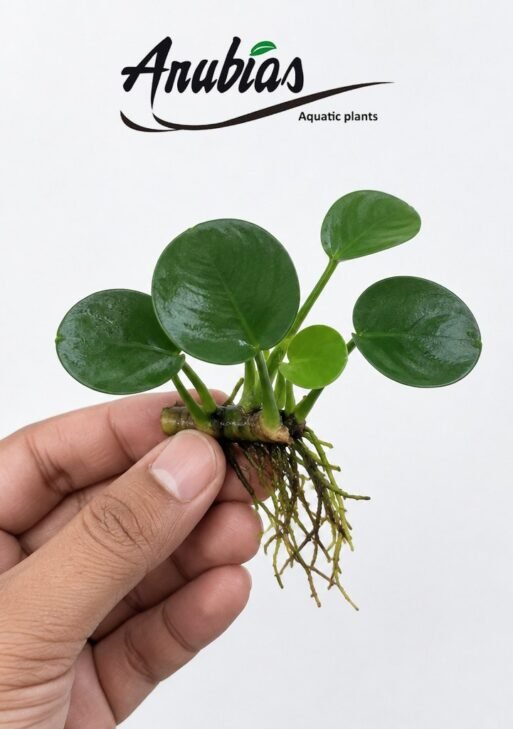
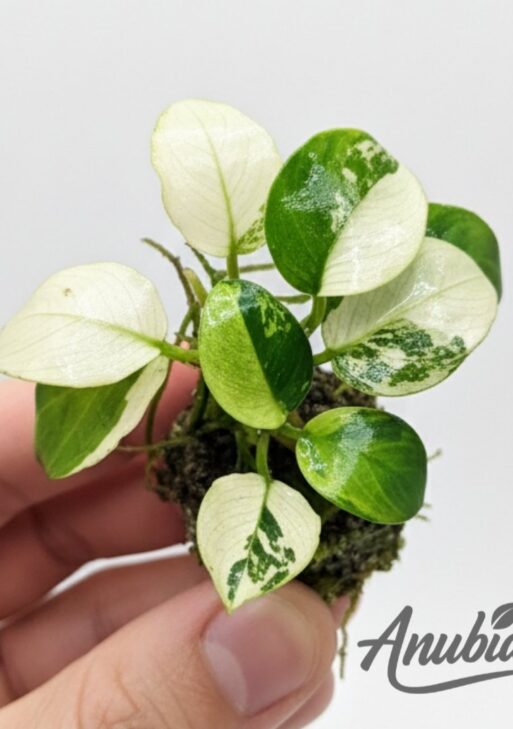
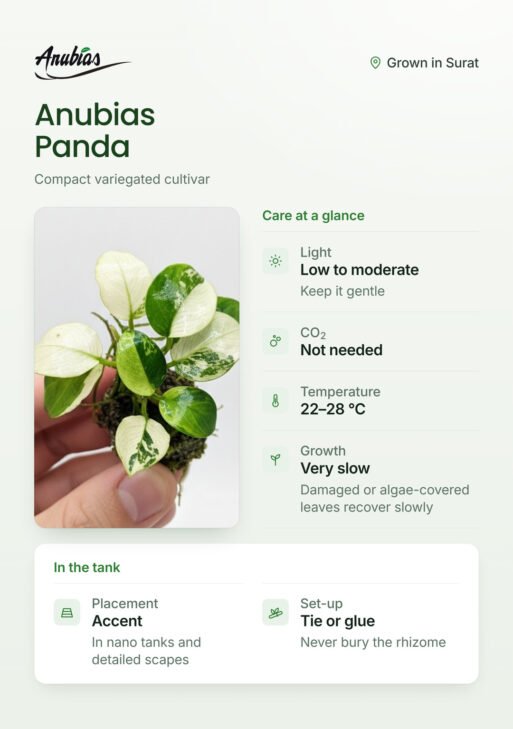
Anubias Panda
Price range: ₹940 through ₹1,250
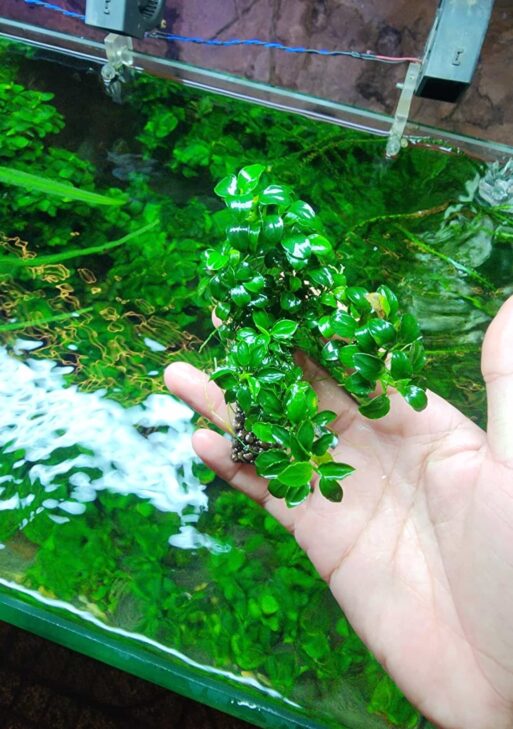
Anubias Nana Petite Clump
₹1,850 ₹2,405
Anubias Butterfly
Price range: ₹195 through ₹260
Anubias Stardust
Price range: ₹825 through ₹1,100
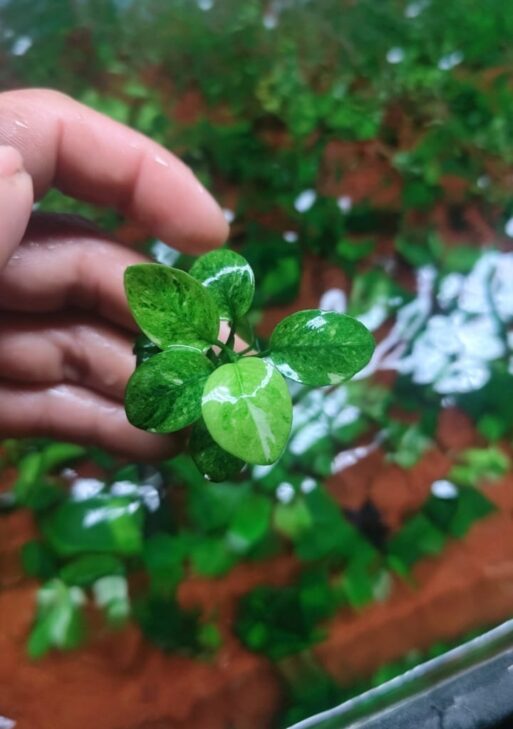
Anubias Marble
Price range: ₹1,015 through ₹1,350
Anubias Var King
Price range: ₹1,240 through ₹1,650
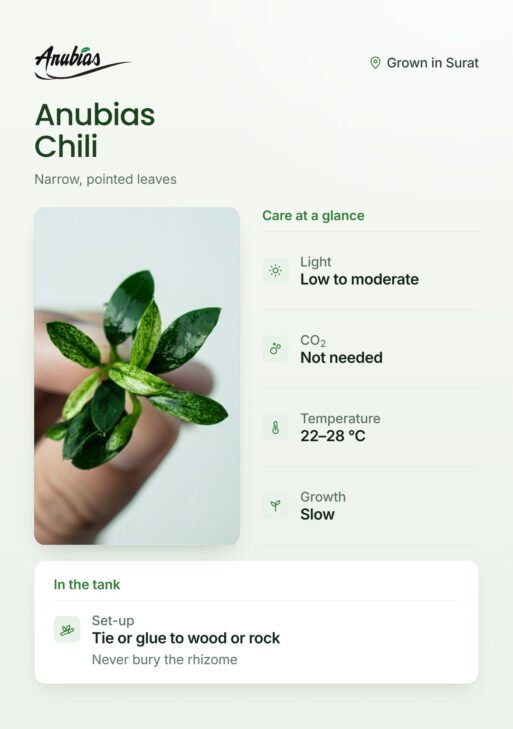
Anubias Chili
Price range: ₹235 through ₹310
Anubias buying guide: how to choose the right anubias plant for your tank
Anubias is the aquarium plant most Indian hobbyists start with. It is a slow-growing rhizome plant from West and Central Africa that grows attached to wood or rock rather than in the substrate, tolerates hard tap water, low light and no CO2, and shrugs off the mistakes that kill fussier plants. The hard part is choosing between the twenty-plus anubias varieties listed above. This guide sorts them by size and colour.
Choose by size first
- Nano and foreground (under 5 cm): Anubias Nana Petite and the ready-made Anubias Nana Petite Clump are the smallest. They sit on tiny driftwood pieces, stones and nano-tank hardscape without ever taking over.
- Midground (5–15 cm): Anubias Nana is the classic all-rounder. Anubias barteri 'Coin Leaf', Anubias Butterfly, Anubias 'Dragon Claw', Anubias nana 'long wavy' and Anubias 'Coffeefolia' all stay in this range but add a distinct leaf shape.
- Background (15 cm and taller): Anubias Barteri var. glabra, Anubias heterophylla, Anubias Congensis, Anubias gracilis and Anubias Var King grow into big, upright plants that fill the back of a 3-foot tank or a paludarium.
Then choose by colour
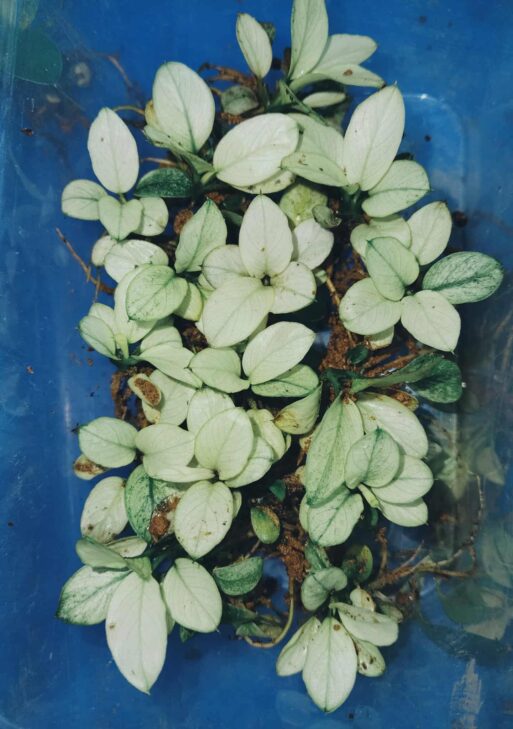
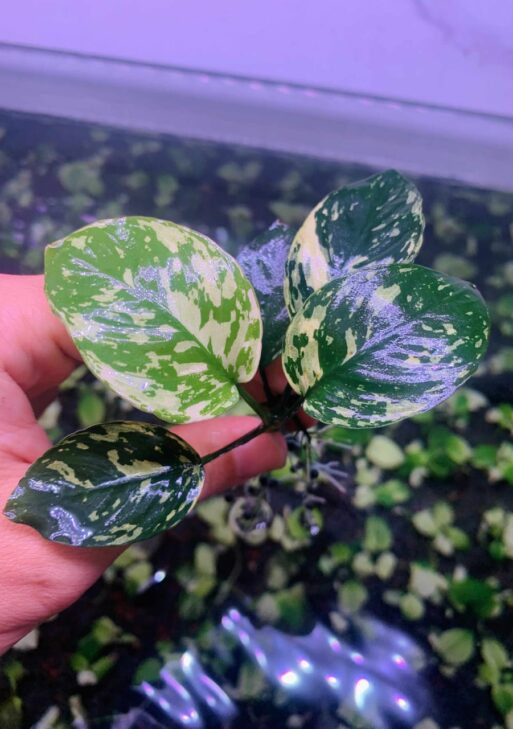
Plain green anubias is the easiest. Variegated and white forms carry less chlorophyll, so they grow even more slowly and need slightly more light and steady nutrients to hold their pattern. In order from easiest to most demanding: Anubias Nana Gold (lime-yellow leaves), Anubias Chili (reddish-tinted new leaves), Anubias Marble and Anubias Stardust (green with white marbling or speckles), Anubias Pinto and Anubias Panda (bold white-and-green sectors), then Anubias Nana White and Anubias Snow White, which are almost entirely white and best kept by hobbyists who already run a stable planted tank.
Anubias varieties compared
| Plant | Light | CO2 | Growth | Placement | Difficulty |
|---|---|---|---|---|---|
| Anubias Nana Petite | Low | No | Very slow | Foreground, nano hardscape | Easy |
| Anubias Nana Petite Clump | Low | No | Very slow | Foreground | Easy |
| Anubias Nana | Low | No | Slow | Fore/midground | Easy |
| Anubias barteri 'Coin Leaf' | Low | No | Slow | Midground | Easy |
| Anubias Butterfly | Low | No | Slow | Midground | Easy |
| Anubias 'Dragon Claw' | Low | No | Slow | Midground | Easy |
| Anubias nana 'long wavy' | Low | No | Slow | Midground | Easy |
| Anubias 'Coffeefolia' | Low | No | Slow | Midground | Easy |
| Anubias Barteri var. glabra | Low | No | Slow | Background | Easy |
| Anubias heterophylla | Low | No | Slow | Background, paludarium | Easy |
| Anubias Congensis | Low | No | Slow | Background | Easy |
| Anubias gracilis | Low–medium | No | Slow | Background | Easy |
| Anubias Var King | Low | No | Slow | Background | Easy |
| Anubias Nana Gold | Low–medium | No | Slow | Fore/midground | Easy |
| Anubias Chili | Low–medium | No | Slow | Fore/midground | Easy |
| Anubias Marble | Low–medium | No | Slow | Midground | Easy–moderate |
| Anubias Stardust | Low–medium | No | Slow | Midground | Easy–moderate |
| Anubias Pinto | Medium | No | Very slow | Midground | Moderate |
| Anubias Panda | Medium | No | Very slow | Midground | Moderate |
| Anubias Nana White | Medium | No | Very slow | Fore/midground | Moderate–hard |
| Anubias Snow White | Medium | No | Very slow | Fore/midground | Hard |
How to plant and care for anubias in Indian conditions
- Never bury the rhizome. The thick horizontal stem must sit in open water. Tie it to driftwood or rock with cotton thread or fishing line, or use a drop of cyanoacrylate gel glue on a dry spot of the hardscape. The roots will grip within a few weeks.
- Or wedge it. Push the rhizome between two stones or into a crack in the wood. The roots can go into substrate; the rhizome cannot.
- Light: a basic LED on 6–8 hours a day is enough. Too much light grows algae on the slow leaves, so place anubias in the shadier parts of a bright tank.
- Water: hard municipal tap water (pH 7–8, high GH) suits anubias well. Dechlorinate and keep up weekly 25–30% water changes.
- Heat: Indian summers push uncovered tanks to 30–32 °C. Anubias tolerates it, but growth slows and leaves can yellow. A small clip fan over the surface drops the temperature by 2–3 °C.
- Power cuts: because anubias needs no CO2 and little light, a monsoon power cut of several hours does not harm it. Keep the fish load reasonable so oxygen stays up.
- Feeding: a liquid fertiliser once a week keeps new leaves large and dark; it is optional in a fish-stocked tank.
Best anubias for beginners, low-tech, betta and nano tanks
- Beginners: Anubias Nana. Forgiving, affordable and available in sizes from XS up, it is the plant to learn on.
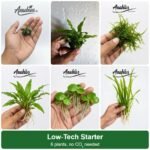
- Low-tech, no-CO2 tanks: any green variety. Pair Anubias Barteri var. glabra at the back with Nana in front for a complete, maintenance-free scape.
- Betta tanks: bettas rest on broad leaves near the surface. Coin Leaf, Butterfly and Coffeefolia have the wide, sturdy leaves a betta likes, and all three cope with a heated, filtered 20-litre tank.
- Nano tanks (under 30 litres): Anubias Nana Petite on a small stone, or Petite Clump for instant coverage.
Common mistakes with anubias
- Burying the rhizome. The number one killer. A buried rhizome turns soft and brown within weeks. If it happens, cut away the rotten section and re-attach the firm green part.
- Too much light. Green spot algae and black beard algae on old anubias leaves almost always mean the plant is sitting under a strong light with nothing to shade it. Move it, or add floating plants above it.
- Expecting fast growth. One new leaf every two to four weeks is normal.
- Panicking at melt. A new plant may shed an old leaf or two while it adjusts to your water. If the rhizome is firm, leave it alone.
How we pack and ship anubias
Every plant is checked before packing, packed moist and shipped across India from Surat. Shipping is ₹99 shipping, free on orders of ₹999 or more. Live-arrival guarantee: record one continuous unboxing video within 4 hours of delivery and, if a plant has arrived dead, we refund or replace it.
Frequently Asked Questions
Does Anubias need CO2 or high light?
No. Anubias is one of the few aquarium plants that grows reliably without CO2 or strong lighting. Low to medium light on a 6–8 hour timer is enough, which is why it is the standard beginner recommendation. Strong light mainly grows algae on the leaves.Can I plant Anubias in substrate?
Only the roots. The rhizome (the thick horizontal stem the leaves grow from) must stay above the substrate or it will rot. Tie or glue it to driftwood or rock, or push just the roots into the substrate and leave the rhizome sitting on top.Why is my new Anubias melting or turning translucent?
A new plant can lose an older leaf or two while it settles into different water, especially leaves that grew out of water (emersed) and are adjusting to life underwater. Check the rhizome: if it is firm and green, the plant will recover and grow new leaves. If it is soft or mushy, usually from being buried, trim off the rotten part and attach the healthy section to wood or rock.How fast does Anubias grow?
Slowly. Expect one new leaf every two to four weeks for green varieties, and slower for white or variegated forms such as Pinto, Panda and Snow White. This is normal and part of why anubias is such a low-maintenance plant.Which Anubias is best for a betta fish tank?
Varieties with broad, firm leaves near the surface: Anubias Nana, Coin Leaf, Butterfly and Coffeefolia. Bettas rest on the leaves and use them to break the surface flow. All of them survive the 26–30 °C a betta tank is kept at, and none need CO2.What is the difference between Anubias Nana and Anubias Nana Petite?
Size. Anubias Nana grows leaves of 5–8 cm and forms a plant 10–15 cm across; Nana Petite has leaves of 1–3 cm and stays under 5 cm tall. Petite is the choice for nano tanks and small hardscape, Nana for anything larger. Care is identical.Can Anubias grow in hard tap water without a heater?
Yes. Anubias is happy in the hard, alkaline tap water most Indian cities supply, and it does well between 22 and 30 °C, so it needs no heater outside the coldest north Indian winter weeks.Can Anubias grow out of water?
Yes. Anubias grows emersed in high humidity and is a staple of paludariums. Keep the roots wet and the leaves in humid air; expect thicker, tougher leaves than it grows underwater.Not sure what fits your tank? Plan it with our free AI tank planner.

