





Your cart is empty
Return to Shop
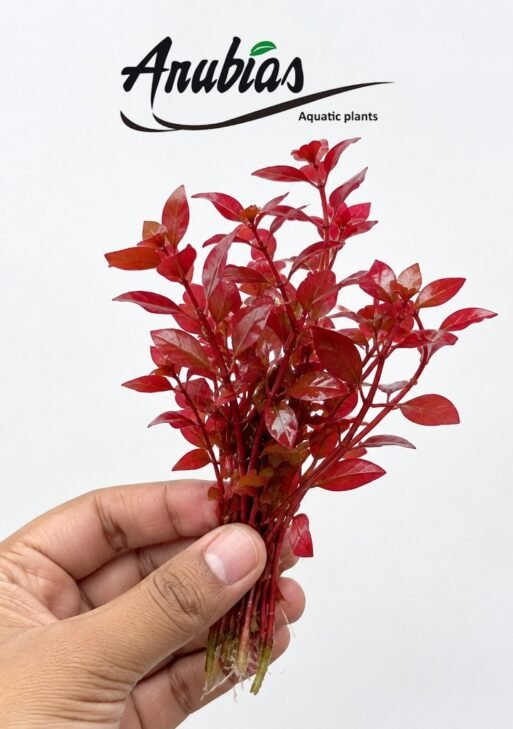
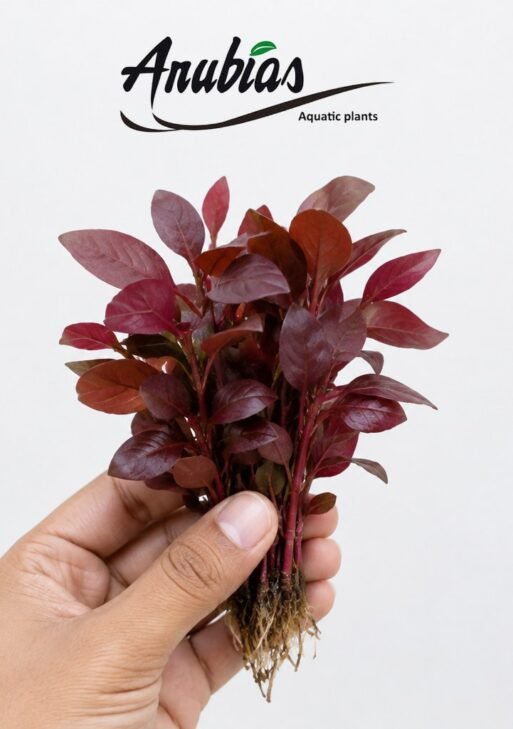
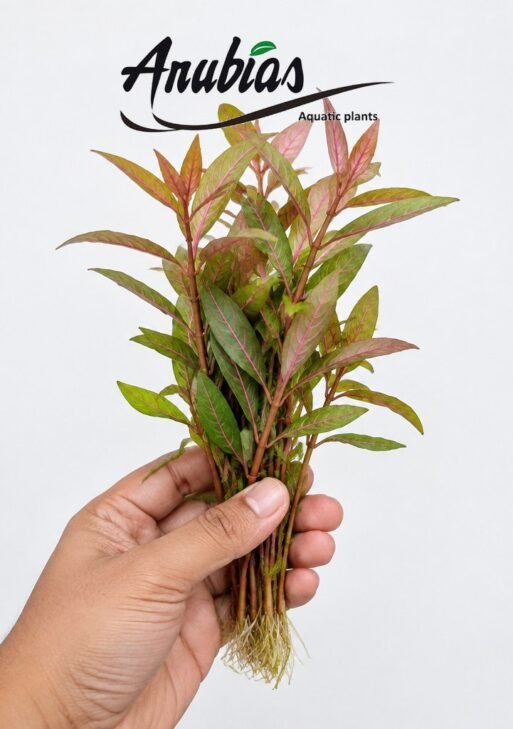
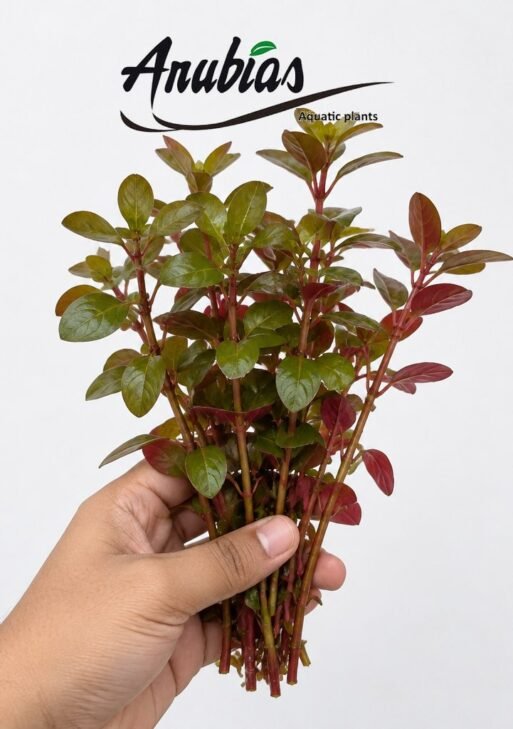
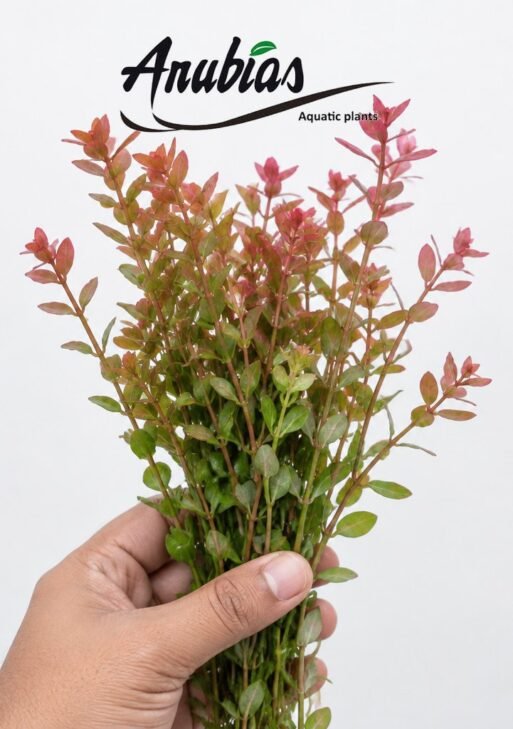
Ludwigia 'Mini Super Red'
Price range: ₹70 through ₹90
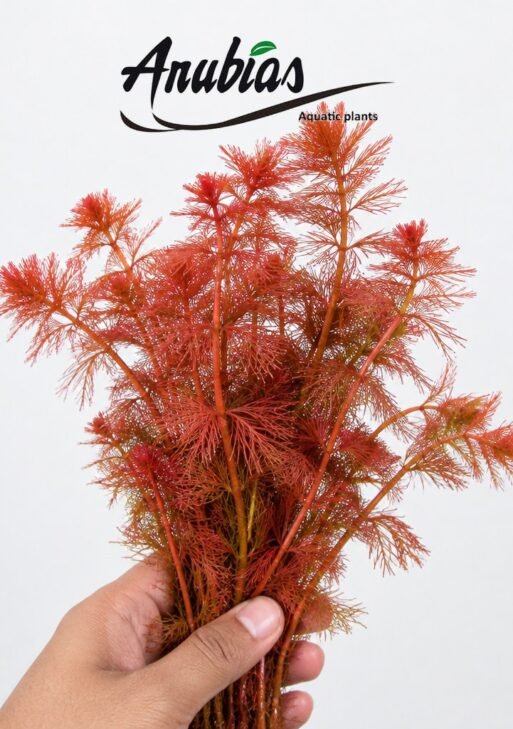
Hornwort (Ceratophyllum demersum)
Price range: ₹45 through ₹60
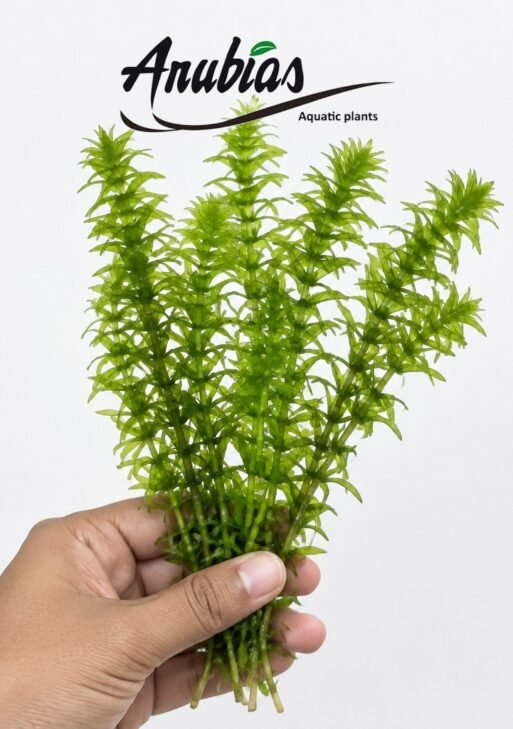
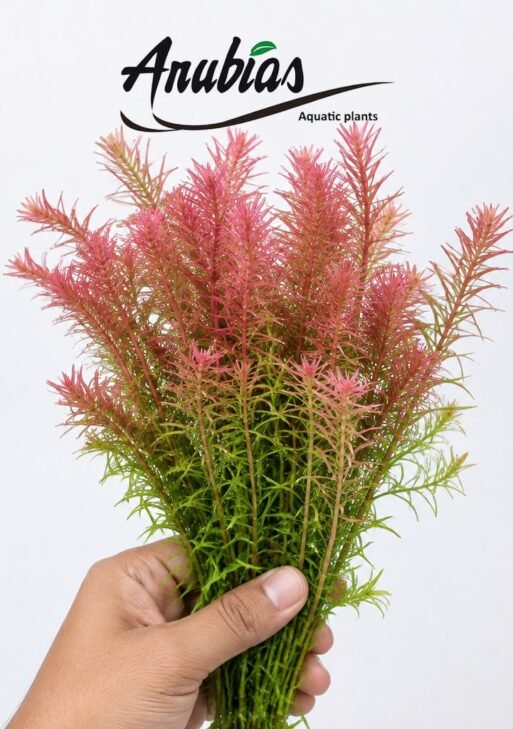
Egeria Densa (Anacharis / Elodea)
Price range: ₹45 through ₹60
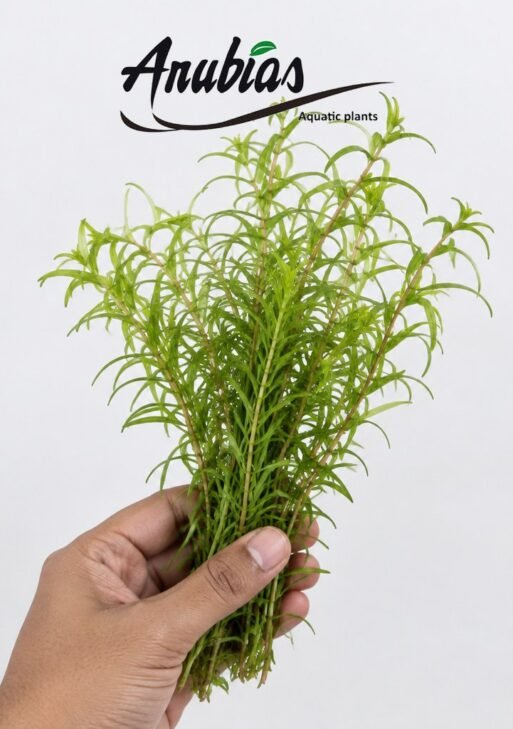
Alternanthera reineckii 'Mini'
Price range: ₹60 through ₹80
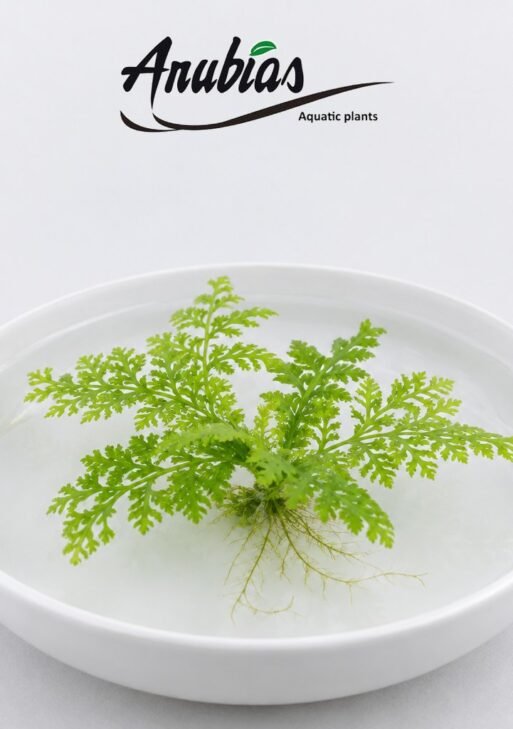
Water Sprite (Ceratopteris thalictroides)
Price range: ₹70 through ₹90
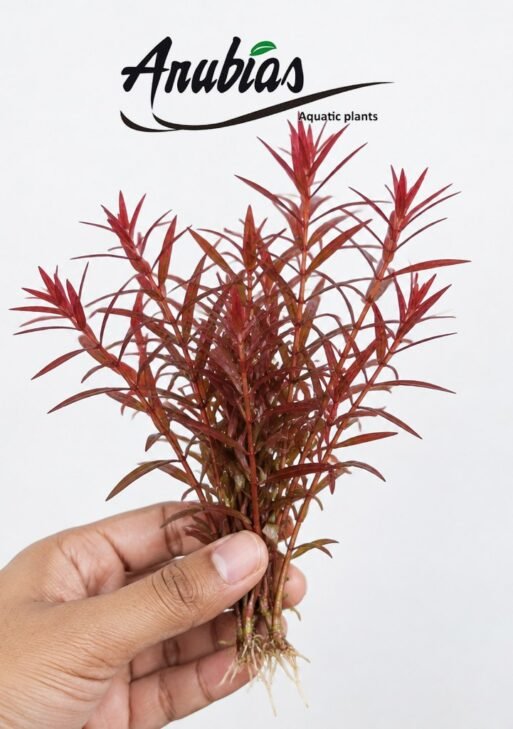
Rotala ‘Blood Red’ (Rotala sp.)
Price range: ₹135 through ₹180
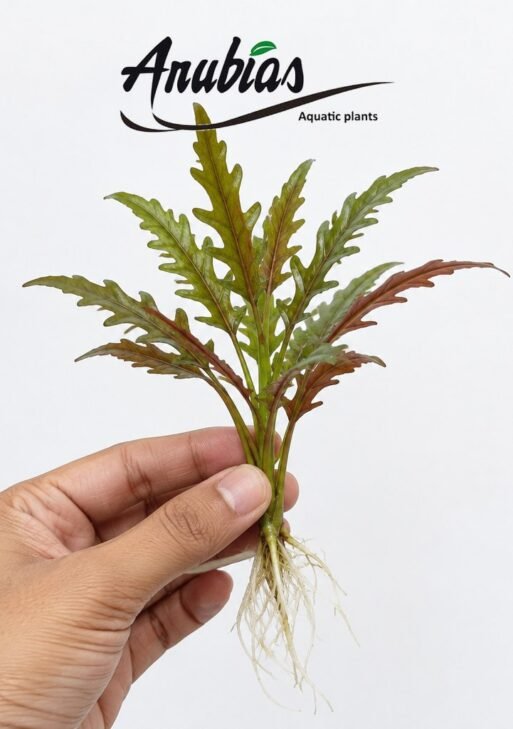
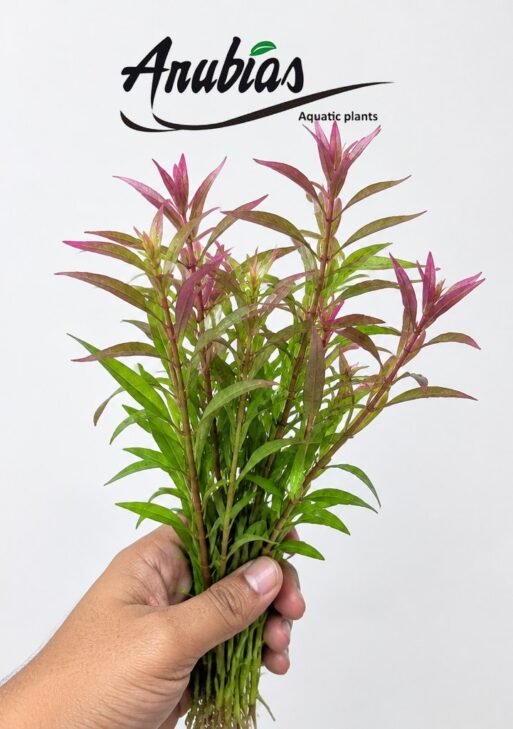
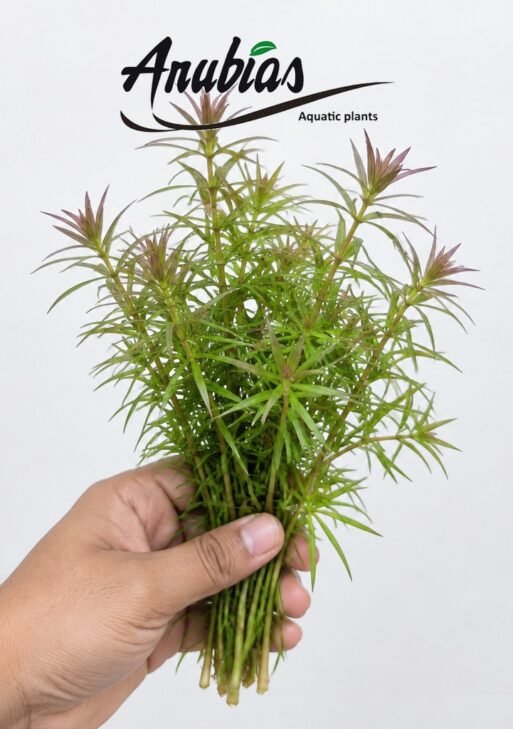
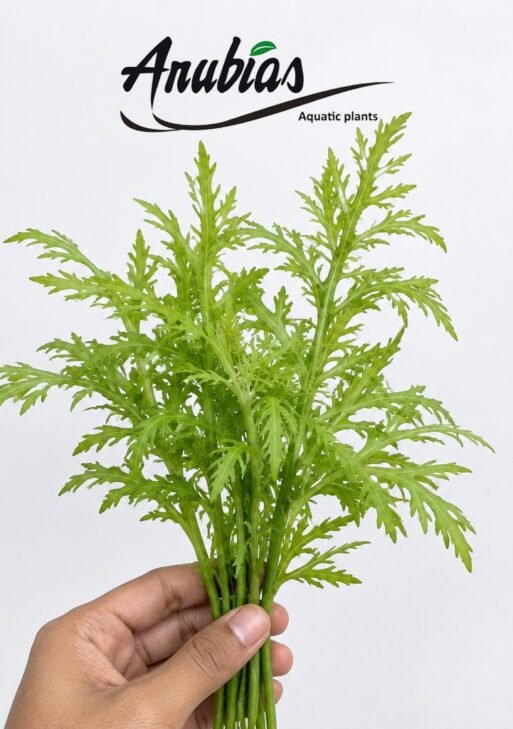
Hygrophila Pinnatifida
Price range: ₹165 through ₹220
Hygrophila polysperma 'Rosanervig'
Price range: ₹55 through ₹70
Bacopa monnieri
Price range: ₹25 through ₹35
Ludwigia arcuata 'Dark Red'
Price range: ₹35 through ₹45
Limnophila aromatica
Price range: ₹40 through ₹55
Rotala rotundifolia 'Twilight'
Price range: ₹55 through ₹70
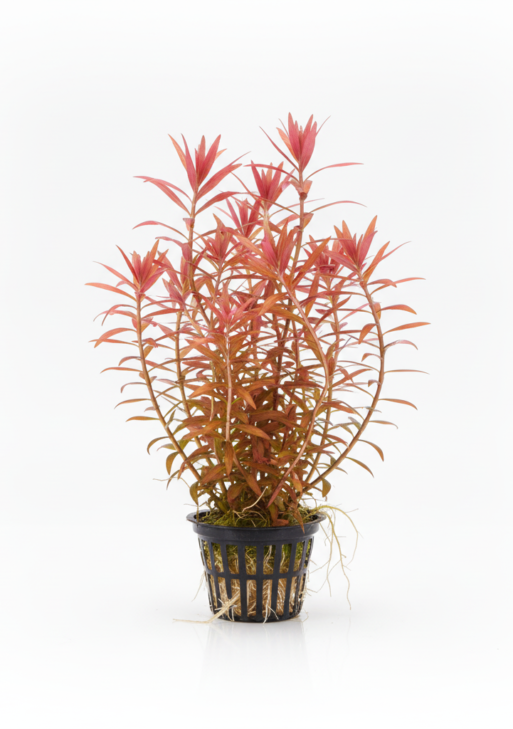
Rotala rotundifolia ‘Orange’
Price range: ₹35 through ₹45
Ludwigia Repens
Price range: ₹105 through ₹140
Red Foxtail – Myriophyllum Tuberculatum (Red Myrio)
Price range: ₹55 through ₹70
Rotala Wallichii
Price range: ₹70 through ₹90
Guppy Grass (Najas roraima)
Price range: ₹100 through ₹135
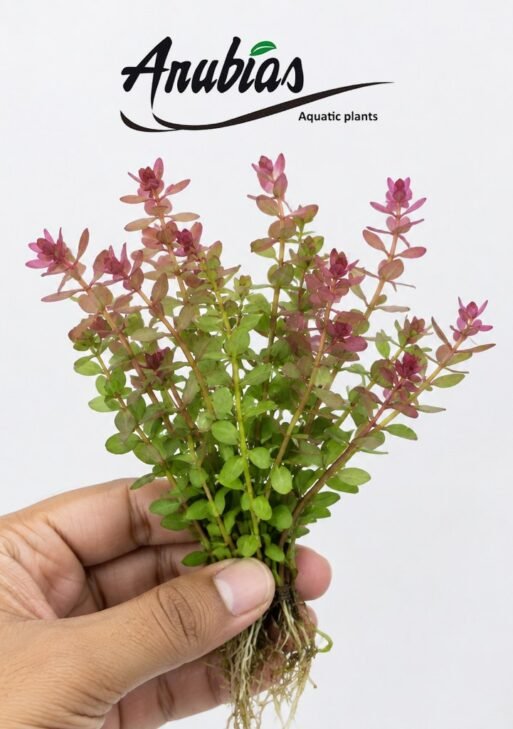
Rotala Rotundifolia
Price range: ₹90 through ₹120
Pogostemon stellatus 'Octopus'
Price range: ₹70 through ₹90
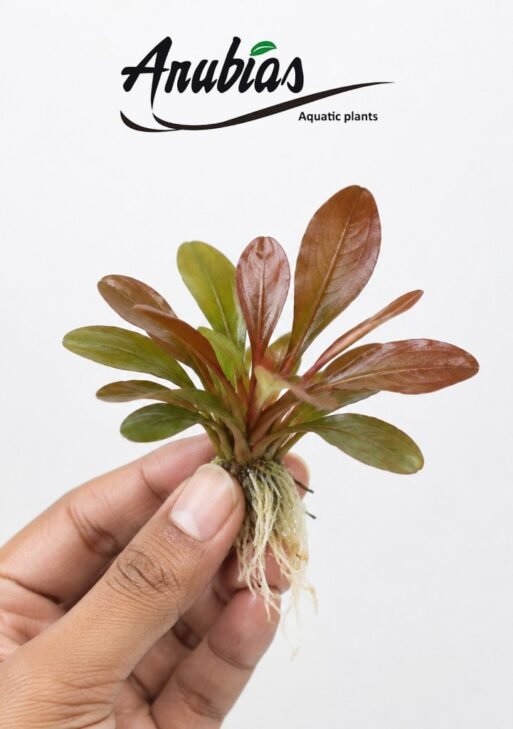
Samolus parviflorus 'Red'
Price range: ₹135 through ₹180
Giant Sagittaria (Sagittaria sp.)
Price range: ₹55 through ₹70
Water Wisteria (Hygrophila difformis)
Price range: ₹90 through ₹120
Hydrilla (Hydrilla verticillata)
Price range: ₹45 through ₹60
Hygrophila difformis 'Variegated'
₹149 ₹194
How to choose aquarium stem plants for your tank
Aquarium stem plants are the fast growers of the planted tank: a single stem with leaves along its length that roots in the substrate, grows towards the light and is trimmed and replanted to make a bush. They give a tank its background wall, its colour and its nitrate control. The catch is that aquarium stem plants vary more than any other group. A green Hygrophila grows in a bucket on a windowsill; a red Rotala needs bright light, CO2 and soft water to look like the photo. Match the plant to your setup.
Three tiers by setup
- Low-tech (no CO2, basic LED, hard tap water): Water Wisteria, Hygrophila polysperma 'Green', 'Rosanervig', Hygrophila difformis 'Variegated', Bacopa Caroliniana, Bacopa monnieri, Ludwigia Repens, Rotala Rotundifolia, Egeria Densa, Potamogeton gayi, Lindernia rotundifolia and Najas roraima.
- Medium light, CO2 helps: Hygrophila Pinnatifida, Pogostemon stellatus 'Octopus', Limnophila aromatica, Myriophyllum mattogrossense, Cabomba Caroliniana, Heteranthera zosteraefolia, Rotala 'Ceylon', Rotala rotundifolia 'Orange', Rotala indica, Ludwigia 'Mini Super Red', Ludwigia brevipes and Alternanthera reineckii 'Mini'.
- High light, CO2 and soft water: Rotala 'Blood Red', Rotala Wallichii, Rotala macrandra 'Pink', Rotala 'Twilight', Ludwigia arcuata 'Dark Red', Ludwigia 'Atlantis Dark Orange', Ludwigia senegalensis, Ammannia gracilis, Red Myrio, Polygonum 'Sao Paulo', Cabomba 'Belem', Tonina fluviatilis and Syngonanthus 'Lago Grande'.
Stem plants compared
| Plant | Light | CO2 | Growth | Placement | Difficulty |
|---|---|---|---|---|---|
| Water Wisteria, Hygrophila difformis 'Variegated' | Low–medium | No | Fast | Background | Easy |
| Hygrophila polysperma 'Green', 'Rosanervig' | Low | No | Fast | Background | Easy |
| Hygrophila triflora, H. odora | Medium | Optional | Fast | Background | Easy |
| Hygrophila Pinnatifida | Medium | Helpful | Moderate | Midground or on wood | Easy–moderate |
| Bacopa Caroliniana, Bacopa monnieri | Low–medium | No | Slow–moderate | Mid/background | Easy |
| Ludwigia Repens | Low–medium | Optional | Fast | Mid/background | Easy |
| Rotala Rotundifolia, Rotala 'Ceylon', Rotala indica | Medium | Optional | Fast | Mid/background | Easy |
| Rotala rotundifolia 'Orange' | Medium–high | Helpful | Fast | Background | Moderate |
| Rotala 'Twilight', 'Blood Red', macrandra 'Pink', Wallichii | High | Yes | Moderate–fast | Mid/background | Hard |
| Egeria Densa, Potamogeton gayi, Najas roraima | Low–medium | No | Fast | Background or floating | Easy |
| Lindernia rotundifolia, Heteranthera zosteraefolia | Medium | Optional | Fast | Mid/background | Easy |
| Cardamine lyrata | Medium | Optional | Moderate | Midground, prefers under 26 °C | Easy–moderate |
| Cabomba Caroliniana | Medium–high | Helpful | Fast | Background | Moderate |
| Cabomba 'Belem' | High | Yes | Fast | Background | Hard |
| Limnophila aromatica, Pogostemon 'Octopus' | Medium–high | Helpful | Fast | Background | Moderate |
| Myriophyllum mattogrossense | Medium–high | Helpful | Fast | Background | Moderate |
| Red Myrio (M. tuberculatum) | High | Yes | Fast | Background | Hard |
| Ludwigia 'Mini Super Red', L. brevipes | Medium–high | Helpful | Moderate | Midground | Moderate |
| Ludwigia arcuata, 'Atlantis Dark Orange', L. senegalensis | High | Yes | Moderate | Midground | Moderate–hard |
| Alternanthera reineckii 'Mini' | Medium–high | Recommended | Slow | Fore/midground | Moderate |
| Ammannia gracilis, Polygonum 'Sao Paulo' | High | Yes | Moderate | Background | Moderate–hard |
| Tonina fluviatilis, Syngonanthus 'Lago Grande' | High | Yes, soft acidic water | Slow–moderate | Midground | Hard |
| Floscopa cf. scandens | Medium–high | Helpful | Slow–moderate | Midground | Moderate |
| Samolus parviflorus 'Red' | Medium–high | Helpful | Slow | Fore/midground rosette | Moderate |
| Aglaonema simplex | Low–medium | No | Slow | Background or paludarium | Moderate |
| Giant Sagittaria | Medium | No | Moderate | Background rosette | Easy |
How to plant and care for aquarium stem plants in Indian conditions
- Prepare the stems. Remove any band, weight or sponge. Cut off damaged lower leaves and strip the bottom 2–3 cm of leaves so a bare stem goes into the substrate.
- Plant singly. Push each stem 3–4 cm deep with tweezers, 2–3 cm apart, not as one bunch. Bunches rot in the middle and float up.
- Give them light. Stem plants are the one group that needs a real planted-tank LED on 7–8 hours a day. Red species need the most.
- Feed the water. Stems feed from the water column, so dose a liquid fertiliser with nitrogen, potassium and iron weekly. Nutrient-rich substrate helps but is not essential.
- Hard tap water: Hygrophila, Bacopa, Ludwigia repens, Rotala rotundifolia and Egeria tolerate pH 7.5–8 and high GH. Tonina, Syngonanthus, Rotala wallichii and Rotala macrandra need soft, slightly acidic water; use RO or rainwater mixed with tap.
- Summer heat (30–32 °C): most Hygrophila, Rotala and Ludwigia keep going. Egeria densa, Cardamine lyrata and Cabomba fall apart; a clip fan on the surface buys 2–3 °C.
- Monsoon power cuts: fast growers suffer most when CO2 and light stop together. Skip dosing that day, run a battery air pump and expect a little melt on the demanding reds.
- Trim and replant. Cut the top 5–8 cm and plant it; the base branches into two or more shoots. This is how a few stems become a bush in a month.
Best stem plants for beginners, low-tech, betta and nano tanks
- Beginners: Water Wisteria and Hygrophila polysperma. They grow in almost any water under almost any light.
- Low-tech colour: Ludwigia Repens and Rotala Rotundifolia turn pink to red at the tops under a decent LED without CO2.
- Betta tanks: Bacopa Caroliniana and Hygrophila difformis 'Variegated' are soft-leaved, slow enough not to swamp a 20-litre tank, and give the betta cover near the surface.
- Nano tanks: Rotala indica, Alternanthera reineckii 'Mini' and Ludwigia 'Mini Super Red' stay small-leaved and in scale.
Common mistakes
- Buying red plants for a low-tech tank. Rotala 'Blood Red', Rotala macrandra and Ludwigia senegalensis go green and leggy, then die, without high light and CO2.
- Planting in a bunch. The inner stems rot. Separate them.
- No fertiliser. Stems in a lightly stocked tank starve within weeks: stunted tips, pale new leaves, old leaves dropping.
- Leaving them untrimmed. Tall stems shade their own lower leaves, which drop, leaving bare stalks. Trim before they reach the surface.
How we pack and ship
Every plant is checked before packing, packed moist and shipped across India from Surat. Shipping is ₹99 shipping, free on orders of ₹999 or more. Live-arrival guarantee: record one continuous unboxing video within 4 hours of delivery and, if a plant has arrived dead, we refund or replace it.
New in stock: fast, beginner-proof hornwort, hydrilla and water sprite — ideal for new tanks, goldfish and guppy tanks.
Frequently Asked Questions
How do I plant bunched stem plants?
Remove any band, weight or sponge from the base and strip the leaves from the bottom few centimetres. Then plant the stems individually or in small groups a few centimetres apart in the substrate, rather than as one dense clump, so each stem has room to root and grow.Do stem plants need CO2?
Not always, but they generally need more light and nutrients than Anubias or Java Fern to grow well and hold tight internodes rather than getting leggy. Green species like Water Wisteria, Bacopa and Hygrophila grow under moderate light without CO2; red species like Rotala 'Blood Red', Rotala macrandra and Ludwigia arcuata need bright light and CO2 to colour up.Why did my stem plants melt after planting?
Leaves that grew out of water (emersed) often die back in the first week or two as the plant switches to underwater growth. This is normal, not a sign of failure: trim off the melted leaves and new growth will come from the healthy tips.How do I keep stem plants bushy instead of tall and leggy?
Regular trimming. Cut the top 5–8 cm and replant it next to the parent; the cut base sends out two or more side shoots. Repeat every two to three weeks and a thin row becomes a dense bush. Stronger light also keeps internodes short.Which aquarium stem plants grow without CO2 in hard tap water?
Water Wisteria, Hygrophila polysperma, Hygrophila difformis, Bacopa caroliniana, Bacopa monnieri, Ludwigia repens, Rotala rotundifolia, Egeria densa, Potamogeton gayi and Najas roraima. All of them are listed on this page and all tolerate pH 7.5–8 municipal water.Which stem plants turn red without CO2?
Ludwigia repens and Rotala rotundifolia develop pink to red tops under a good LED without CO2, especially when nitrate is kept low and iron is dosed. Deep reds such as Rotala 'Blood Red' or Ludwigia 'Mini Super Red' need CO2 to hold their colour.Can stem plants be left floating?
Yes for Egeria densa, Najas roraima, Potamogeton gayi and Water Wisteria, which grow well drifting near the light. Rotala and Ludwigia grow crooked when floated and are better planted.Is Bacopa monnieri the same as Brahmi?
Yes, Bacopa monnieri is the plant commonly called Brahmi in India. In the aquarium it is simply a slow, sturdy, light-green stem plant for the midground that tolerates hard water and needs no CO2.Not sure what fits your tank? Plan it with our free AI tank planner.









