








Your cart is empty
Return to Shop
Anubias Nana Petite
Price range: ₹45 through ₹250
Anubias Nana
Price range: ₹45 through ₹250
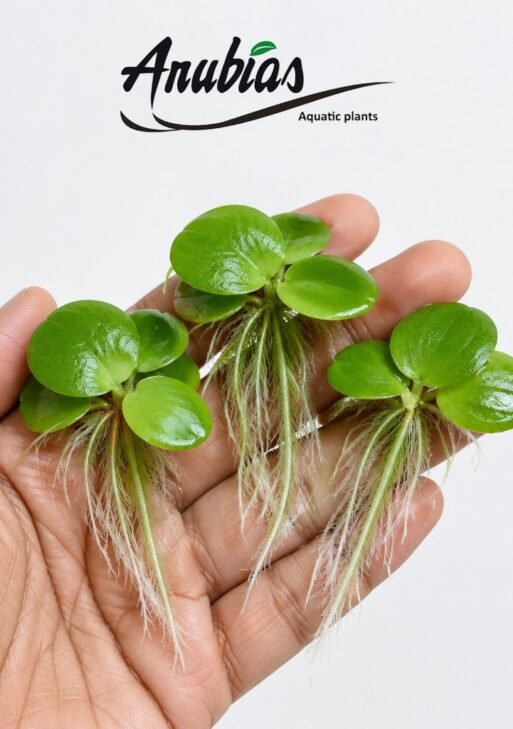
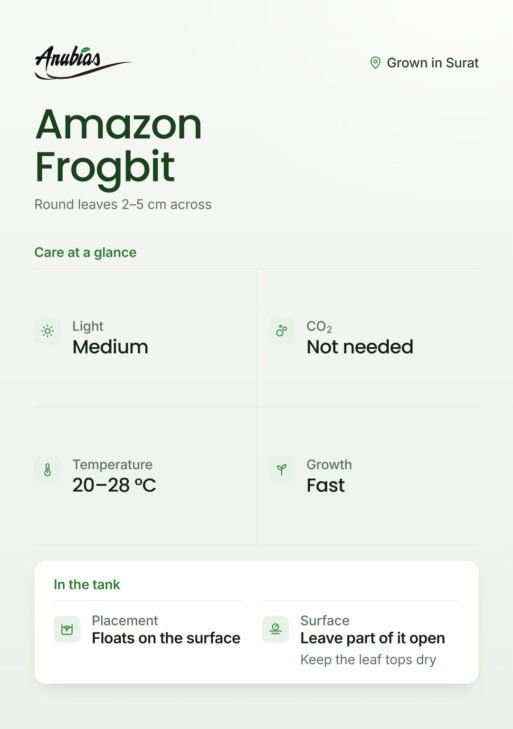
Amazon Frogbit (Limnobium laevigatum)
Price range: ₹70 through ₹90
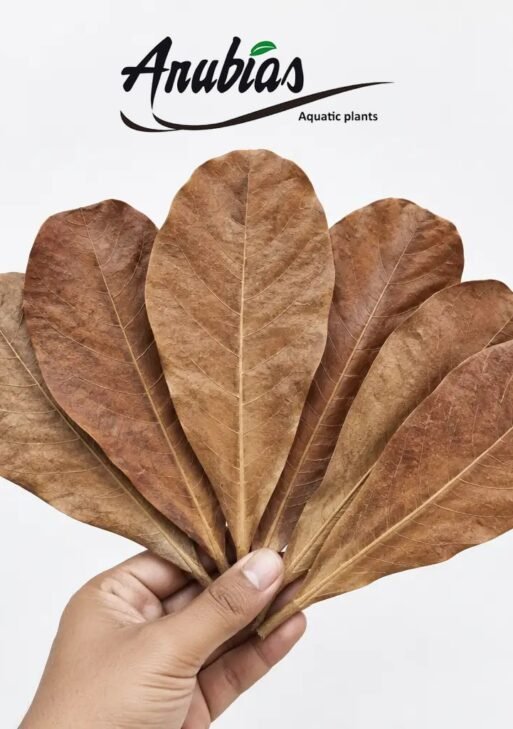
Indian Almond Leaves (Catappa) for Betta & Shrimp Tanks
Price range: ₹90 through ₹200
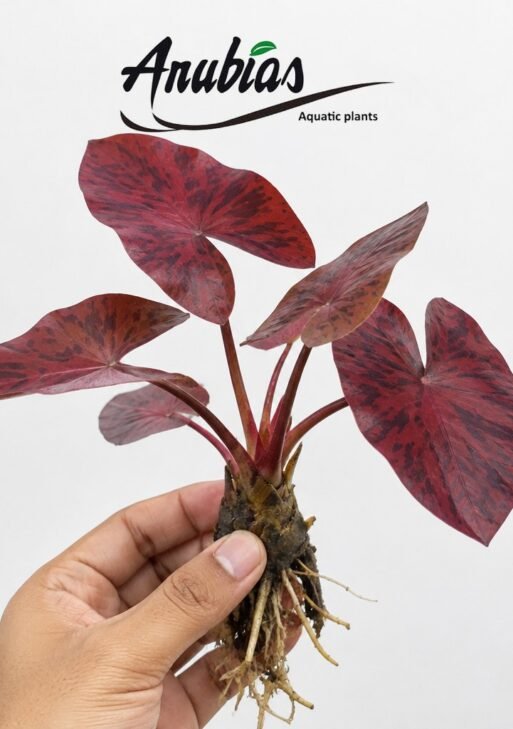
Red Tiger Lotus / Red Water Lily (Nymphaea rubra)
Price range: ₹190 through ₹250
Java Fern (Microsorum pteropus)
Price range: ₹45 through ₹250
How to choose plants for betta fish
The best plants for betta fish share three traits: smooth leaves that will not tear long fins, happy growth in low light and gentle flow, and no need for CO2. A betta also uses plants in a way most fish do not. It rests on broad leaves near the surface, builds bubble nests under floating cover, and hides among stems when it wants quiet. This category pulls together the six items we recommend for a betta tank, and each covers a different job.
- Resting leaves: Anubias Nana tied to a stone or wood gives a betta a broad, flat leaf to lie on. Anubias Nana Petite does the same in a 10–20 litre nano tank.
- Height and hiding: Java Fern (Microsorum pteropus) grows taller fronds the betta can weave through, also on wood or rock, also no CO2.
- Surface cover: Amazon Frogbit (Limnobium laevigatum) floats, shades the water and holds a bubble nest in place. Its trailing roots are a favourite hangout.
- A showpiece: Red Tiger Lotus / Red Water Lily (Nymphaea rubra) is a bulb plant that grows red, broad submerged leaves and the occasional floating pad, the closest thing to a betta's native habitat in one plant.
- Water conditioning: Indian Almond Leaves (Catappa) are not a plant you grow; they release tannins that tint the water tea-brown and soften the look of the tank, the way leaf litter does in the betta's home waters.
Betta fish plants compared
| Plant / item | Light | CO2 | Growth | Placement | Difficulty |
|---|---|---|---|---|---|
| Anubias Nana | Low | Not needed | Slow | On wood/rock, mid level | Easy |
| Anubias Nana Petite | Low | Not needed | Very slow | On wood/rock, foreground | Easy |
| Java Fern (Microsorum pteropus) | Low | Not needed | Slow–moderate | On wood/rock, background | Easy |
| Amazon Frogbit (Limnobium laevigatum) | Low–medium | Not needed | Fast | Floating | Easy |
| Red Tiger Lotus (Nymphaea rubra) | Medium | Optional, helps | Moderate–fast | Bulb in substrate, midground | Easy–moderate |
| Indian Almond Leaves (Catappa) | n/a | n/a | n/a (leaf litter, replace every 2–4 weeks) | On the substrate | Easy |
How to set up and care for betta fish plants in Indian conditions
Planting
- Tie or glue the Anubias and Java Fern rhizomes to wood or rock. Never bury a rhizome; it rots.
- Set the Red Tiger Lotus bulb on the substrate and push it in only halfway. A fully buried bulb can rot; a half-exposed one sprouts within a couple of weeks.
- Drop Frogbit on the surface. Keep it away from the filter outflow or a ring of airline tubing holds it in one spot.
- Rinse one or two almond leaves and let them sink. They soften and tint the water over a few days.
Water and temperature
Bettas and these plants both want 24–28 °C. Indian summers push small tanks past 30 °C; a betta copes, but keep the lid open with a fine mesh, run a gentle airstone and keep the light at six hours. Hard tap water is fine for every plant here; almond leaves lower the pH a little and are the simplest way to give the water a softer feel without chemicals.
Flow and light
Bettas hate strong current, and so does a bubble nest. Use a sponge filter or baffle the filter outlet with the Frogbit roots. Low to medium light for six to seven hours is right for the whole tank; only the Red Tiger Lotus wants the brighter end of that, so place it under the lamp's centre.
Monsoon power cuts
None of these plants mind a few hours without filter or light. For the fish, a warm blanket round a small tank holds the temperature overnight. Do a partial water change once power returns.
Best plants for betta fish by tank type
- Beginner betta tank (20–40 litres): Anubias Nana plus Java Fern on one piece of wood, with almond leaves on the floor. No CO2, no fertiliser needed.
- Nano or bowl (10–20 litres): Anubias Nana Petite on a stone and a few Frogbit plants on the surface, thinned weekly.
- Low-tech planted betta tank: add the Red Tiger Lotus as the centrepiece and trim its floating pads so the Frogbit keeps the surface.
- Breeding or bubble-nest tank: Amazon Frogbit and one or two almond leaves; the male anchors his nest to the floaters.
- Shrimp-and-betta tank: dense Java Fern and Anubias give shrimp cover, and tannins from catappa leaves keep both calm.
Common mistakes in a betta planted tank
- Plastic plants. Hard edges shred fins. Every plant here is smooth-leaved and live.
- Burying the Anubias or Java Fern rhizome. Tie it to wood or rock instead.
- Letting Frogbit cover the whole surface. A betta must reach the air to breathe. Keep at least a third of the surface open and thin the floaters weekly.
- Too many almond leaves. One leaf per 10–20 litres is enough; more makes the water very dark and acidic over time.
- Strong filter flow. Fish stays hidden, nests break up, plants get battered. Use a sponge filter.
- Fully burying the lotus bulb. Half in, half out, or it rots.
- Over-lighting a slow tank. Algae on Anubias leaves means too many hours of light, not too little fertiliser.
How we pack and ship betta tank plants
Each plant is checked before packing, packed moist, and shipped across India from Surat. Shipping is ₹99, free on orders of ₹999 or more. Every order carries our live-arrival guarantee: record one continuous unboxing video within 4 hours of delivery and, if a plant has arrived damaged, we refund or replace it.
Frequently Asked Questions
What are the best plants for betta fish?
Anubias Nana and Java Fern for resting leaves and cover, Amazon Frogbit for surface shade and bubble nests, and a Red Tiger Lotus as a centrepiece. All grow in low light without CO2 and have smooth leaves that will not tear fins.Do betta fish need live plants?
A betta can survive without them, but live plants give resting spots near the surface, hiding places, and steadier water, and they replace plastic plants that damage fins. A planted betta tank is calmer and needs fewer water changes.What do Indian almond leaves do for a betta?
Catappa leaves release tannins that tint the water tea-brown, lower the pH slightly and mimic the leaf-litter waters bettas come from. Use one leaf per 10–20 litres and replace it every two to four weeks as it breaks down.Can floating plants cover the whole surface of a betta tank?
No. Bettas breathe air from the surface, so keep at least a third of it open. Thin Frogbit weekly; the pieces you remove can go to another tank.Is the Red Tiger Lotus suitable for a small betta tank?
Yes, in 30 litres or more. It grows from a bulb set half into the substrate and produces red submerged leaves. Trim the floating pads it sends up so they do not shade the whole tank.Do betta tank plants need fertiliser or CO2?
No CO2. Anubias, Java Fern and Frogbit manage on fish waste alone; a small weekly dose of liquid fertiliser helps the lotus and keeps colours strong, but it is optional.Will a betta eat or damage live plants?
No. Bettas are carnivores and ignore plants as food. They may nip at Frogbit roots out of curiosity, which does no harm.Not sure what fits your tank? Plan it with our free AI tank planner.



