
Description
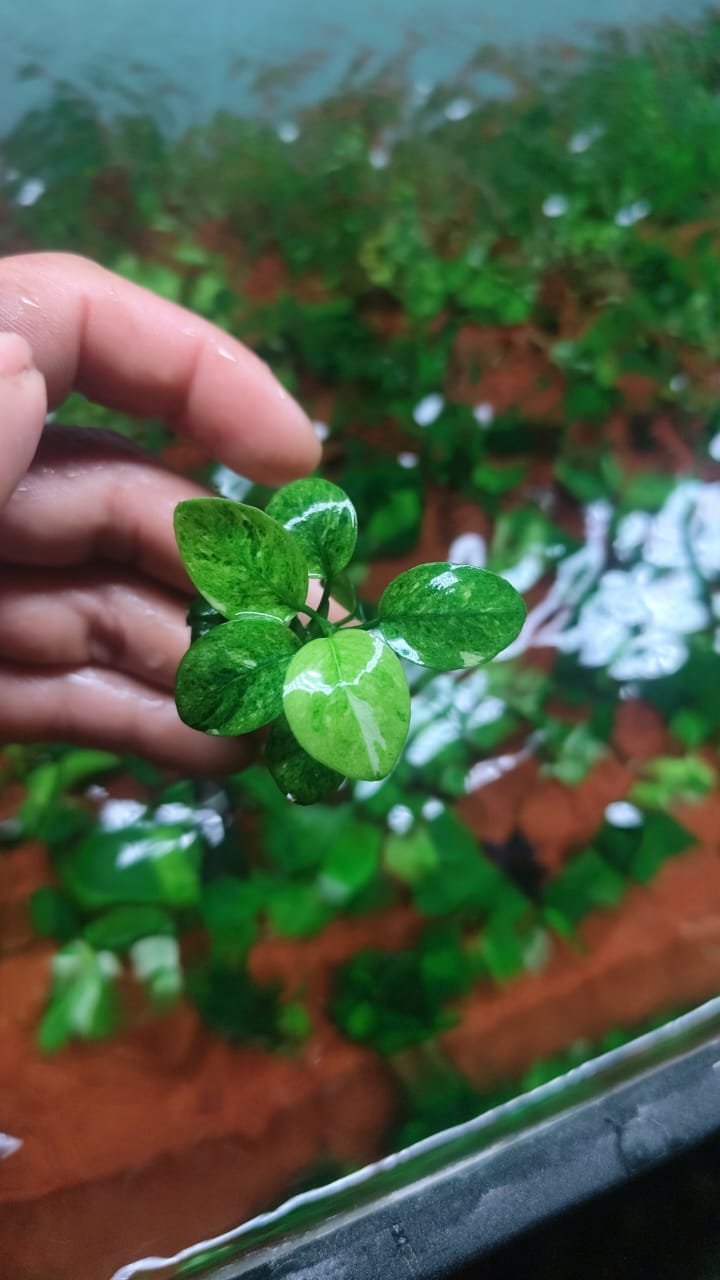
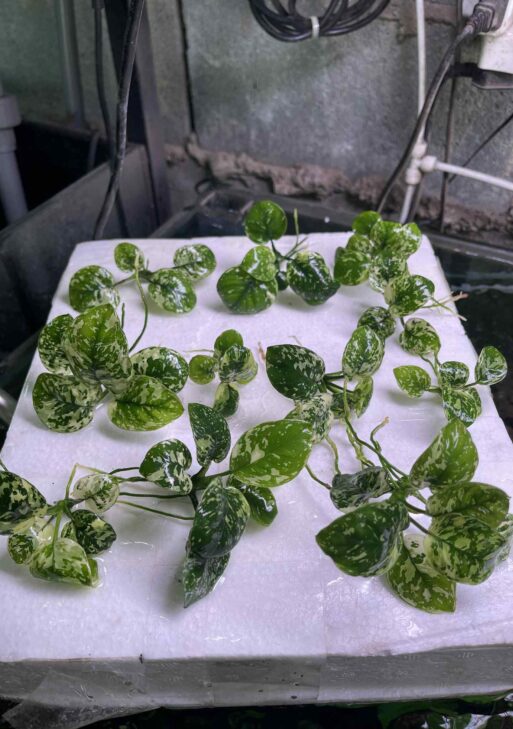
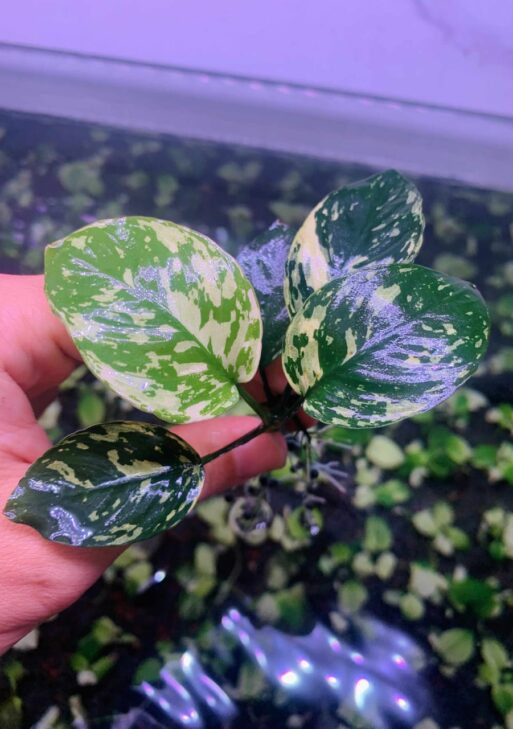
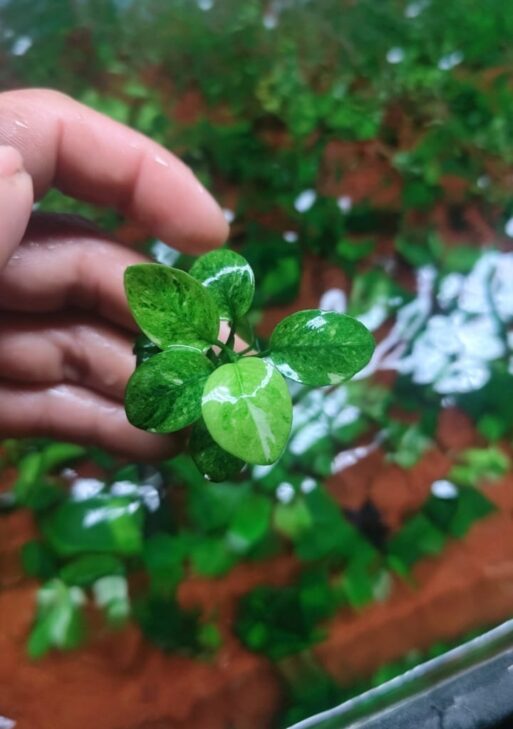
Anubias marble (Anubias ‘Marble’) is a variegated anubias with bold marbled leaves, each one swirled with cream and green in a different pattern, so no two leaves look the same. It is a cultivar of the hardy Anubias barteri group and keeps the easy nature of the species: low light, no CO2, hard water and tough leaves that most fish leave alone. Anubias marble suits collectors and aquascapers who want a striking cream-and-green focal plant on driftwood or rock, and who are prepared for the slow growth that comes with variegation.
Anubias marble at a glance
| Scientific name | Anubias barteri ‘Marble’ (cultivar trade name; also sold as Anubias nana ‘Marble’) |
|---|---|
| Family | Araceae |
| Origin | Species native to West and Central Africa (Cameroon, Nigeria, Gabon); ‘Marble’ is a cultivated selection |
| Difficulty | Easy to keep, slow to recover from damage |
| Light | Low to moderate |
| CO2 | Not required |
| Temperature | 22–28 °C |
| pH | 6.0–8.0 |
| Growth rate | Very slow |
| Height/size | 8–20 cm; leaves 4–8 cm long |
| Placement | Midground, epiphyte on wood or rock |
| Propagation | Rhizome division |
How to plant anubias marble
Like every anubias, marble is an epiphyte. Its thick rhizome must sit on top of the hardscape or substrate, never under it.
- Rinse the plant gently and clear any wool or foam from the roots.
- Choose driftwood, lava rock or a textured stone with a surface the roots can grip.
- Tie the rhizome down with cotton thread or fishing line, or use a small drop of cyanoacrylate gel on the rhizome and roots. Avoid getting glue on the leaves.
- Place it in the midground where it gets gentle flow and moderate light, with some shade from taller plants if your light is strong.
- Leave it in position. Roots take hold within six to ten weeks, and moving the plant resets the clock.
If you choose the optional attach-to-lava-rock add-on, the plant arrives already tied to a natural lava rock and can be placed straight into the tank, no glue or thread needed.
Anubias marble care: light, CO2, fertiliser and water
Light. Low to moderate. The cream areas of the leaves contain little chlorophyll, so the plant photosynthesises with only part of each leaf and cannot cope with intense light, which just grows algae on the pale areas. Six to seven hours of moderate light shows the marbling well and keeps the leaves clean.
CO2. Not required. Anubias marble grows at its own slow pace without carbon injection; with CO2 it produces leaves a little faster, but the difference is modest.
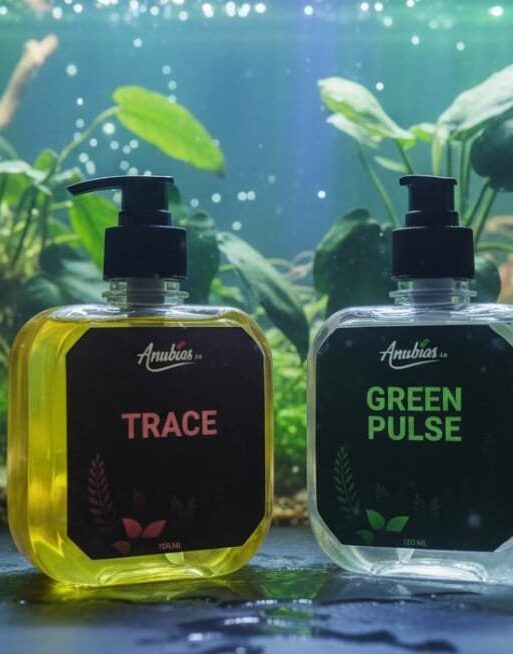
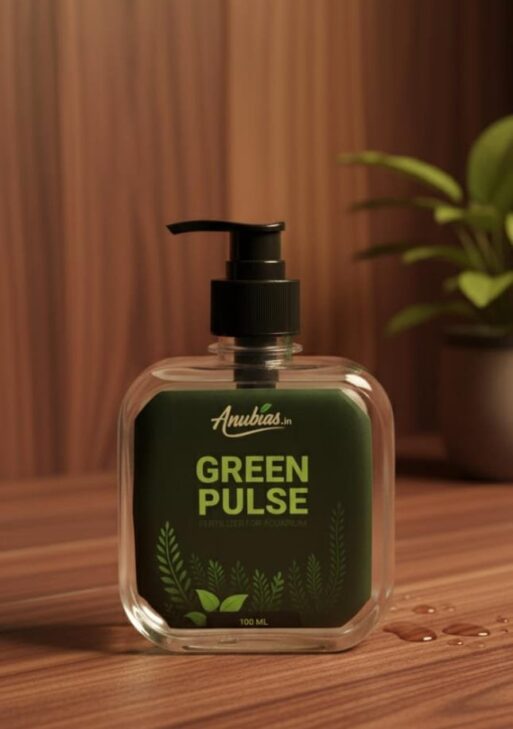
Fertiliser. Dose a complete liquid fertiliser weekly for potassium, iron and trace elements. Well-fed plants produce firmer leaves with cleaner marbling. No root tabs are needed.
Water. Anubias marble handles hard, alkaline Indian tap water without complaint and is comfortable from 22 to 28 °C. In summer above 30 °C it slows down; shade the tank and keep the surface moving. Monsoon power cuts of a day or two are harmless. What it dislikes is sudden change: big swings in temperature or hardness can cost it leaves that take months to regrow, so make weekly 25–30% water changes with temperature-matched water.
Growth, trimming and propagation
Expect a new leaf every four to eight weeks once settled. Variegated anubias grow slower than green forms and take longer to recover from damage, so handle the plant gently during maintenance. Cut away algae-covered or yellow leaves at the base of the stem.
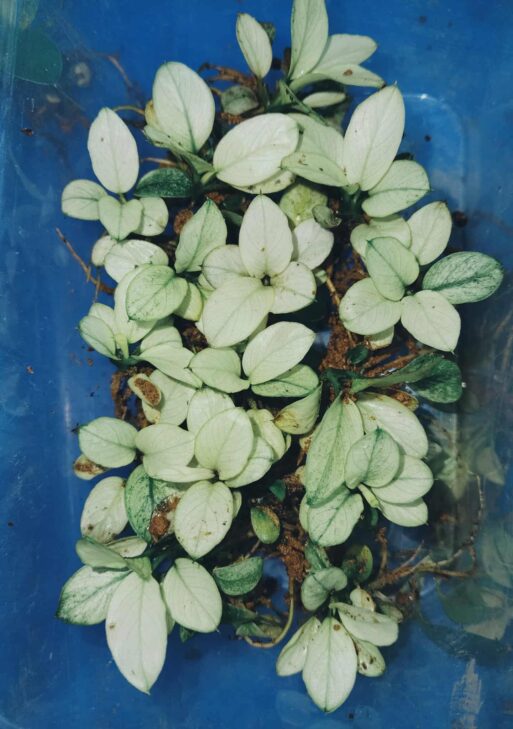
Variegation is not fixed. Each leaf unfurls with its own pattern; some are mostly cream, some mostly green, and a leaf that is entirely green is not unusual. Leaves that are almost entirely cream are the most fragile and may not last as long. Propagate by cutting the rhizome when it has six or more leaves, keeping three leaves and roots on each section, and attaching each piece to its own hardscape.
Where to use it in an aquascape
Anubias marble is a focal plant. One specimen on the main piece of driftwood in a 2 ft tank (60–90 litres) draws the eye immediately; in 3–4 ft tanks (120–250 litres) group two or three on the central hardscape. In a 1 ft nano (15–25 litres) a single small plant can be the whole centrepiece. Its pale leaves are most effective against a dark background of wood and deep green plants.
Surround it with plain green Anubias nana and Java fern so the marbling stands out, use cryptocoryne at its base and a low carpet from our carpeting plants in front.
It is safe for shrimp tanks and community aquariums. Shrimp graze the broad leaves without harming them. Goldfish may nibble, and large cichlids or big plecos can tear or uproot an unrooted plant.
Common problems and fixes
- Rhizome rot. Soft, dark rhizome. Cause: buried under substrate. Fix: trim away the rot and remount the firm section above the substrate.
- Algae on the cream areas. Cause: light too strong for a slow plant. Fix: reduce intensity or hours, improve flow, add nerite snails and Amano shrimp, spot-treat with diluted hydrogen peroxide.
- Cream leaves turning brown and dying. Cause: leaves with very little green cannot feed themselves and are naturally short-lived. Fix: remove them; later leaves with a better balance last longer.
- New leaves coming in plain green. Cause: natural reversion in variegated cultivars. Fix: keep moderate light and steady feeding; marbling usually returns on later leaves.
- Yellowing leaves after a water change. Cause: parameter swing. Fix: match temperature and change water in smaller amounts.
- Melting after arrival. Cause: adjustment to new water. Fix: leave the rhizome in place and wait for new growth.
What you receive
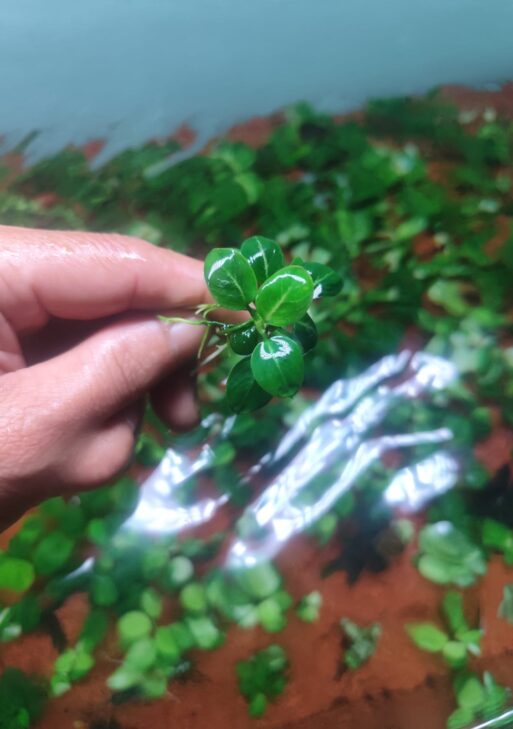
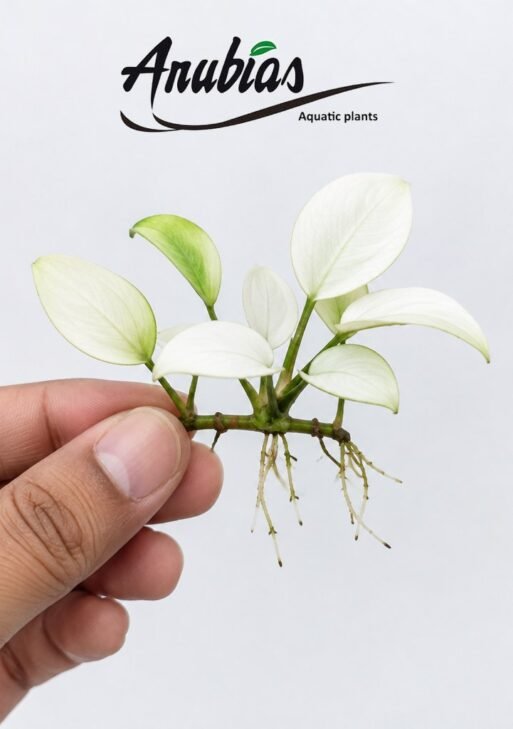
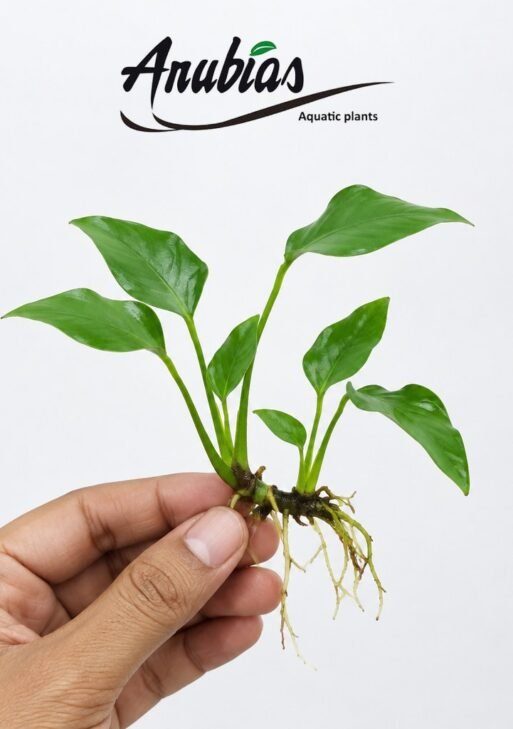
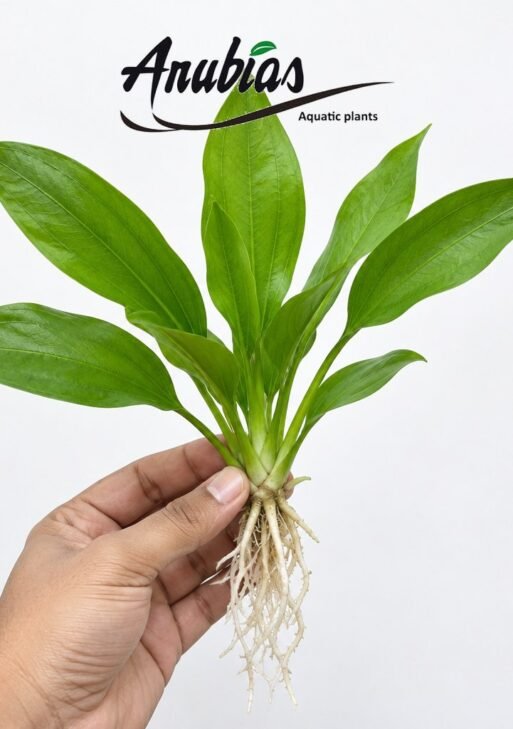
One healthy anubias marble rhizome plant in the size you select (Small or Standard), similar to the photo, with an optional add-on to have it attached to a natural lava rock. Each plant is checked before packing, packed moist and shipped across India from Surat. ₹99 shipping, free on orders of ₹999 or more.
Live-arrival guarantee: record one continuous unboxing video within 4 hours of delivery and we will refund or replace a plant that arrived damaged.
FAQ
Does anubias marble need CO2?
No. It grows without CO2 in low-tech tanks. CO2 speeds leaf production slightly but is never necessary.
Is anubias marble good for beginners?
Yes, as far as care goes: low light, no CO2, hard water. The only things to accept are very slow growth and slow recovery from damage.
Why are my anubias marble leaves turning green?
Variegated anubias produce leaves with different amounts of cream, and some revert to plain green. Moderate light and regular fertiliser help, but some variation is normal.
How fast does anubias marble grow?
Very slowly, roughly one new leaf every four to eight weeks. It grows slower than green anubias because the cream areas do not photosynthesise.
Can anubias marble grow in sand or gravel?
Only with the rhizome resting on top, for example wedged between stones. Burying the rhizome causes rot. Tying it to wood or rock is safest.
Anubias marble vs anubias pinto: what is the difference?
Both are cream-and-green variegated anubias. Marble has larger leaves with swirled, marbled patterns; Pinto is a smaller nana-type with bold white patches. Care is identical.
Not sure what fits your tank? Plan it with our free AI tank planner.











There are no reviews yet.