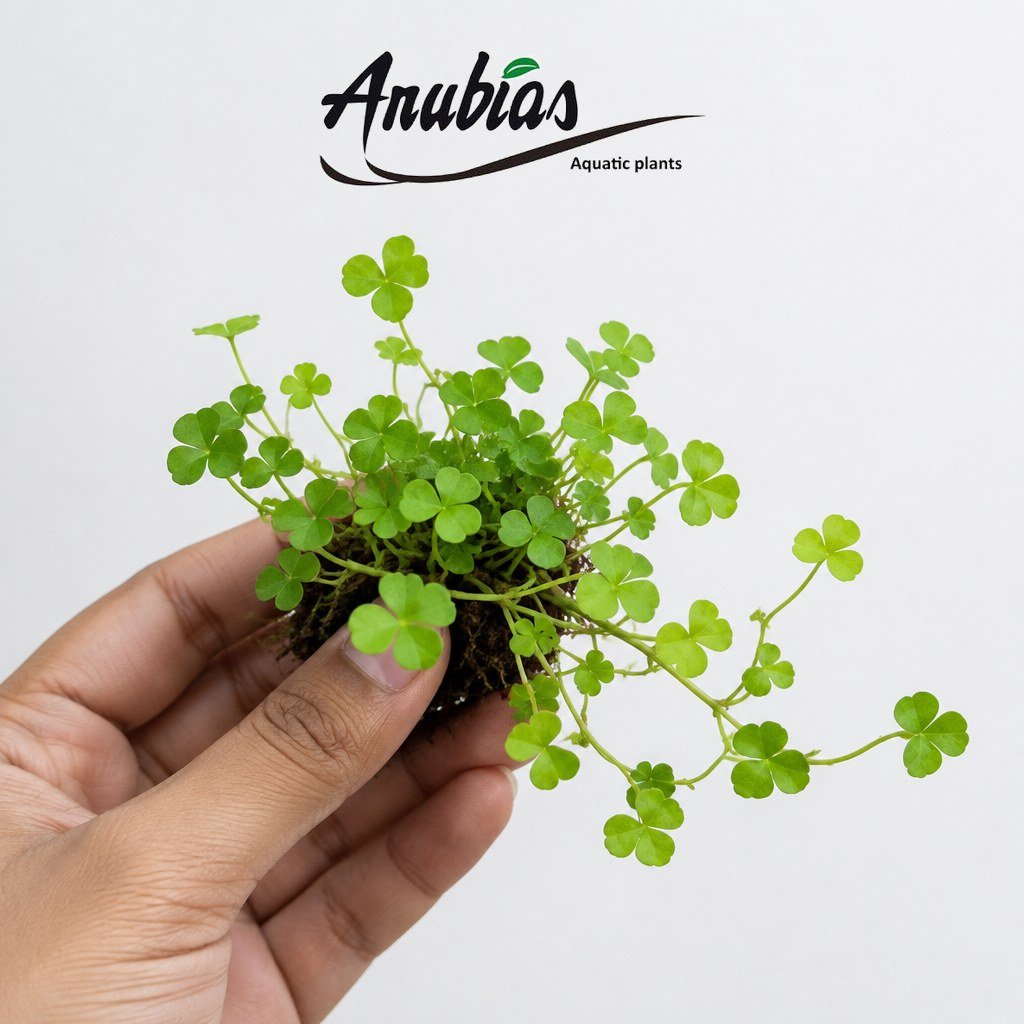
Description
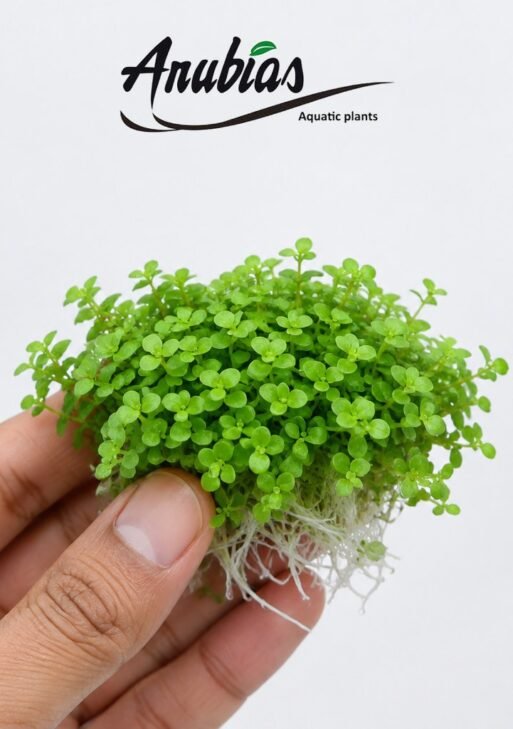
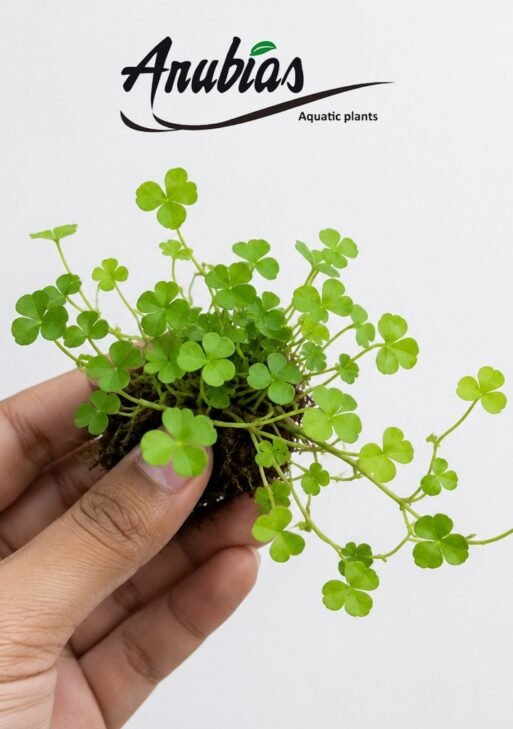
Hydrocotyle tripartita (sold as Hydrocotyle tripartita ‘Japan’ or Hydrocotyle sp. ‘Japan’) is a fast-growing creeping pennywort with tiny three-lobed, clover-like leaves on thin runners that carpet the foreground, climb over hardscape or trail down from a ledge. It roots in substrate, grows with or without CO2 and is forgiving of beginner mistakes, which makes it one of the easiest carpet plants to get going. Hydrocotyle tripartita suits new aquascapers who want a quick, bright green foreground, and experienced ones who want a soft, cloud-like texture over rocks.
Hydrocotyle tripartita at a glance
| Scientific name | Hydrocotyle tripartita ‘Japan’ (Hydrocotyle sp. ‘Japan’, Japanese pennywort) |
|---|---|
| Family | Araliaceae |
| Origin | South-east Asia and Australia; wet margins and shallow water |
| Difficulty | Easy |
| Light | Medium to high for a flat carpet; medium for a loose bush |
| CO2 | Not required; gives a tighter, lower carpet |
| Temperature | 20–28 °C |
| pH | 6.0–7.5 |
| Growth rate | Fast |
| Height/size | 3–5 cm as a carpet, up to 10 cm loose; leaves about 1 cm |
| Placement | Foreground carpet, midground bush, or trailing over hardscape |
| Propagation | Runners and cuttings |
How to plant hydrocotyle tripartita
Hydrocotyle spreads by runners that root at every node, so it is planted as small pieces spaced across the area you want covered.
- Rinse the clump and separate it into pieces of three or four nodes each, keeping any roots attached.
- Prepare a substrate at least 3–4 cm deep. Aquasoil is best; sand and fine gravel work with liquid fertiliser.
- Push the lower end of each piece into the substrate with tweezers so one or two nodes are buried; roots form at the buried nodes within days.
- Space the pieces 3–5 cm apart. The runners fill the gaps quickly.
- To grow it over hardscape, tuck a few pieces into crevices or lay runners across a rock and pin them with small stones until they root.
Hydrocotyle tripartita care: light, CO2, fertiliser and water
Light. Light sets the shape. Under medium to high light the runners hug the substrate and form a flat carpet 3–5 cm tall. Under medium light the stems rise and the plant becomes a loose, bushy mound, which is also attractive as a midground or a cloud over rocks. Under low light it grows leggy with gaps between leaves. A 7–8 hour photoperiod is plenty.
CO2. Optional. Without CO2 it grows well in moderate light but stays looser and taller, more like a low bush than a lawn. With CO2 it carpets tight and fast and fills in within a few weeks.
Fertiliser. A fast grower needs feeding. Dose a complete liquid fertiliser weekly; it takes nutrients through its leaves as well as its roots, so root tabs are helpful but not essential. Yellowing or holes in the leaves mean it is short of nitrogen or potassium.
Water. Hard Indian tap water is fine. It is comfortable at 20–28 °C and tolerates short summer spikes to 30 °C with shade and surface agitation. Monsoon power cuts of a day do no harm. Weekly 30% water changes keep the carpet free of settled debris, which it traps easily.
Growth, trimming and propagation
Hydrocotyle tripartita grows fast, and a planting usually fills in within a few weeks to a couple of months depending on light, CO2 and fertiliser. The runners do not stop at the edge of the foreground: left alone they climb over slower plants such as anubias and bucephalandra and shade them out.
Trim every two to three weeks with scissors, cutting the carpet back to 3–4 cm and snipping any runners heading where you do not want them. Net out the cut pieces, which float. A dense old carpet can trap gas and lift as a mat; when that happens, trim it hard, pull the lifted section and replant the healthy tops.
Propagation is simply replanting trimmings. Any piece with three or four nodes roots within days when its lower end is pushed into the substrate.
Where to use it in an aquascape
Hydrocotyle tripartita is the carpet for scapers who want results quickly. In nano tanks of 1 ft (15–20 litres) a single clump carpets the foreground in weeks, though it needs trimming often to stay in scale. In 2 ft tanks (60–90 litres) use it as the foreground in a nature-style layout, climbing the base of driftwood. In 3 ft tanks (120–200 litres) it works as a bushy midground between a short carpet and taller stems, or as a soft green cloud spilling over rocks.
Combine it with other carpeting plants for a mixed foreground, with Anubias nana and Java fern on hardscape above it (and trim it before it climbs onto them), and with stem plants behind.
It is safe with shrimp, which love the dense cover, and with small fish such as rasboras, tetras, otocinclus and corydoras. Goldfish and large cichlids uproot and eat it.
Common problems and fixes
- Leggy stems with gaps between leaves. Cause: too little light. Fix: increase light intensity or move the plant directly under the lamp; trim and replant the tops.
- Yellowing or holes in the leaves. Cause: nutrient shortage. Fix: weekly complete liquid fertiliser; add root tabs in sand or gravel.
- Melt after planting. Cause: leaves grown emersed adjusting to being submerged. Fix: remove melted leaves; new submerged growth follows within two weeks.
- Carpet lifting as a mat. Cause: dense old growth trapping gas and debris. Fix: trim hard, pull the lifted section and replant the tops.
- Overrunning slower plants. Cause: untrimmed runners. Fix: trim every two to three weeks and snip runners at the boundary.
- Hair algae in the carpet. Cause: high light with low CO2 or nutrients. Fix: balance CO2 and fertiliser, shorten the photoperiod, add Amano shrimp.
What you receive
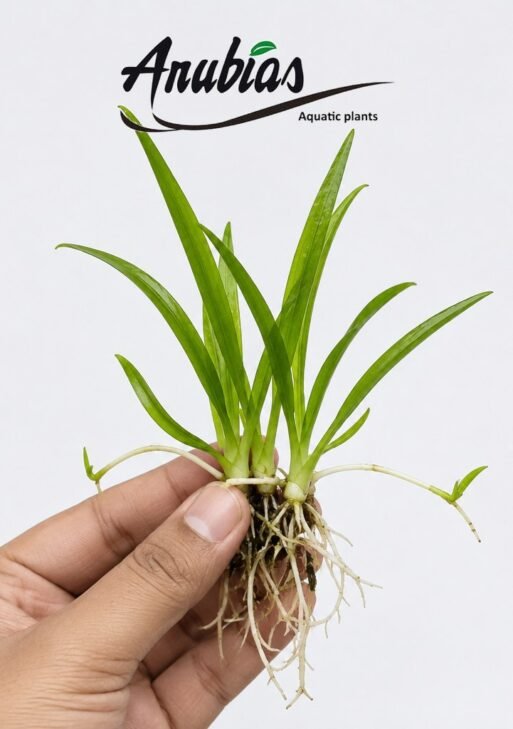
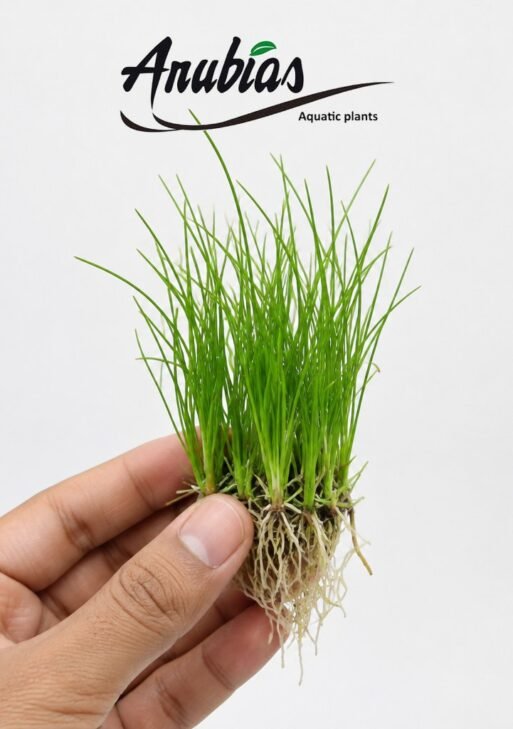
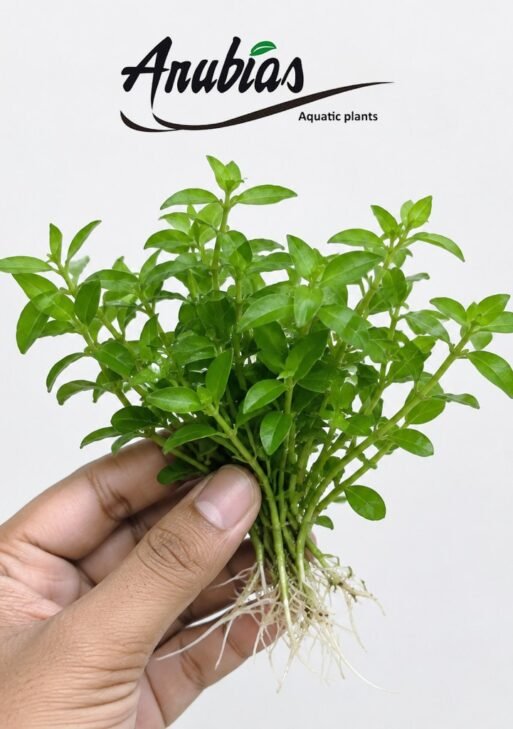
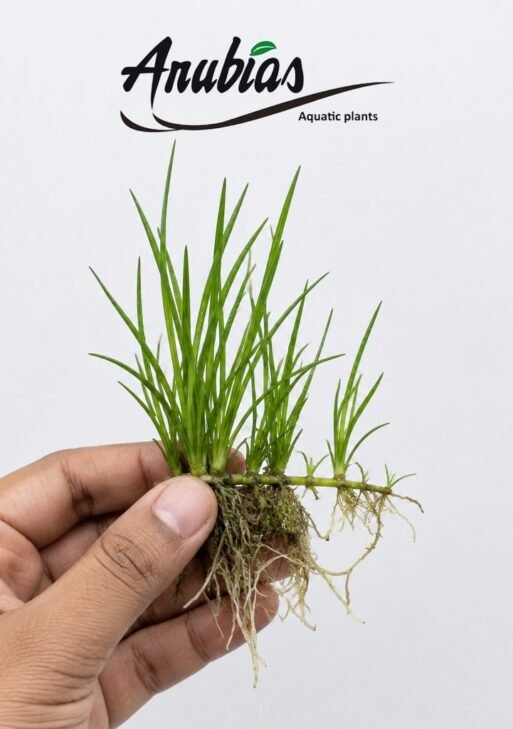
One healthy hydrocotyle tripartita rooted clump of the size you select (Small or Standard), with runners ready to split, similar to the photo. Each plant is checked before packing, packed moist and shipped across India from Surat. ₹99 shipping, free on orders of ₹999 or more.
Live-arrival guarantee: record one continuous unboxing video within 4 hours of delivery and we will refund or replace a plant that arrived damaged.
FAQ
Does hydrocotyle tripartita need CO2?
No. It grows without CO2 in moderate light, just looser and taller. CO2 gives a tight, flat carpet faster.
Is hydrocotyle tripartita good for beginners?
Yes. It is one of the most forgiving carpet plants and roots within days. The only job is trimming every two to three weeks.
How fast does hydrocotyle tripartita grow?
Fast. A planting usually fills in within a few weeks to a couple of months depending on light, CO2 and fertiliser.
Can hydrocotyle tripartita grow in sand?
Yes, in sand or fine gravel at least 3–4 cm deep with weekly liquid fertiliser. It feeds mostly through its leaves.
Hydrocotyle tripartita Japan vs mini: what is the difference?
‘Japan’ has leaves of about 1 cm and a taller, looser habit that suits bushes and clouds over rocks. ‘Mini’ is smaller and flatter. Both need the same care.
Why is my hydrocotyle growing tall and leggy?
Not enough light. Raise the intensity or move it under the lamp, and trim and replant the tops to restart a flat carpet.
Not sure what fits your tank? Plan it with our free AI tank planner.