
Description
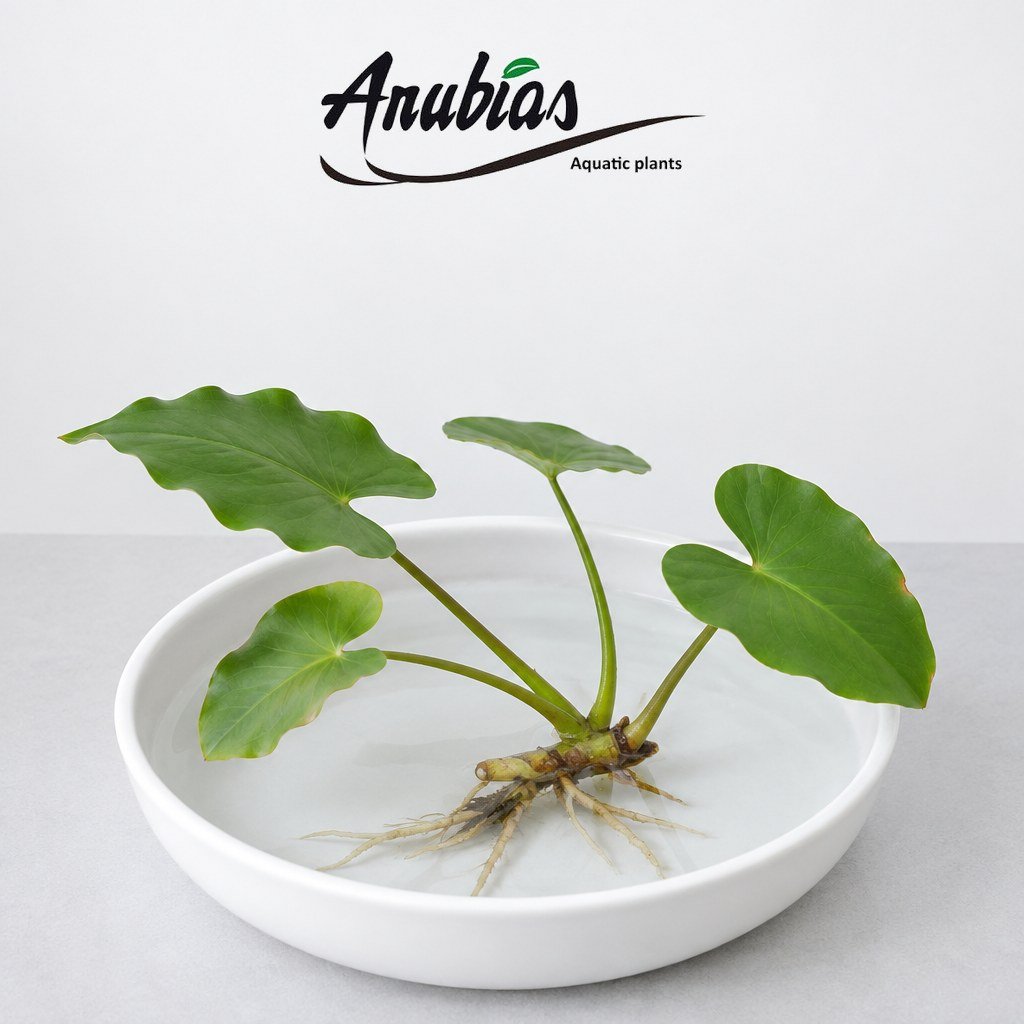
Nuphar japonica, the Japanese spatterdock or Japanese pond lily, is a rhizome plant that grows fully submerged in the aquarium, producing translucent, wavy-edged, arrow-shaped leaves in a fresh lime green. It is a relative of the water lilies but, unlike most Nymphaea, it is content to stay under water, which makes it a genuine aquarium plant for the midground or background of a medium to large tank. It suits aquarists who want a bold, leafy centrepiece without the surface pads of a tiger lotus.
Nuphar japonica at a glance
| Scientific name | Nuphar japonica |
|---|---|
| Family | Nymphaeaceae |
| Origin | Japan, Korea, north-east China |
| Difficulty | Medium |
| Light | Medium to high |
| CO2 | Recommended; grows without it but slowly |
| Temperature | 18–28 °C; tolerates short spells to 30 °C |
| pH | 6.0–7.5 |
| Growth rate | Slow to moderate |
| Height/size | 20–50 cm tall; spread 20–30 cm |
| Placement | Midground or background; solitary focal plant |
| Propagation | Rhizome division |
How to plant Nuphar japonica
The plant grows from a thick, fleshy rhizome with a growing tip at one end and roots along its underside.
- Do not bury the rhizome. Lay it horizontally on the substrate and press it in so the lower half is covered and the growing tip and leaf bases are clear. A buried rhizome rots, as with Anubias.
- Nutrient substrate. Nuphar is a heavy root feeder. Aquarium soil, or gravel with two or three root tabs beneath the rhizome, is essential.
- Anchor it. Until roots take hold (two to three weeks) the rhizome may float; pin it with a stone or a plant weight across the rhizome, never through it.
- Space. Allow 20–30 cm around it; the leaves spread sideways.
- Light position. Place it where light is unobstructed – under the centre of the fixture, not beneath floating plants.
Nuphar japonica care: light, CO2, fertiliser and water
Light. Medium-high light (0.6–1 W per litre LED) keeps the leaves compact and the lime colour bright. In low light the leaf stalks stretch and new leaves come smaller and further apart.
CO2. This is the one lily-type plant in our range where CO2 makes a real difference. Without it, expect one new leaf every two to three weeks; with CO2 at 20–30 ppm, one a week with larger leaves.
Fertiliser. Root tabs under the rhizome every six to eight weeks, plus a complete liquid fertiliser weekly. Iron and potassium shortages show quickly as pale new leaves and pinholes in old ones.
Water and heat. Hard Indian tap water is accepted. The real challenge is summer: Nuphar japonica is a temperate species and sulks above 30 °C. In May and June, keep the tank cool with a lid off, a clip fan on the surface and water changes with cooler water. Monsoon power cuts of a few hours are harmless; the rhizome stores reserves.
Growth, trimming and propagation
Growth is slow at first while roots establish, then steady. Nuphar sometimes sends up long-stalked floating leaves; cut these at the rhizome as soon as they appear and the plant stays submerged. Remove old outer leaves at the base when they yellow or collect algae.
Propagate by division: once the rhizome is 10 cm or longer with side shoots, cut it with a clean blade so each piece has a growing point and some roots, and replant. Side shoots can be twisted off when they have a few leaves of their own.
Where to use it in an aquascape
- 2.5–3 ft (75–90 cm, 100–200 L) tank: one plant as the midground centrepiece, fronted by carpeting plants and backed by fine-leaved stem plants.
- 4 ft+ (120 cm, 250 L+) tank: two or three plants spaced apart in the background among Cryptocoryne, with Anubias nana and Java fern on wood in front.
- Cool-water and biotope tanks: ideal with white cloud minnows, hillstream loaches, rainbowfish and shrimp. Avoid goldfish, which eat it, and large cichlids that uproot it.
Common problems and fixes
- Rhizome rots. Planted too deep. Replant with the top half exposed; cut away any soft section.
- Leaves melt after arrival. Normal adjustment from emersed or different water; the rhizome regrows in three to four weeks.
- Growth stalls in summer. Water above 30 °C. Cool the tank; growth resumes in the monsoon.
- Pale new leaves. Iron or general nutrient shortage; add root tabs and liquid iron.
- Pinholes in old leaves. Potassium deficiency; dose potassium.
- Floating leaves appear. Cut them at the base; the plant switches back to submerged growth.
What you receive
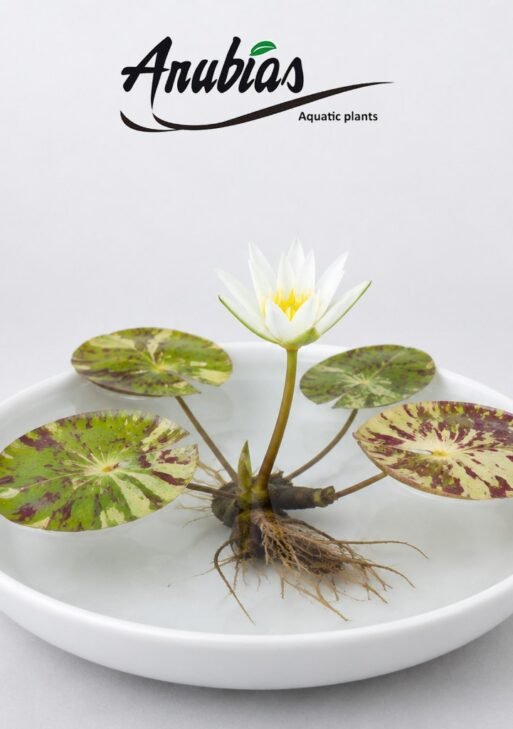
One healthy Nuphar japonica plant in the size you select – Small or Standard – similar to the plant in the photo. Checked before packing, packed moist and shipped across India from Surat. Live-arrival guarantee: record one continuous unboxing video within 4 hours of delivery and, if the plant arrived damaged, we refund or replace it.
FAQ
Does Nuphar japonica need CO2?
Not strictly, but it grows slowly without it. CO2 roughly doubles the growth rate and leaf size.
Is Nuphar japonica good for beginners?
It is manageable if you follow two rules – keep the rhizome unburied and feed the roots – but it prefers cooler water, so it is a medium-difficulty plant in Indian summers.
Can Nuphar grow in sand or gravel?
Yes, provided root tabs are placed under the rhizome. It is a root feeder and will starve in plain inert substrate.
How fast does it grow?
Slow to moderate: one new leaf every one to three weeks depending on light, CO2 and temperature.
Does it survive 30 °C water?
It survives short spells but stops growing. Keep the tank below 28 °C where possible, especially in May and June.
Nuphar japonica vs tiger lotus (Nymphaea ‘Leopard’)?
Both are lily-family rhizome plants for the midground. Nuphar stays submerged more readily and has wavy translucent green leaves; the tiger lotus grows faster, tolerates more heat and has spotted leaves.
Not sure what fits your tank? Plan it with our free AI tank planner.












There are no reviews yet.