
Walk through any aquascaping competition gallery and you will notice the best layouts are not random. Almost every striking tank traces back to one of a handful of recognised styles, each with its own rules for hardscape, planting density and upkeep. Knowing which style you are aiming for before you buy plants and driftwood saves you from the common beginner trap of mixing approaches that fight each other visually, ending up with a tank that looks busy rather than deliberate. This guide breaks down the four styles Indian hobbyists ask about most often — Iwagumi, Dutch, Jungle and Nature Aquarium — so you can pick a direction and shop for the right plants from day one.
Quick answer: Iwagumi uses an odd number of stones and one or two carpeting plants for a minimalist, meditative layout. Dutch style skips hardscape almost entirely for dense rows of colourful stem plants known as “streets.” Jungle style is a deliberately wild, densely layered look that forgives mistakes and suits low-tech tanks. Nature Aquarium style, created by Takashi Amano, combines driftwood, rock and plants into an asymmetric scene inspired by mountains or forests. For most beginners, Jungle or a relaxed Nature-style layout is the easier and more forgiving starting point.
Why Aquascaping Style Matters Before You Start
It is tempting to buy whatever plants look good on a given day and place them wherever there is space. The problem is that different styles ask for opposite things: Iwagumi wants restraint and open space, Dutch wants density and colour contrast, Jungle wants controlled chaos, and Nature Aquarium wants a single clear focal point. Picking a style first gives you a shopping list and a maintenance routine instead of a guessing game, and it is the difference between a tank that looks intentional within a month and one that looks like a garden centre shelf.
Iwagumi Style: Minimalism Built on Stone
Iwagumi is a Japanese layout built around rock placement rather than plants. The rules are specific: you use an odd number of stones (three, five or seven), never an even number, because Japanese aesthetics treat even groupings as static and artificial. The largest stone, the oyaishi, is the focal point and is placed off-centre following the rule of thirds. A second stone, the fukuishi, echoes the oyaishi in colour and texture and balances it, while smaller soeishi and suteishi stones tie the composition together without competing for attention.
Planting is intentionally sparse — usually a single carpeting species such as dwarf hairgrass or Monte Carlo covering the substrate, with little else. That simplicity is deceptive: a bare, low-growing carpet shows every algae spot and every gap instantly, so Iwagumi tanks typically need strong light, pressurised CO2 and a very consistent fertilising routine to stay pristine. It is a style that looks easy and is actually one of the least forgiving for a first attempt. If you want to try it on a smaller scale, our Dwarf Hairgrass and Monte Carlo are the two most common Iwagumi carpet choices, and our carpeting plants guide compares them in more depth.
Dutch Style: The Underwater Flower Garden
Dutch style predates most other aquascaping movements, developed in the Netherlands from the 1930s onward as dedicated planted-tank equipment first became available. Instead of rocks or driftwood, a Dutch tank relies almost entirely on plants arranged in “streets” — linear rows of a single species that start wide at the front and narrow toward the back to create depth — stacked in terraces of different heights. More than seventy percent of the substrate is typically planted, mixing leaf colours, shapes and textures the way a flower bed mixes bloom colours.
This is a high-maintenance style. Dense stem plants need weekly trimming to hold their shape, heavy nutrient dosing to support that much biomass, and usually CO2 injection to keep growth even across dozens of species. Good Dutch-style stems include Rotala, Ludwigia and Bacopa varieties. We stock Rotala Wallichii for colour contrast, and our best stem plants for beginners guide is a good next stop. If you want a full breakdown of Dutch style against its closest rival, see our dedicated Dutch style vs Nature style comparison.
Jungle Style: Wild, Layered and Beginner-Friendly
Jungle style is the opposite of Iwagumi’s restraint. It embraces a dense, layered, deliberately untamed look, with little or no visible hardscape and plants allowed to grow into and over each other the way they would in a flooded forest. Taller background species dominate like canopy trees, while mosses and low ferns fill the foreground, and the overall composition prioritises a feeling of wildness over precise lines.
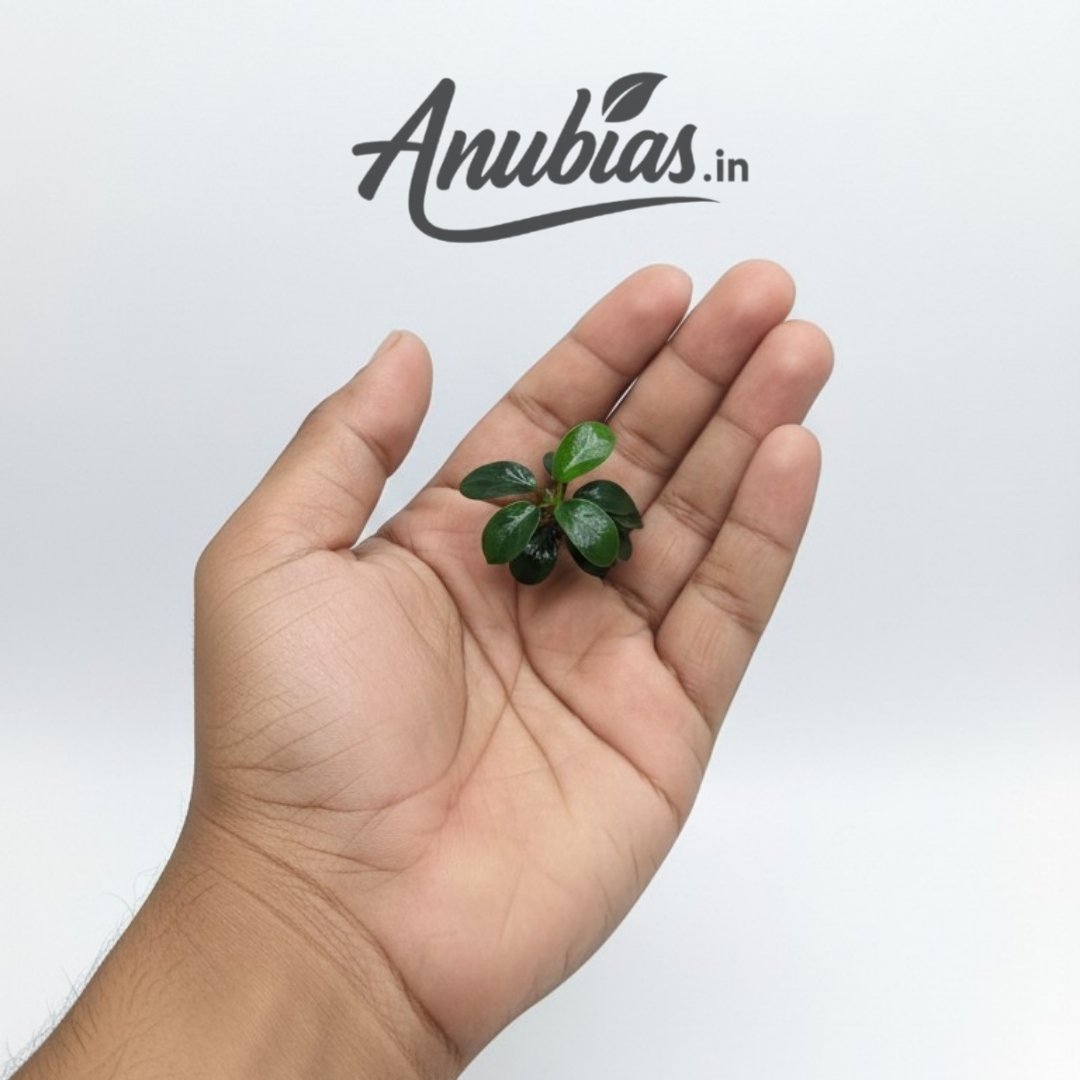
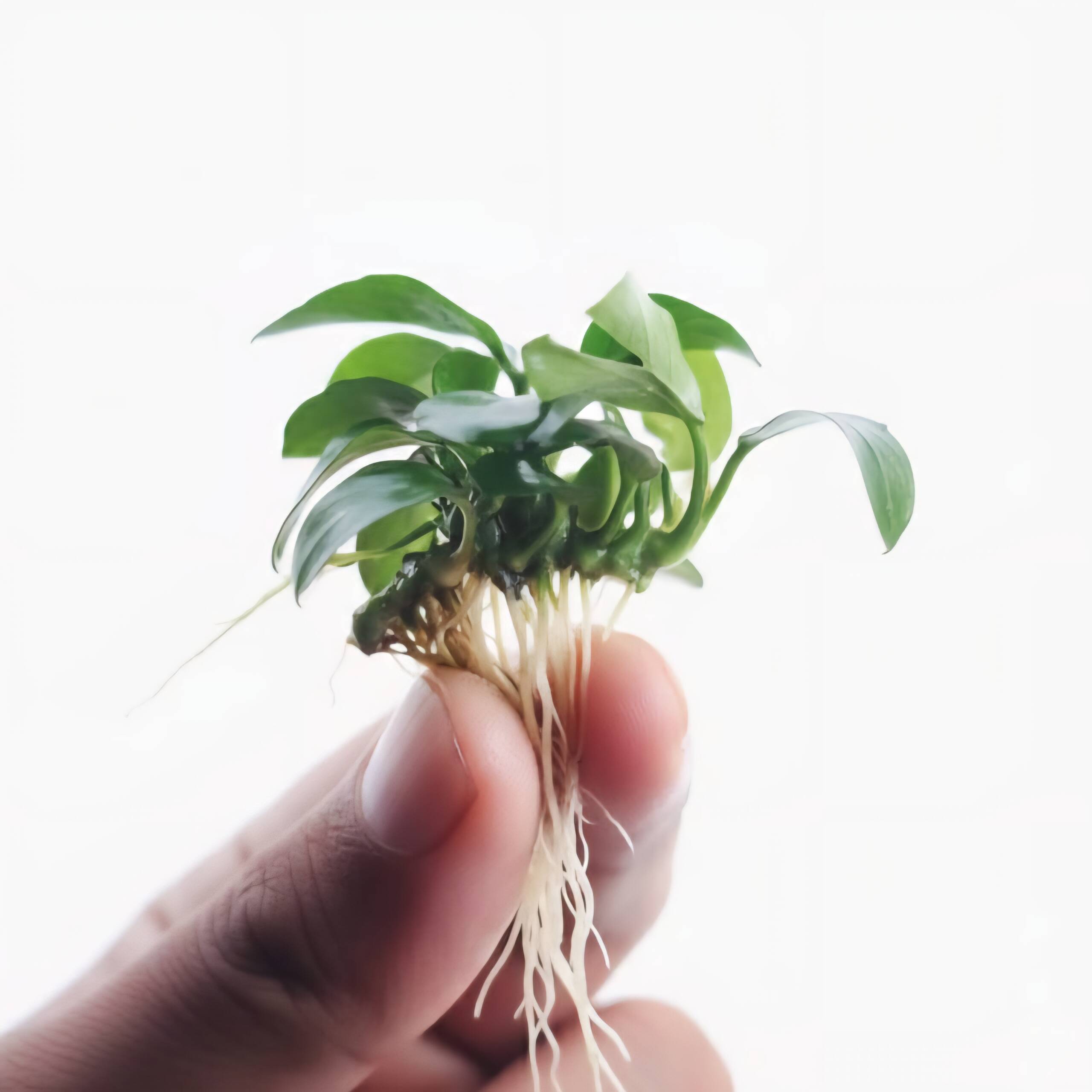
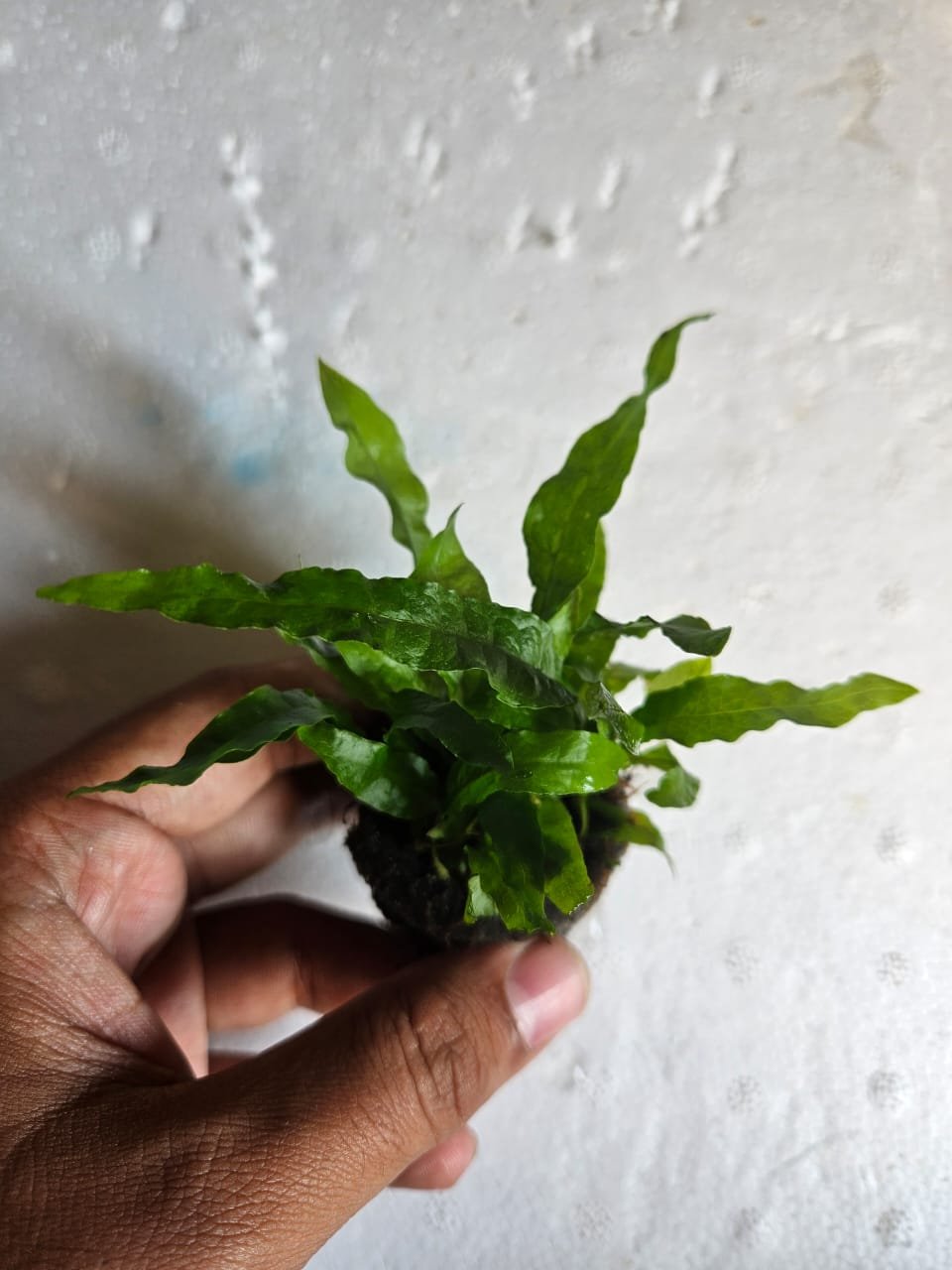
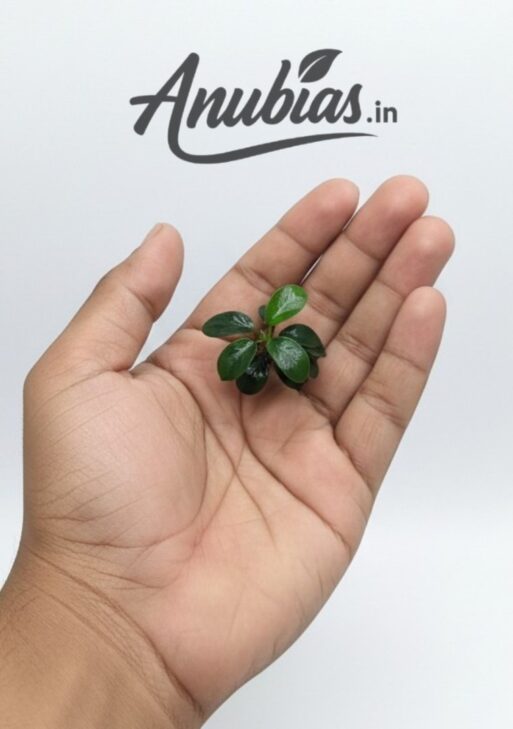
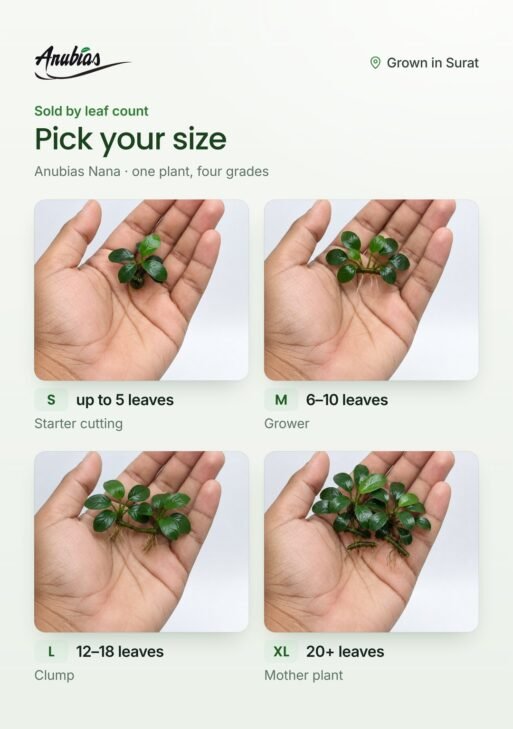
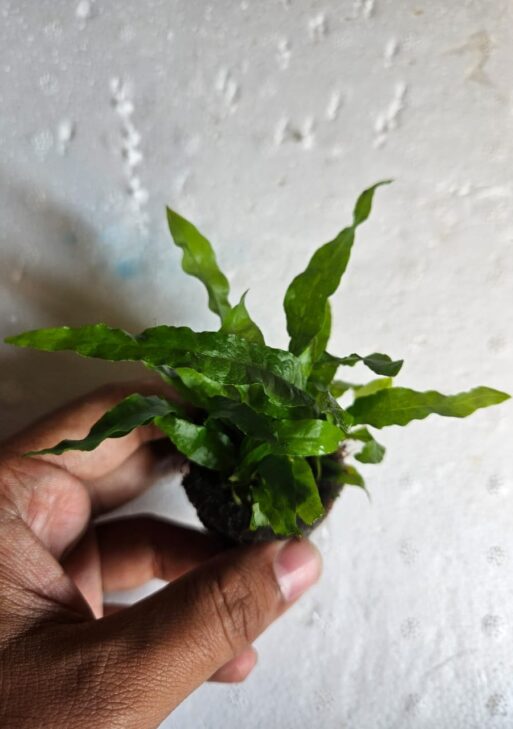
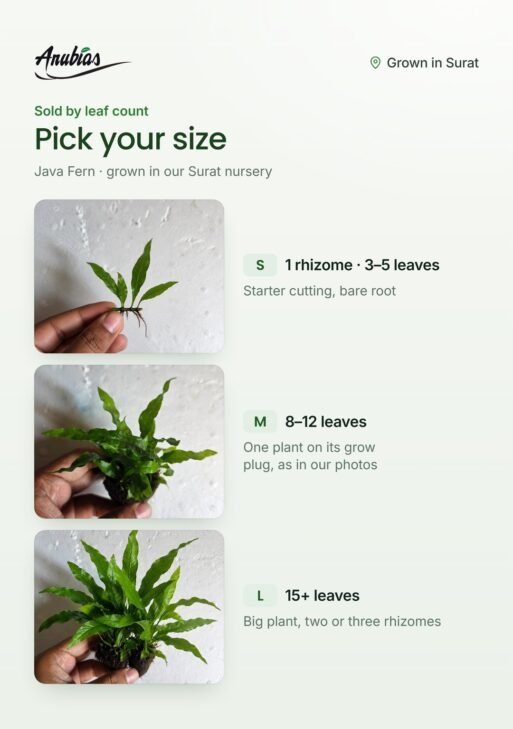
This is genuinely the most forgiving style for a first planted tank. Because the look is meant to be busy and overgrown, uneven growth, the odd gap, or a plant that grows faster than expected all blend into the aesthetic instead of ruining it. It also pairs naturally with low-tech setups, since slow-growing, low-light plants like Anubias Nana, Java Fern and Java Moss tied to driftwood will slowly fill out into a jungle look with minimal trimming. Our aquascaping ideas for beginners guide walks through simple layouts built this way.
Nature Aquarium Style: Amano’s Wabi-Sabi Landscapes
Nature Aquarium style was defined by Japanese aquarist Takashi Amano in the 1990s and remains the most influential aquascaping style worldwide. It draws on wabi-sabi, a Japanese aesthetic that values asymmetry, negative space and a sense of imperfection, combined with Japanese garden design principles like the golden ratio. Rather than copying a real place exactly, a Nature Aquarium aims to capture the feeling of a landscape — a mountain ridge, a forest floor, a river gorge — using driftwood, rock and a restrained plant palette arranged around a single focal point.
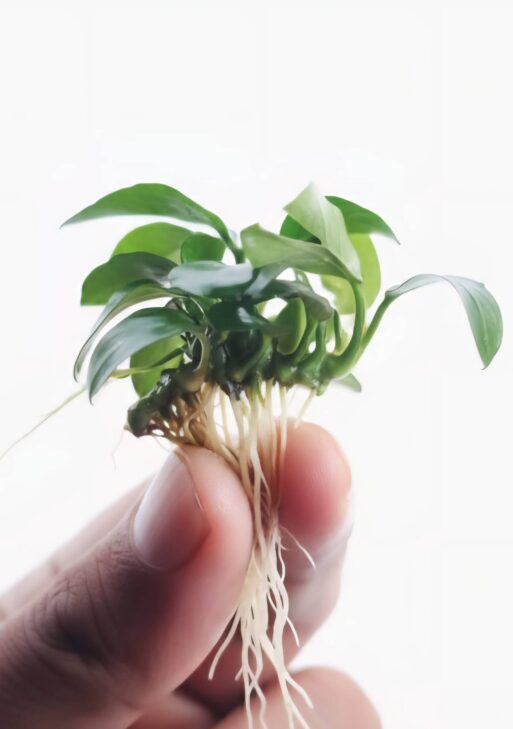
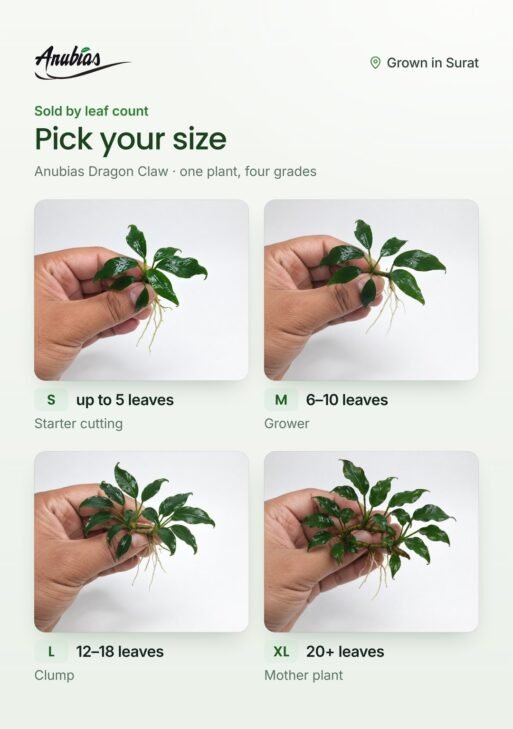
Epiphyte plants that attach to hardscape rather than needing substrate are the backbone of this style: Anubias, Bucephalandra, Java Fern and mosses tied or glued onto driftwood branches. Our guide to attaching Anubias to driftwood or rock covers the three easiest methods, and varieties like Bucephalandra ‘Wavy Green’ are a popular, budget-friendly choice for this look.
Which Style Should You Choose as a Beginner in India?
Budget, time and access to CO2 equipment matter as much as taste. Iwagumi and Dutch style both lean heavily on pressurised CO2 and disciplined dosing to look their best, which raises both the cost and the weekly time commitment — worth knowing before you commit, and our DIY CO2 guide is a useful read if you are weighing that decision. Jungle style and a relaxed, low-tech Nature Aquarium layout are far more forgiving, can run on moderate light without CO2, and still look intentional using slow growers from our low-light plant list. Most hobbyists are better served starting there and moving toward Iwagumi or Dutch style once they are comfortable with trimming, dosing and algae control.
Frequently Asked Questions
What is the easiest aquascaping style for a beginner? Jungle style is generally the easiest because dense, layered planting hides small mistakes and does not demand razor-straight lines or a spotless carpet. A relaxed Nature Aquarium layout with one piece of driftwood and a few epiphyte plants is a close second.
Do I need CO2 injection for Iwagumi or Dutch style tanks? Not strictly, but both styles are far easier with pressurised CO2. Iwagumi depends on a dense, algae-free carpet that grows much more reliably with CO2, and Dutch style’s crowded stem plants need the extra carbon to keep pace with high light and heavy fertilising.
Can I combine two aquascaping styles in the same tank? You can, and many home aquariums are informal hybrids, but competition-style scapes usually stay true to one style because mixing, for example, Dutch-level plant density with Iwagumi’s open space tends to look unresolved rather than intentional. Borrowing ideas is fine as long as one style clearly leads.
Grown in Surat (pre-order plants imported to order) · live-arrival guarantee with a 4-hour unboxing video · ₹99 shipping, free from ₹999