
What Makes a Stem Plant Different From Anubias and Other Rhizome Plants
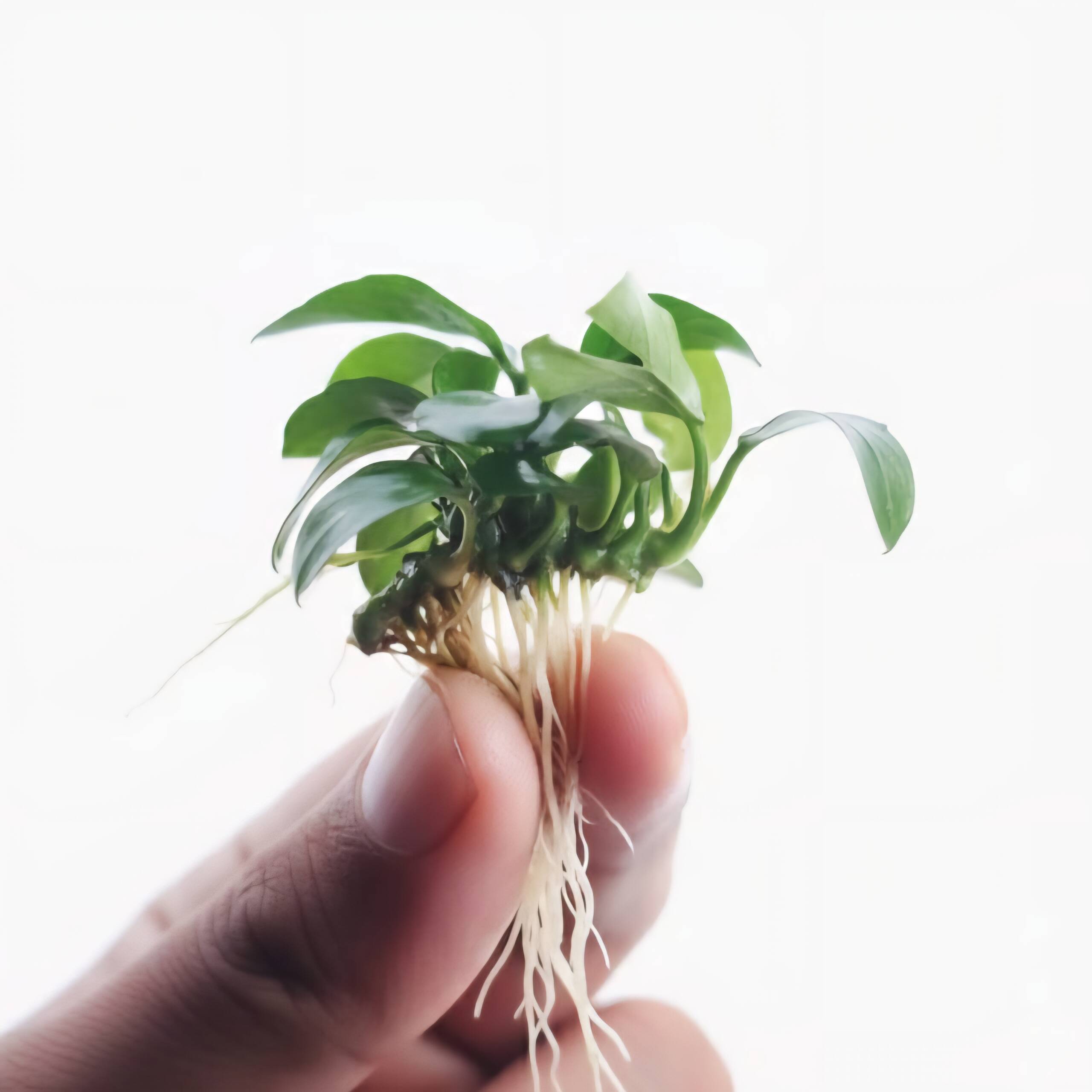
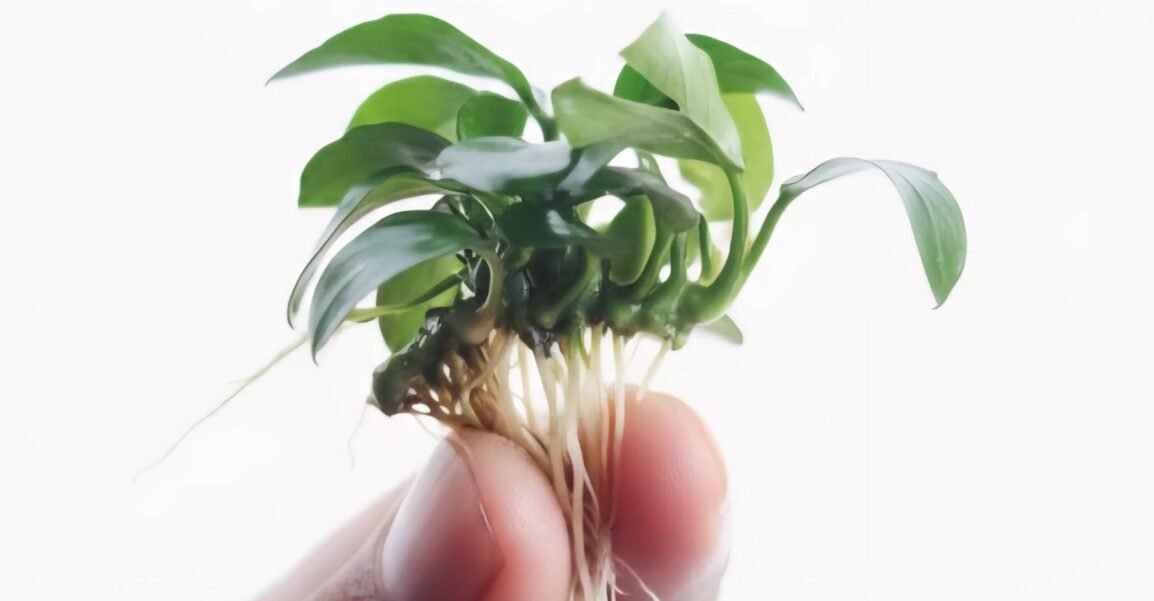
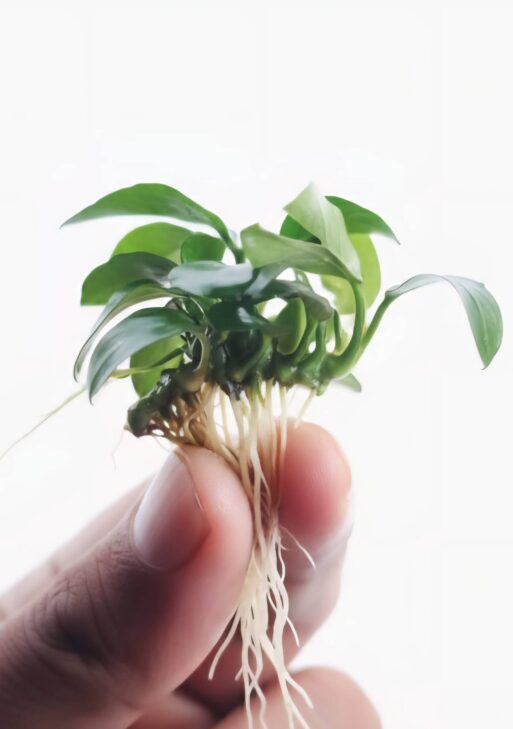
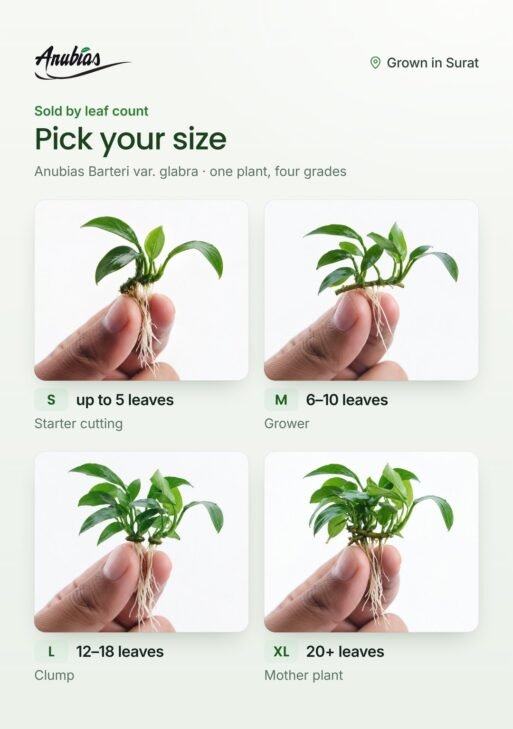
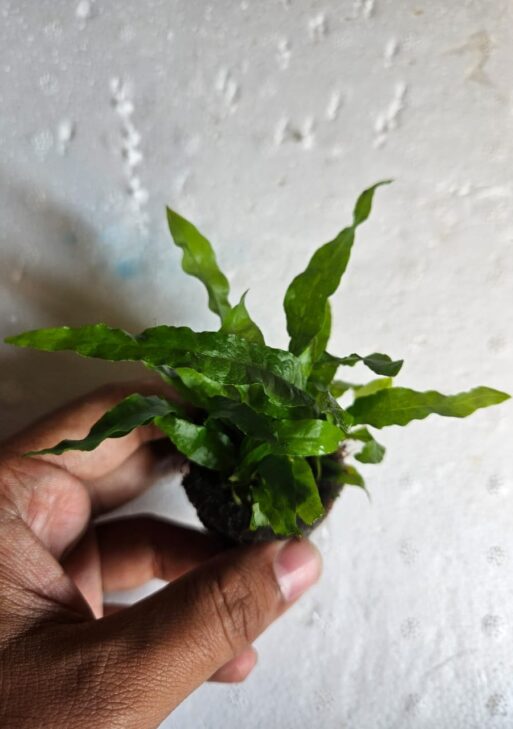
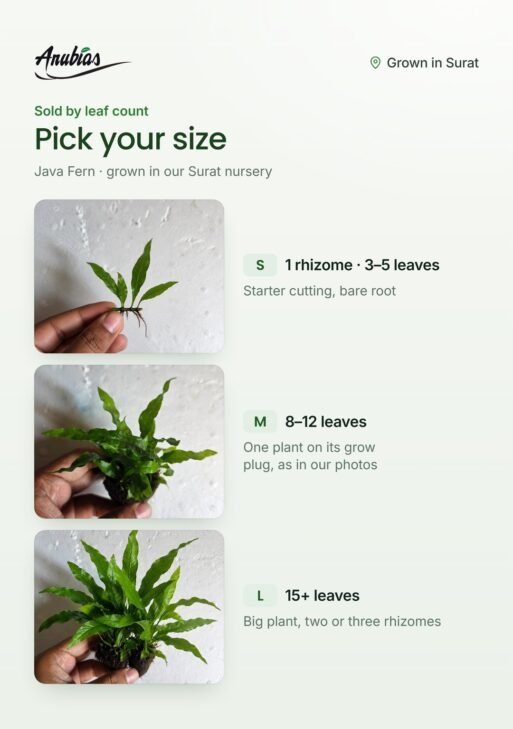
If you’ve only kept Anubias, Java Fern or Bucephalandra, stem plants grow differently. Rhizome plants grow from a thick horizontal rhizome that sits on the substrate or gets tied or glued to driftwood and rock — bury it and it rots, since the roots off it mostly anchor the plant rather than feed it.
Quick answer: Rotala rotundifolia, Hygrophila and Bacopa are the classic beginner stem plants: all tolerate low to medium light and none needs CO2 injection, though every one of them grows faster with it. Hygrophila (polysperma and corymbosa) is the genuinely hard-to-kill option across a wide range of hardness and temperature, Rotala is the one that rewards good light with colour, and Bacopa caroliniana — crush a leaf for its faint lemony scent — rounds out the trio. Expect faster growth and more trimming than rhizome plants like Anubias.
Stem plants have no rhizome. A stem plant is a vertical stem with leaves growing in pairs or whorls along its length, planted directly into the substrate and rooting from there, growing upward one node at a time until you cut it back. Anubias and Bucephalandra are slow growers that survive on whatever light and nutrients drift their way, which is why they tolerate low light so well. Stem plants are built to grow fast, chasing light in open water, and want more light, CO2 and nutrients than a rhizome plant does.
Why Stem Plants Are Still Good for Beginners
It sounds backwards to recommend a faster, higher-maintenance plant to a beginner, but the logic holds up. Fast growth means visible results — a Rotala stem that’s noticeably taller after a week tells you the tank is working, or flags a problem before an Anubias would. Stem plants also propagate for free: cut a stem, replant the top, and you’ve doubled your plant count without spending another rupee. Few beginner mistakes here are permanent — melt, legginess, even algae-covered stems can usually be cut away and regrown from healthy tissue further down.
The tradeoff is maintenance. Rhizome plants can go months without a trim; fast growers like Rotala or Hygrophila need topping every couple of weeks once established, and want more light and richer substrate or fertilizer to thrive, not just survive. In a low-tech, Anubias-only tank, stem plants can still work — you just need the right genus, which is what this comparison is about.
Rotala: The Plant That Rewards Good Light
Rotala rotundifolia
Rotala rotundifolia is the stem plant most people picture when they think “aquascape” — thin wiry stems and small narrow leaves that colour up from green to pink, orange or deep red under strong light, depending on variety and how much light and nutrients it gets. Under weaker light it just stays green — still fine, just not the showpiece it can be.
It doesn’t need pristine water or exact dosing to survive, but it’s honest about neglect. Skimp on light and it stretches — long gaps between leaves, thin stems, dropped lower foliage — reaching for more. A stringy Rotala is a diagnostic: the tank needs more light or nutrients, full stop. Give it what it wants and it’s one of the most rewarding plants a beginner can grow. Ready to level up? See how it stacks up against a fussier red cousin in our Rotala Wallichii vs Rotala Rotundifolia comparison.
Hygrophila: The Plant That’s Genuinely Hard to Kill
Hygrophila polysperma and Hygrophila corymbosa
If you want the single most forgiving stem plant to start with, it’s Hygrophila. Polysperma has rounder, lighter green leaves and grows almost absurdly fast; corymbosa (often sold as “temple plant”) has thicker stems, larger leaves, and grows more upright. Both handle a wide range of water hardness and temperature, tolerate low to medium light, and don’t need CO2 injection — though they’ll grow faster with it.
This is the plant to hand a first-timer: it roots quickly after replanting, bounces back from bad trims, and keeps growing even when lighting is inconsistent. Left untrimmed, it fills a tank fast and shades out slower plants nearby — and leftover cuttings shouldn’t go into local ponds or drains, since fast growers can establish outside the tank. Compost or bin them instead.
Bacopa: The Sturdy, Lower-Light Option
Bacopa caroliniana and Bacopa monnieri
Bacopa has thicker, almost succulent stems and leaves than Rotala, making it less fussy to handle and less prone to melting when you replant cuttings. It tolerates lower light better than Rotala, though it still grows fuller under stronger light. Growth is steady rather than explosive — slower than Hygrophila, easier to keep in check.
Bacopa monnieri deserves a mention for an Indian audience, since there’s a good chance you already know it as Brahmi — a common Ayurvedic herb grown in wet soil and shallow water across India that adapts well to submerged aquarium life. Bacopa caroliniana is the other common species; crush a leaf and you’ll notice a faint lemony scent, which is why it’s sometimes sold as “lemon bacopa.”
Stem Plant Comparison at a Glance
| Genus | Light Needs | CO2 Needed? | Growth Speed | Difficulty |
|---|---|---|---|---|
| Rotala (rotundifolia) | Low–High (best colour in stronger light) | Not required, but improves colour | Fast | Easy–Moderate |
| Hygrophila (polysperma / corymbosa) | Low–Medium | Not required | Fast to very fast | Easy |
| Bacopa (caroliniana / monnieri) | Low–Medium | Not required | Moderate | Easy |
How to Plant Bunched Stems Correctly
Stem plants are almost always sold as a bunch, held together with a lead strip, foil, or rubber band at the base. The most common beginner mistake is planting that whole bunch as one clump, tie and all. Don’t — the metal or foil isn’t meant to stay in your substrate, and a tight clump blocks light and flow to everything in the middle, which rots and melts within days.
Cut the tie away first, separate the bunch into individual stems, and strip leaves off the bottom two to three centimetres — those would end up buried and rot underwater anyway. Plant each stem on its own, a couple of centimetres into the substrate, spaced two to three centimetres from its neighbours rather than crammed together. A loose row or staggered pattern both work; the point is giving each stem room before it bushes out and fills the gaps itself.
Expect some melt in the first week or two. Most stem plants are farm-grown emersed — out of water, in humid greenhouse conditions — so the leaves they arrive with are built for air, not water, and yellow and drop as the plant redirects energy into new underwater growth. That’s normal, not a sign you’ve killed it. Keep water parameters stable and resist the urge to pull the stem out to check the roots.
Trimming and Propagation
Once a stem plant nears the height you want, or approaches the surface, cut it — this is called topping. Snip a few centimetres off the top, just below a node, with clean scissors or aquascaping snips.
Don’t throw the cutting away — push it back into the substrate as a new stem, and it will typically root within a week or two. The base won’t just sit there either: most healthy stem plants branch from the remaining nodes after a trim, so one stem becomes two or three shoots from the same base. Repeat every few weeks — more often for fast growers like Hygrophila, less often for Bacopa — and you’ll go from a handful of sparse stems to a dense, full group without buying another bunch.
Common Mistakes to Avoid
Planting too densely from day one is the big one. It’s tempting to cram every stem in for an instant “full tank” look, but dense planting before roots establish causes shading, poor flow and melt in the middle. Plant moderately and let trimming and branching fill the gaps — it takes longer, but the result is sturdier.
The second mistake is under-lighting or under-feeding, then blaming the plant. Thin, pale stems with long gaps between leaves and small leaves at the top are reaching for light they aren’t getting — a process called etiolation. The fix is more light, more consistent fertilizer, or both, not necessarily a different plant.
Finally, don’t let stems get away from you. A stem that reaches the surface and keeps growing will flop over, block light below it, and start growing sideways across the water. Top it before it gets there, not after.
Shop the plants in this guide: Rotala, Hygrophila and Bacopa cuttings are listed in the Stem Plants category on anubias.in — check what’s currently in stock and pick the genus that suits your tank’s light before you order.
Building out the rest of the layout? See our carpeting plants guide for the foreground, or floating plants for surface cover.
More Rotala in our shop: Rotala indica, Rotala macrandra ‘Pink’ and Rotala rotundifolia ‘Twilight’.
Frequently asked questions
Which stem plants are easiest for beginners?
Rotala rotundifolia, Hygrophila and Bacopa are the classic beginner stem plants. All three tolerate low to medium light and none needs CO2 injection, though each grows faster with it. Hygrophila polysperma and corymbosa are the most forgiving, handling a wide range of water hardness and temperature.
How should I plant a bunch of stem plants?
Cut away the lead strip, foil or rubber band, separate the bunch into individual stems and strip the leaves from the bottom two to three centimetres. Plant each stem a couple of centimetres into the substrate, spaced two to three centimetres from its neighbours.
Why are my stem plants growing thin and leggy?
Thin, pale stems with long gaps between leaves and small leaves at the top are reaching for light they aren’t getting, a process called etiolation. The fix is more light, more consistent fertiliser, or both, rather than necessarily switching to a different plant.
Grown in Surat (pre-order plants imported to order) · live-arrival guarantee with a 4-hour unboxing video · ₹99 shipping, free from ₹999