
Shrimp keeping has grown into one of the fastest-crossover hobbies for Indian planted tank owners — a colony of cherry shrimp grazing across a moss-covered piece of driftwood is one of the most satisfying things a low-tech tank can produce. But shrimp are far less forgiving of water chemistry mistakes than most fish, and a few very common planted-tank habits, especially around fertilisers, can wipe out a colony overnight. This guide covers which shrimp to start with, the water parameters that actually matter, and which plants make the best home for them.
Quick answer: Neocaridina (cherry shrimp) are the easier starting point for Indian tap water, tolerating GH 6-8, KH 3-5 and a moderately hard supply, while Caridina species need soft, RO-remineralised water and are far less forgiving. Always check fertilisers and medications for copper, which is lethal to shrimp even in trace amounts. Java Moss, Anubias and Bucephalandra are the safest, most useful plants since shrimp graze biofilm off their leaves without damaging them, and a sponge filter protects babies far better than a standard intake.
Neocaridina vs Caridina: Which Should You Start With?
Neocaridina, the group that includes cherry, yellow and blue dream shrimp, are the more adaptable species and the better starting point for most Indian keepers. They tolerate a fairly wide range of GH and KH and generally do well in moderately hard tap water without heavy remineralising. Caridina species, including crystal red and bee shrimp, need soft, acidic water with low GH and KH, conditions that usually mean building your water from RO with a remineralising salt rather than relying on tap water directly. Housing the two together is not recommended, since their ideal water chemistry pulls in opposite directions and one group will always be kept outside its comfort zone.
The Copper Problem: What Kills Shrimp Fastest
Copper is the single most common cause of sudden, unexplained shrimp deaths in an otherwise healthy tank. Invertebrates cannot process copper the way fish can, and even trace amounts from a fertiliser, a medication, or old copper plumbing can wipe out an entire colony within days. Before dosing anything in a shrimp tank, check the label for copper or copper sulfate, and if your tap water passes through old copper pipes or a municipal copper-based algaecide treatment, consider switching to RO water as a base. This one habit prevents more shrimp losses than any water parameter adjustment.
Water Parameters That Actually Matter
For Neocaridina, aim for GH 6-8, KH 3-5 and a TDS roughly in the 180-250 ppm range, with temperature between 20-24°C. Caridina keepers generally target a softer GH 4-6, KH 0-2 and a lower TDS closer to 100-150 ppm. In both cases, stability matters more than hitting an exact number — a slow, gradual shift is far safer than a fast correction, and new shrimp should always be drip acclimated over 30-60 minutes rather than dropped straight into different water. Our water parameters guide covers pH, GH and KH basics if you are testing for the first time.
Best Plants for a Shrimp Tank
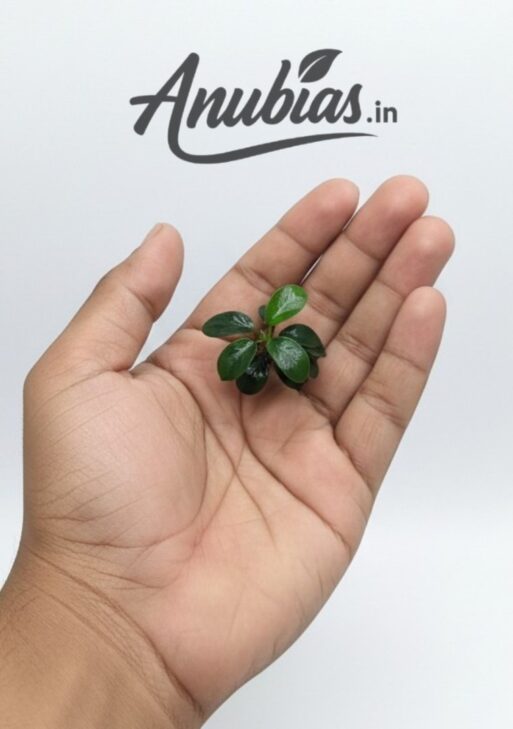
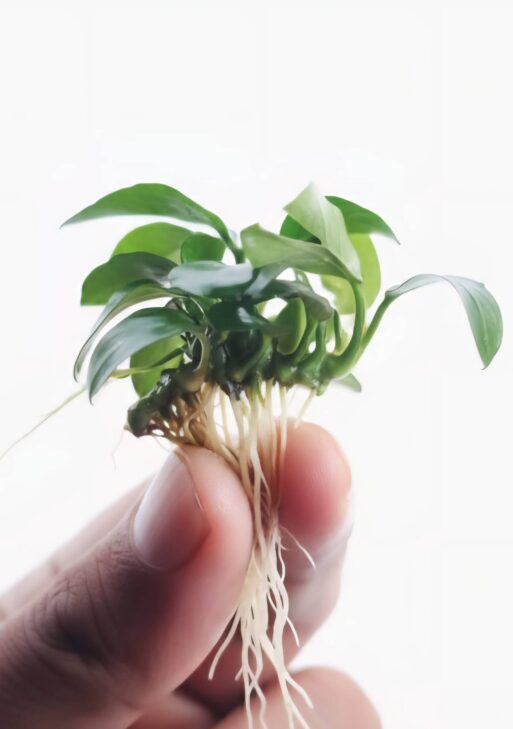
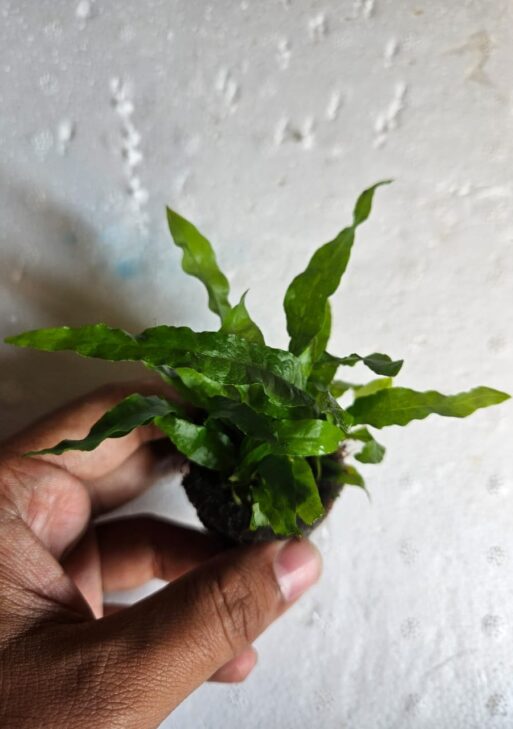
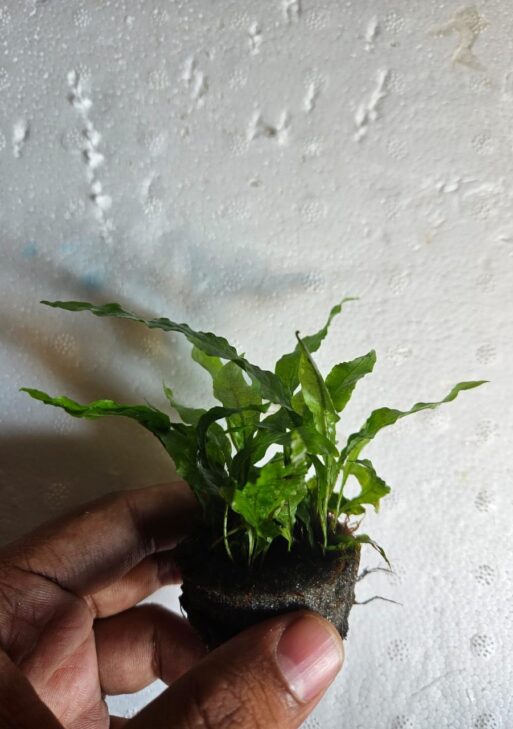
Moss is the single best category of plant for a shrimp tank: it grows a constant layer of biofilm and microorganisms that shrimp graze on all day, and its dense structure gives newly moulted shrimp and tiny shrimplets somewhere to hide from view. Java Moss, Christmas Moss and Flame Moss are all easy, low-tech choices. Epiphytes like Anubias Nana Petite and Bucephalandra add the same grazing surface on a slower-growing, hardier plant, and a Monte Carlo or dwarf hairgrass carpet gives adult shrimp cover at substrate level while they forage. None of these need CO2 or heavy dosing, which keeps water chemistry more stable, exactly what a shrimp tank wants.
Setting Up the Tank: Substrate, Filtration and Tankmates
Substrate choice affects water chemistry more than most keepers expect: active, nutrient-rich soils tend to lower pH and suit Caridina, while inert sand or gravel keeps water closer to tap parameters and suits Neocaridina. Our substrate guide breaks down the options in more depth. For filtration, use a sponge filter or fit a fine mesh guard over any intake — standard filter intakes are a leading cause of shrimplet losses. Isopods make a genuinely compatible tankmate rather than a threat, working the substrate as a bioactive clean-up crew; see our isopods guide for details. For fish tankmates, stick to small, peaceful nano species and expect that most fish will reduce how many shrimplets survive to adulthood, even if they cannot catch the adults; our tank mates guide has more on compatible combinations.
Feeding and Maintenance
In a mature, moss-heavy tank, biofilm alone covers a large share of a shrimp colony’s diet, so overfeeding is a far bigger risk than underfeeding. Offer a small amount of shrimp-specific food or blanched vegetable every couple of days and remove anything uneaten within a few hours to avoid fouling water. Keep water changes small and frequent rather than large and occasional, since sudden parameter shifts are harder on shrimp than on almost any fish you might keep alongside them.
Molting, Breeding and Growing a Colony
\nShrimp shed their exoskeleton regularly as they grow, and a freshly moulted shrimp is soft, pale and briefly defenceless, which is another reason dense moss or leaf litter matters so much: it gives them somewhere to hide until the new shell hardens over the next day or two. Do not remove the discarded shell after a moult, since shrimp and other tank inhabitants eat it to recover the calcium and minerals used to build it, and pulling it out just forces the colony to source those minerals from the water instead. Breeding itself needs no special intervention in a stable, well-fed tank. A berried female carrying eggs under her tail will fan and clean them for two to three weeks before releasing fully formed miniature shrimp, and colony growth from there is really just a function of keeping parameters stable, feeding lightly, and giving shrimplets enough moss and biofilm to grow into.
\n\nMore fish and shrimp guides:
Frequently Asked Questions
Will shrimp eat my aquarium plants? Healthy shrimp are grazers, not plant eaters. They pick biofilm and algae off leaf surfaces and driftwood rather than eating live plant tissue, so visible plant damage is more likely caused by snails, fish or natural melting than by shrimp.
Can I keep shrimp with fish? Small, peaceful nano fish can coexist with adult shrimp, but most community fish will eat shrimp fry given the chance, so colonies rarely multiply well in a mixed tank. For breeding purposes, a shrimp-only tank is far more reliable.
Do shrimp need CO2 or special lighting? No. Shrimp thrive in low-tech tanks with moderate lighting and no CO2 injection. Many keepers deliberately avoid CO2 because the pH swings from inconsistent injection are harder on shrimp than on most fish.
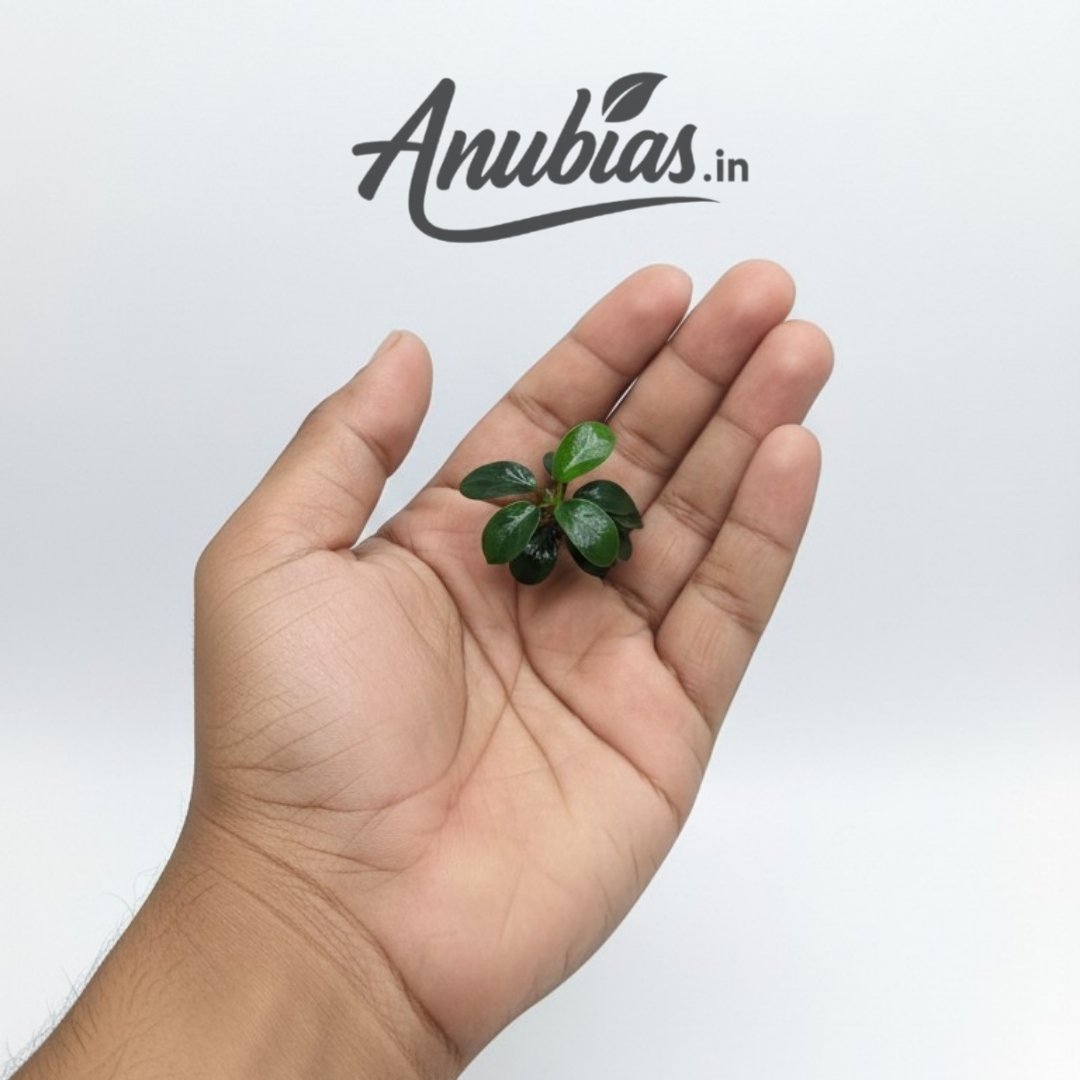
Anubias Nana
₹90
Buy Now
|
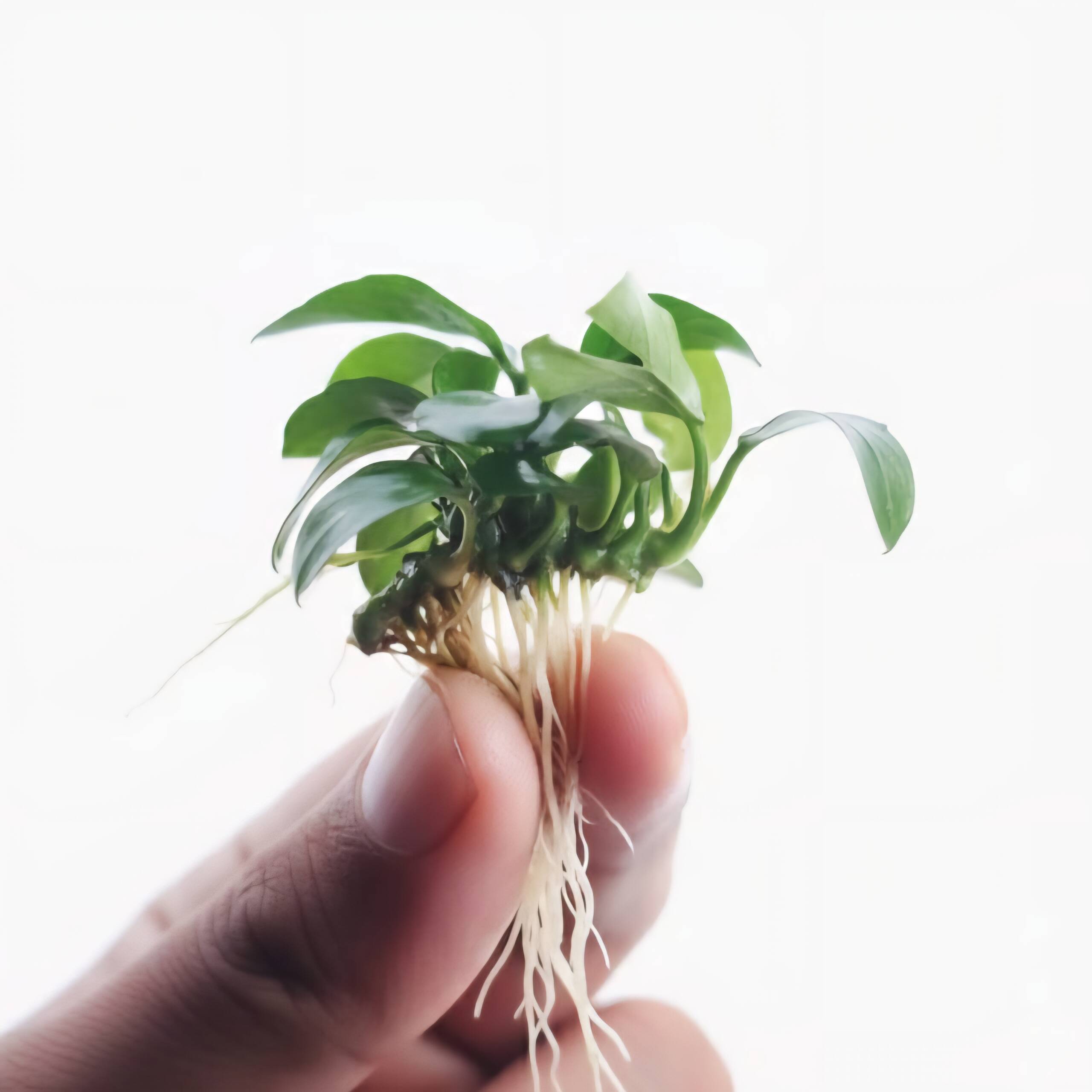
Anubias Barteri var glabra
₹90
Buy Now
|
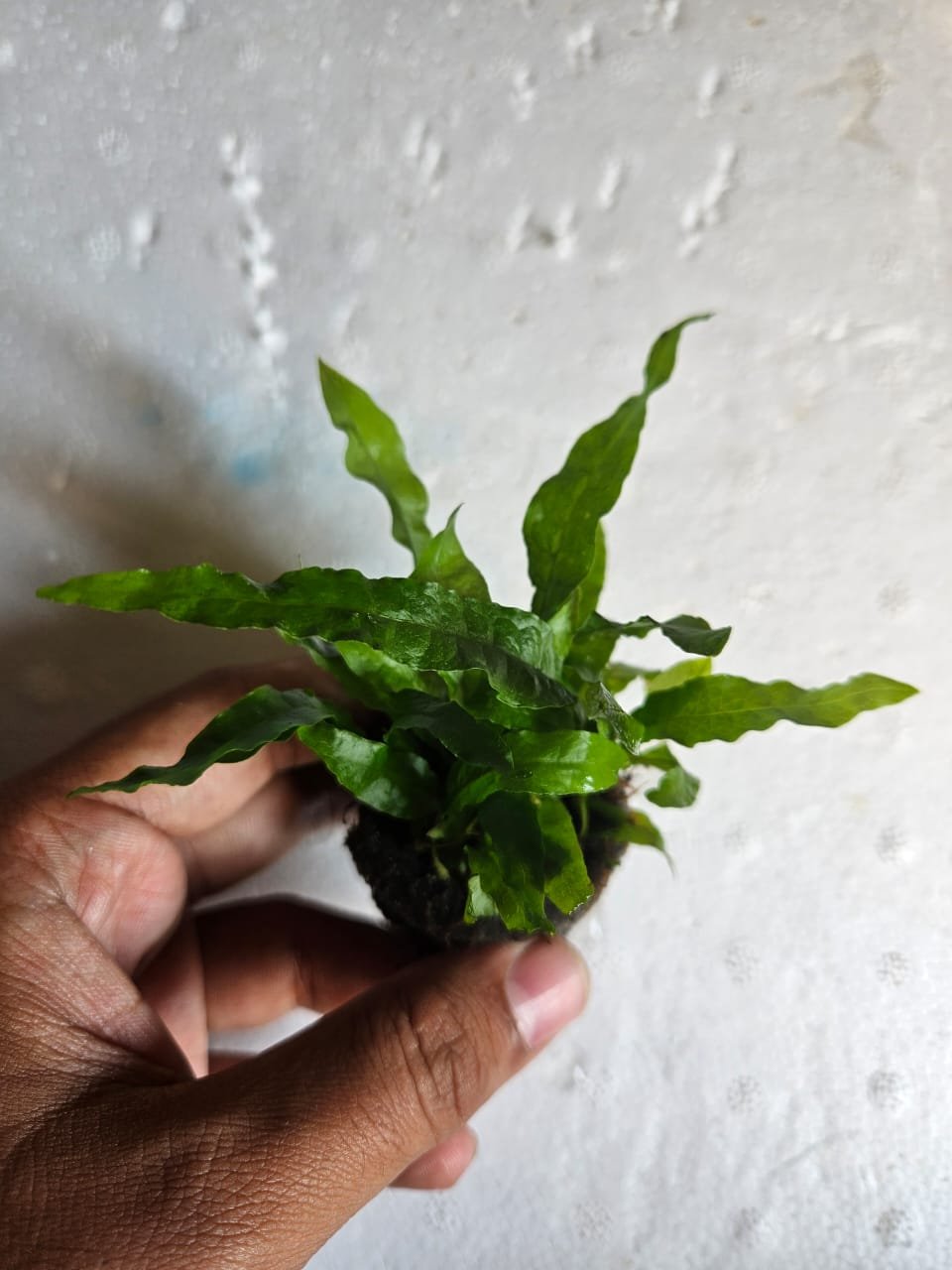
Java Ferns (Microsorum pteropus)
₹175
Buy Now
|