
Quick answer: A clean-up crew grazes algae and leftovers, but it never fixes the cause. In India the practical options are Amano shrimp where you can find them, Neocaridina, nerite snails, humble ramshorn and trumpet snails, Otocinclus in mature tanks, and a true Siamese algae eater. Keep the photoperiod at six to eight hours, stock modestly, and quarantine everything before it meets your plants.
What a clean-up crew can and cannot do
A clean-up crew is a maintenance team, not a cure. Shrimp, snails and small algae-eating fish graze soft films, biofilm and leftover food, which keeps a tank looking tidy between water changes. They do not lower your light, stabilise your CO2, or remove the excess nutrients that let algae start in the first place.
If your tank is growing algae faster than the animals can eat it, the animals are not the problem. Fix the photoperiod first, keep it to six to eight hours, improve flow, stop overfeeding and dose fertiliser consistently. Then add a crew to hold the line, and it will actually look like it is working.
Scale is the other limit. A dozen shrimp will not clear a tank already carpeted in hair algae, so wipe, trim and siphon first, then let the crew stop it coming back.
The realistic Indian options
Amano shrimp
Amano shrimp are the best general algae grazers in the hobby, and they will work on hair and thread algae that most animals ignore. The catch in India is supply: they do not breed in fresh water, so every one sold here is imported or wild-collected, and availability comes and goes by season and by city. Expect to pay noticeably more than for cherry shrimp, and expect stock to vanish for weeks at a time.
Neocaridina, the cherry shrimp
Neocaridina are the workhorse. They are bred locally, widely available, cheap enough to stock properly and they breed in your tank, so the colony replaces losses on its own. They are grazers rather than plant eaters, and damage blamed on shrimp is usually snails, fish or natural melting.
They are weaker on tough algae than Amanos. Neocaridina clean biofilm, diatoms and soft green film beautifully, and pick at short hair algae, but they will not clear an established mat. Target GH 6 to 8, KH 3 to 5 and TDS around 180 to 250 ppm, and remember that stability matters more than any exact number.
Nerite snails
Nerites are the most efficient algae scrapers you can put in a planted tank, and the only ones that reliably clear green spot algae from glass and hard Anubias leaves. They breed only in brackish water, so they will never overrun your tank. They do leave small white eggs on wood and hardscape that never hatch, which some people find ugly.
They also climb out, so keep a lid or a low water line.
Ramshorn and Malaysian trumpet snails
These arrive as hitchhikers more often than they are bought, and they are genuinely useful. Ramshorn snails clear leftover food, dying leaves and soft algae. Malaysian trumpet snails burrow through the substrate, which stops anaerobic pockets forming under a carpet and keeps the bed loose.
Both multiply in proportion to the food available. A population explosion is a feeding problem wearing a shell, not an infestation.
Otocinclus
Otocinclus are excellent on brown diatoms and soft green film, and they are gentle enough for the most delicate plants. They are also fragile. Most are wild-caught, arrive underfed and thin, and a large share die in the first two weeks regardless of what you do.
Only add them to a mature tank that already has enough algae and biofilm to feed them, never to a tank set up last month. Buy ones with rounded bellies, keep six or more, and supplement with blanched courgette once visible algae runs out.
Siamese algae eater, and the flying fox sold as one
The true Siamese algae eater, Crossocheilus oblongus, is one of very few fish that will eat hair and thread algae, and young ones sometimes touch black beard algae. It is also routinely mis-sold. The flying fox has a gold stripe above the black band, more colourful fins and a distinctly aggressive streak; the true SAE has a plain black stripe that runs right into the tail and clear, colourless fins.
Even the real thing grows to around 13 to 15 cm and slows down on algae as it matures, taking prepared food instead. It needs a tank of a reasonable footprint, not a nano.
Common plecos
The common pleco sold cheaply in almost every Indian shop is a mistake in a planted tank. It reaches 30 cm or more, produces a huge amount of waste, and rasps holes in soft-leaved plants such as Amazon sword and Echinodorus. Avoid large plecos and goldfish in a planted tank. Small bristlenose plecos are a better compromise, but still messy.
Which algae each animal actually eats
| Algae | What helps |
|---|---|
| Brown diatoms | Otocinclus, nerites, Neocaridina |
| Green spot algae | Nerites, mainly on glass and hard leaves |
| Green film and biofilm | All shrimp, all snails, Otocinclus |
| Hair and thread algae | Amano shrimp, true Siamese algae eater |
| Black beard algae | Essentially nothing eats it reliably |
| Blue-green algae | Nothing; it is a bacteria problem, fix flow and substrate |
Black beard algae is the important line in that table. No animal is a solution for it. Trim affected leaves, correct unstable CO2 and weak flow, and accept that the crew is irrelevant here. Hydrogen peroxide and algaecides are risky for shrimp, snails and sensitive plants.
Stocking numbers by tank size
- 10 to 20 litres: 5 to 10 Neocaridina, or 1 nerite. No fish.
- 40 to 60 litres: 15 to 25 Neocaridina, 1 to 2 nerites, 3 to 5 Amanos if you find them.
- 80 to 120 litres: 30 or more Neocaridina, 2 to 3 nerites, 6 Otocinclus in a mature tank.
- 150 litres and up: the above, plus 2 to 3 true Siamese algae eaters if the footprint allows.
One nerite per 40 to 50 litres is a sensible ceiling. More than that and they run out of algae and starve slowly, which is easy to miss because a starving snail simply stops moving.
Heat tolerance in Indian summers
Most Indian tanks sit at 28 to 32 degrees in summer without a chiller, and that is above the comfortable range for several of these animals. Neocaridina do best at 20 to 24 degrees; they survive higher, but breeding slows, lifespans shorten and losses climb once the tank holds above 30 for days at a time. Caridina are far less forgiving and are a poor choice in an uncooled room.
Nerites, ramshorn and trumpet snails handle the heat best. Otocinclus tolerate warmth but combine it badly with the low oxygen that comes with it. Practical fixes: a clip fan blowing across the surface, a lower water level for more surface agitation, an air stone running through the afternoon, and the lights on in the evening rather than the hottest part of the day.
Pest snails are not a disaster
Most small hitchhiker snails do not harm healthy plants; they mainly eat leftover food and algae. The problem is population growth when food is plentiful, so the fix is feeding less rather than killing snails. Crush or net a few each week, drop in a slice of cucumber overnight and remove it covered in snails in the morning.
Assassin snails work, but slowly, reducing numbers over months rather than weeks, and they breed themselves. Quarantining new plants for one to two weeks is enough for most snail eggs to hatch so you can remove them, and an alum soak of a couple of hours in dechlorinated water is the gentler dip option. Delicate plants such as mosses, fine-leaved carpets and soft stems are the ones most likely to melt after any dip.
Plant safety and what gets eaten
Shrimp and nerites are safe with everything. Ramshorn snails will finish off leaves that are already dying, which looks like damage but is not. The animals that genuinely eat healthy plants are large plecos, goldfish, silver dollars and most cichlids, which rasp soft leaves such as swords and stems.
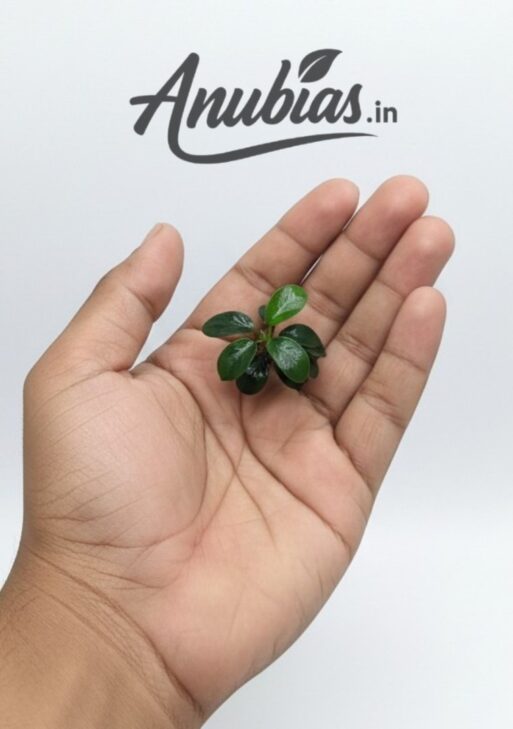
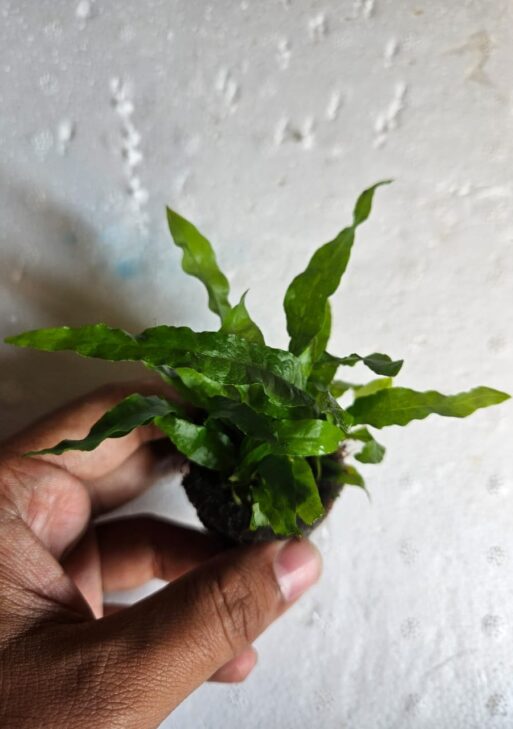
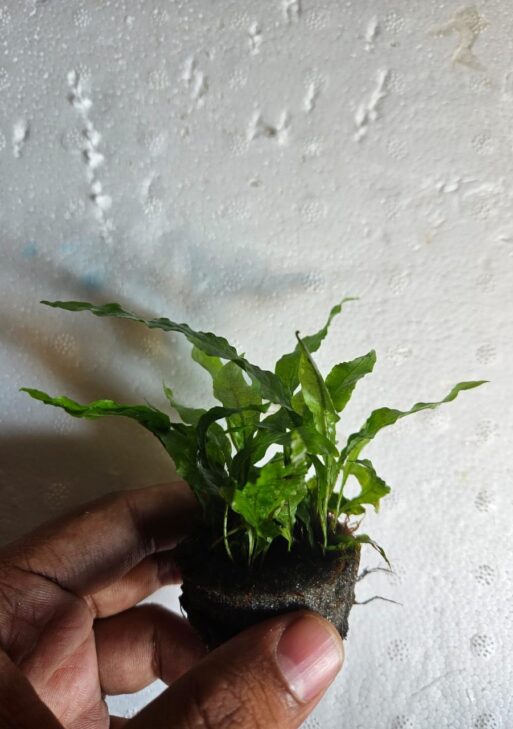
Anubias, Java fern, Bucephalandra and mosses are effectively unchewable and are the safest base for a tank with a working crew. Anubias in particular shrugs off algae; a leaf can stay in the tank for a year and the rhizome usually survives even a bad outbreak.
Quarantine and acclimatisation
Quarantine new livestock away from the display for two weeks, and new plants for one to two weeks if you want to catch snail eggs. It is dull, but it is the single habit that prevents most disasters.
Drip acclimate new shrimp over 30 to 60 minutes rather than dropping them straight into different water; the same applies to snails and Otocinclus, which are often shipped in water nothing like yours. Match temperature first, then let parameters converge slowly, and leave the lights off afterwards.
One last note of honesty: we sell live aquarium plants and isopods, not fish or shrimp. Everything above is what we would tell a friend to buy elsewhere, from a local shop where you can see the animals before they come home with you.
Plants in this guide


Frequently asked questions
What is the best algae eater for a planted tank in India?
For most Indian tanks, Neocaridina shrimp plus one or two nerite snails give the best result for the money and are easy to find. Amano shrimp are better on hair algae but are imported, pricier and often out of stock. Add Otocinclus only once the tank is mature.
Are Amano shrimp available in India?
Sometimes. They do not breed in fresh water, so all stock here is imported or wild-collected and availability comes and goes by season and city. Expect to pay well above cherry shrimp prices and to wait for stock rather than find them on demand.
Will a clean-up crew remove black beard algae?
No. Nothing eats black beard algae reliably, and the true Siamese algae eater only sometimes touches it when young. Trim affected leaves, stabilise CO2 and improve flow. Treat BBA as a tank-condition problem, not a livestock one.
Do I need to get rid of pest snails on new plants?
Not urgently. Small hitchhiker snails mainly eat leftover food and algae and do not damage healthy plants; they only multiply when there is too much food. Quarantine new plants for one to two weeks, remove hatchlings, and feed less.
Can shrimp and Otocinclus survive Indian summer temperatures?
They survive but do not thrive. Neocaridina prefer 20 to 24 degrees, and at a sustained 28 to 32 degrees breeding slows and losses rise. Use a clip fan across the surface, extra aeration and evening lighting; snails handle the heat best.
Plants do half the work
Fast growers and floaters starve algae before a clean-up crew ever has to. Browse them in the shop.