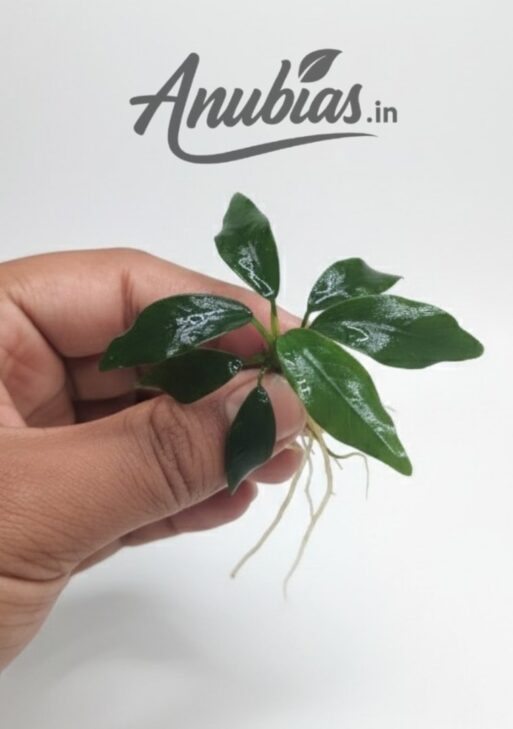

Tiny snails often arrive on new aquarium plants as eggs or babies. A few are harmless, but they can multiply quickly in tanks with excess food. Here is how to check, clean and quarantine plants so pests stay out.
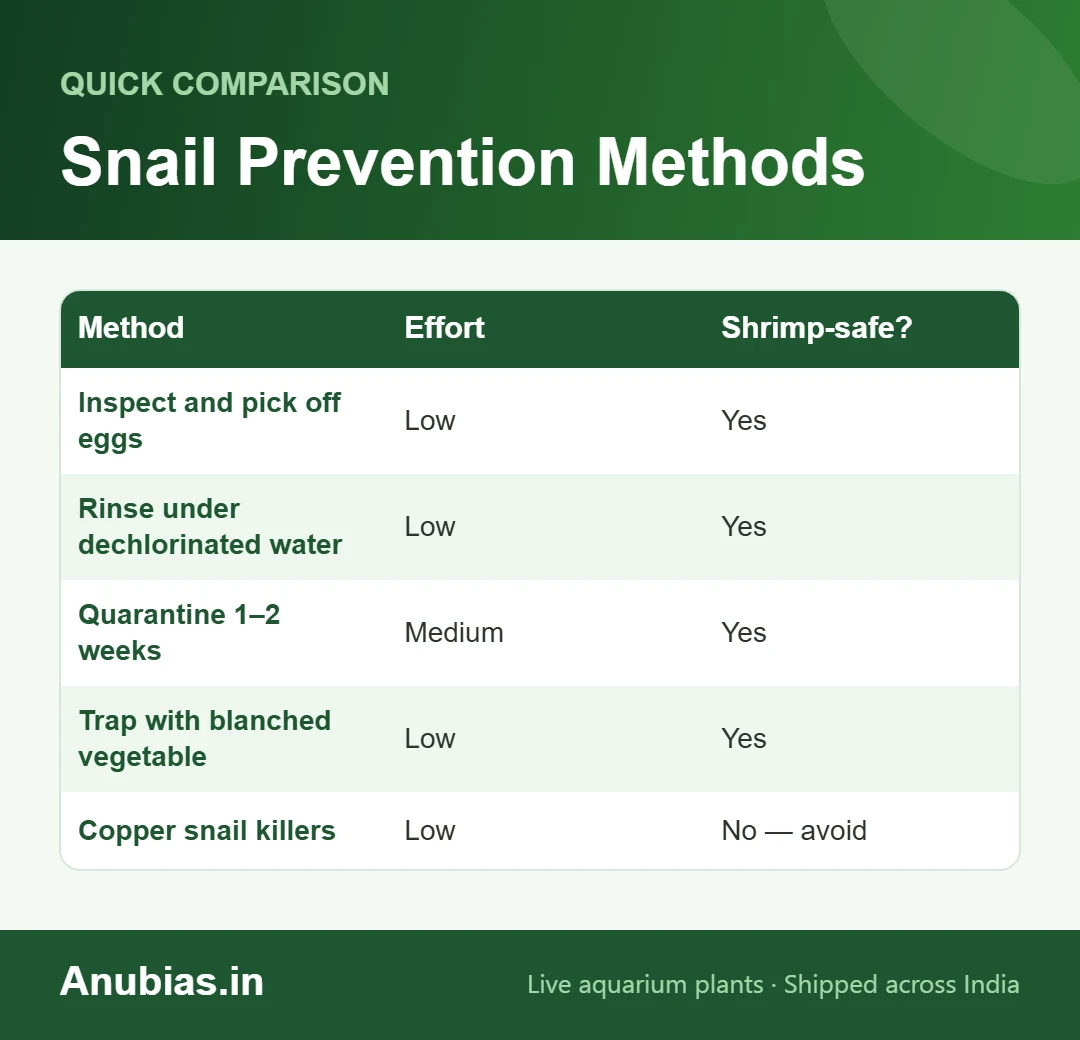
Quick answer: To remove snails from new aquarium plants, inspect every leaf and rhizome and pick off snails and clear jelly-like egg clusters, rinse the plant under dechlorinated water, then quarantine it in a separate container for 1–2 weeks and remove any snails that hatch. Avoid copper-based snail killers, which harm shrimp. Long term, snail numbers stay low when you do not overfeed.
Step 1: Inspect carefully
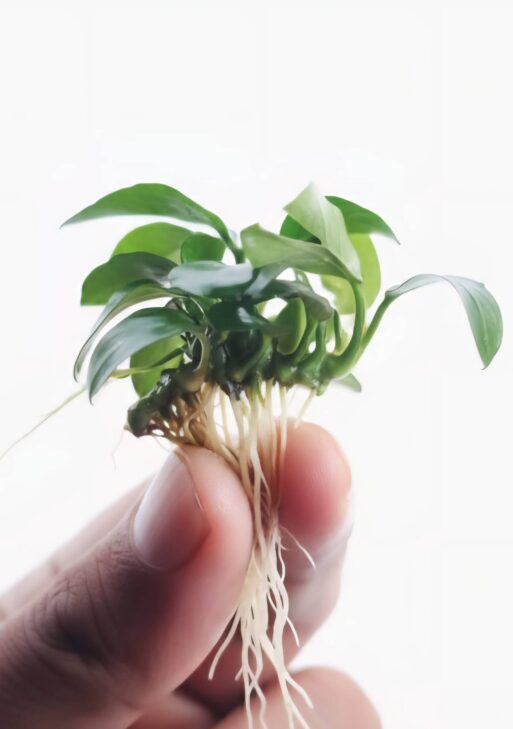
Check leaf undersides, the rhizome, roots and any wood or rock the plant is tied to. Snail eggs look like small clear or whitish jelly blobs; scrape them off gently with a fingernail.
Step 2: Rinse
Rinse the plant in a bowl of dechlorinated, room-temperature water, swishing gently to dislodge baby snails. Keep Anubias and Bucephalandra rhizomes wet and avoid rough scrubbing.
Step 3: Quarantine
Keep new plants in a separate container with dechlorinated water and light for 1–2 weeks. Any eggs that were missed will hatch and can be removed before the plant goes into your main tank.
What to avoid
- Copper-based snail killers: toxic to shrimp and can linger in the tank.
- Strong chemical dips without research: delicate plants can be damaged.
- Overfeeding: the main reason a few snails become hundreds.
Optional dips if you want extra insurance
Inspection, rinsing and quarantine handle most cases. If you are stocking a tank you really want to keep snail-free, a dip adds a layer, but only if you accept that every dip stresses the plant and some plants tolerate them poorly.
- An alum soak is the gentlest of the common options. Dissolve alum in a bucket of dechlorinated water, soak the plants for a couple of hours, then rinse thoroughly in fresh water before planting.
- A short dilute hydrogen peroxide dip is quicker but harsher, and a few minutes is the maximum. Rinse well afterwards.
- Delicate plants such as mosses, fine-leaved carpets and soft stems are the ones most likely to melt after any dip. Sturdy epiphytes and crypts handle them better.
Whatever you use, dip only the plants and never the tank, and keep every dip solution well away from shrimp. Rinse in two separate buckets of clean water rather than one, since residue is what causes most post-dip losses.
If snails are already in your tank
Once they are established, the aim is population control rather than elimination, because pest snail numbers track available food almost exactly.
- Cut feeding first. Feed only what the fish clear in a couple of minutes, and stop leaving wafers overnight.
- Siphon the substrate properly at water changes to remove the detritus the snails are living on.
- Put a slice of blanched cucumber or a piece of courgette in overnight, weighted down, and lift it out in the morning with the snails attached. Repeat nightly for a week or two.
- Remove any visible egg clutches from the glass and hardscape while you are at it.
- Only then consider assassin snails, and only in a tank without small ornamental snails you want to keep.
Numbers usually drop noticeably within two to three weeks of cutting the food supply, which is why feeding discipline beats every product sold for the purpose.
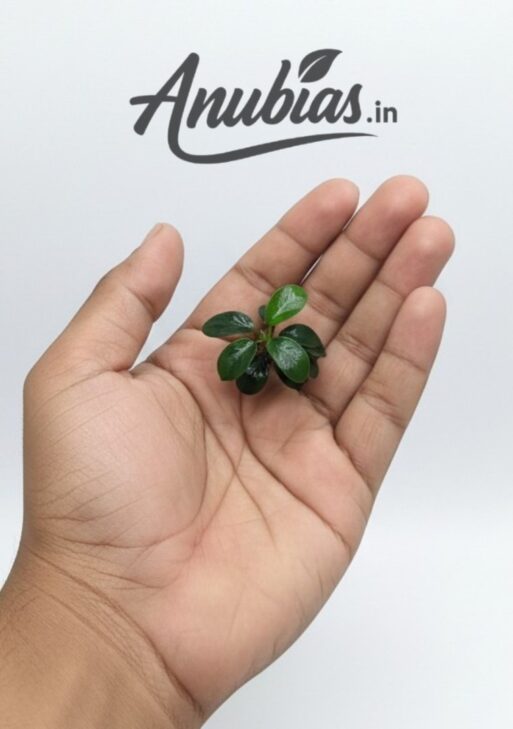
Plants in this guide


Frequently asked questions
Are snails on aquarium plants harmful?
Most small hitchhiker snails do not harm healthy plants; they mainly eat leftover food and algae. The problem is population growth when food is plentiful.
How long should I quarantine new plants?
1–2 weeks is enough for most snail eggs to hatch so you can remove them.
Can I use a snail killer in a shrimp tank?
Avoid it. Many snail treatments contain copper, which is harmful to shrimp. Manual removal and traps are safer.
Do snail eggs survive out of water?
The jelly clutches dry out fairly quickly in open air, but they survive easily in a damp plant bag, in wet moss or tucked under a rhizome. That is exactly how they arrive with new plants. Because a drying period is unreliable and damages the plant anyway, inspection and quarantine remain the safer approach.
Which plants are most likely to carry snails?
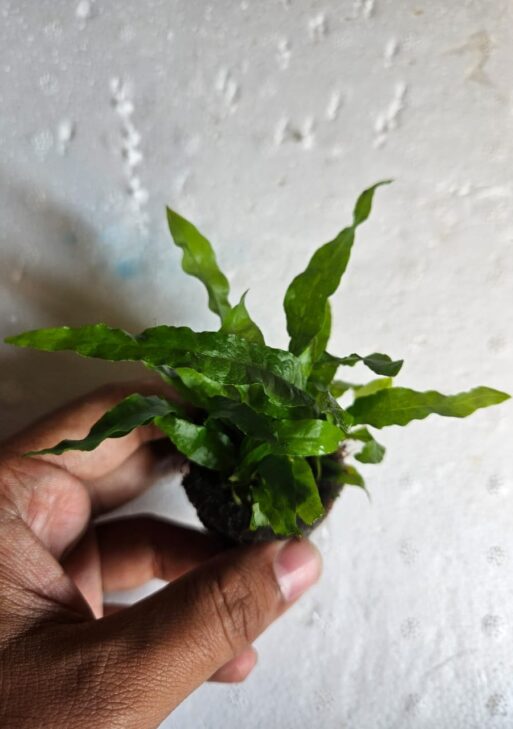
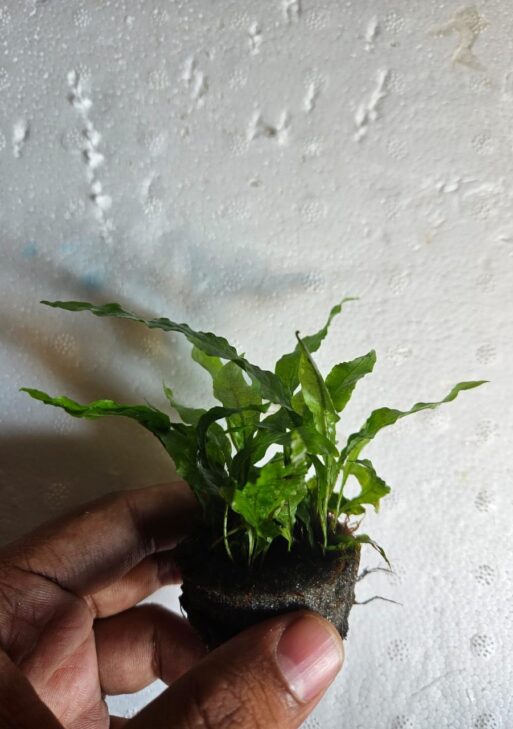
Dense, fine-textured plants hide them best, so mosses, carpeting plants and tangled stem bunches are the riskiest. Broad-leaved epiphytes such as Anubias and Java fern are the easiest to check because you can see both leaf surfaces and the rhizome clearly. Tissue culture plants are the only genuinely snail-free option.
Will assassin snails clear a bad infestation?
They reduce pest snail numbers steadily but slowly, over months rather than weeks, and they will not finish the job while food is plentiful. They also breed themselves, so you are exchanging one population for another that is merely better behaved. Cut feeding and siphon regularly alongside them, or the pest snails will simply out-breed the predators.
Algae getting ahead of you? See which clean-up crew actually works in Indian tanks.