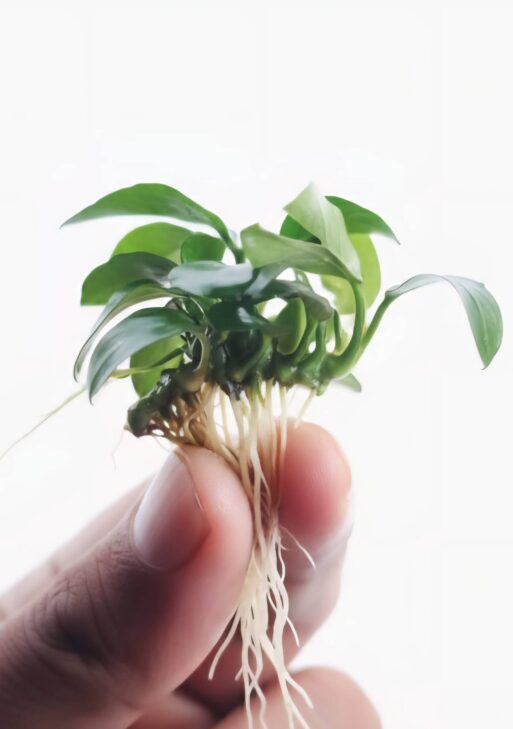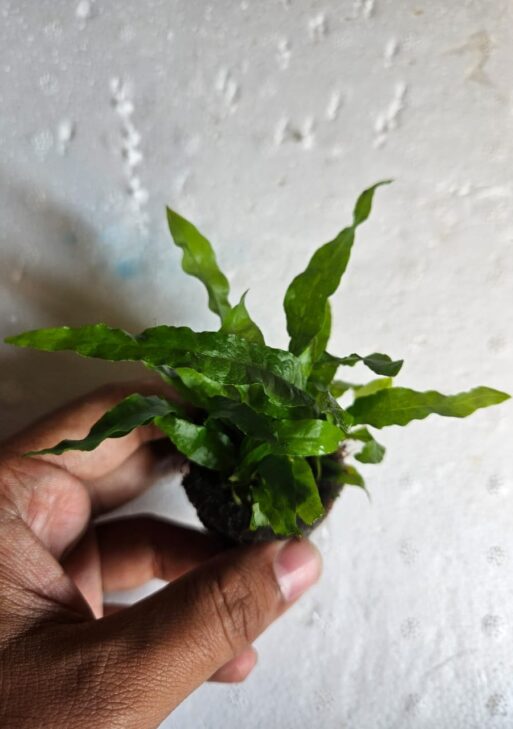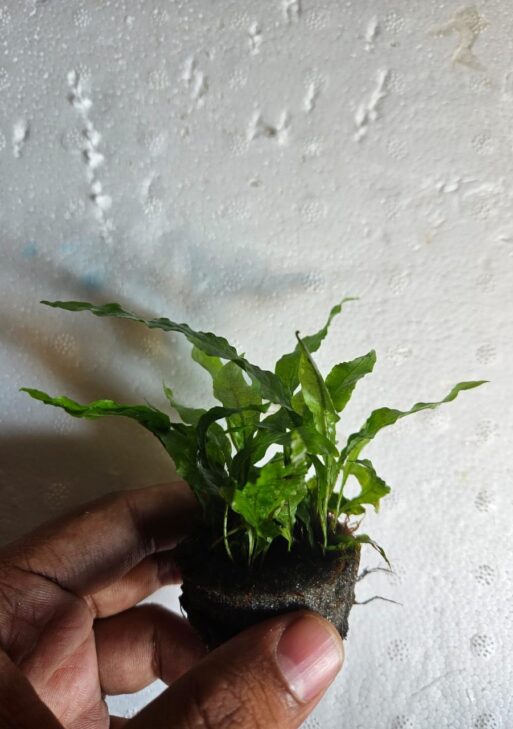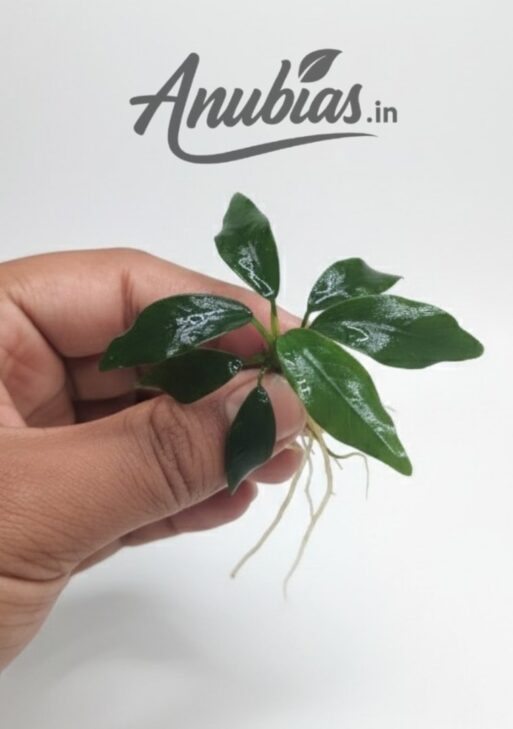

A lush green carpet is the dream of many aquascapers, but most carpet plants are sold with CO2 tanks in mind. If you run a low-tech tank, choosing the right carpet plant is the difference between success and a patchy, melting foreground. Here is how four popular carpets compare without CO2.
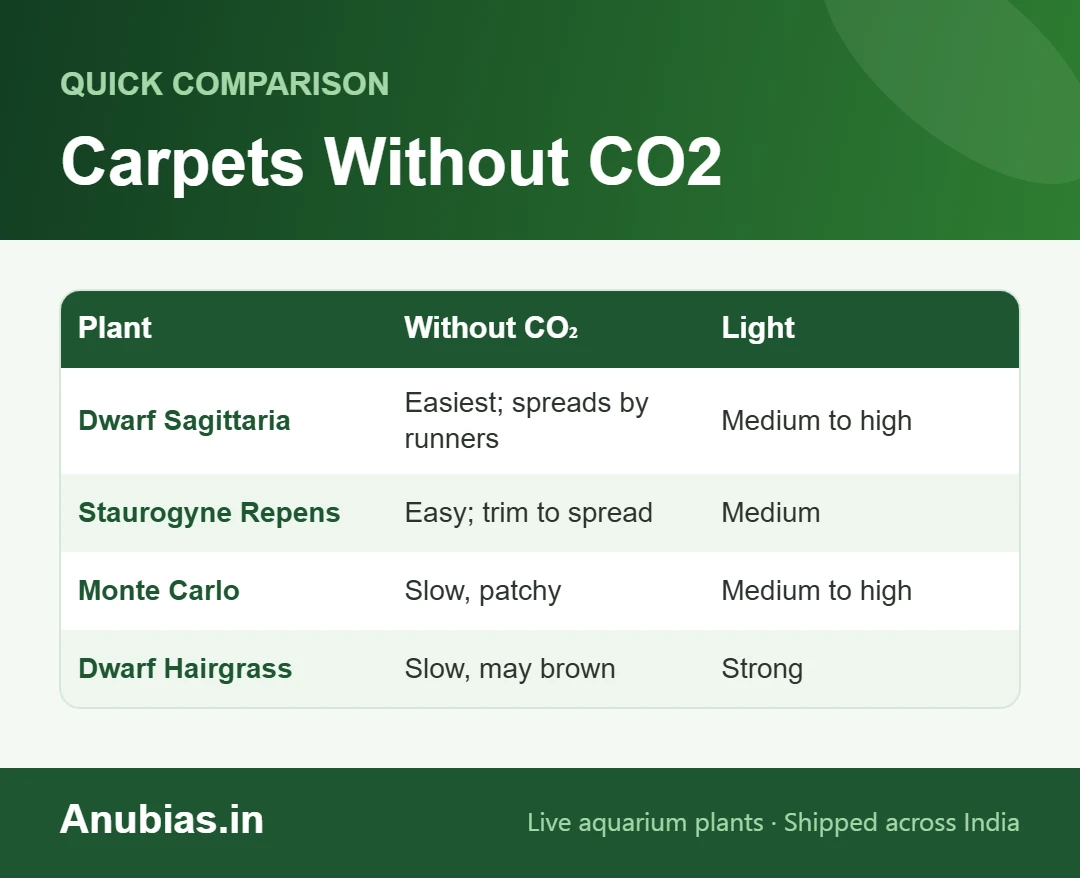
Quick answer: The easiest carpet plant without CO2 is Dwarf Sagittaria, which spreads steadily by runners in medium to high light, followed by Staurogyne Repens, which carpets slowly if you trim and replant its tops. Monte Carlo and Dwarf Hairgrass can survive without CO2 in strong light but usually grow slowly, patchily, or brown. All carpets need a nutrient-rich substrate or root tabs.
Comparison
| Plant | How it carpets | Without CO2 | Price (Anubias.in) |
|---|---|---|---|
| Dwarf Sagittaria | Runners | Easiest; stays taller in lower light | ₹140 |
| Staurogyne Repens | Trimming and replanting | Easy, slow | ₹180 |
| Monte Carlo | Creeping stems | Slow, patchy; prefers cool water | ₹150 |
| Dwarf Hairgrass | Runners | Slow; often browns in weak light | ₹150 |
Tips for a low-tech carpet
- Use a nutrient-rich substrate or push root tabs under each clump.
- Plant small portions close together for faster coverage.
- Give the carpet the brightest light position in the tank.
- Dose liquid fertiliser weekly.
- Be patient: low-tech carpets take months, not weeks.
Troubleshooting: Monte Carlo not carpeting, hairgrass turning brown, Staurogyne not spreading.
More carpet plant guides:
Planting a no-CO2 carpet step by step
Carpets fail at planting more often than at care, because a plant that never roots properly will never spread, whatever you dose afterwards.
- Separate the portion into very small pieces, ideally two or three stems or a single runner each, so every piece has its own root contact.
- Plant with fine tweezers at a slight angle rather than straight down, which helps the piece stay put instead of popping back up.
- Space the pieces two to three centimetres apart across the area, which looks sparse but spreads faster than dense clumps that compete with each other.
- Fill the tank slowly over a plate or plastic sheet so the current does not lift everything you just planted.
- Keep the light at a moderate level for the first fortnight, since strong light over an unrooted carpet grows algae faster than it grows plants.
- Leave the area untouched, and resist replanting the pieces that float free more than once.
Without CO2 the horizontal spread is what you are waiting for, and it usually starts a few weeks after planting, once each piece has established roots.
When a carpet is the wrong choice
It is worth being honest about the setups where a carpet will not work, because persisting costs more than skipping it.
Tanks that sit above 30 degrees for months are the first case. Heat slows carpet plants badly and the small, low-growing pieces are the first things to melt when water quality dips, so a hot room with no cooling is a poor bet.
Tanks with diggers are the second. Loaches, larger barbs and anything that sifts substrate will undo a carpet faster than it grows, and no planting technique compensates for that.
Deep tanks with a weak stock light are the third, since light falls off sharply with depth and the substrate is the hardest place in the aquarium to reach.
In all three cases, low epiphytes attached to flat stones give a similar visual effect for far less effort, and they can be lifted out and rearranged whenever you want.
Plants in this guide

Frequently asked questions
Can I grow a carpet with a basic stock LED?
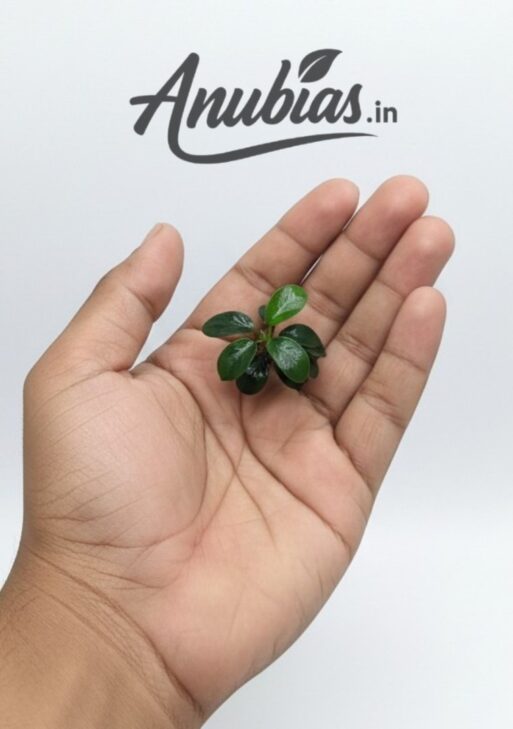
It is difficult. Dwarf Sagittaria has the best chance; otherwise use Java moss or Anubias Nana Petite for a low-tech foreground.
Which carpet is best for Indian summers?
Dwarf Sagittaria and Staurogyne cope with warmth better than Monte Carlo and Dwarf Hairgrass, which prefer cooler water.
Do carpet plants need special substrate?
They grow best in nutrient-rich soil. In gravel or sand, add root tabs under the plants.
Can I dry start a carpet without CO2?
Yes, and the dry start method suits no-CO2 tanks particularly well, because the plants take carbon straight from the air while they root. Keep the substrate wet but not flooded, cover the tank with cling film to hold humidity, and air it briefly each day to reduce mould. Flood the tank only once the carpet has visibly spread, usually after six to eight weeks.
Does a no-CO2 carpet need trimming?
Less often than a CO2-injected one, but yes, once it thickens. Trimming the top growth keeps light reaching the lower layer, which is what prevents the mat rotting from underneath and lifting off the substrate in sheets. A light trim every few months is usually enough in a low-tech tank.
Will bottom-digging fish ruin a carpet?
Usually yes, particularly before the carpet has knitted together into a mat. Loaches, larger barbs and substrate-sifting fish uproot small pieces faster than they can re-root. If those fish are already in the tank, low epiphytes attached to flat stones give a similar low-growing look without the constant replanting.
Want a carpet without CO2? Try the dry start method, step by step for Indian conditions.