
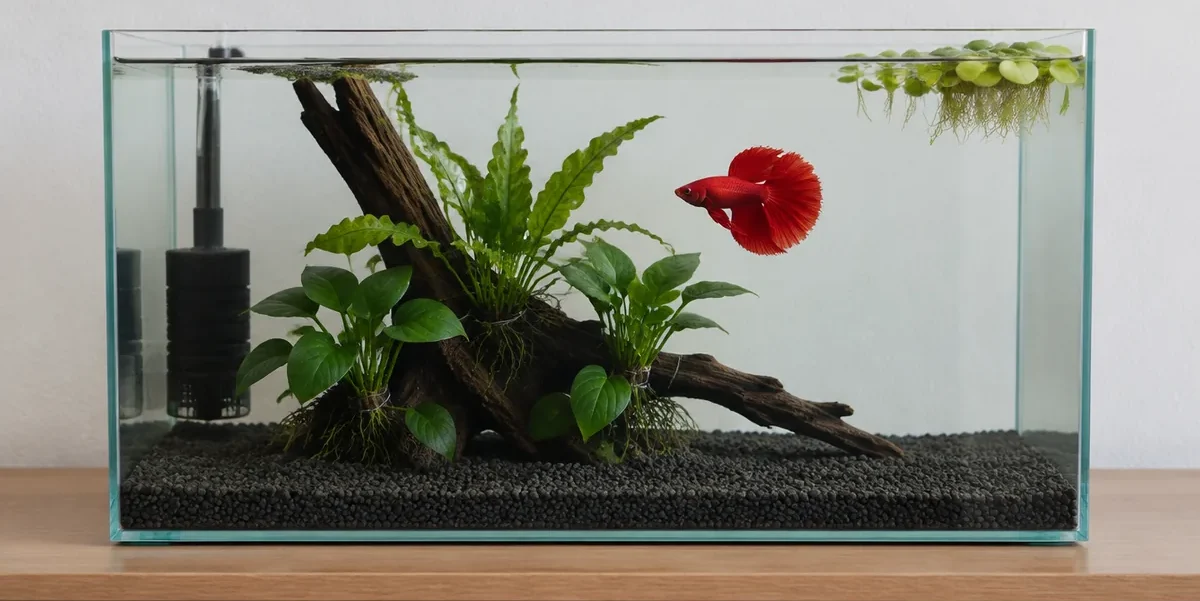
Quick answer: Live plants are better for most home aquariums. They take up ammonia and nitrate, compete with algae for nutrients and give fish cover, while plastic plants only look green. Plastic makes sense for goldfish that uproot everything or tanks with no light. Start with hardy plants like Anubias Nana (from ₹90) and Java fern (₹175), which need no CO2 and no soil.
Plastic plants often come free with the tank, and they never die or need trimming. But a fish tank collects fish waste every day, and of the two, only live plants help deal with it. Here is how they compare, including when plastic is the right choice.
What do live plants do that plastic plants cannot?
They take up ammonia and nitrate. Fish waste and leftover food break down into ammonia, which burns gills. Filter bacteria turn it into nitrate, which builds up between water changes. Live plants use both as food. Floating plants and fast growers take up the most. See our guide to plants that reduce ammonia and nitrate.
They compete with algae. Algae feeds on the same nitrate and phosphate. Growing plants take a share, so less is left for green water and hair algae. Plastic plants compete for nothing and simply become one more surface for algae to grow on. More in plants that help reduce algae.
They give cover and grazing surfaces. Shy fish, fry and shrimp hide among leaves and roots, and live leaves grow a thin layer of biofilm that shrimp and small fish graze all day.
A note on oxygen. Plants release oxygen under light but use it at night, like fish. In a lightly planted tank the effect is small. Surface movement from a filter or air stone matters far more, especially in May and June, when water in a room without AC can cross 32°C and holds less oxygen. Details in our oxygen plants guide.
When do plastic or silk plants make sense?
Plastic makes sense in three cases:
- Goldfish and large cichlids that uproot or eat plants. Oscars, flowerhorns and big goldfish dig up and shred most soft plants. Tough plants like Anubias and Java fern tied to wood often survive, but if even those get torn apart, plastic is the practical option. See plants goldfish and cichlids won’t destroy.
- Tanks with no light at all. A tank in a dark passage with no lamp cannot grow anything. Even low-light plants need a basic LED or a bright room. Read aquarium plants without light to see what survives in dim tanks.
- Hospital and quarantine tanks. Some fish medicines harm plants, and a bare tank is easier to keep clean. A couple of silk plants give a sick fish somewhere to hide.
If you do buy artificial plants, choose soft silk over hard plastic, and buy ones sold for aquariums. Home-décor plants can hide wire in the stems that rusts in water.
Are plastic plants safe for bettas? The fin test
Bettas have long, thin fins that tear on sharp edges, and hard plastic plants often have moulded seams and pointed tips. Before any artificial plant goes into a betta tank, pull an old nylon stocking or a tissue slowly over the leaves. If it snags or tears, it can tear fins too, and torn fins can turn into fin rot when water quality slips.
Silk plants usually pass, and live plants like Anubias, Java fern and frogbit have no moulded seams or sharp tips at all. Our betta-safe planted tank guide covers tank size, plant choice and flow.
What are the real downsides of live plants?
Live plants take some effort. The common problems, and how to avoid each:
- Melt on arrival. Some plants, especially Vallisneria and Cryptocoryne, drop leaves in the first week or two while they adjust to new water. The roots usually push out new leaves. Trim the melting ones and wait. Read why new plants melt after delivery.
- Snail hitchhikers. Snail eggs and tiny snails can ride in on leaves. Rinse and check every new plant, and quarantine them if you keep shrimp. See how to quarantine aquarium plants and common plant hitchhikers.
- They need some light. Six to eight hours a day under a basic LED is enough for Anubias and Java fern.
- A few plants die. Buried Anubias and Java fern rhizomes rot, and fast stem plants starve in low light. Starting with the hardy plants below avoids most losses.
Cost over a year: live vs plastic
On our store, Anubias Nana costs ₹90 for a small plant (₹120 medium, ₹200 large), and a Java fern is ₹175. Both grow slowly, live for years and can be split: cut the rhizome into pieces with a few leaves each and you get new plants for free. Frogbit (₹90) and Vallisneria Nana (₹80) spread on their own through runners. Shipping is ₹99, and free on orders from ₹999.
A plastic plant is a one-time cost, but it does not stay new. Colours fade near a sunny window and algae coats the leaves, so it needs regular scrubbing. Over a year, a live plant usually gives you more plants; a plastic one only gets older.
Can you mix live and plastic plants in one tank?
Yes. Plastic plants do not harm live ones, and many people switch one plant at a time. Only the live plants take up ammonia and nitrate, so each plastic plant you swap for a live one helps a little more. Algae will still grow on the plastic leaves; clean them outside the tank with a soft brush and plain water, never soap.
Which live plants are easiest to switch to (no CO2, no soil)?
These four grow in an ordinary tank with no CO2 and no special soil:
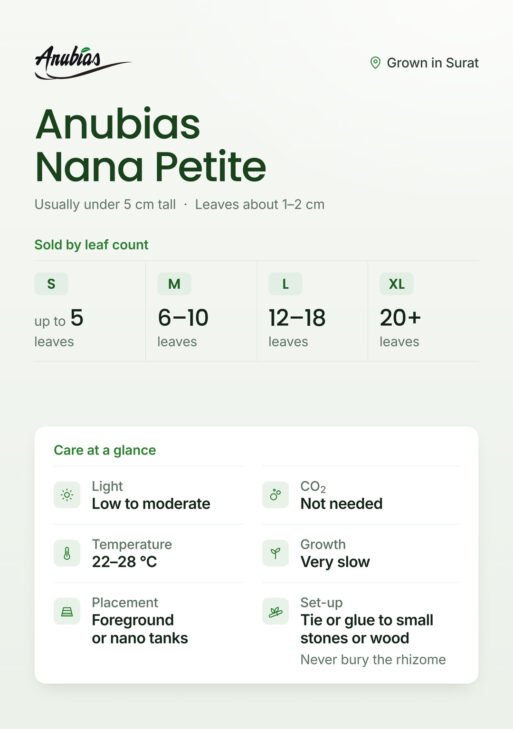
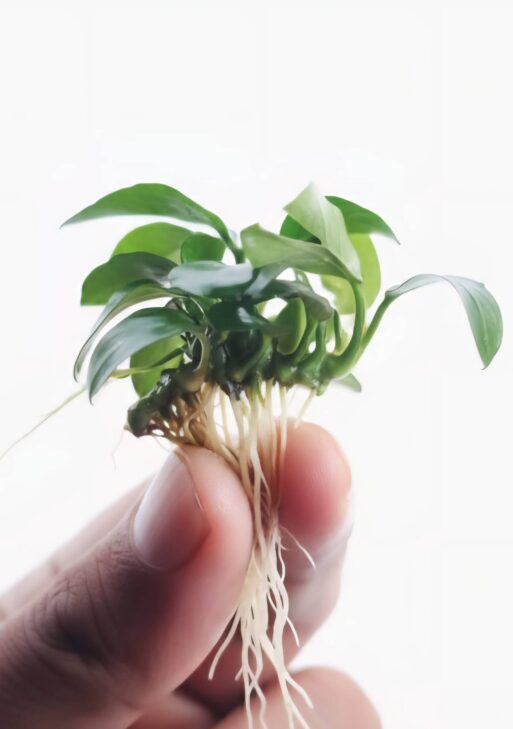
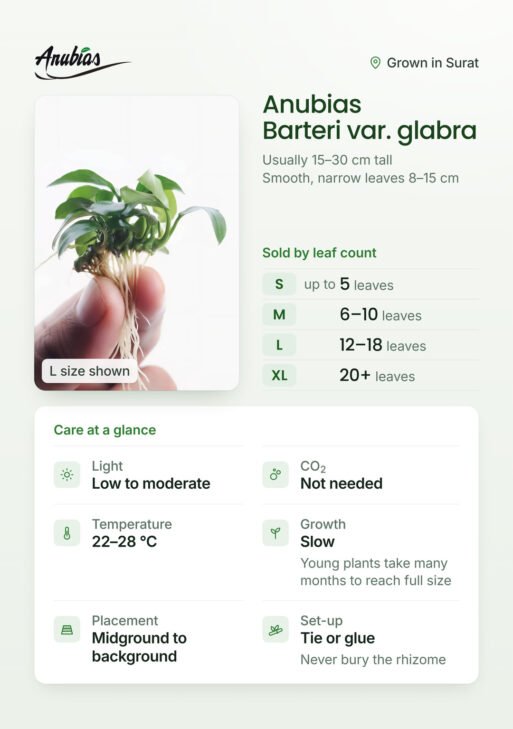
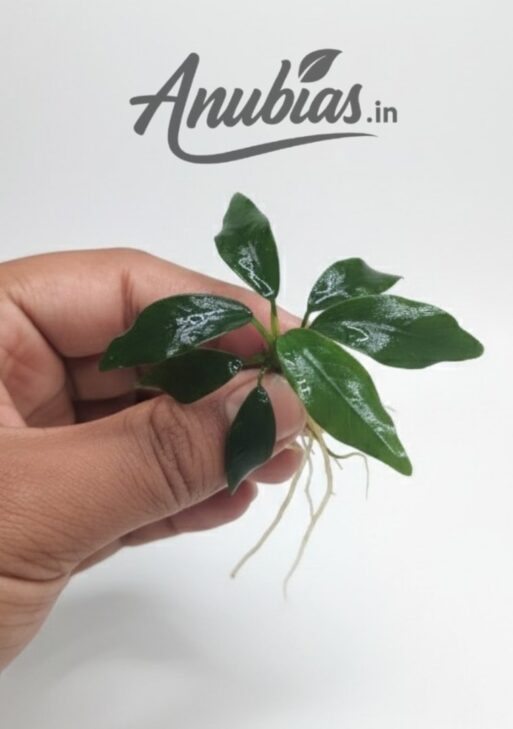
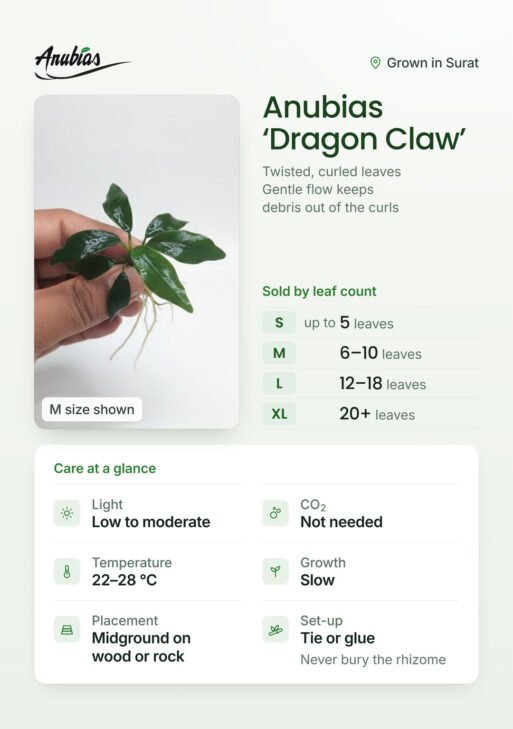
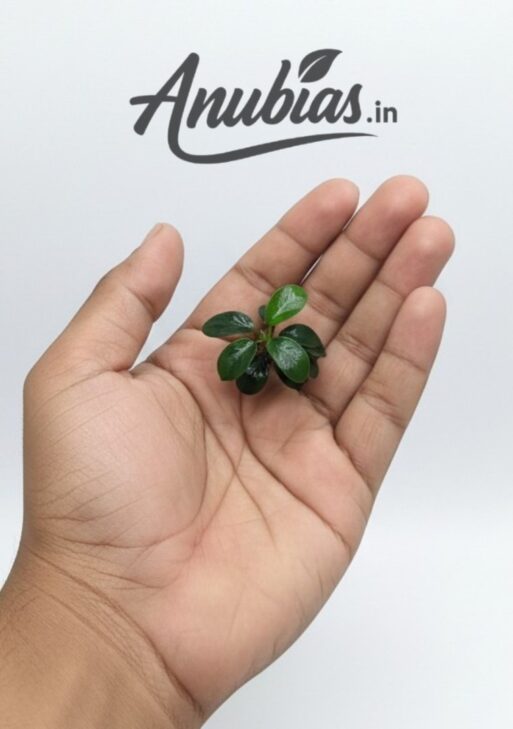
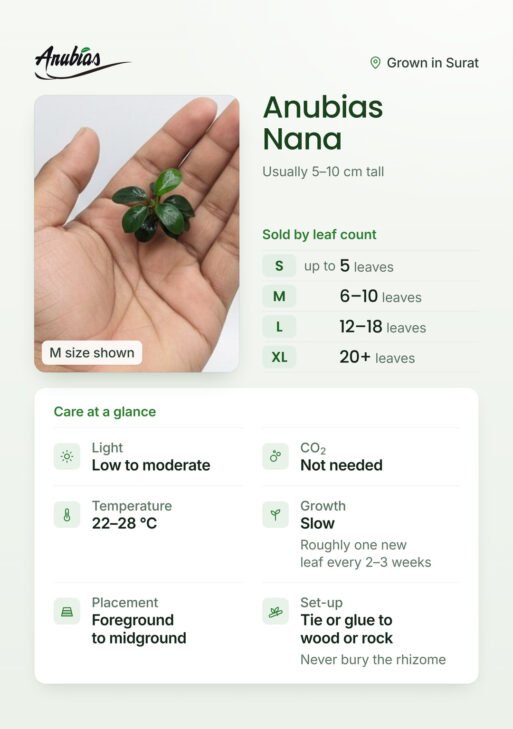
- Anubias Nana (from ₹90): tie or glue it to a stone or driftwood and never bury the rhizome. It grows in low light and almost nothing eats it.
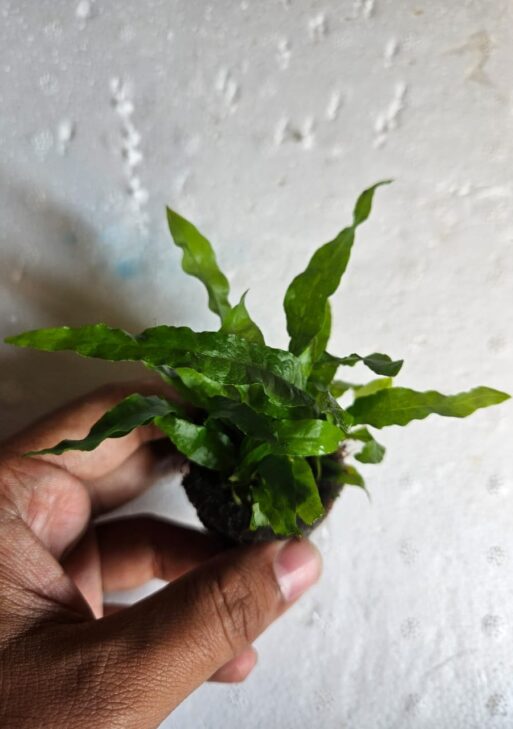
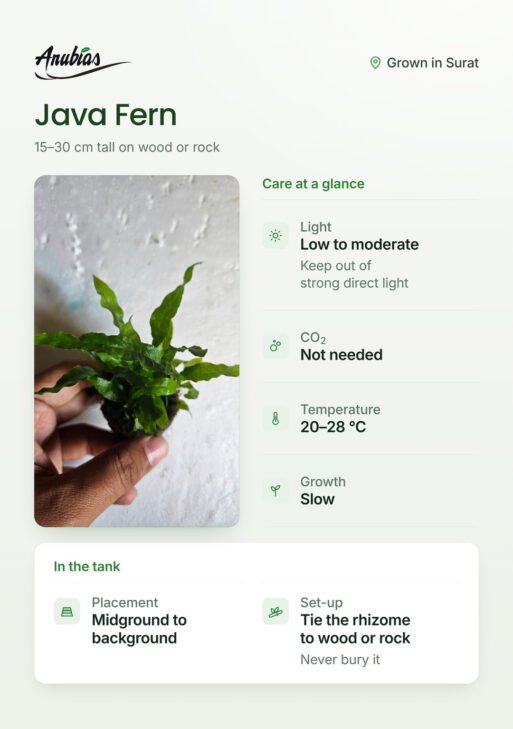
- Java fern (₹175): also attaches to wood or rock, grows in low light and forms baby plantlets on its leaves.
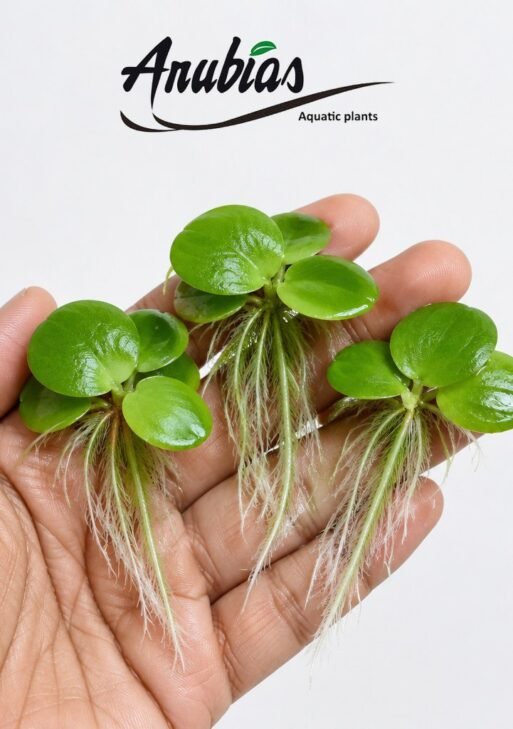
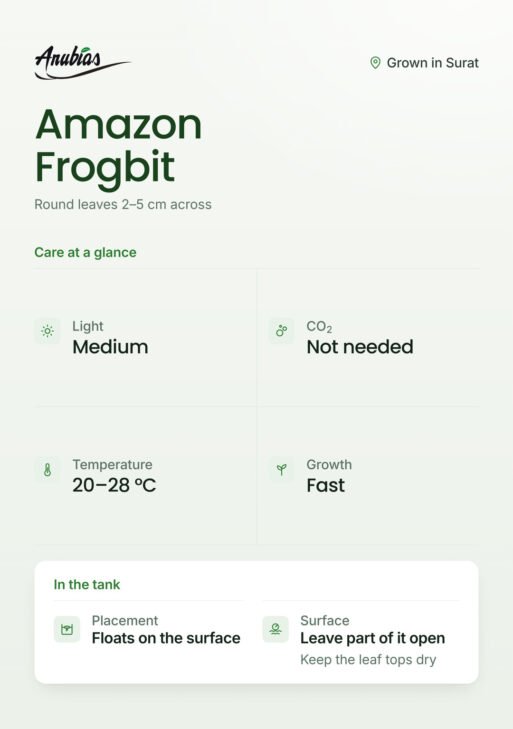
- Amazon frogbit (₹90): floats, so it needs no soil at all, and uses nitrate fastest of the four. It needs medium light and dry leaf tops, so keep surface flow gentle and thin it every week so it covers no more than half the surface.
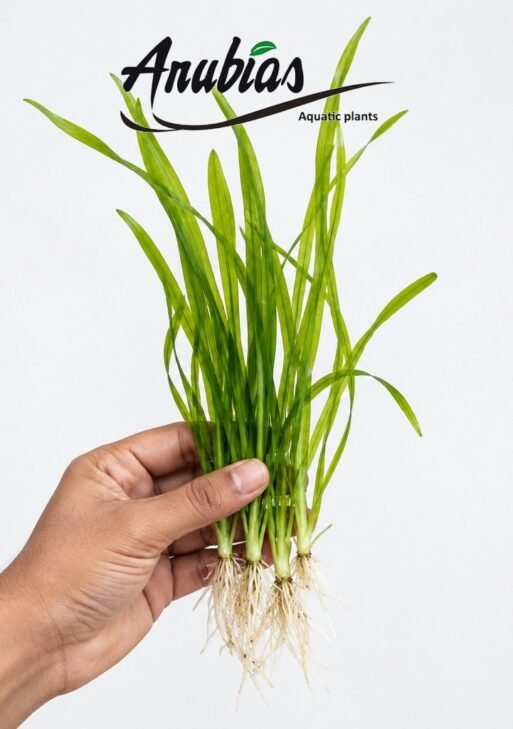
- Vallisneria Nana (₹80): a grass for the back, with leaves 25–40 cm long. It needs medium light, roots in plain gravel or sand, not special aqua soil, and likes moderately hard water, so dechlorinated Indian tap or borewell water usually suits it.
For a ready list, our aquarium plant starter kits group these plants by tank type, from a nano low-tech kit and a betta tank kit to a 2 ft community kit. If you want to start with a single plant, live plants for your fish tank explains why Anubias is the easiest first choice. For bare-bottom tanks, see aquarium plants without substrate, and for a longer list, best aquarium plants for beginners in India.
Plants in this guide
Price range: ₹90 through ₹250
Are live aquarium plants safe for fish, shrimp and pets?
Yes, for everything living in the tank. Anubias and Bucephalandra are aroids and, like money plant, contain calcium oxalate crystals. These are safe for fish and shrimp in the aquarium, but not for cats, dogs or small children to chew or eat, so keep trimmings out of their reach. Java fern, frogbit and Vallisneria are also safe for fish. Full details in is Anubias toxic?
Frequently asked questions
Do live aquarium plants need a filter?
The plants do not, but the fish usually do. Plants take up some ammonia, but in a normally stocked tank they cannot replace the bacteria and water movement a filter provides. Treat plants as extra help, not a replacement.
Do live plants rot and dirty the water?
Healthy plants do not. Dead or melting leaves rot if you leave them, so pinch them off during your weekly water change. A buried Anubias or Java fern rhizome also rots, so keep those above the gravel.
Can I put live plants in a fish bowl?
Yes. An Anubias or Java fern tied to a small stone, or a few frogbit on top, will grow in a bright room out of direct sun. The plants help a little, but a bowl still needs frequent water changes, and most fish, including bettas, do better in a tank of 20 litres or more.
Do fish eat live plants?
Most small community fish, such as tetras, guppies, platies and bettas, leave healthy plants alone. Goldfish, silver dollars and large cichlids eat soft plants. Anubias and Java fern have tough leaves that most fish ignore.
Are live plants better than plastic for a betta?
Yes. Live plants have no hard seams or sharp tips to tear long fins, help keep ammonia down in a small tank and give a betta shade and places to rest. Broad Anubias leaves near the surface are a favourite resting spot.