

Summer hits a planted tank from the opposite direction monsoon does. Instead of power cuts and humidity, the problem is heat itself — peak summer from March to June pushes air temperatures past 38–45°C across huge parts of India, from Delhi and Rajasthan to inland Gujarat and Maharashtra, and a tank without any active cooling can easily climb to 32–34°C. That’s a different failure mode from anything monsoon throws at a tank, and it needs a different response.
Quick answer: During peak Indian summer (March–June), the main risks are falling oxygen — warm water holds noticeably less dissolved O2 — and faster algae growth. A fan angled across the water surface is the single most effective low-cost cooling fix, working through evaporation. Stock heat-tolerant plants such as Anubias, Java Fern, Vallisneria and floaters like Frogbit and Water Lettuce; mosses and dense high-light carpets are the first to struggle once water sits above 28°C.
Why Summer Heat Stresses a Planted Tank
Warm water holds noticeably less dissolved oxygen than cooler water, and it holds the least right when demand is highest — overnight, when plants stop producing oxygen and switch to consuming it alongside your fish and filter bacteria. Most tropical plants tolerate the mid-to-high 20s comfortably, but growth and colour typically suffer above 28–30°C, and softer-bodied species like Java moss and Christmas moss are known to melt outright once water stays above about 28–29°C for any length of time. Algae makes the problem worse rather than better: warmer water speeds up every biological process, including algae reproduction, while heat-stressed plants take up nutrients more slowly — so excess nitrate and phosphate that plants would normally use gets left for algae instead.
Cooling Methods That Actually Work in Indian Conditions
A cooling fan angled across the water surface is the single most effective low-cost fix — it works through evaporation, so maximum surface ripple means maximum cooling, not just moving air around the room. Point your filter outlet toward the surface to increase agitation for the same effect, and add an air stone if you don’t already run one; besides helping oxygen levels directly, the extra gas exchange takes some of the load off a warm tank. Move the tank away from direct sun and off any wall that heats up through the afternoon — a west-facing wall in an un-shaded room can add several degrees on its own by evening. During a genuine heatwave, small, more frequent partial water changes with slightly cooler tap water help more than one large change, and floating a well-sealed bottle of frozen water in the tank is a reasonable emergency measure, though it should be introduced gradually rather than dropped in all at once to avoid shocking fish with a sudden local temperature swing. A dedicated aquarium chiller is the real fix for CO2-injected, high-tech or heavily stocked tanks, but most low-tech hobbyist setups in India get through summer on fans, agitation and sensible tank placement alone.
Heat-Tolerant Plants for Indian Summers
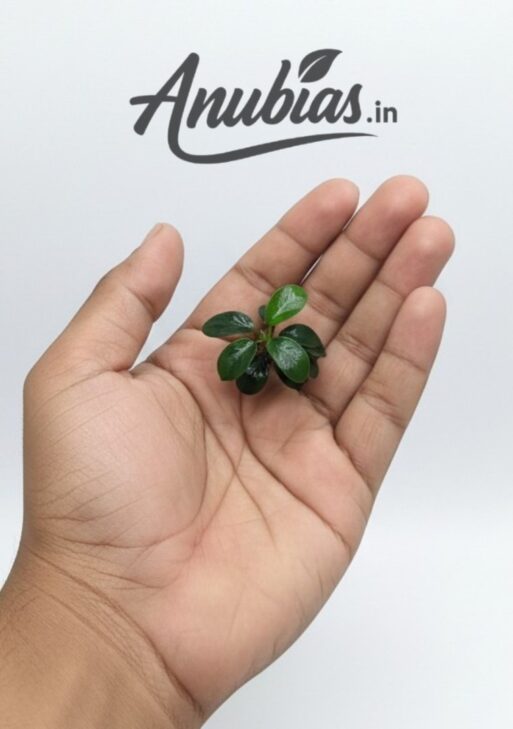
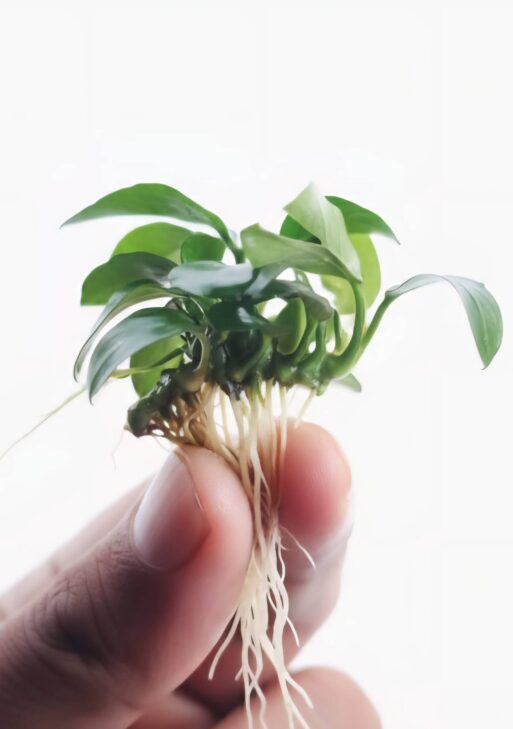
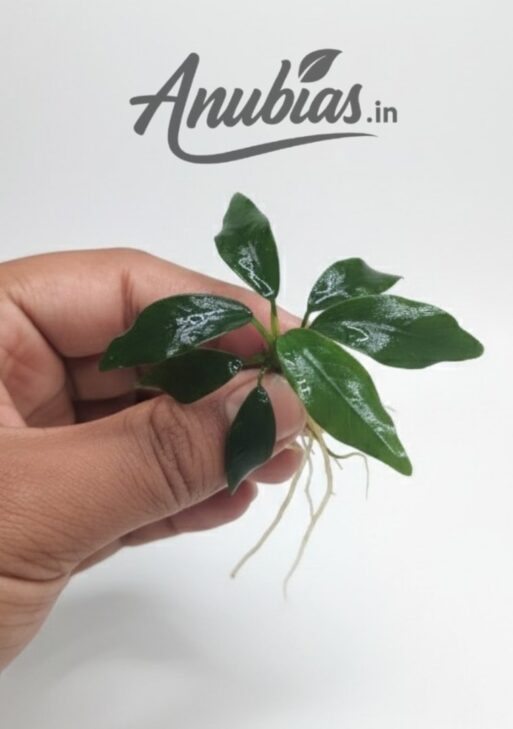
1. Anubias Nana
Comfortable across a wide temperature band and simply doesn’t show the heat stress that softer plants do — no melting, no sudden leaf loss, just slightly slower growth in the upper end of its range.
Care: low light · tolerates up to ~30°C · attach to hardscape. Shop Anubias Nana.
2. Anubias Nana Gold
The same heat tolerance as standard Nana, so it’s a safe pick for adding colour variation without adding a plant that needs babying through a heatwave.
Care: low light · tolerates up to ~30°C · attach to hardscape. Shop Anubias Nana Gold.
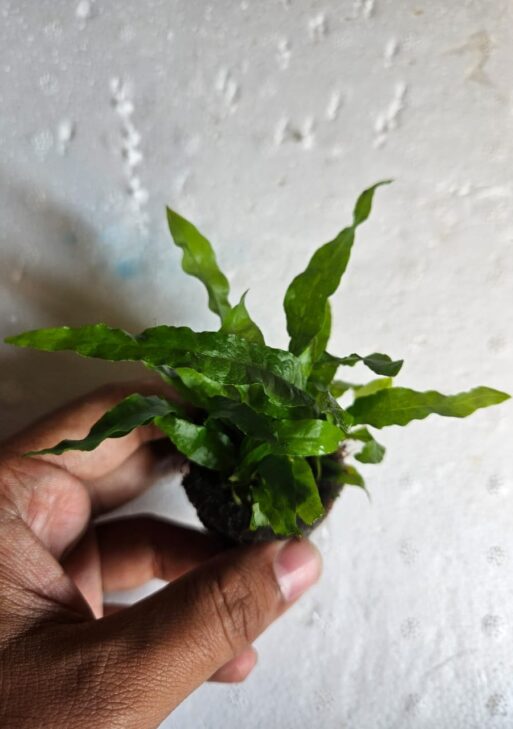
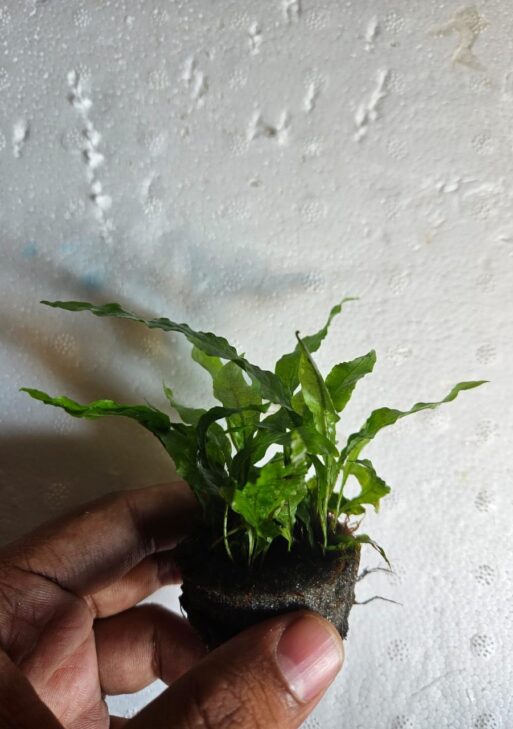
3. Java Fern (Philippine)
One of the hardiest epiphytes across a temperature range, tolerating summer highs that would stress a moss noticeably worse. Its tough, leathery fronds hold up well even when growth slows in the heat.
Care: low–moderate light · tolerates up to ~30°C · attach to hardscape. Shop Java Fern Philippine.
4. Vallisneria Nana (Jungle Val)
Genuinely suited to warm water — Vallisneria is grown in outdoor tubs across India through peak summer and keeps sending up new runners in conditions that would slow down more delicate species.
Care: moderate light · tolerates warm summer temperatures well · plant in substrate. Shop Vallisneria Nana.
5. Water Wisteria (Hygrophila difformis)
Grows fast enough in warm water to outcompete the algae bloom that heat tends to trigger, soaking up the nitrate and phosphate that would otherwise feed it.
Care: low–high light · tolerates warm summer temperatures · plant or float. Shop Water Wisteria.
6. Amazon Frogbit
A floating plant whose surface cover does double duty in summer — it shades the water column, which both reduces heat load from direct light and helps keep algae down by limiting the light reaching the glass and hardscape.
Care: bright surface light · tolerant of warm water · float, thin regularly. Shop Amazon Frogbit.
7. Water Lettuce (Pistia stratiotes)
Similar shading benefit to frogbit, with a slightly larger rosette that casts more cover per plant — useful in a tank getting hit with strong afternoon light through a window in summer.
Care: bright surface light · tolerant of warm water · float, thin regularly. Shop Water Lettuce.
8. Duckweed
Multiplies fastest of all in warm, nutrient-rich water, which makes it one of the most effective competitors against the algae blooms that heat brings on. Net some out weekly so it doesn’t shade everything below it — see our duckweed care guide for managing a patch.
Care: low–bright light · thrives in warm water · float, thin weekly. Shop Duckweed.
A caution on the flip side: mosses like Java moss and Christmas moss, along with dense high-light carpets, are the first plants to show trouble once a tank sits above 28–29°C for an extended stretch — expect melting, thinning or browning rather than the steady growth you’d see in cooler months. If your tank consistently runs hot through summer, either prioritise the heat-tolerant list above or invest in proper cooling for the more delicate species you want to keep.
Frequently Asked Questions
What temperature is too hot for a planted aquarium in India? Sustained temperatures above 28–30°C stress most tropical plants and fish, and anything above 32–33°C is a red-alert zone that calls for active cooling rather than just monitoring. Do I need a chiller for a planted tank in Indian summer? Not usually for a typical low-tech hobbyist tank — a fan across the surface, extra agitation and keeping the tank out of direct sun handles most Indian summers; chillers are mainly worth it for CO2-injected, high-tech or heavily stocked setups. Why does algae get worse in summer? Warmer water speeds up every biological process, including algae reproduction, while heat-stressed plants take up nutrients more slowly — so the excess nitrate and phosphate that plants would normally use gets left for algae instead.
Build a heat-tolerant summer tank with hand-picked stock — browse our full aquarium plant collection, delivered across India with a live-arrival guarantee.
Grown in Surat · graded by leaf count and photographed before dispatch · live-arrival guarantee on every order · ₹99 shipping, free from ₹2,000
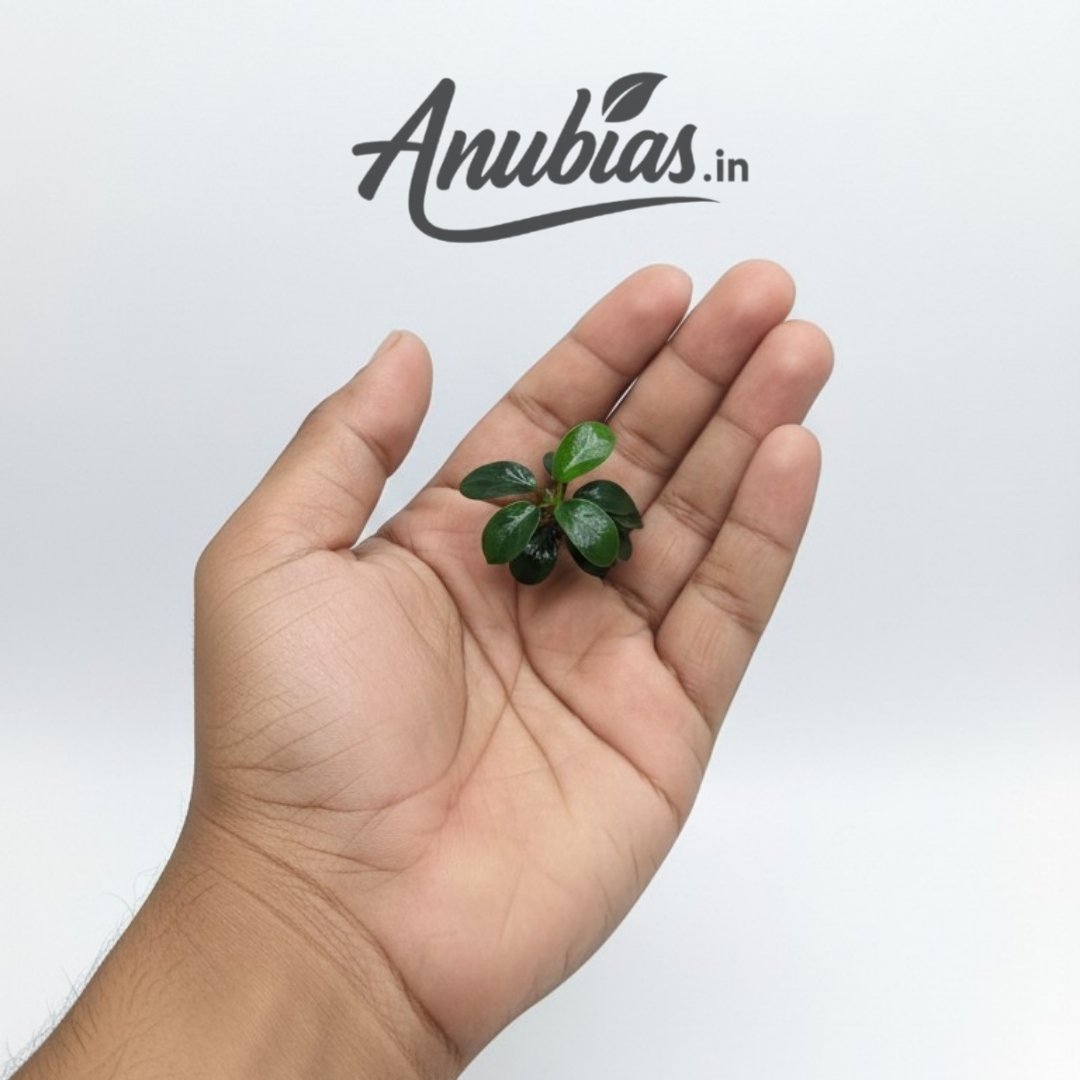
Anubias Nana
₹90
Buy Now
|
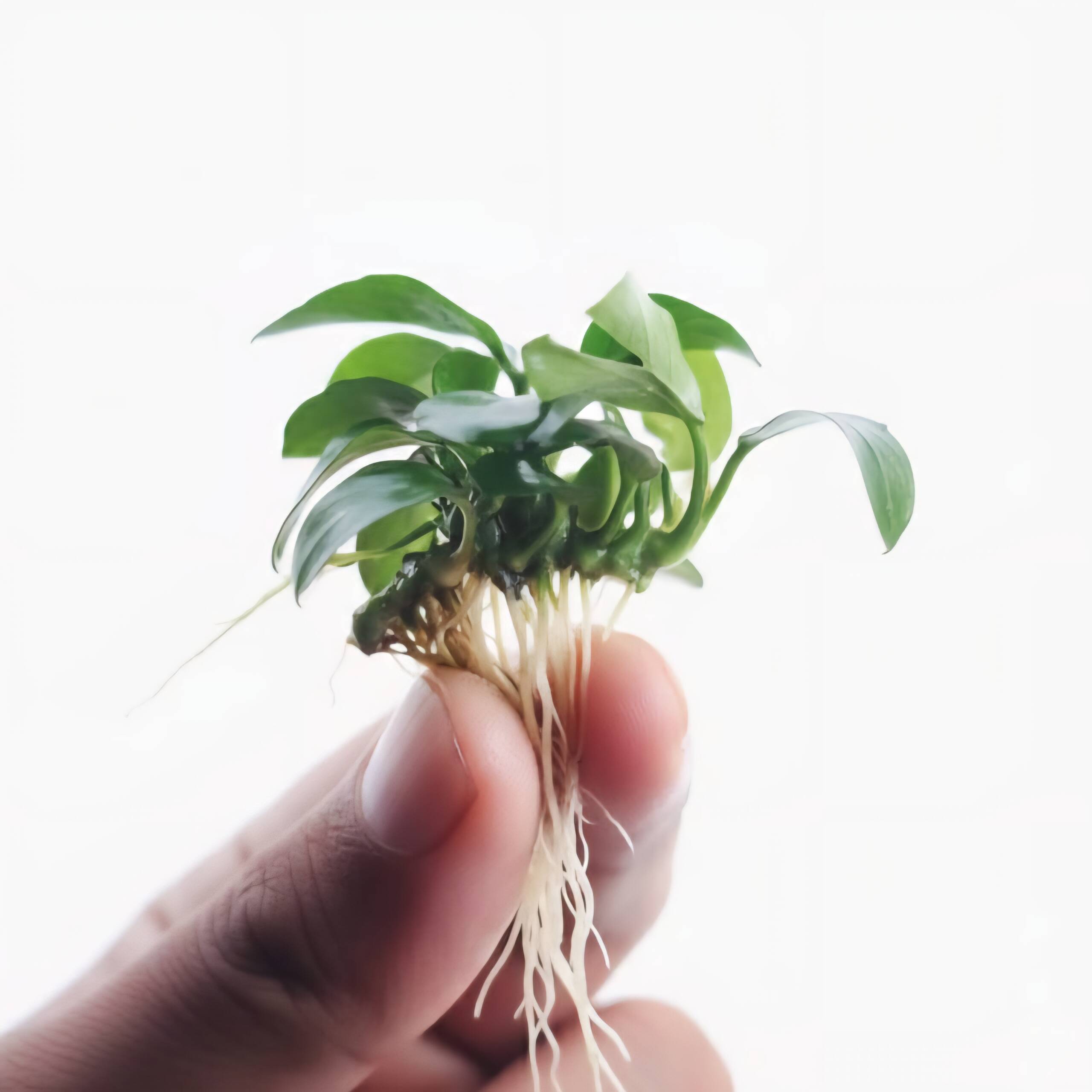
Anubias Barteri var glabra
₹90
Buy Now
|
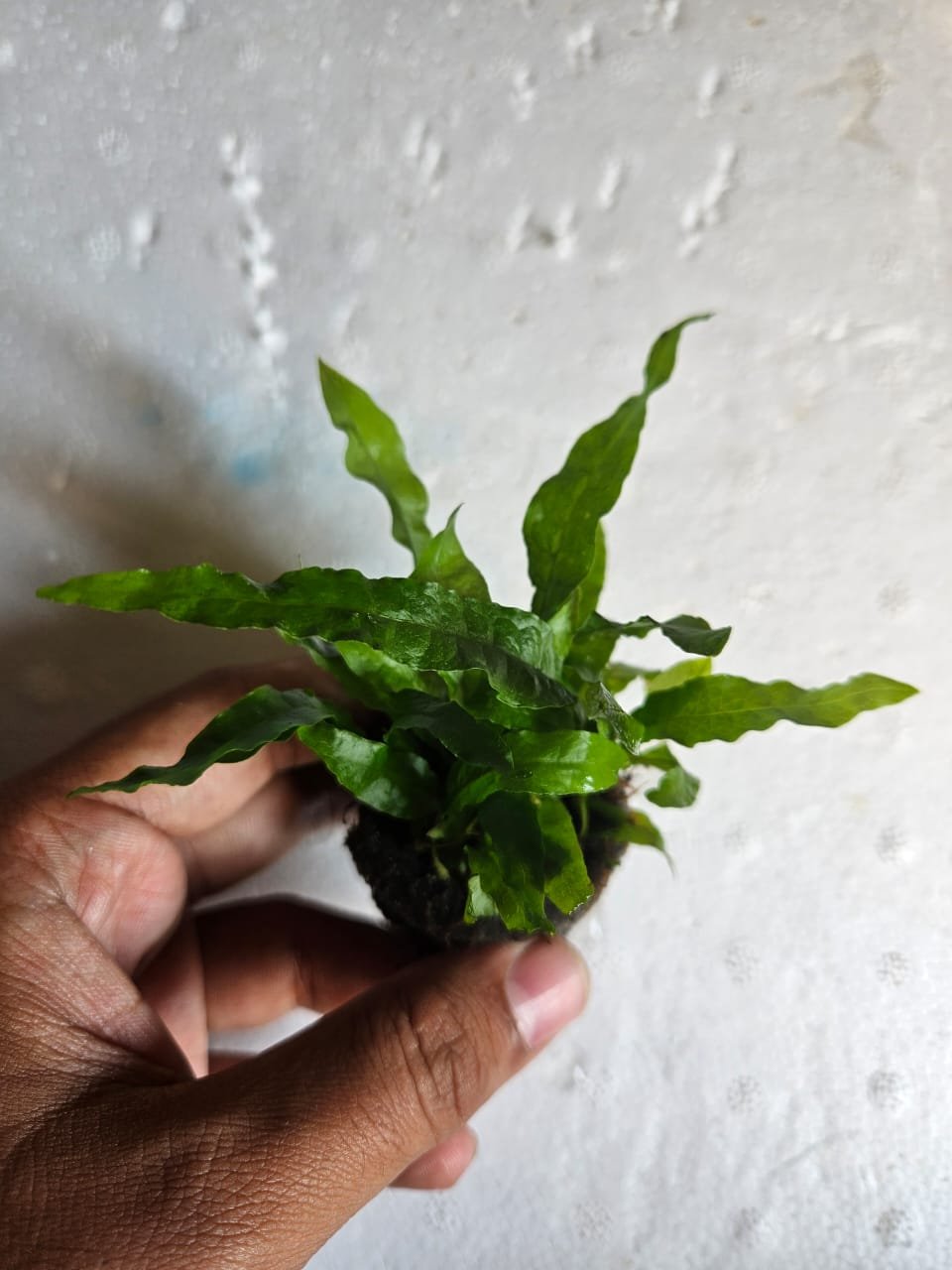
Java Ferns (Microsorum pteropus)
₹175
Buy Now
|