

Winter is the one season where a planted tank’s needs genuinely depend on where you live in India. A tank in Kochi, Chennai, Mumbai or coastal Gujarat rarely sees room temperatures drop enough to matter through December and January. A tank in Delhi NCR, Punjab, UP, Rajasthan or a hill town can see night-time room temperatures fall into the low teens or lower, which is a real problem for a tropical planted aquarium. This guide is for the second group — if your winters stay mild, most of this simply won’t apply to your tank.
Quick answer: Most Indian planted tanks need a heater only if the room drops below about 22–23°C at night during December–February — rare in coastal cities like Chennai, Kochi or Mumbai. If you do heat, size the heater at roughly 1 watt per litre of water as a starting point and adjust upward for an especially cold room.
Does Your Tank Even Need Winter Care?
A rough rule of thumb: if the room your tank sits in drops below about 22–23°C at night during December to February, it’s worth paying attention. If your home never gets that cold — common across most of peninsular, coastal and western India — your planted tank will likely coast through winter exactly as it does the rest of the year, and a heater is more of a safety margin than a necessity. This is genuinely regional rather than a single national pattern, so check your own room’s night-time low before assuming either way.
What Cold Water Actually Does to a Planted Tank
Growth slows significantly in cold water — this is a metabolic effect, not just a light effect, so even a well-lit tank will grow visibly slower once temperatures drop. Warmth-loving stem plants are usually the first to show it, sometimes stunting or losing colour in cooler water, while hardier rooted and rhizome plants simply idle rather than struggling outright. Because growth slows, nutrient uptake slows with it — keeping fertiliser dosing on a warm-weather schedule through a cold snap tends to feed algae rather than plants, so it’s worth easing off rather than sticking to habit. The real danger isn’t steady cold so much as a sudden swing: a sharp temperature drop can trigger “crypt melt” in Cryptocoryne, where leaves die back after the shock, as covered in our Cryptocoryne care guide. It’s rarely fatal and new growth typically follows, but a stable temperature avoids the problem entirely.
Do You Need a Heater?
If your room reliably drops below the low-20s at night through winter, yes — and it benefits your plants as much as your fish, since consistent warmth means consistent growth rather than a tank that stalls every night and restarts every morning. A commonly used sizing approximation is around 1 watt of heater per litre of water as a starting point, adjusted upward for an especially cold room. Pair any heater with a separate thermometer rather than trusting a heater’s dial, position it near a flow path for even heat distribution, and if the room itself is very cold, insulating the back and sides of the tank with foam or even a towel overnight reduces how hard the heater has to work.
Cold-Tolerant Plants for a Winter Tank
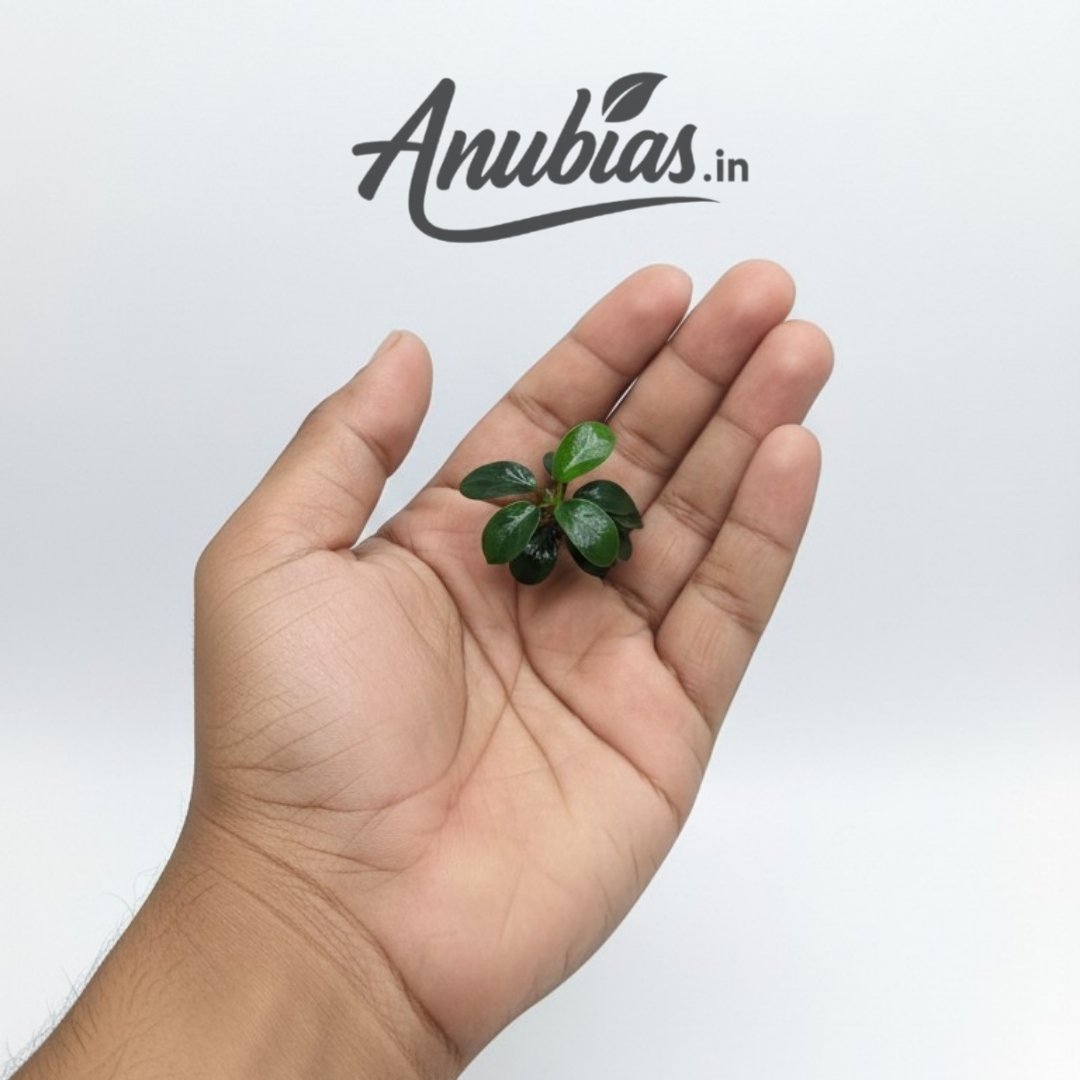
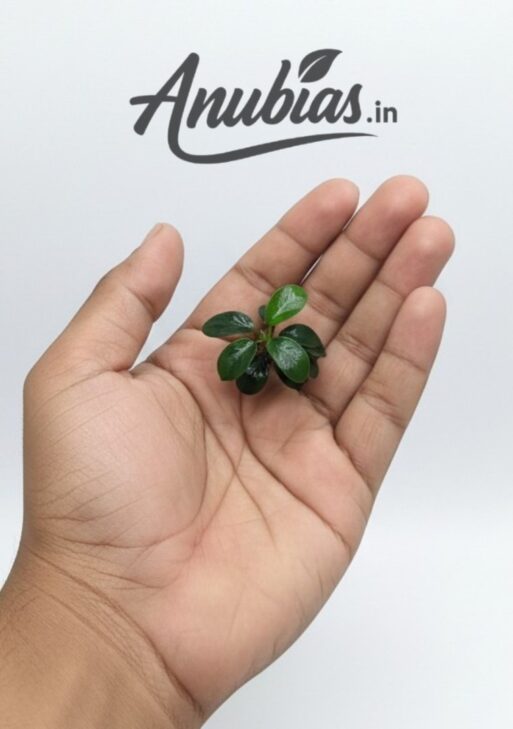
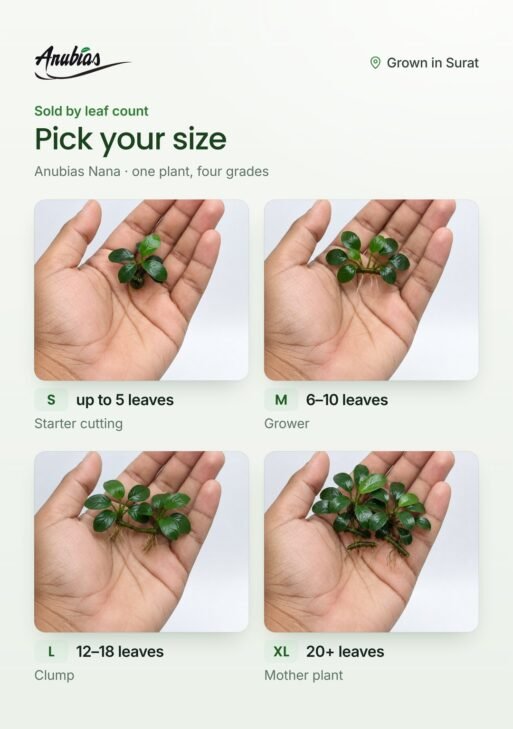
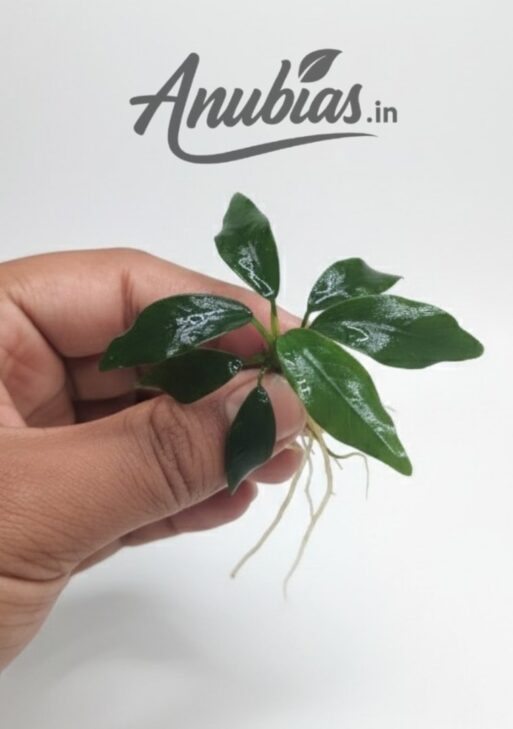
1. Anubias Nana
Comfortable across a wide temperature range and one of the least fussy plants through a cold snap — it simply slows down rather than showing stress.
Care: low light · tolerates down to ~20°C without issue · attach to hardscape. Shop Anubias Nana.
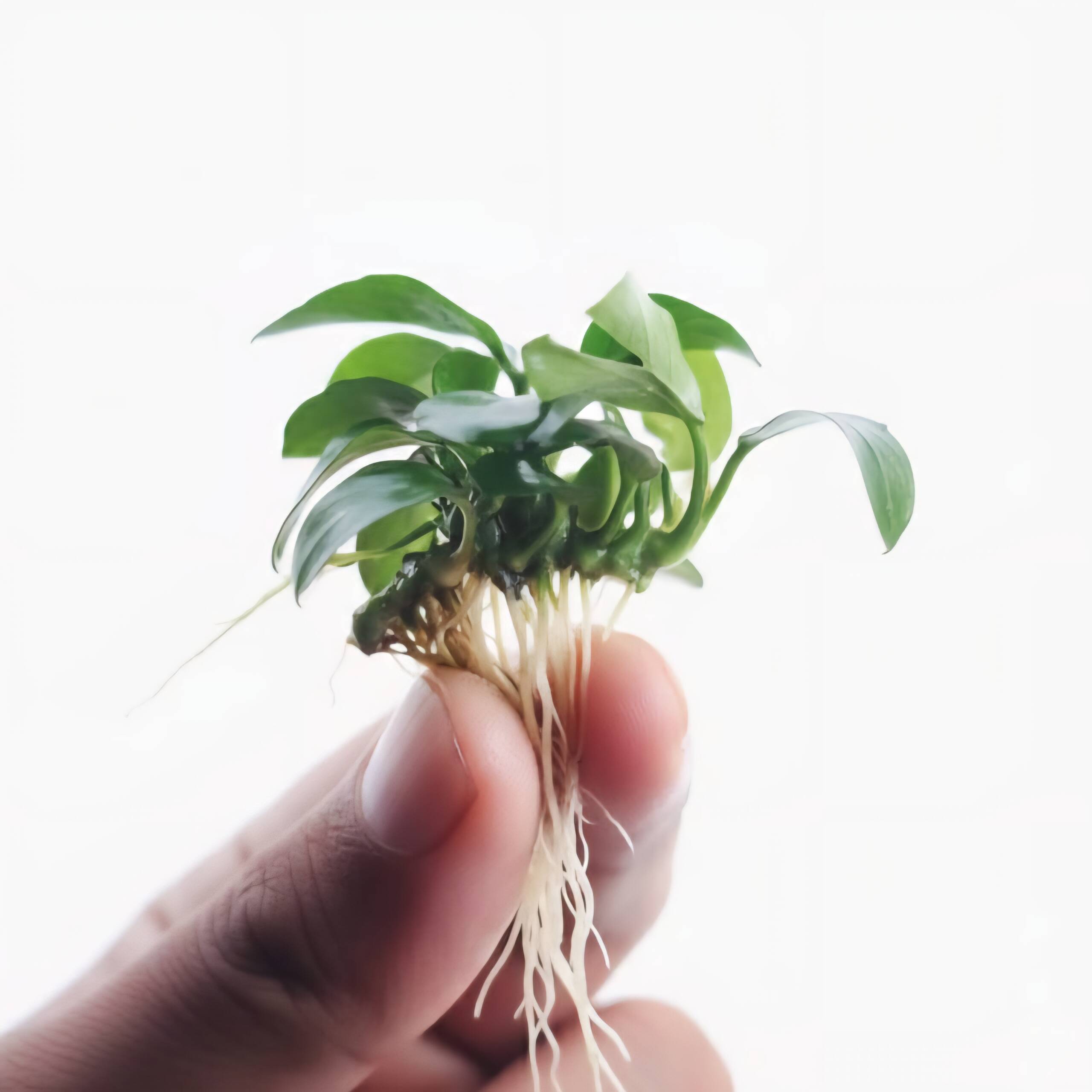
2. Anubias Nana Gold
The same broad tolerance as standard Nana, making it a safe choice if you’re unsure whether your room will need a heater this winter.
Care: low light · tolerates down to ~20°C without issue · attach to hardscape. Shop Anubias Nana Gold.
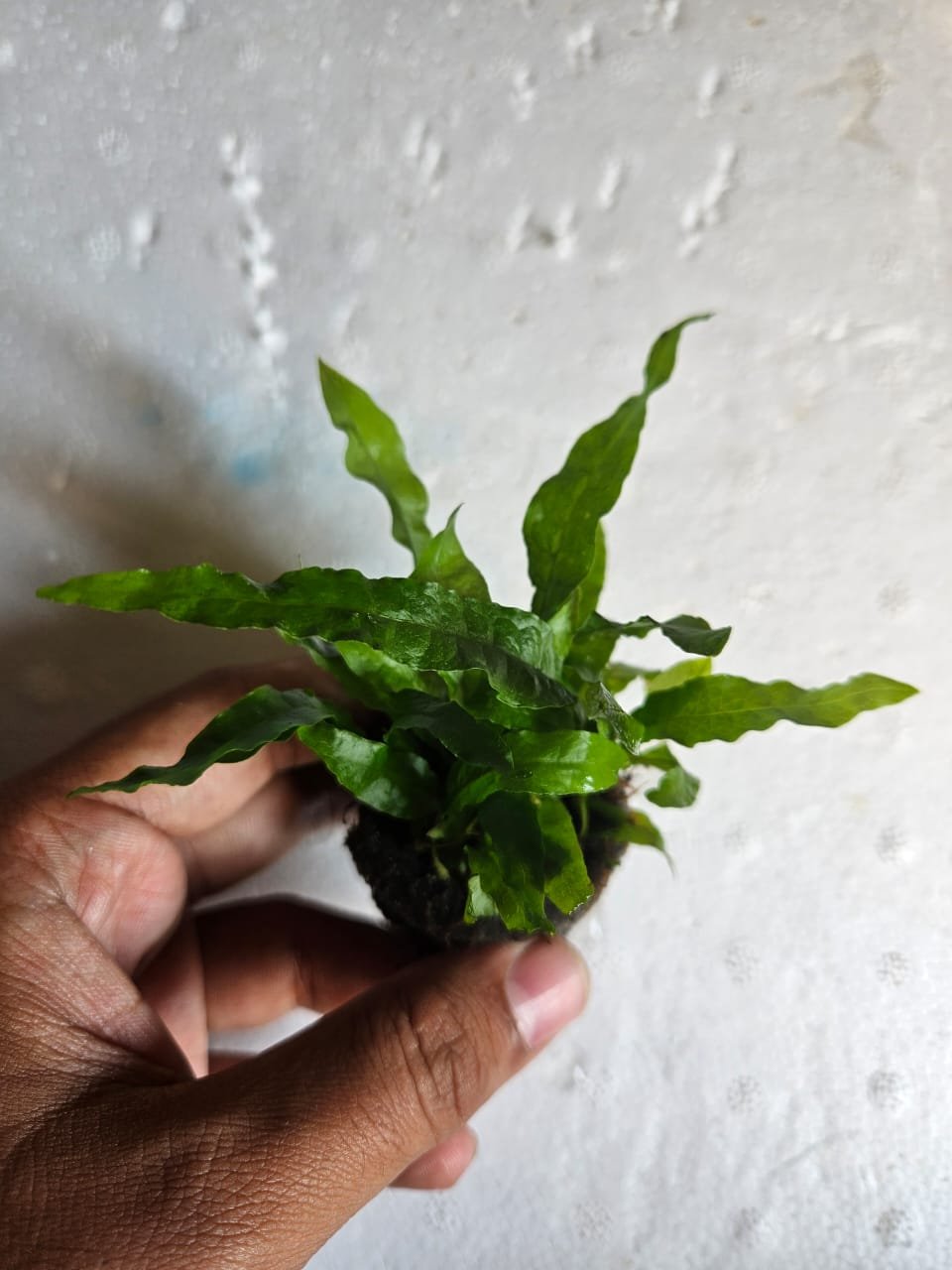
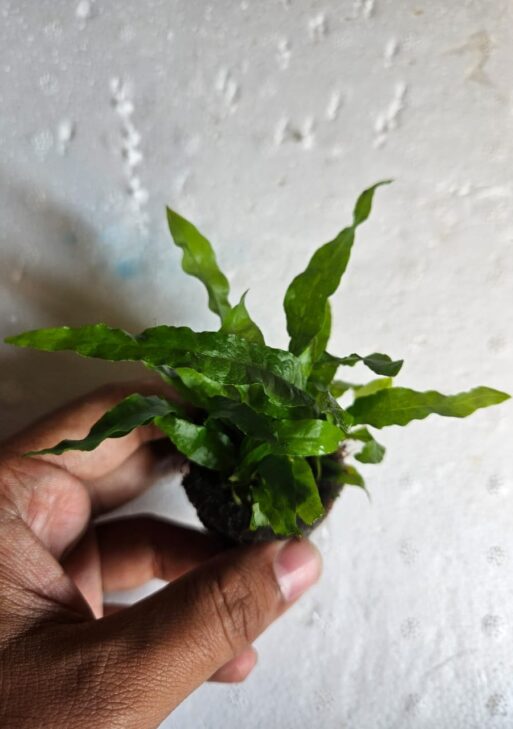
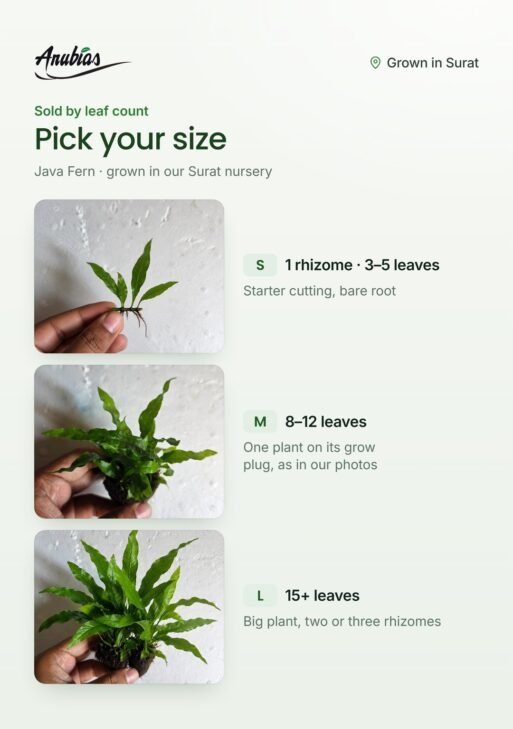
3. Java Fern (Philippine)
Another epiphyte that shrugs off a wider temperature range than most stem plants, making it a dependable choice if your tank runs a little cool through winter evenings.
Care: low–moderate light · tolerates down to ~20°C without issue · attach to hardscape. Shop Java Fern Philippine.
4. Vallisneria Nana (Jungle Val)
Handles a wider temperature range than most background grasses and keeps sending up new runners through a moderate winter dip better than many stem plants.
Care: moderate light · reasonably cold-tolerant · plant in substrate. Shop Vallisneria Nana.
5. Cryptocoryne
Hardy once established, with steady cold being far less of a problem for it than a sudden swing. A heater that keeps temperature stable protects it far better than chasing a specific number.
Care: low–moderate light · wants stability more than warmth · plant in substrate. Browse Cryptocoryne.
6. Water Wisteria (Hygrophila difformis)
Slows down noticeably in cold water but survives a moderate winter dip without major issues, picking growth back up as soon as temperatures recover.
Care: low–high light · growth slows below ~22°C · plant or float. Shop Water Wisteria.
7. Dwarf Hairgrass (Eleocharis acicularis)
Still a workable carpet option through winter, but expect it to fill in noticeably slower in cooler water — patience matters more than technique here.
Care: moderate light · carpets slower below ~22°C · plant in substrate. Shop Dwarf Hairgrass.
8. Green Plus + Trace Fertiliser
Worth keeping on hand through winter, but dose less often rather than on a summer schedule — slower winter growth uses fewer nutrients, and overdosing into that slowdown mainly feeds algae. Our guide on how often to fertilise aquarium plants covers adjusting for the season.
Shop Green Plus + Trace Fertiliser.
Frequently Asked Questions
Do planted tanks in India need a heater in winter? It depends on region — North India, hill towns and anywhere room temperatures fall below the low-20s at night need one, while most of peninsular, coastal and western India rarely needs one at all.
Do aquarium plants stop growing in cold water? They slow down significantly rather than stopping outright, so fertiliser dosing should be reduced through winter instead of kept on a summer schedule.
Can a sudden temperature drop hurt my plants? Yes — sudden swings are more damaging than steady cold, sometimes triggering “crypt melt” in Cryptocoryne; a stable temperature maintained with a heater and thermometer matters more than hitting one exact number.
Build a winter-ready planted tank with hand-picked stock — browse our full aquarium plant collection, delivered across India with a live-arrival guarantee.
Grown in Surat (pre-order plants imported to order) · live-arrival guarantee with a 4-hour unboxing video · ₹99 shipping, free from ₹999