
If you have ever set up a new aquarium, added fish or shrimp within the first few days, and then watched the water turn cloudy or lost livestock for no obvious reason, you have run into the nitrogen cycle. It is the single most misunderstood process in the hobby, and it catches out more beginners than any lighting or CO2 mistake. This guide explains what is actually happening in your water during those first weeks, why a planted tank cycles differently from a fish-only tank, and how to get through it with a realistic timeline instead of guesswork.
Quick answer: Cycling grows the bacteria that convert ammonia — toxic to fish and shrimp even at 0.25–0.5 ppm — into nitrite and then nitrate. The standard fishless method is dosing pure, surfactant-free ammonia to roughly 2–4 ppm; the tank is cycled once it converts a full dose within about 24 hours with ammonia and nitrite both reading zero. Planting heavily from day one noticeably blunts both spikes.
What Is the Nitrogen Cycle?
Every aquarium, planted or not, relies on a population of beneficial bacteria to stay safe for livestock. Fish waste, uneaten food and decaying plant matter constantly release ammonia into the water. Ammonia is highly toxic even in small amounts, so a tank needs bacteria that convert it into something less harmful. This conversion happens in two steps carried out by two different bacterial groups, and together the process is called the nitrogen cycle.
When a tank is brand new, these bacteria barely exist. They have to grow and multiply on surfaces inside the tank – mainly the substrate, filter media and hardscape – before they can process waste fast enough to keep up with a stocked aquarium. “Cycling” simply means growing that bacterial population before, or gently alongside, adding your permanent fish or shrimp.
The Three Stages: Ammonia, Nitrite and Nitrate
The cycle happens in a predictable sequence:
- Ammonia (NH3/NH4+): Produced directly by fish waste, decaying plant matter and uneaten food. It is toxic to fish and shrimp even at 0.25–0.5 ppm, and it is the first thing to spike in a new tank.
- Nitrite (NO2-): A bacterial group called Nitrosomonas converts ammonia into nitrite. Nitrite is also toxic to fish, interfering with their blood’s ability to carry oxygen, so this stage is just as dangerous as the first even though ammonia has disappeared.
- Nitrate (NO3-): A second bacterial group, Nitrobacter and related species, converts nitrite into nitrate. Nitrate is far less toxic and is the end product most keepers manage long-term through water changes and, in a planted tank, plant uptake.
A tank is considered “cycled” once it can convert ammonia all the way through to nitrate within about 24 hours of a dose being added, with both ammonia and nitrite reading zero on a test kit.
Why Planted Tanks Cycle Differently
This is where a planted aquarium has a real advantage over a bare fish-only setup. Live plants absorb ammonia directly through their leaves and roots as a nitrogen source, and they generally prefer it over nitrate because it takes less energy to use. A tank that is heavily planted from day one with fast growers can noticeably blunt the ammonia and nitrite spikes that would otherwise show up on a test kit – a phenomenon often called “silent cycling.”
This does not mean a planted tank skips the nitrogen cycle altogether. Bacteria still need to establish, and a tank that is lightly planted or stocked heavily and quickly can still spike. But going in with a good mass of stem and floating plants from the start is one of the best things you can do to protect early livestock, which is part of why a beginner setup that plants heavily from day one tends to run into far fewer problems than one that adds fish first and plants later.
How to Cycle a New Tank, Step by Step
The safest way to cycle is “fishless cycling” – growing the bacterial colony before any livestock goes in, using an ammonia source instead of fish to feed the bacteria.
- Set up the tank fully with substrate, hardscape, filter and plants running, and let it settle for a day.
- Add an ammonia source. Pure ammonia (with no surfactants or added scents) dosed to roughly 2–4 ppm is the standard method. If you would rather not source pure ammonia, a small pinch of fish food left to decay works, though it is slower and messier to dose accurately.
- Test daily with a liquid test kit for ammonia, nitrite and nitrate. For the first week or two you will mostly see ammonia sitting high with no nitrite yet.
- Watch for nitrite to appear, usually in week two, often climbing quite high (5 ppm or more) before it starts to fall as the second bacterial group establishes.
- Keep re-dosing ammonia to 2–3 ppm every time it reads zero, to keep feeding the bacteria while they multiply.
- The tank is cycled once a full dose of ammonia clears to zero ammonia and zero nitrite within about 24 hours, with nitrate now showing on the test kit.
- Do a large water change before adding livestock, since nitrate will have built up considerably during the process.
Realistic Timeline: How Long Does It Take?
Most fishless cycles take somewhere between three and six weeks from a completely bare start. A few things speed this up considerably: using established filter media, substrate or even a cup of gravel from a healthy running tank (this “seeds” the bacteria instead of starting from zero), keeping the water warm (around 25–27°C is favourable for nitrifying bacteria), and heavy fast-growing planting that reduces the ammonia load the bacteria need to handle. A heavily planted tank seeded with mature filter media can sometimes be safely stocked with a light bioload within one to two weeks, while a completely bare, unseeded tank can take six weeks or longer.
Resist the urge to rush this stage. Cycling problems are the single biggest cause of early fish and shrimp losses in new aquariums, and shrimp in particular are far more sensitive to ammonia and nitrite spikes than most fish.
Plants That Help During Cycling
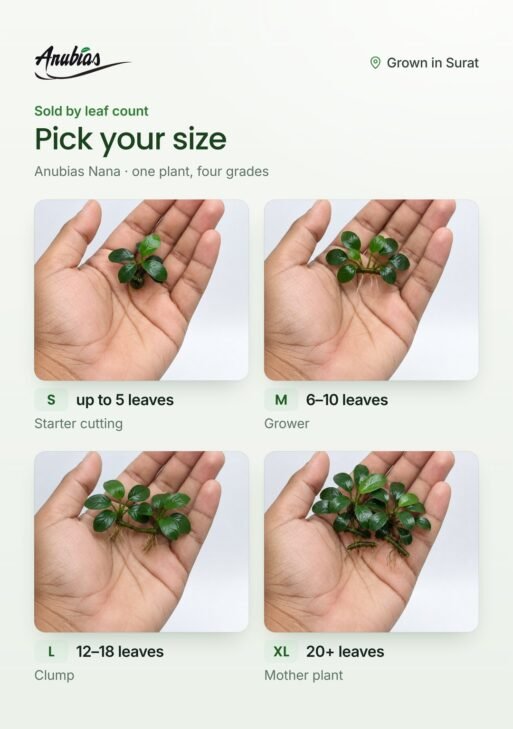
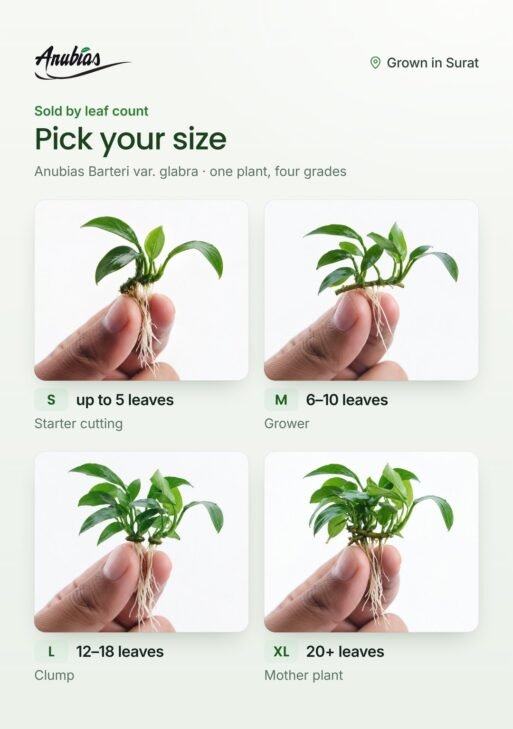
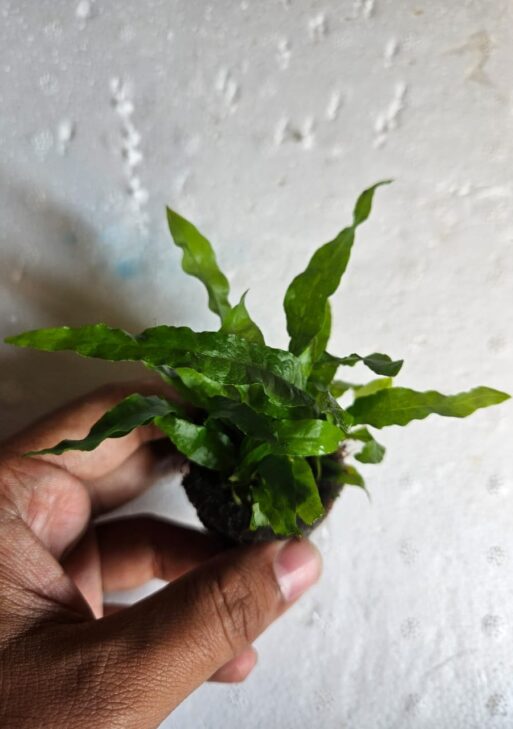
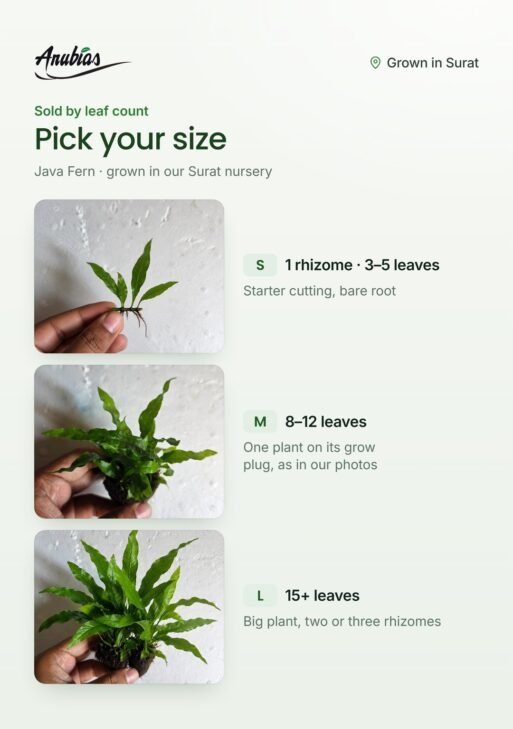
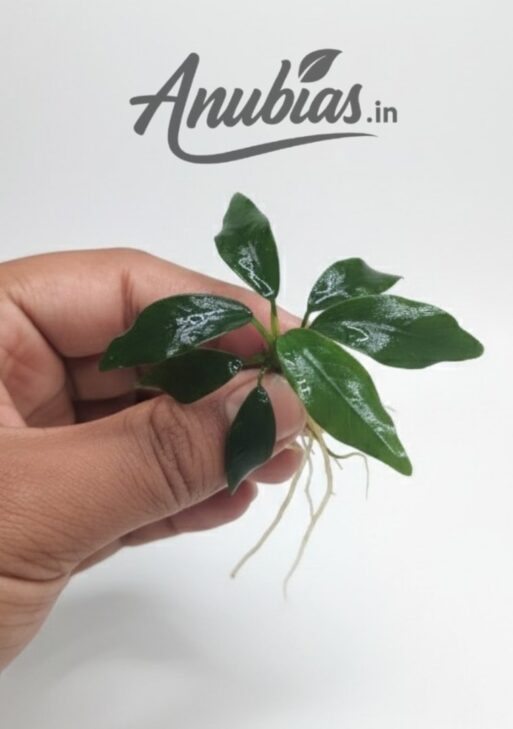
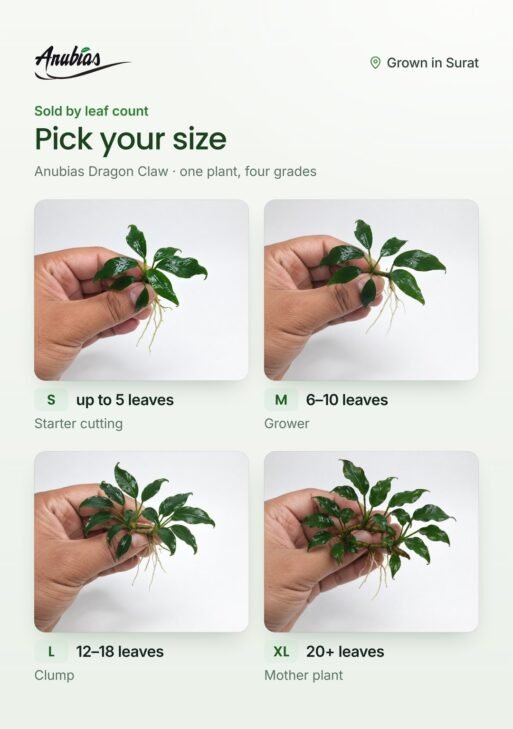
Fast, undemanding growers are the best choice for a tank that is still cycling, since they pull ammonia straight out of the water column with minimal care. Floating and stem plants are particularly effective because of their rapid growth rate and direct access to both light and water-column nutrients – Duckweed and Water Wisteria are two of the fastest and most forgiving options for this job. Slower, tougher plants like Anubias and Java Fern will not speed up cycling as much, but they tolerate the fluctuating parameters of a new tank well and give you a stable, low-maintenance backbone while the faster growers do the heavy lifting.
How to Read Your Test Kit Results
Use a liquid reagent test kit rather than paper strips for anything beyond a rough check – strips are notoriously imprecise for ammonia and nitrite, exactly the readings that matter most during cycling. Test at the same time each day for consistency, since ammonia and nitrite can shift over 24 hours as bacteria consume what was dosed. A cycled tank should read 0 ppm ammonia, 0 ppm nitrite, and some measurable nitrate (typically 5–40 ppm depending on how heavily planted the tank is and how recently you did a water change).
Common Cycling Mistakes to Avoid
- Adding all your fish at once as soon as the tank looks clear, overwhelming a still-establishing bacterial colony.
- Over-cleaning the filter in the first months, which strips out the very bacteria you are trying to grow. Rinse filter media in removed tank water, never tap water, and never replace all the media at once.
- Using tap water conditioners that also claim to “instantly cycle” a tank. Bacterial supplements can help seed a cycle but are not a substitute for testing and patience.
- Confusing a clear-looking tank with a cycled one. Water can look perfectly clear while ammonia or nitrite is dangerously high – only a test kit tells you the truth.
Once your tank is cycled, ongoing maintenance is mostly about keeping nitrate in check through water changes and plant growth, and feeding your plants correctly so they keep pulling their share of the nitrogen load out of the water.
Frequently Asked Questions
Can I add fish before the tank finishes cycling?
It is possible with a “fish-in” cycle, but it means keeping a very light stocking level, testing daily, and doing frequent partial water changes to keep ammonia and nitrite from reaching harmful levels. Fishless cycling is safer and less stressful for livestock whenever you can plan ahead.
Do I need to cycle a tank if it is heavily planted?
Yes, though a heavily planted tank is more forgiving. Plants reduce ammonia spikes but do not replace the bacterial colony entirely, especially once you add a normal fish bioload. Test before assuming a planted tank is safe to stock heavily right away.
Why did my ammonia go up again after it had reached zero?
A second ammonia spike partway through cycling is normal and usually means you added more bioload, food or an ammonia dose than the current bacterial population can handle yet. Keep testing and dosing consistently; the bacteria will catch up as their numbers grow.
Grown in Surat (pre-order plants imported to order) · live-arrival guarantee with a 4-hour unboxing video · ₹99 shipping, free from ₹999