
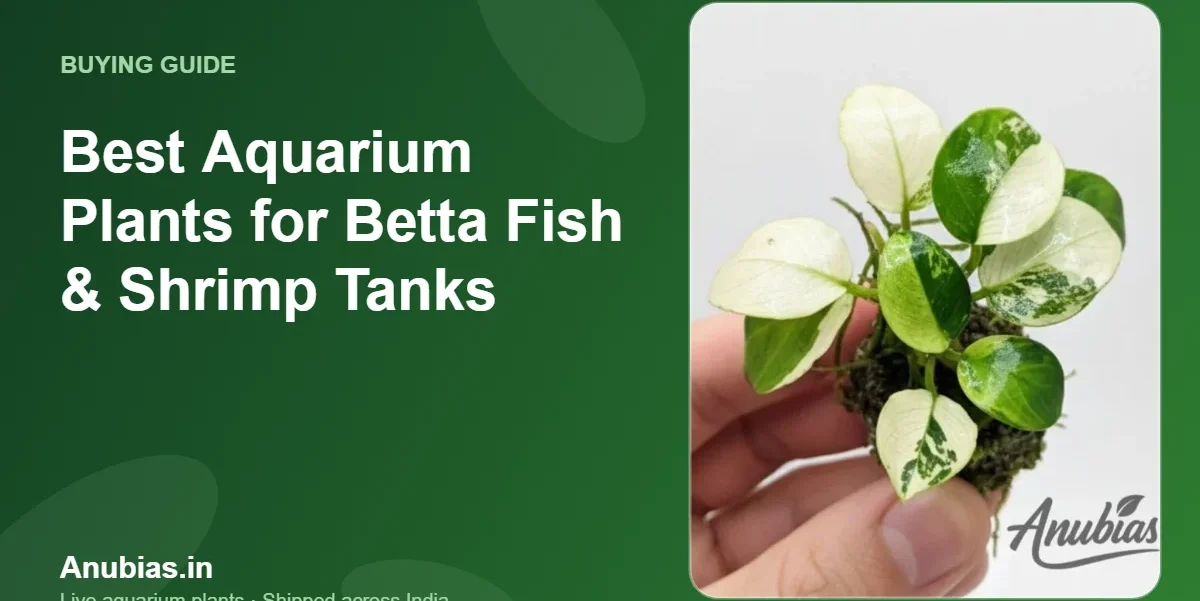
Bettas and shrimp both love a well-planted tank — plants give them cover, resting spots and grazing surfaces, and help keep the water healthy. Here are the best, easiest plants for betta and shrimp setups.
In India bettas are usually sold as fighter fish; every plant below suits them. For a one-tap set, see the Betta tank kit, or read the full betta planted tank setup guide. Many betta keepers also drop in one dried Indian almond leaf per 20–40 litres; its tannins tint the water tea-brown and can lower pH slightly. We sell them at ₹100 for a pack of 50, which lasts one tank roughly 3 years. Browse all betta tank plants and almond leaves in one place.
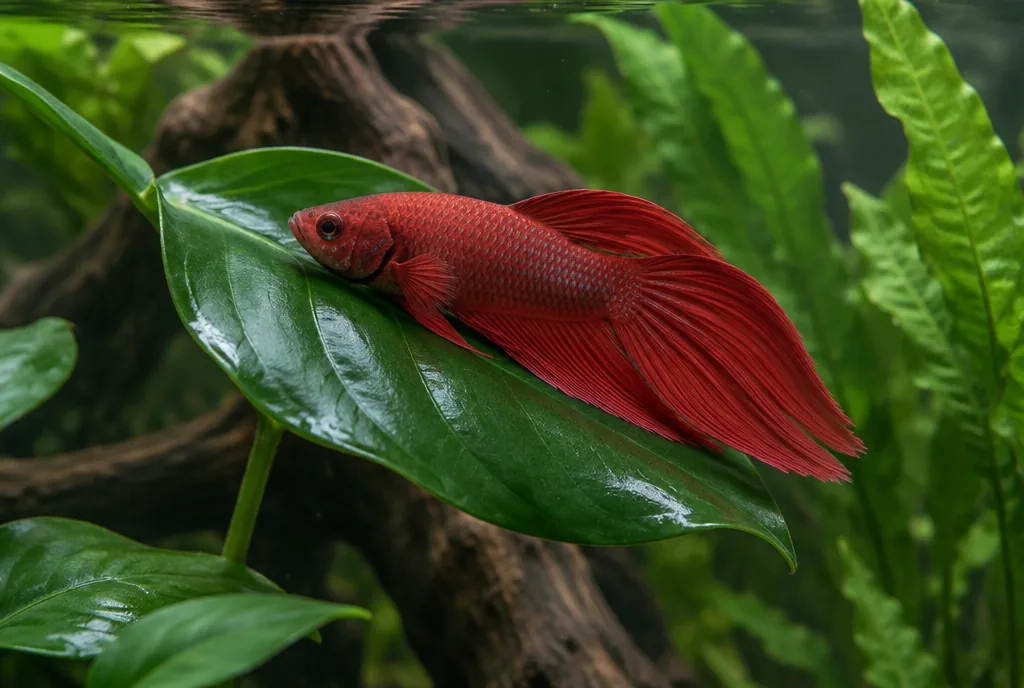
Quick answer: The best live plants for betta fish are Anubias Nana or Petite, Java fern, soft mosses and a floater such as Amazon frogbit. They give broad leaves to rest on and cover, with no sharp edges to tear fins, and none needs CO2. For shrimp, add Christmas moss, Bucephalandra and Cryptocoryne for grazing and shelter.
Best live plants for betta fish
The best live plants for betta fish are Anubias Nana or Petite, Java fern, Java moss and Christmas moss, plus Amazon frogbit. Their soft leaves won’t tear fins, and Anubias, Java fern and moss grow in low light without CO2. Broad Anubias leaves near the surface give bettas a resting spot, and floating frogbit adds shade and cover. In short, the best plants for betta fish are Anubias and Java fern first, then a soft moss and a floating plant for cover.
Bettas appreciate gentle, broad leaves to rest on near the surface and hiding spots to feel secure. Great choices:
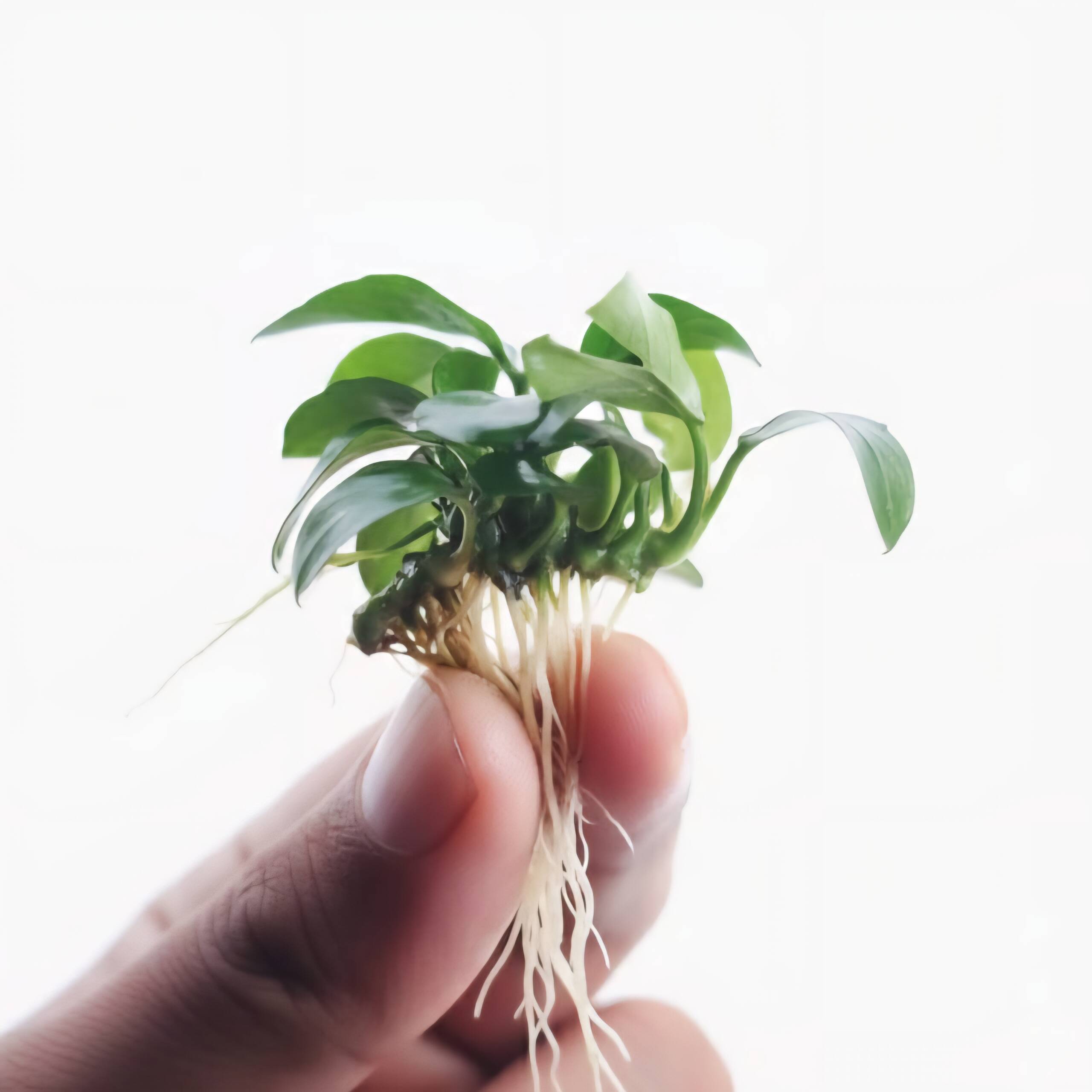
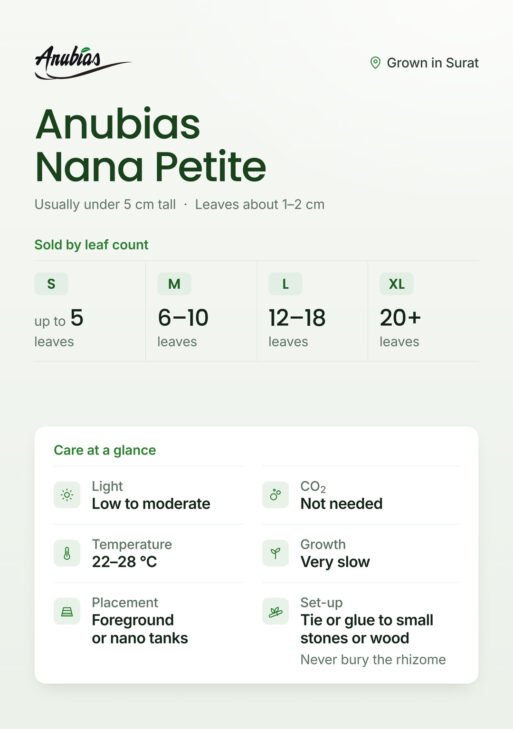
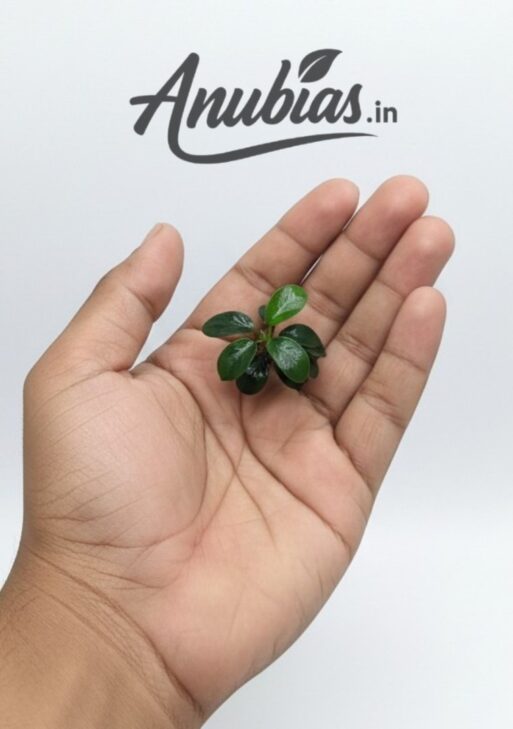
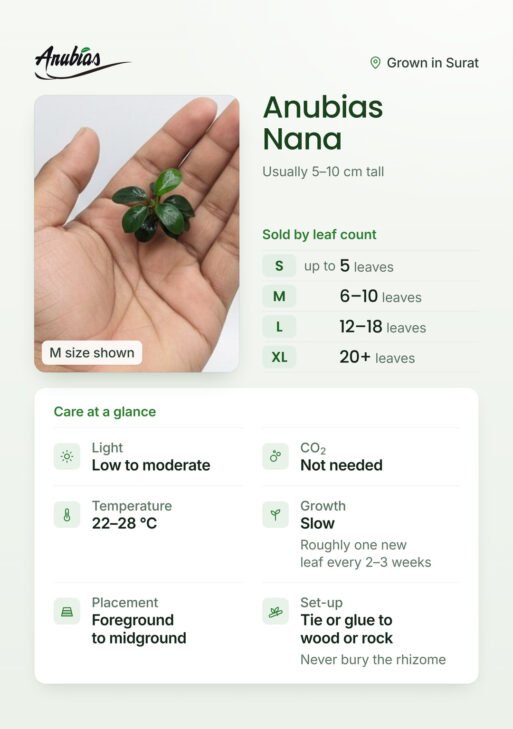
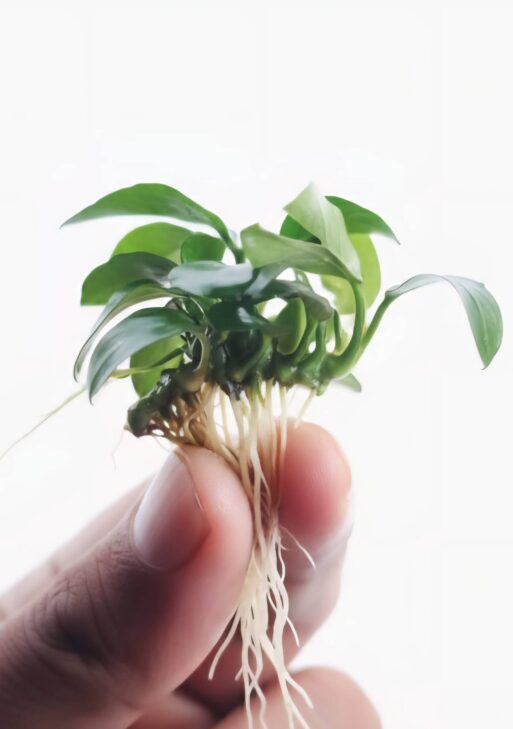
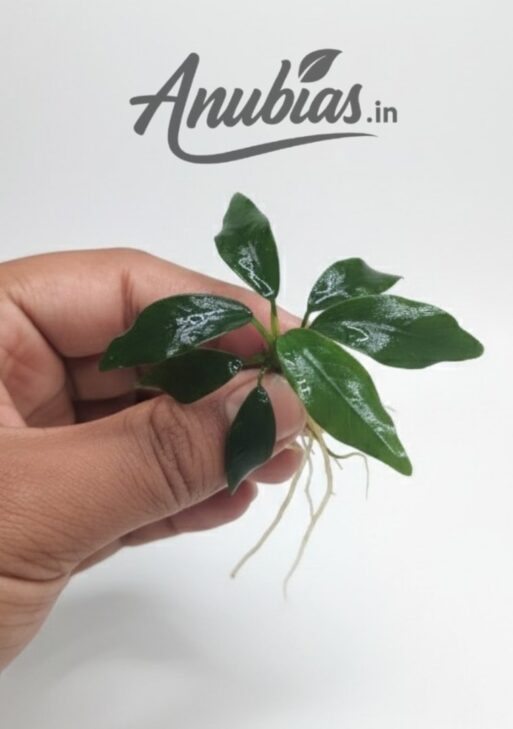
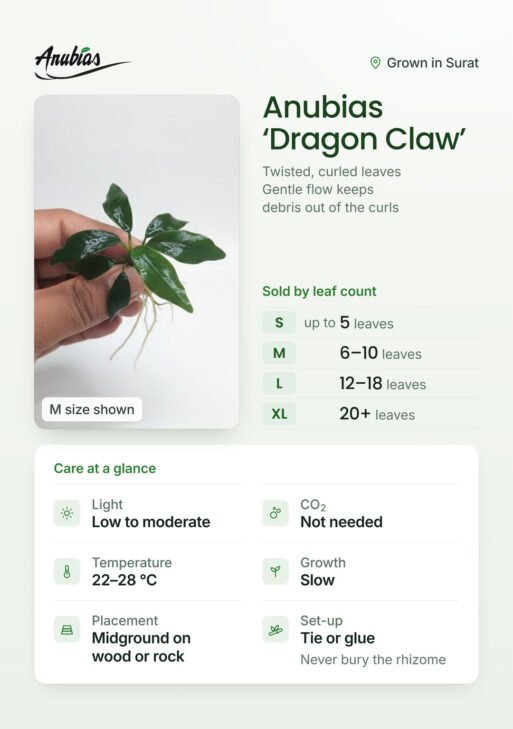
- Anubias — broad, sturdy leaves bettas love to perch on; attaches to wood so it doesn’t crowd the tank. Shop Anubias. Good picks: Anubias Nana and, for nano tanks, Anubias Nana Petite.
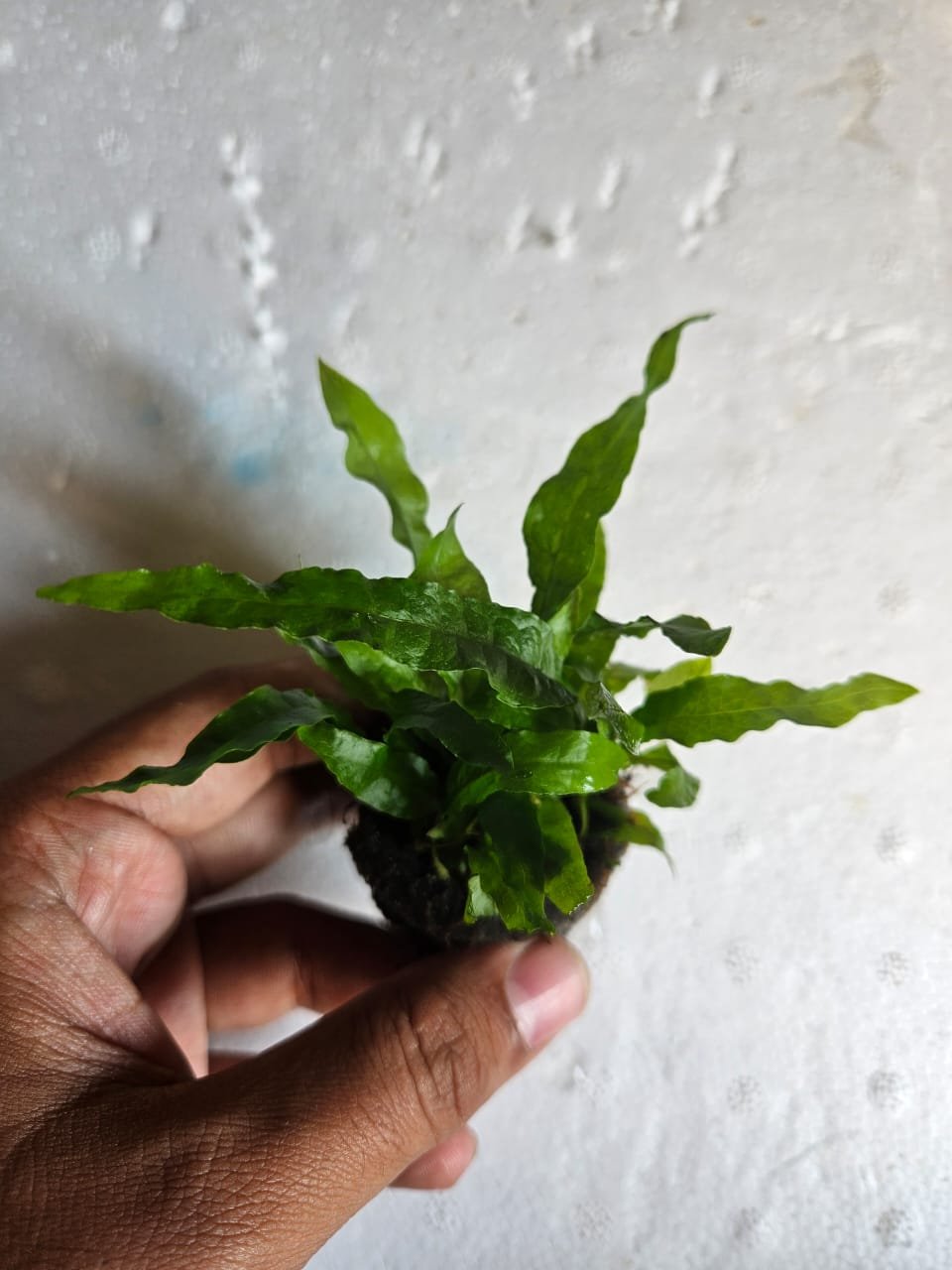
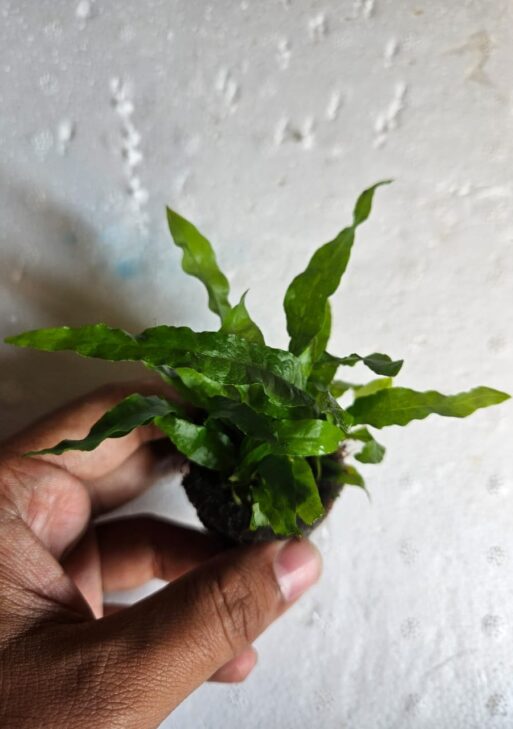
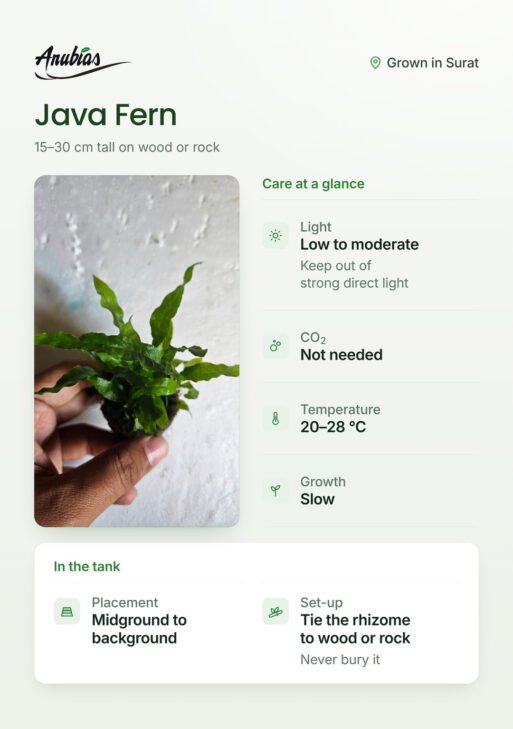
- Java fern — soft, tall leaves for cover and shade. See Java Fern Philippine.
- Java moss — soft cover with no sharp edges to tear delicate betta fins. Java moss is imported to order (about 15 days).
- Christmas moss — another soft moss for wood or rock: resting cover for bettas and a grazing surface for shrimp. Christmas moss is imported to order (about 15 days).
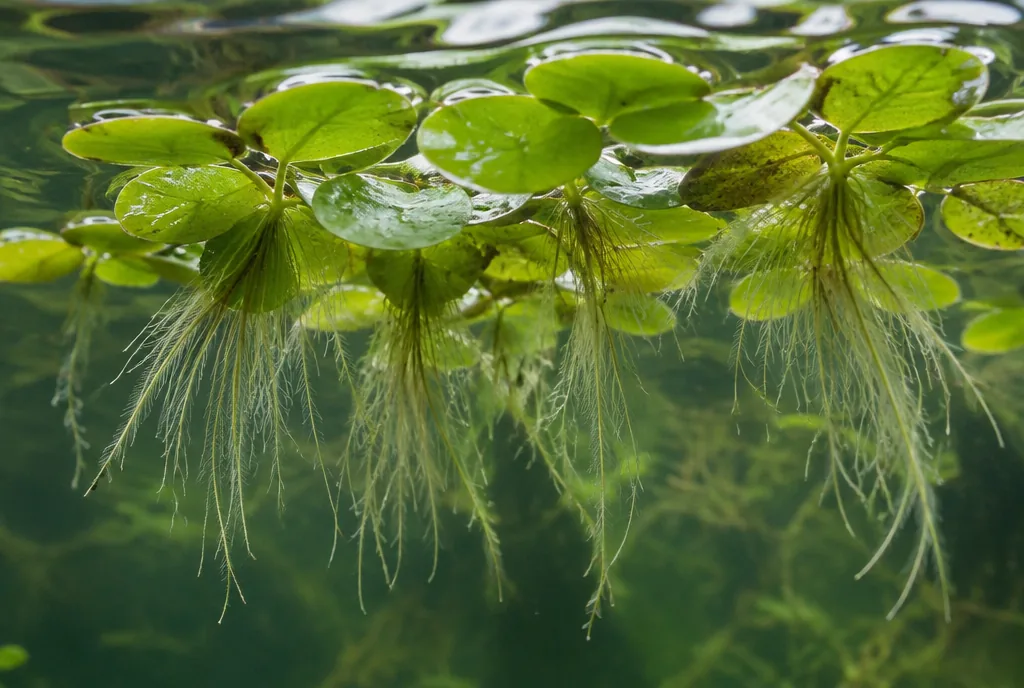
- Floating plants — Amazon frogbit and water lettuce dim harsh light and give male bettas an anchor for bubble nests. Leave part of the surface open, because bettas breathe air from the surface.
- Bucephalandra — small, low-light plants that attach to wood or rock like Anubias. Our Bucephalandra are imported to order (about 15 days). See Bucephalandra.
Best plants for shrimp tanks
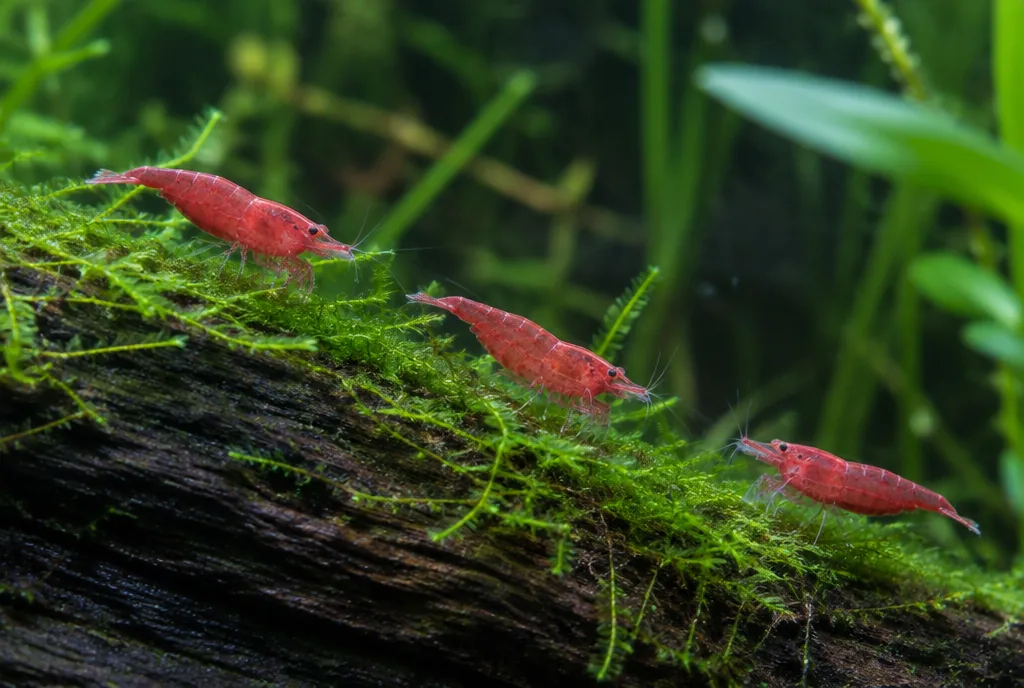
Shrimp (Neocaridina, Caridina) thrive with dense, fine-leaved plants and mosses that trap food and shelter shrimplets:
- Java moss & Christmas moss — the ultimate shrimp plants; a nursery and grazing surface in one. Shop mosses.
- Anubias & Bucephalandra — biofilm grows on their leaves for shrimp to graze. Shop Bucephalandra.
- Cryptocoryne — bushy cover for the midground.
Best plants for betta and shrimp tanks at a glance
| Plant | Good for bettas | Good for shrimp | Light | Price from |
|---|---|---|---|---|
| Anubias Nana | Yes, resting leaves | Yes, biofilm grazing | Low | ₹90 |
| Anubias Nana Petite | Yes, nano tanks | Yes | Low | ₹90 |
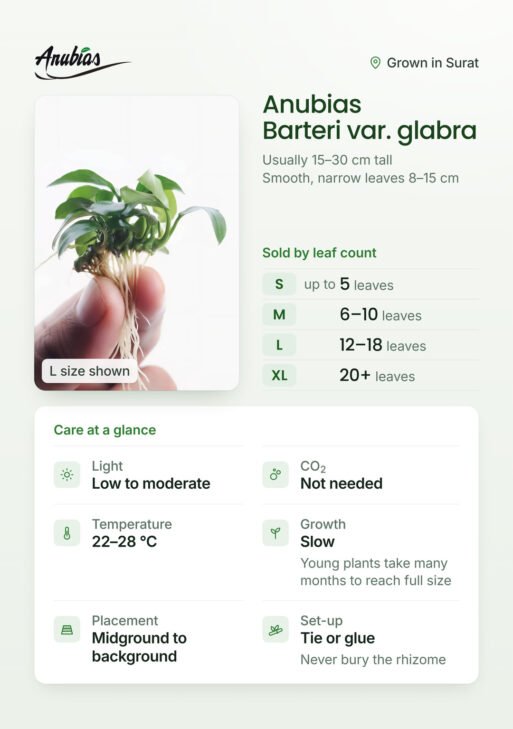
| Java fern | Yes, cover and shade | Yes | Low | ₹175 |
| Java moss | Yes, soft cover | Excellent, shrimplet nursery | Low | ₹120 |
| Christmas moss | Yes | Excellent | Low to medium | ₹150 |
| Bucephalandra | Yes | Yes, biofilm grazing | Low | ₹299 |
| Cryptocoryne wendtii | Yes, midground cover | Yes | Low | ₹150 |
| Amazon Frogbit | Yes, shade and bubble-nest anchor | Yes, roots hold food | Medium | ₹90 |
How to set up each plant
These plants go into the tank in three different ways, and getting this right matters more than anything else.
- Tie or glue: Anubias, Java fern and Bucephalandra grow on a rhizome that must never be buried. Tie it to wood or rock with cotton thread, or glue it with a small dab of gel superglue on a dry surface. Spread Java moss and Christmas moss thinly over wood or stone and tie it down with thread.
- Float: Amazon frogbit and water lettuce simply sit on the surface. Keep their leaf tops dry, away from splashing and dripping lid condensation, and leave part of the surface open so your betta can reach the air.
- Plant: Cryptocoryne goes into the substrate with its roots buried and the crown, where the leaves meet the roots, just above it.
Care at a glance
Bettas are usually kept at about 24–28 °C, and every plant in this table is comfortable in that range.
| Factor | Anubias | Java fern | Bucephalandra | Java moss | Amazon frogbit |
|---|---|---|---|---|---|
| Light | Low to moderate | Low to moderate | Low to moderate | Low to high | Medium |
| CO2 | Not required | Not required | Not required | Not required | Not needed |
| Temperature | 22–28 °C | 20–28 °C | 22–28 °C | 20–30 °C | 20–28 °C |
| pH | 6.0–7.5 | 6.0–7.5 | 6.0–7.5 | About 5.5–8.0 | — |
| Growth | Slow, roughly one new leaf every 2–3 weeks | Slow to moderate | Very slow | Moderate | Fast |
| Placement | On wood or rock; a leaf near the surface gives a betta a resting spot | Behind, on wood, hiding equipment | Front, on stones and wood | Over wood and rock; cover for shrimp | Water surface; leave part of it open |
| How to attach | Tie or glue the rhizome; never bury it | Tie or glue the rhizome; never bury it; remove the grow plug first | Tie or glue the rhizome; never bury it | Spread thin, then tie with thread or glue | Float it; keep the leaf tops dry |
How many plants does a betta tank need?
Aim to cover about half of the tank with plants. A 20–40 litre betta tank looks and works best with 3–5 epiphytes (for example two Anubias Nana on wood, one Java fern and a clump of moss) plus a few floating plants. Bettas feel secure with cover but still need open swimming space near the front. Floating plants such as Amazon Frogbit also dim harsh light and give male bettas an anchor for bubble nests.
Plants to avoid with bettas and shrimp
- Plastic plants with hard edges: can tear betta fins; live plants are safer.
- Plants treated with pesticides: even traces can kill shrimp, so rinse and quarantine new plants.
- Very fast-growing floaters in small tanks: duckweed can cover the surface and block the air bettas breathe from the surface.
- Non-aquatic “aquarium” plants such as lucky bamboo leaves or mondo grass, which rot underwater.
Simple planted betta tank layout
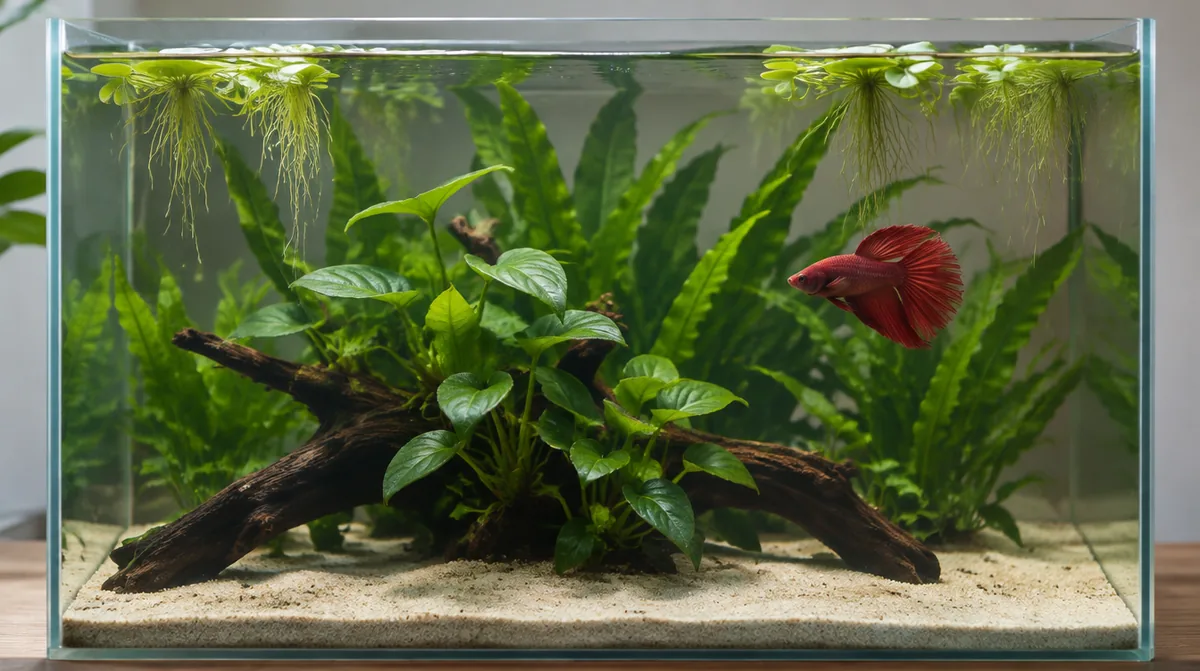
- Place a piece of driftwood in the middle or back of the tank.
- Glue Anubias Nana or Petite to the lower parts of the wood.
- Tie Java fern behind it to hide the heater and filter.
- Add Java or Christmas moss on rocks for shrimp and soft betta resting spots.
- Float a small portion of Amazon Frogbit, leaving part of the surface open.
The first two weeks after planting
Expect a little change while the plants settle. Anubias and Java fern may drop an older leaf, and Cryptocoryne often loses several leaves (crypt melt) before new ones grow from the roots. Floating plants can look limp for a few days. None of this is a reason to pull plants out: trim dead leaves so they do not rot in the water, keep the light at 6 to 8 hours a day and do your normal water changes.
Worry only if a rhizome turns soft and brown or a whole plant collapses at once. If a plant arrives dead or damaged, record one continuous unboxing video and send it to us on WhatsApp or email within 4 hours of delivery; we then refund or replace it.
Safety note for shrimp tanks: copper
Copper is the biggest hidden danger to shrimp. Some fertilisers, medications and algae treatments contain copper, which can be lethal to shrimp even in small amounts. Check labels before adding anything to a shrimp tank, rinse new plants, and follow the guidance in our shrimp-safe planted tank guide. For a full betta setup, see the betta-safe planted tank guide.
More fish and shrimp guides:
Why these work
They’re all low-light, no-CO₂ plants that are gentle on fins and safe for invertebrates — and they’re hardy enough for beginners. Always rinse new plants and follow your usual quarantine routine before adding them to a sensitive shrimp tank.
Build the perfect betta or shrimp tank with our hand-picked plants — delivered across India with a live-arrival guarantee.
Want a ready-made set? See our aquarium plant starter kits for nano, betta, 2 ft and 3 ft tanks.
New to plants? Start with the beginner page live plants for your fish tank: Anubias on a rock, no soil, no CO2.
Start with the Anubias Five
One of each of our five Surat-grown Anubias, sized by leaf count.
Build your setFrequently asked questions
Can bettas and shrimp live together?
Sometimes. Calm bettas can share a heavily planted tank with adult Amano shrimp, but they often eat baby cherry shrimp. Dense moss gives shrimp the best chance.
Do betta tanks need CO2 or special lights?
No. All the plants listed here grow in low light without CO2, which suits the gentle, low-flow conditions bettas prefer.
Are Anubias leaves toxic to shrimp or bettas?
No. Anubias is safe for both. Its leaves taste bitter, so fish do not eat them, but shrimp happily graze the biofilm on their surface.
Is Anubias good for betta fish?
Yes. Anubias has broad, sturdy leaves that bettas like to rest on, grows in low light without CO2 and is safe for bettas. Tie Anubias Nana or Nana Petite to wood or rock that sits close to the surface so your betta has a resting spot near the air.
Are live plants better than plastic plants for bettas?
Yes. Soft live plants do not tear delicate betta fins, while plastic plants have seams and rigid edges that are a common cause of fin splits, so skip plastic plants entirely. Live plants also take up ammonia and nitrate between water changes and give your betta cover.
Keeping guppies or mollies? See the best plants for guppy and molly tanks.
Before adding other fish to a betta tank, read our guide to betta tank mates.
हिंदी में पढ़ें: बेट्टा फिश के लिए पौधे.
Grown in Surat (pre-order plants imported to order) · live-arrival guarantee with a 4-hour unboxing video · ₹99 shipping, free from ₹999