
New to planted tanks? This glossary explains the most common aquascaping and aquarium-plant terms in plain English, so you can shop and plant with confidence.
Quick answer: This glossary defines 25 planted-tank terms in plain English. The ones beginners meet first: an epiphyte (Anubias, Java fern) grows attached to wood or rock and its rhizome must stay above the substrate or it rots; hardscape is the rock-and-driftwood structure of a scape; crypt melt and buce melt are normal, temporary leaf drops after moving a plant; and a low-tech tank runs modest lighting with no injected CO2.
Aquarium plant terms A–Z
- Aquascape — the art of arranging plants, rocks and wood in an aquarium to create an underwater landscape.
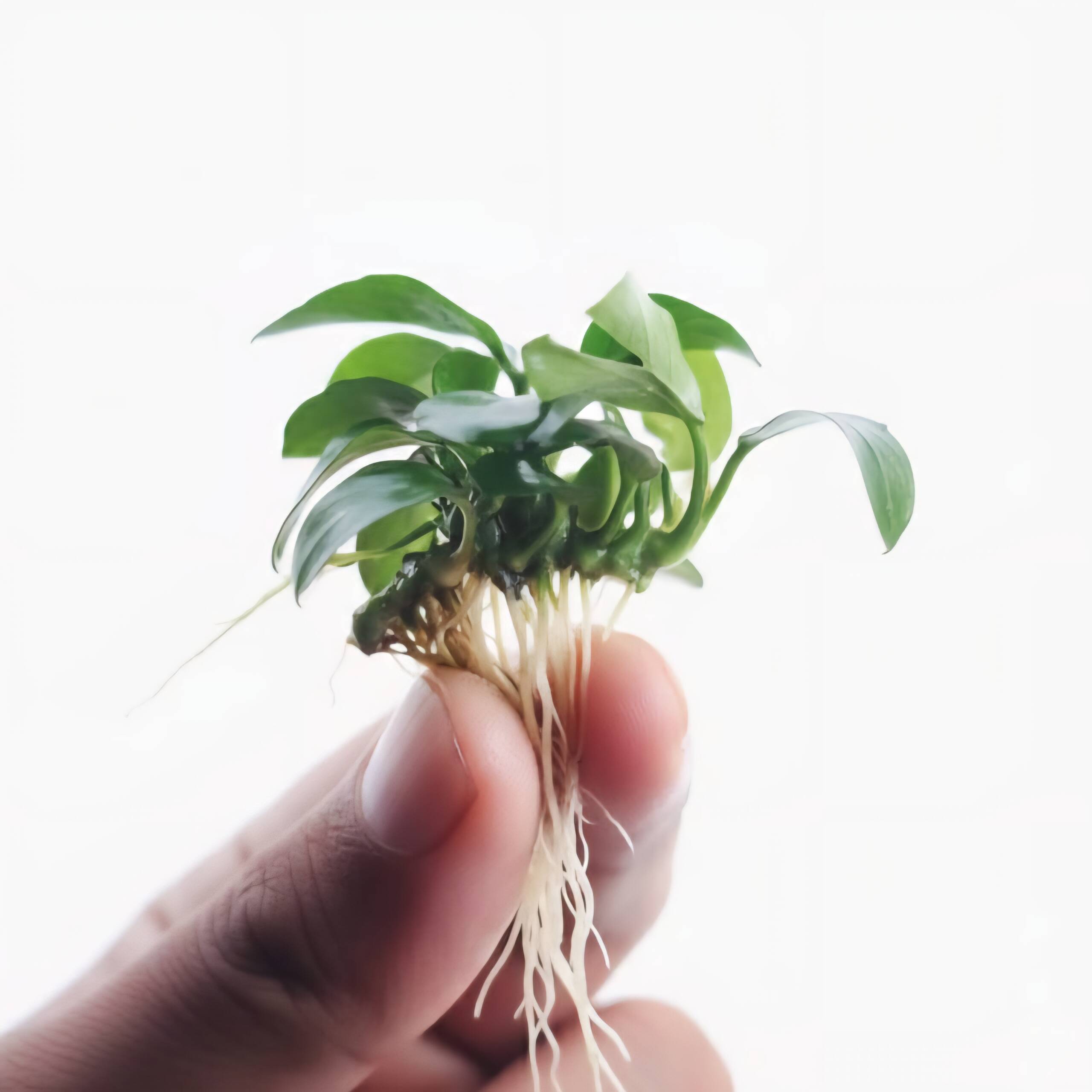
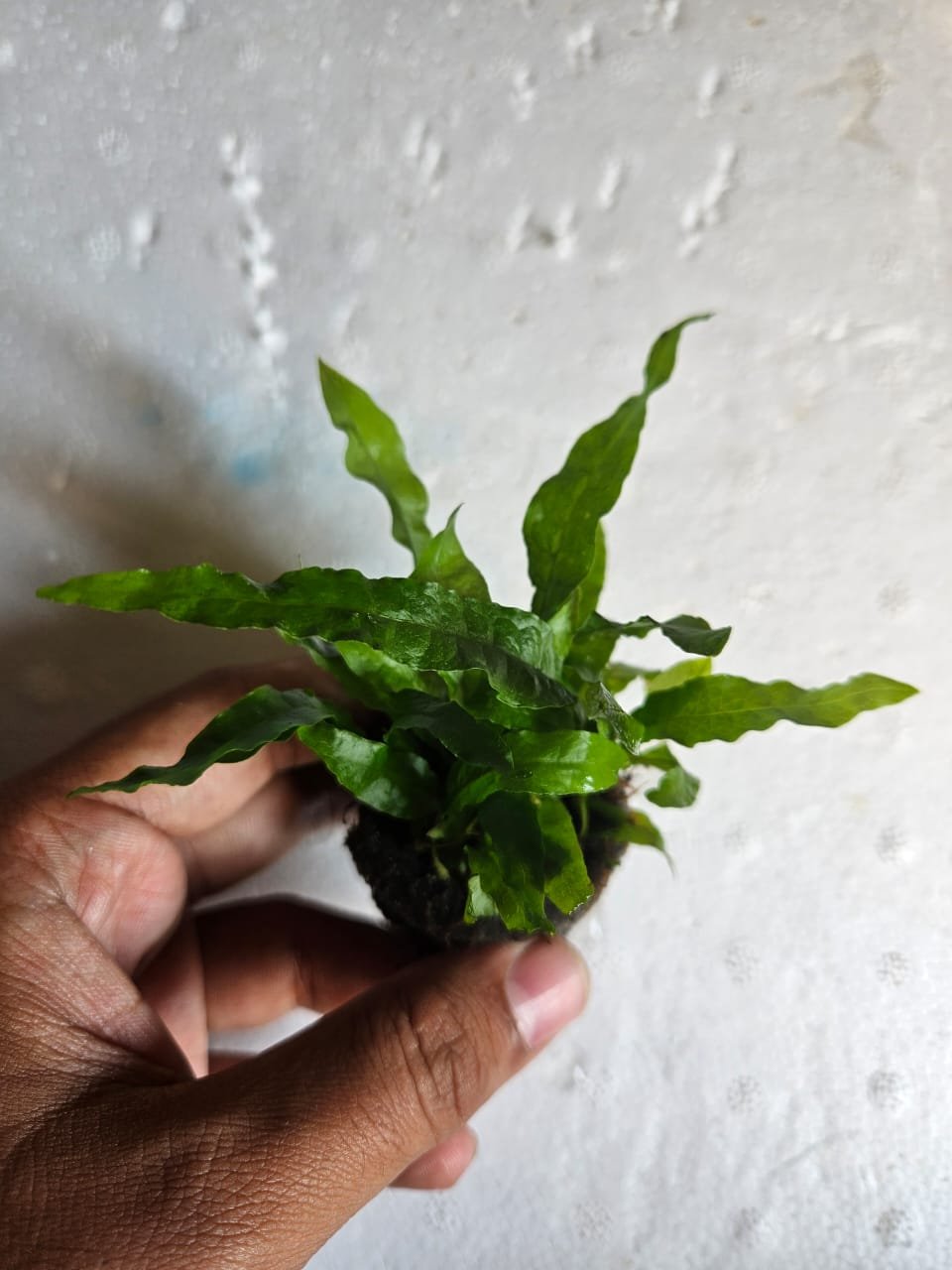
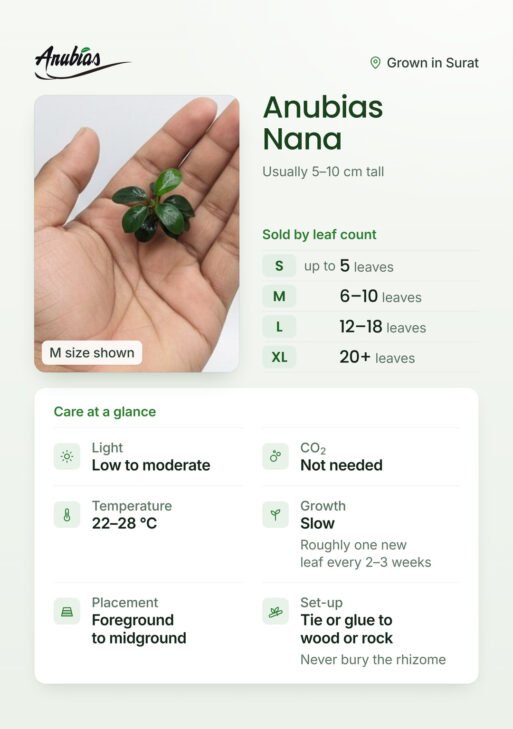
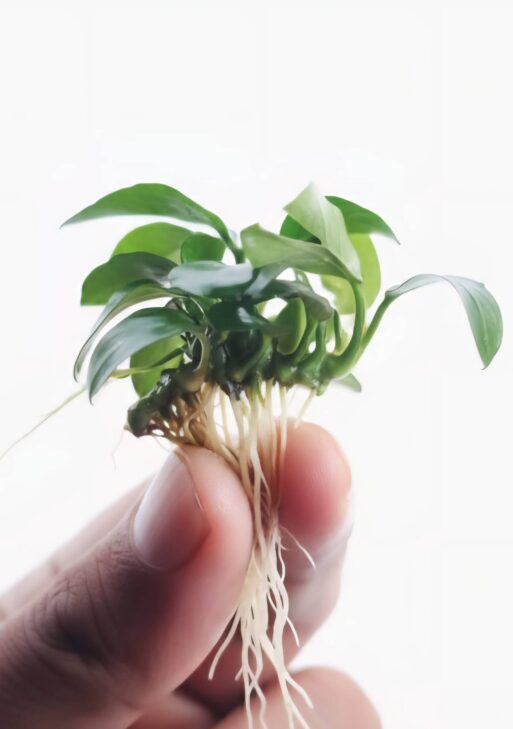
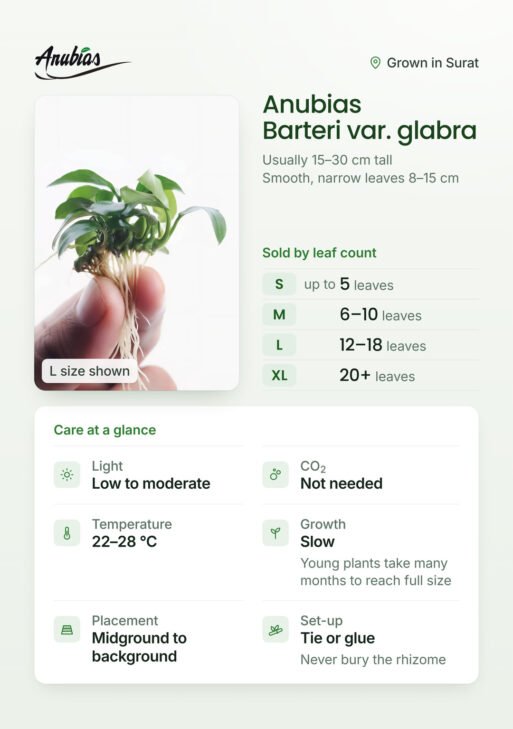
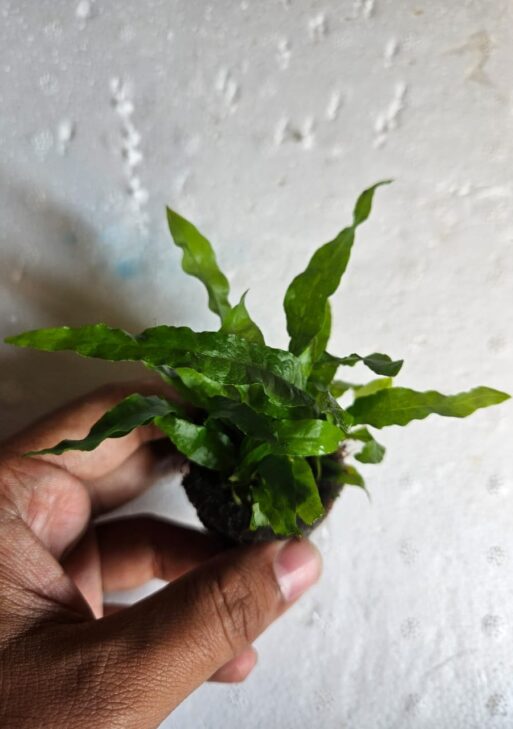
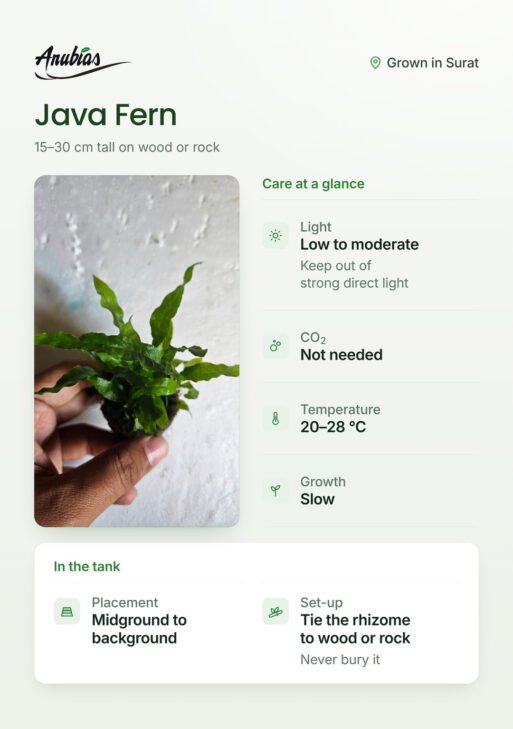
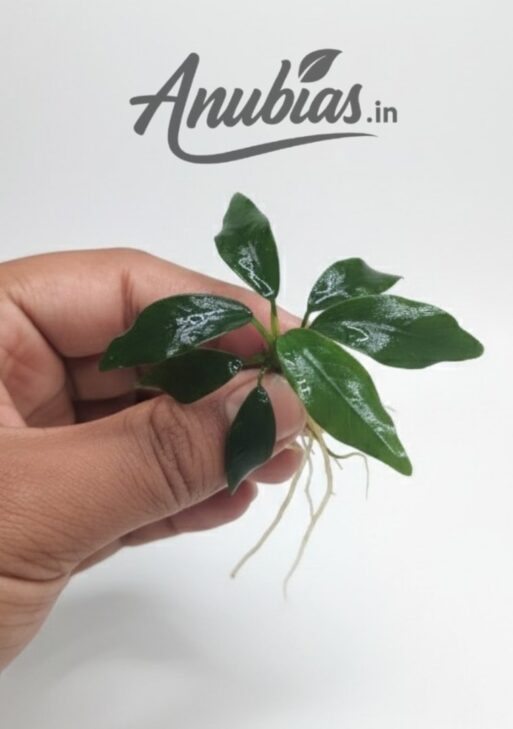
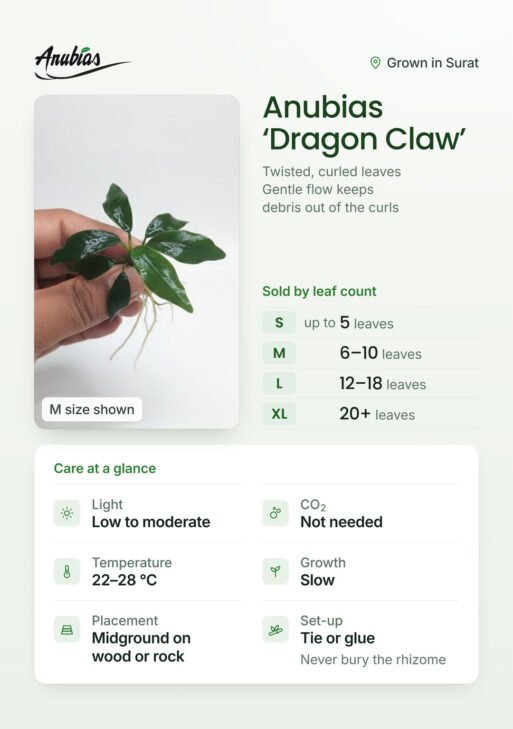
- Epiphyte — a plant that grows attached to surfaces (wood, rock) instead of rooting in substrate, such as Anubias and Java fern.
- Rhizome — the thick horizontal stem of epiphytes like Anubias; it must stay above the substrate or it rots.
- Crypt melt — when a Cryptocoryne sheds its leaves after being moved; normal, with new growth following.
- Buce melt — the same temporary leaf drop in Bucephalandra after planting.
- Hardscape — the rocks and driftwood that form the structure of an aquascape.
- Carpeting plant — a low plant that spreads across the foreground like a lawn.
- Substrate — the gravel, sand or soil on the tank bottom.
- Root tabs — fertiliser capsules pushed into substrate to feed root-feeding plants.
- Liquid fertiliser — water-column nutrients dosed for plants that feed through their leaves.
- CO₂ — carbon dioxide; optional for low-tech plants, required for demanding species.
- Low-tech tank — a planted tank run without injected CO₂ and with modest lighting.
- Nano tank — a small aquarium, typically under ~40 litres.
- Foreground / midground / background — the front, middle and back planting zones of a scape.
- Iwagumi — a minimalist aquascaping style built around an odd number of rocks.
- Dry start method — growing carpeting plants emersed (above water) before flooding the tank.
- Emersed / submersed — grown above water vs underwater; many plants adapt between the two.
- Propagation — making new plants by dividing or replanting cuttings.
- Variegated — leaves marbled with white or cream, as in Anubias Pinto or Marble.
- Algae — unwanted growth controlled with balanced light, nutrients and clean-up crews.
- Clean-up crew — shrimp, snails or isopods that eat waste and algae.
- Live-arrival guarantee — a seller’s promise to refund or replace plants that arrive dead.
- Pre-order / import — sourcing a plant to order from an overseas supplier.
- Rhizome division — propagating epiphytes by cutting the rhizome into sections.
- Moss — a soft, attaching plant (e.g. Java moss) loved in shrimp tanks.
Ready to put these terms into practice? Read our care guides or shop aquarium plants — shipped across India with a live-arrival guarantee.
New to plant names? Start with the types of aquarium plants.
Frequently asked questions
What is an epiphyte in aquascaping?
An epiphyte is a plant that grows attached to surfaces such as wood or rock instead of rooting in substrate, like Anubias and Java fern. Its thick horizontal stem, the rhizome, must stay above the substrate or it rots.
What is crypt melt?
Crypt melt is when a Cryptocoryne sheds its leaves after being moved. It is normal and temporary, with new growth following. The same temporary leaf drop in Bucephalandra after planting is called buce melt.
What is a low-tech planted tank?
A low-tech tank is a planted tank run without injected CO2 and with modest lighting. Carbon dioxide is optional for low-tech plants but required for more demanding species.
Grown in Surat (pre-order plants imported to order) · live-arrival guarantee with a 4-hour unboxing video · ₹99 shipping, free from ₹999