

Monsoon hits every planted tank in India differently depending on where you keep it, but almost nobody gets through June to September without a surprise. In Surat, Mumbai or coastal Karnataka it’s weeks of thick, unmoving humidity. In Delhi, Bangalore or inland Gujarat it’s short, violent storms that knock the power out for an afternoon. A tank that’s run quietly for months suddenly needs a bit more attention — not an overhaul, just awareness of what changes and what to do about it.
Quick answer: Monsoon (June to September) hits Indian planted tanks mainly through power cuts: filter bacteria die off, CO2 solenoids can end up dosing overnight and light timers drift out of sync. Test a battery air pump before the season starts, and be stricter with monsoon tap water — let it sit a full 24 hours with an airstone or dose dechlorinator properly rather than shortcutting the wait between outages.
Power Cuts and Load Shedding: What Actually Breaks
Monsoon storms are the biggest cause of unplanned power cuts in Indian cities and towns — a line goes down, a transformer trips, and load shedding runs for a few hours. A two-hour cut rarely matters for a planted tank; four, six or twelve hours is where real problems start.
Filters and bacteria die-off
Filter media holds the bacterial colony that breaks down ammonia and nitrite, and that colony is aerobic — it needs flow and oxygen. Stop a filter for several hours and the sealed media chamber runs low on oxygen, so the colony starts dying back. A short outage is usually fine; a six-hour-plus cut can cause an ammonia spike a day or two later. Don’t assume the filter is fine because power is back — check it, and watch parameters for the next couple of days.
CO2 solenoids and lighting timers
Run CO2 on a solenoid with a basic timer, and a power cut resets the schedule. Power can return at any hour, so your solenoid may end up dosing CO2 overnight while the lights are off, or your light may run out of sync with your plants’ routine. Check both after any outage longer than an hour or two — drift adds up over a season.
What actually helps
A battery-powered air pump is the single best monsoon purchase for a planted tank — cheap, and it keeps gas exchange going through a long outage regardless of your filter or CO2 setup. Don’t feed heavily right before a storm you can see coming, since uneaten food plus a stalled filter is how ammonia spikes happen. And check filter flow and timer settings after every outage instead of assuming it reset itself.
Tap Water Quality During Monsoon
Heavy rain changes what comes out of the tap, so it’s worth paying attention rather than rushing your usual water change. Source water for most municipal systems — rivers, lakes, reservoirs — gets more turbid after major downpours, and treatment plants sometimes adjust chlorination to compensate, so what reaches your tap can vary more during and right after a big storm. Heavy rain can also raise short-term contamination risk in ageing pipe networks.
This doesn’t mean skipping water changes during monsoon — stagnant water is worse for plants and livestock than a slightly-off tap supply. It means being a little more careful. If your tap water looks unusually cloudy or smells different right after a major storm, hold off for 24–48 hours or use stored water instead. Let it dechlorinate properly — a full 24 hours with an airstone, or your usual dechlorinator dosed correctly — rather than shortcutting the wait because you’re racing the next power cut.
Humidity, Condensation and Mold Around the Tank
High humidity doesn’t just sit outside during monsoon — it settles into the tank room, especially in coastal cities where the air barely dries out for weeks. Glass lids and hoods fog up, condensation drips down the outside of the tank, and anything wooden nearby — stands, cabinet interiors, backing boards — stays damp longer than usual. That’s exactly the condition mold needs.
Wipe down lids and glass tops regularly instead of letting condensation sit, and check behind the stand every couple of weeks for early mold spots, especially against a poorly ventilated wall. A small gap between tank and wall, or an occasional fan, helps. The same instability inside the tank can also let algae take hold faster than usual; if that happens, a dedicated fix beats scrubbing it off weekly.
Temperature Swings: Pre-Monsoon Heat to Cooler, Wetter Weeks
Most of India runs punishingly hot right before monsoon breaks, and plenty of low-tech tanks here skip heaters entirely because ambient room temperature stays warm most of the year. Monsoon changes that, and how much depends heavily on where you are — this is genuinely regional, not one national pattern.
In coastal, humid cities like Mumbai, Chennai or Kochi, monsoon is muggy more than cold — a non-AC room dissipates tank heat poorly when the air itself is saturated, so warm-water species stay warm and stressed rather than getting relief. In drier inland regions — Delhi NCR, Pune, Bangalore, inland Gujarat — a hard afternoon storm can drop room temperature noticeably within hours, swinging a heaterless tank several degrees by evening. That swing stresses sensitive stock, and can trigger crypt melt in Cryptocoryne, where leaves die back after a sudden shift. It’s usually not fatal — new growth typically follows, as our Cryptocoryne care guide covers. If your area sees these swings, keep a basic heater and thermometer on hand for monsoon specifically.
Plant Growth and Lighting on Overcast Days
If your tank gets any natural window light, monsoon cuts it down substantially — weeks of overcast skies mean less usable daylight even at midday. This is when a proper timer for artificial lighting stops being optional and starts doing real work, holding your photoperiod steady regardless of the sky outside.
Growth also tends to slow through the season, so ease off fertilizer dosing rather than sticking to a schedule built for brighter months — overdosing into slower growth just feeds algae instead of plants. Slow, tolerant growers handle this stretch with the least drama; anything demanding consistent high light and CO2 shows the wobble first.
Ordering Plants Online During Monsoon
Buying plants online during monsoon means building in some patience. Heavy rain and flooding can slow road and rail transit, and last-mile delivery in waterlogging-prone cities can take longer than usual. This isn’t specific to any one seller — it’s a season-wide reality for shipping anything perishable across India between June and September.
What you can control is what happens after the parcel arrives. Good packaging matters more in monsoon, since parcels can now sit in transit longer than expected. Open the box immediately rather than leaving it in a humid hallway — plants left sitting in monsoon humidity for hours lose more condition than transit itself usually causes. Rinse, inspect, and give new arrivals a quick quarantine before they join your main tank. New to buying online generally? Our buyer’s guide covers what to look for.
Monsoon Prep Checklist
Work through this before the season starts, not after something’s gone wrong.
| Task | When | Why it matters |
|---|---|---|
| Test your battery air pump | Before monsoon starts | Confirms it works before you need it |
| Note CO2 and light timer settings | Before monsoon starts | Lets you reset fast after an outage |
| Check filter flow and motor sound | After any outage over 2-3 hrs | Die-off is silent — don’t assume it’s fine |
| Hold off on water changes | 24-48 hrs after major storms | Tap water can turn turbid after heavy rain |
| Wipe condensation off glass lids and hoods | Weekly through the season | Standing moisture invites mold nearby |
| Inspect the stand, cabinet and wall behind the tank | Every couple of weeks | Catches mold spots early, before they spread |
| Improve airflow around the tank | Ongoing | Cuts humidity that drives mold and algae |
| Watch for sharp temperature drops | After a heatwave breaks into rain | Sudden swings stress fish and Cryptocoryne |
| Unpack plant deliveries immediately | Same day as arrival | Humid hallways cost more than transit does |
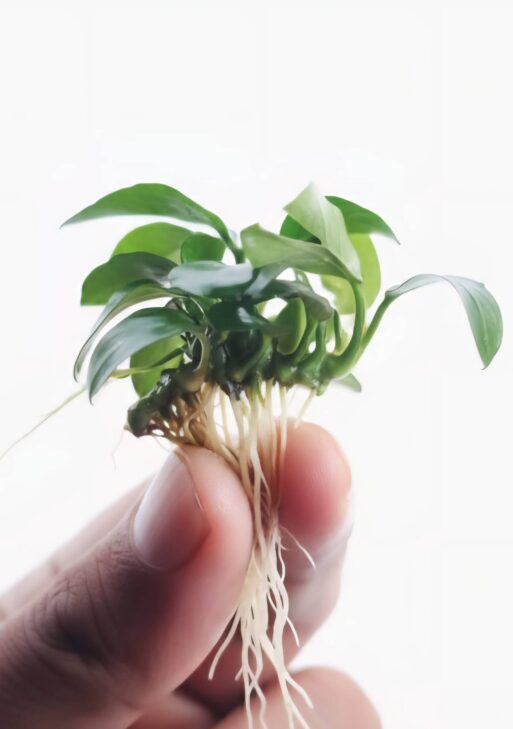
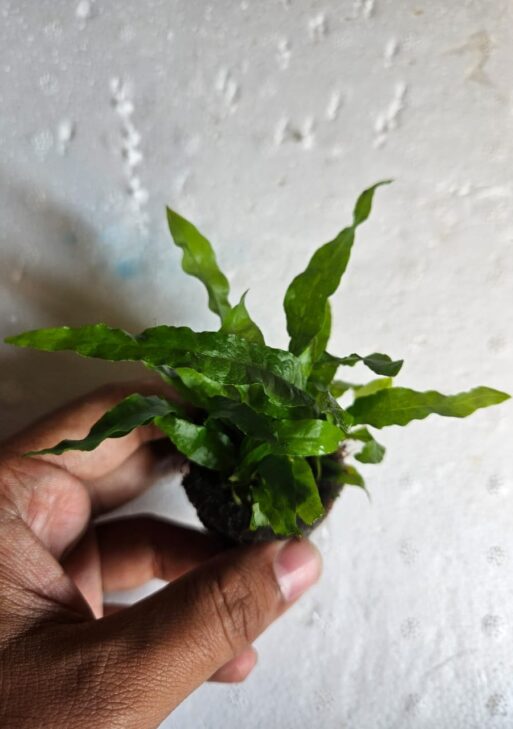
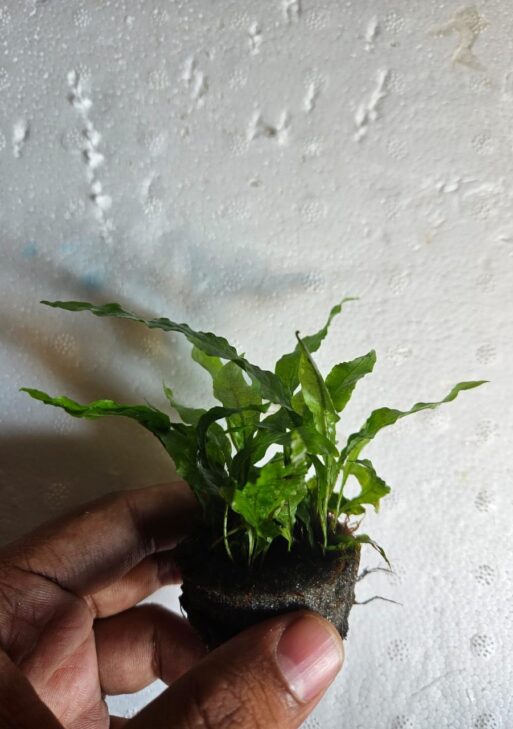
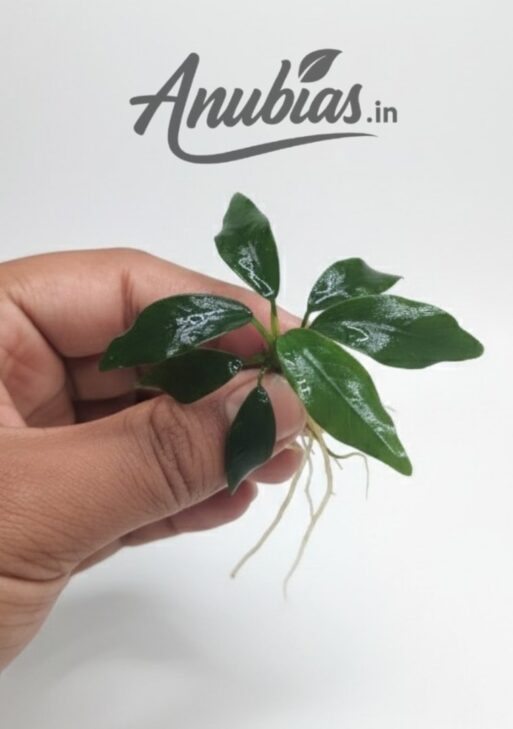
Shop the plants in this guide: Anubias and Java fern shrug off the kind of instability monsoon throws at a tank — inconsistent light, a missed dose, a rough week — better than almost anything else you can grow. Browse our Anubias and Ferns & Mosses collections, along with equally tolerant Bucephalandra, to build a monsoon-proof planted tank.
Fertilizing needs can shift with the season too — see our guide on how often to fertilize aquarium plants.
Choosing plants for a hot tank? See our list of heat-tolerant aquarium plants for Indian summers.
Keeping a tub outdoors? Read how to keep plant tubs mosquito-free.
Frequently asked questions
How long can a planted tank filter be off during a power cut?
A two-hour cut rarely matters, but four, six or twelve hours is where problems start. The filter’s aerobic bacteria die back without flow and oxygen, and a cut of six hours or more can cause an ammonia spike a day or two later, so check the filter and watch parameters afterwards.
What is the best monsoon purchase for a planted tank?
A battery-powered air pump is the single best monsoon purchase for a planted tank. It is cheap and keeps gas exchange going through a long outage regardless of your filter or CO2 setup. Test it before the season starts to confirm it works.
Should I still do water changes during the monsoon?
Yes, because stagnant water is worse for plants and livestock than a slightly-off tap supply. If tap water looks cloudy or smells different after a major storm, hold off or use stored water, and let it dechlorinate a full 24 hours with an airstone or dose dechlorinator correctly.
Grown in Surat · graded by leaf count and photographed before dispatch · live-arrival guarantee on every order · ₹99 shipping, free from ₹2,000
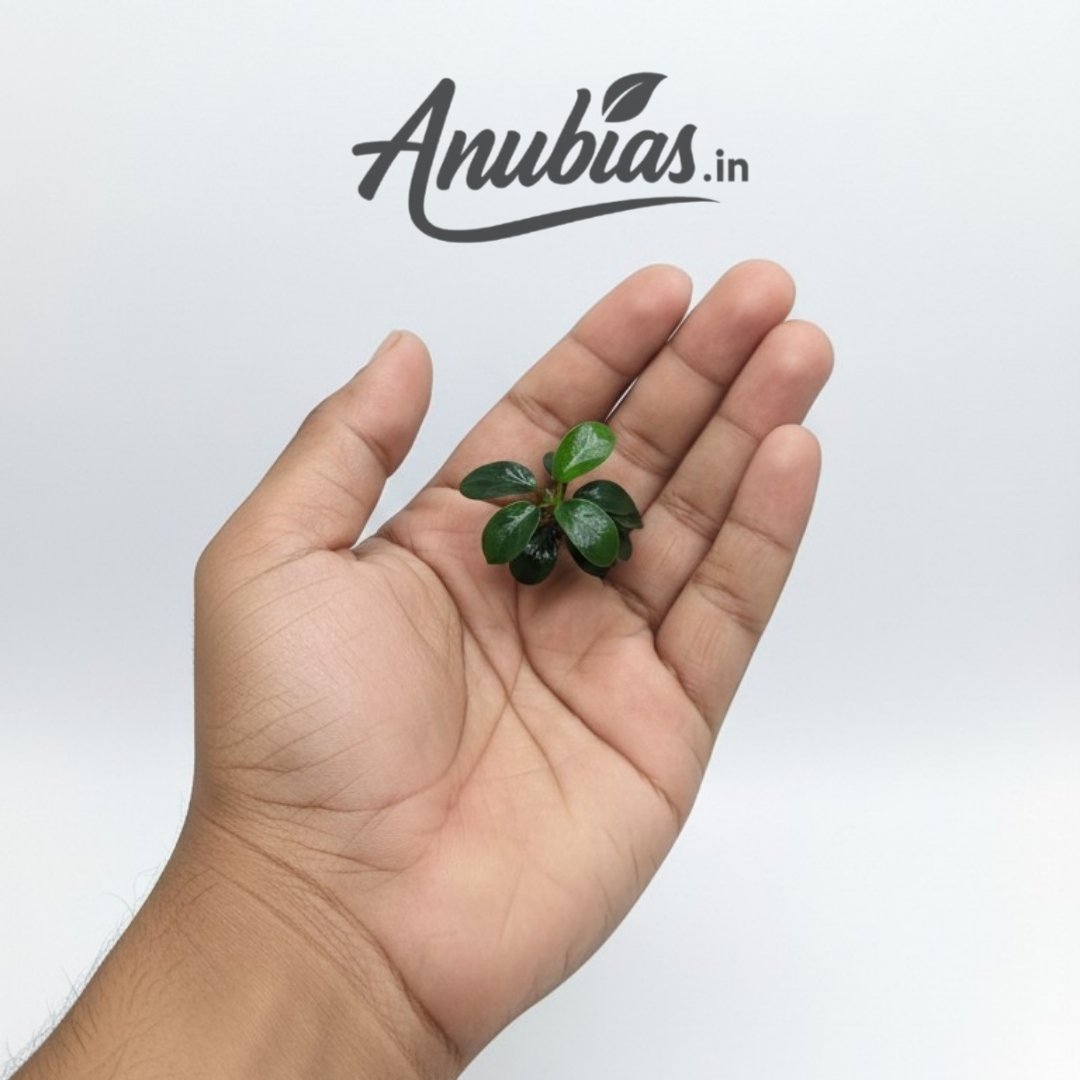
Anubias Nana
₹90
Buy Now
|
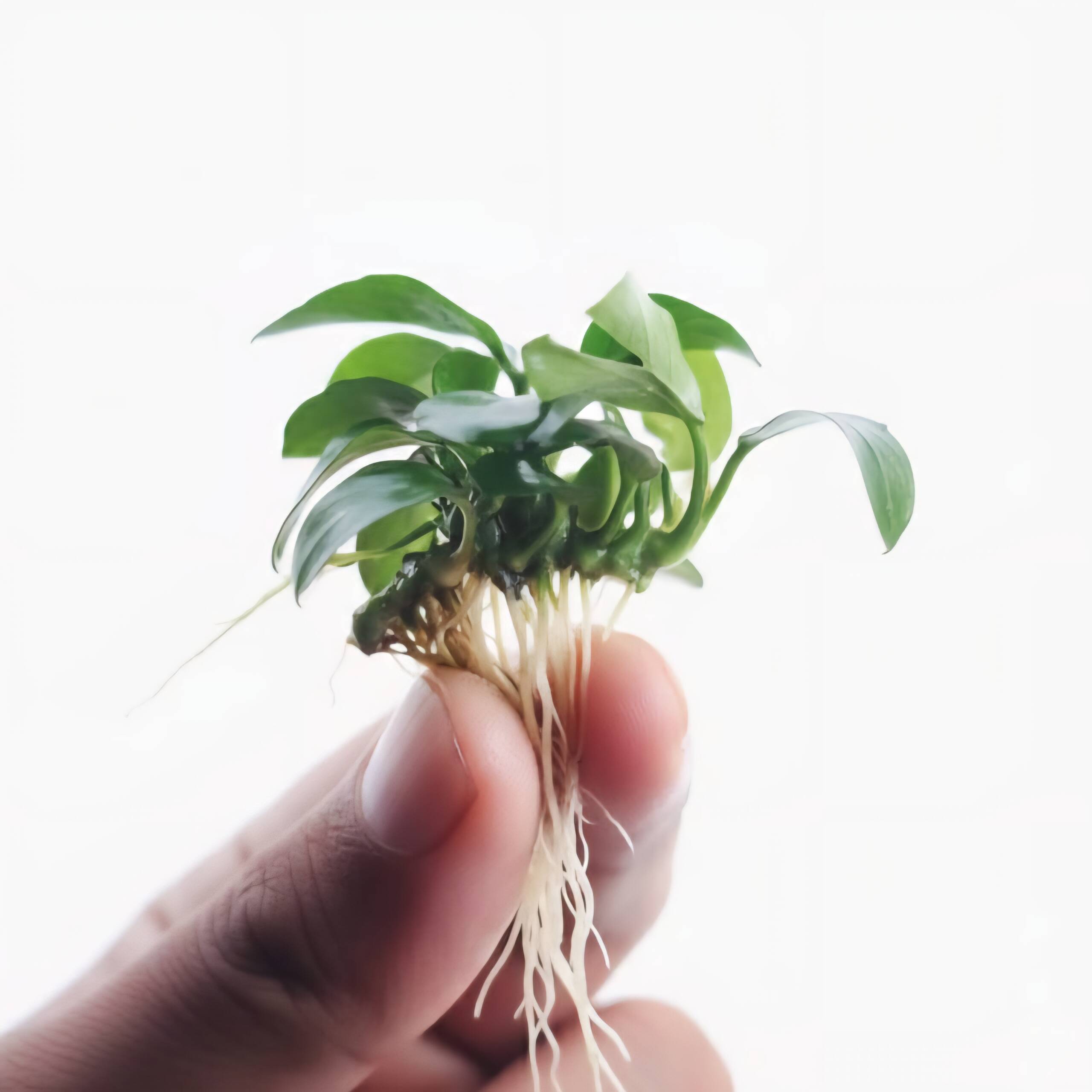
Anubias Barteri var glabra
₹90
Buy Now
|
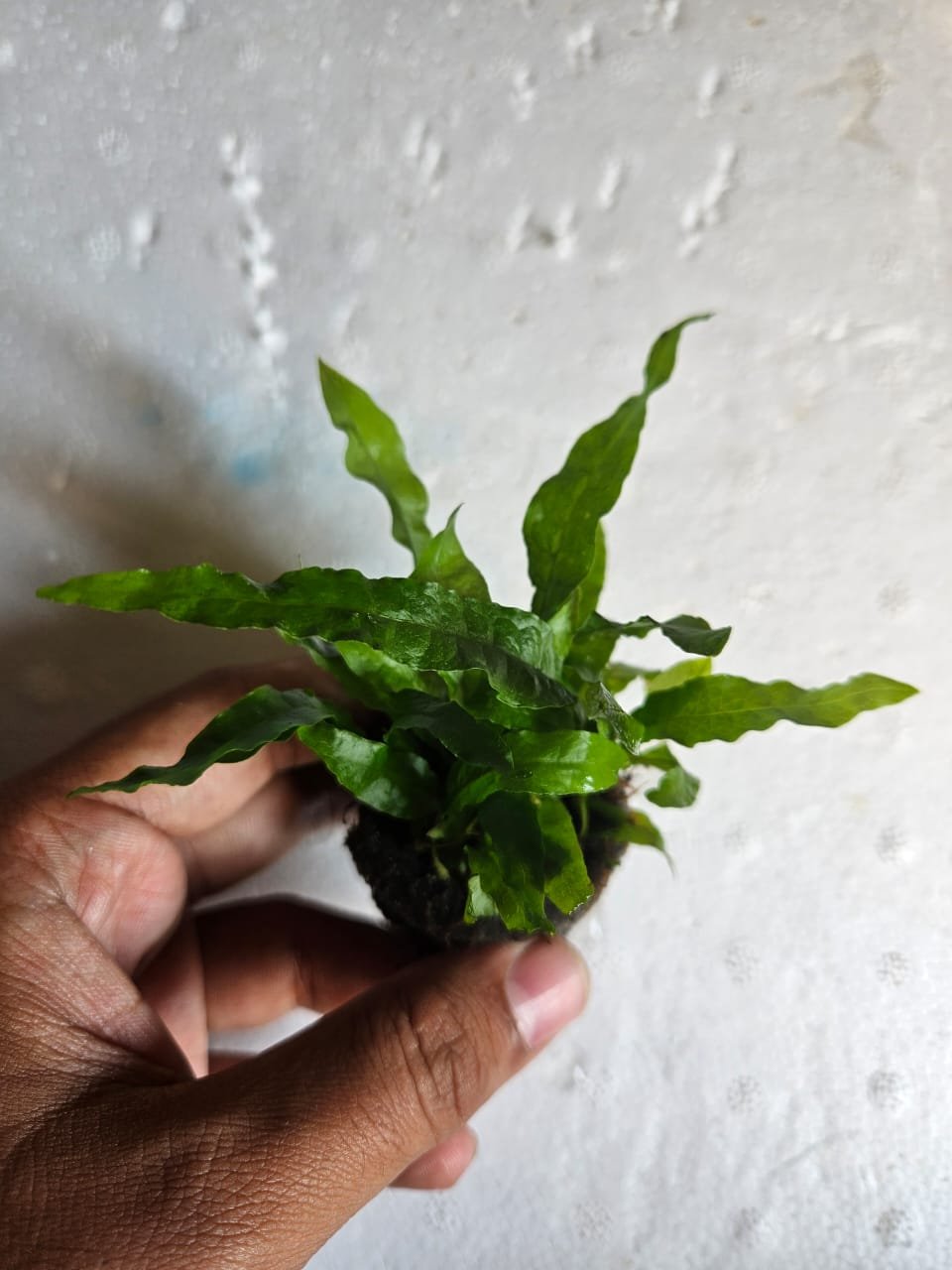
Java Ferns (Microsorum pteropus)
₹175
Buy Now
|