
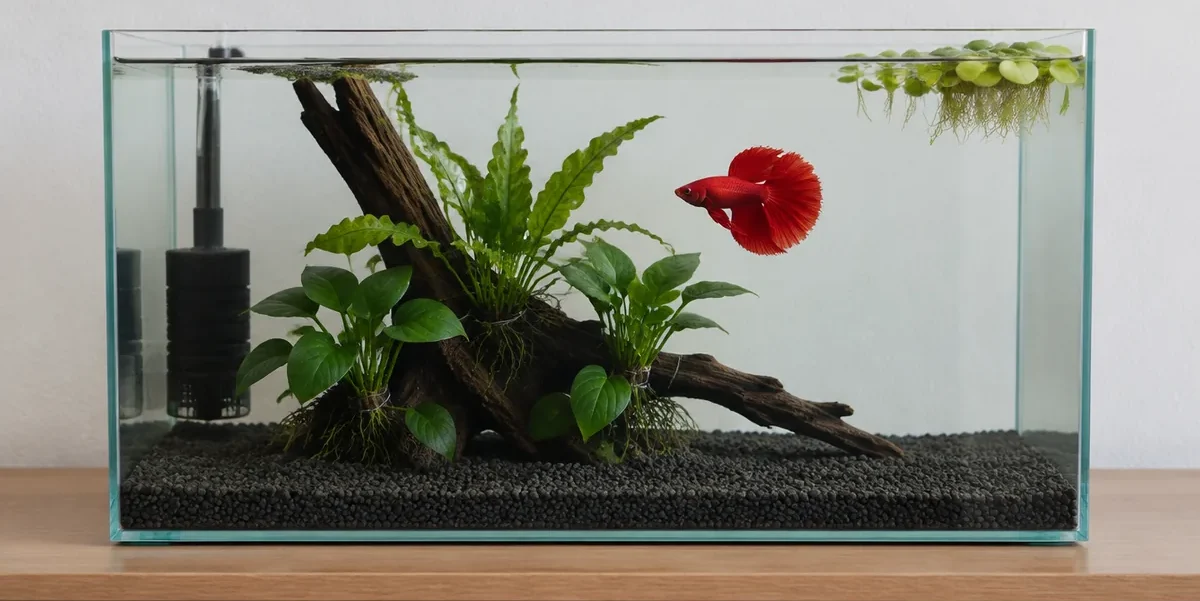
Quick answer: A betta can share a tank only if the tank holds at least 40 litres of water (a 2 ft tank), is well planted, and the other fish are small, calm and short-finned. In 40 litres, add a nerite snail with six pygmy corydoras or eight ember tetras; from 60 litres, panda corydoras, kuhli loaches or harlequin rasboras also work. Never add another male betta, guppies, tiger barbs, gouramis or goldfish.
Can a betta live with other fish?
Yes, but it depends on the betta more than on the tank mates. Fighter fish were bred to fight, and each one has its own temper. Some ignore everything else in the tank; others chase and bite any fish that swims past.
You only find out which kind you have by trying, so keep a spare tank ready before you buy tank mates. If you want just one fish, a 20 litre tank is fine for a betta alone; our betta tank setup guide covers that build and its cost.
How big a tank do you need for betta tank mates?
Plan on at least 40 litres of water, which in practice means a 2 ft tank. A 2 × 1 × 1 ft tank holds about 56 litres empty and closer to 45 once sand and wood go in. That suits a betta with a nerite snail and pygmy corydoras or ember tetras. For harlequins, panda corydoras or kuhli loaches, choose a taller 2 ft tank (about 70 litres empty) or a 2.5–3 ft tank. Our aquarium volume calculator gives the real litres for your tank.
Cycle the tank before any fish go in, because more fish means more waste. Allow 3–6 weeks; the nitrogen cycle guide shows how to tell when it is ready.
Think about summer too. An unheated tank in a warm Indian room can reach 30–32°C in May and June. A betta copes for short spells; corydoras and shrimp do not. Keep the tank away from windows and run a fan across the water on the hottest days.
Which fish make the best betta tank mates in India?
All of these are small, peaceful and short-finned, and most stay away from the surface, where the betta lives. Keep the tank at 25–26°C, where most of their ranges overlap with a betta’s 24–28°C; with panda corydoras, hold it at 25°C.
| Tank mate | Group size | Minimum water | Temperature fit | Finding it locally |
|---|---|---|---|---|
| Nerite snail | 1 per 20 litres | 20 litres | 22–28°C, good fit | Common with online sellers and larger shops |
| Pygmy corydoras | 6 or more | 40 litres | 22–26°C, keep below 27°C | Less common; ask your shop to order |
| Panda corydoras | 6 or more | 60 litres | 22–25°C, needs the cooler end | Found in larger shops |
| Kuhli loach | 6 or more | 60 litres | 24–30°C, good fit | Common in most fish shops |
| Harlequin rasbora | 8 or more | 60 litres | 22–28°C, good fit | Common in most fish shops |
| Ember tetra | 8 or more | 40 litres | 24–28°C, good fit | Less common; mostly online sellers |
| Amano shrimp | 3 or more | 40 litres | 20–28°C, good fit | Online shrimp sellers |
Corydoras and loaches feed on the bottom, so drop sinking pellets after lights-out and use fine sand, not sharp gravel. Buy schooling fish as a full group; a lone rasbora or tetra just hides.
Can bettas live with snails and shrimp?
A nerite snail is the safest tank mate of all. Its hard shell and trapdoor put off a curious betta, it grazes algae, and it will not multiply in fresh water, though it leaves small white eggs on wood and stone.
Pest snails such as bladder and ramshorn snails often arrive on new plants. Bettas pick at them but rarely clear them, and a boom usually means overfeeding. Our guide to removing snails from new plants shows how to stop them early.
Shrimp are a gamble. Most bettas hunt cherry shrimp, and the babies vanish first. Amano shrimp are bigger (4–5 cm) and faster, so they fare much better with moss and dense plants to hide in. See our best plants for betta and shrimp tanks and the shrimp-safe planted tank guide first.
Which fish should you never keep with a betta?
- Another male betta: they fight until one is badly hurt or dead.
- Guppies and other fancy-tailed fish: long, bright tails look like a rival, and guppies can nip back.
- Tiger barbs and other fin-nippers: they shred long, slow fins, and a betta cannot get away.
- Gouramis: close relatives that breathe air at the surface and defend the same space.
- Goldfish: they need cooler water, around 18–22°C, against a betta’s 24–28°C, and make heavy waste.
- Cichlids: angelfish nip and bully; oscars and flowerhorns eat bettas.
- Fast danios: zebra danios grab all the food and keep a slow betta on edge.
Can two bettas share a tank?
Two males cannot; they fight, as the FAQ in our betta setup guide explains. Female groups, called sororities, need a large, heavily planted tank and still fight often, so we do not suggest one for a first tank. A divider keeps two males apart, but constant flaring stresses both, and a betta can jump a loose divider. Two separate tanks are simpler.
Which plants keep a betta community calm?
Plants give the other fish somewhere to go when the betta patrols. Break up the lines of sight so it cannot see the whole tank at once.
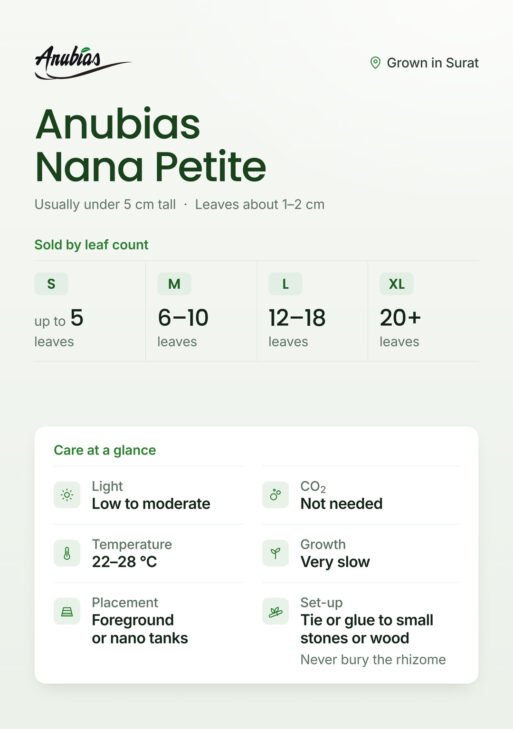
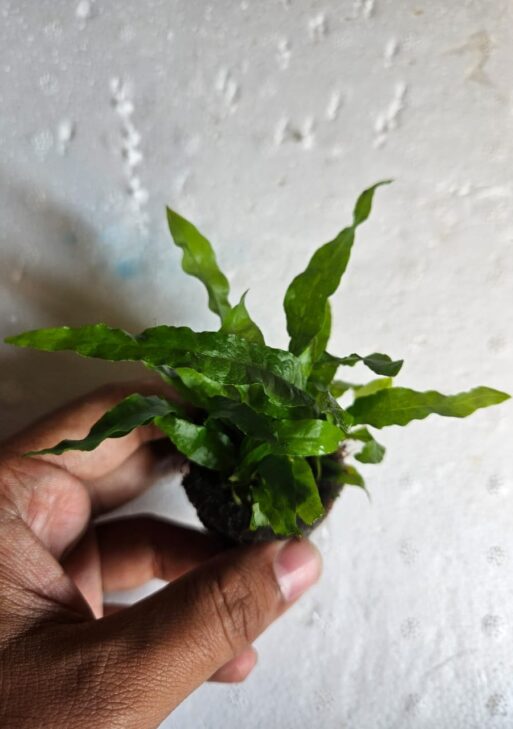
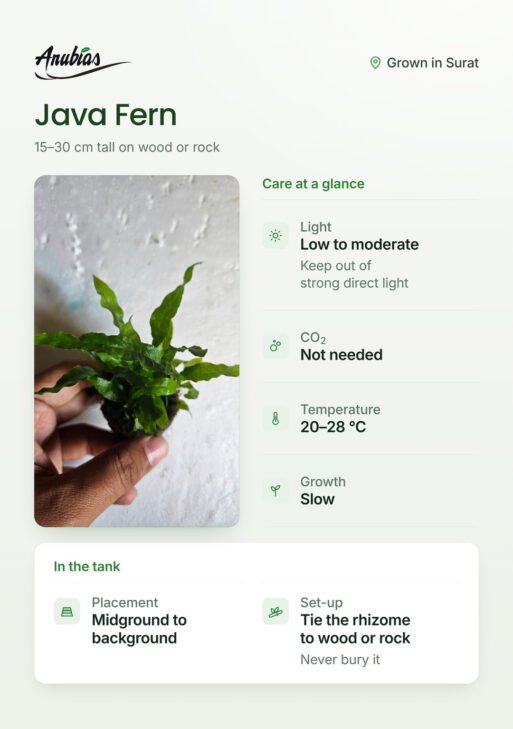
- Anubias and Java fern on wood: tie Anubias Nana (₹90 small, ₹120 medium) and Java fern (₹175) to driftwood in mid-tank. The broad leaves double as betta resting spots, and both grow in low light without CO2.
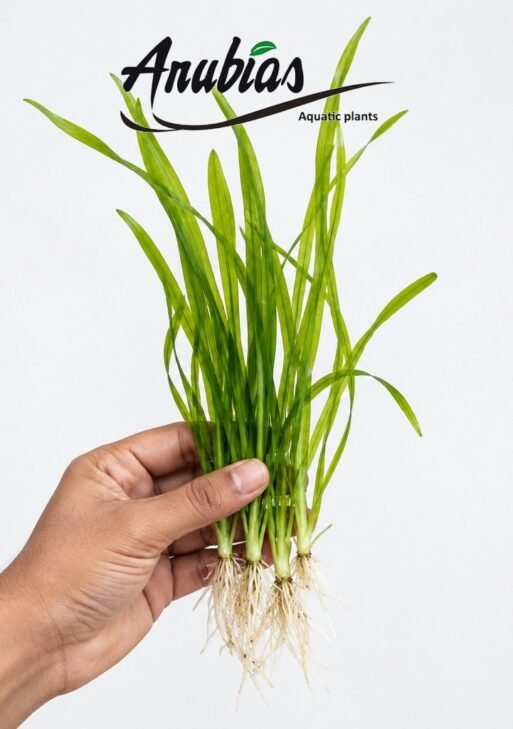
- A back row of Vallisneria: Vallisneria Nana (₹80) grows into a tall screen where corydoras and loaches can hide.
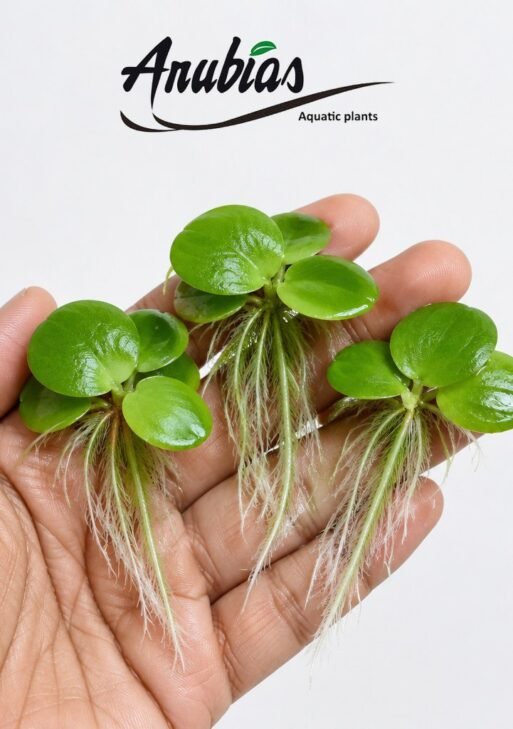
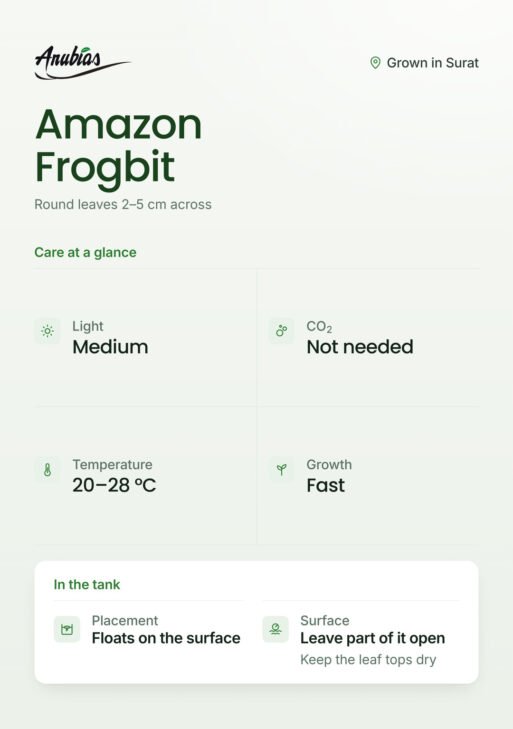
- Floating cover: Amazon frogbit (₹90) dims the light and gives a male a spot for his bubble nest. Keep it to half the surface.
For a ready set, our plant starter kits include a Betta tank kit (₹735 with almond leaves) for a betta alone in 20–40 litres, and a 2 ft low-tech community kit (₹920, eight plants) for a 2 ft community tank. Our betta-safe planted tank guide covers layout and flow, and the rest is in the betta tank care section. Plants ship for ₹99 anywhere in India, free from ₹999.
How do you add tank mates without a fight?
- Tank mates first, betta last, so the betta arrives with no territory to defend.
- Rearrange the wood and plants if the betta is already in, to break up the space it has claimed.
- Float the bags for 15–20 minutes, then net the fish in. Do not pour shop water into your tank.
- Watch for 48 hours, especially at feeding time and after lights-out.
- Keep a backup ready: a spare 15–20 litre tank with a sponge filter. A bowl will do for a day or two, not as a home; our bowl or tank guide explains why.
If your betta tears its fins, move it to the backup tank and keep the water clean and warm. An Indian almond leaf (₹100 for 50) gives cover and tints the water, but it does not cure fin rot; our almond leaf guide explains how to use them.
How can you tell it is not working?
- The betta flares at and chases the same fish all day, not just the first hour.
- Torn, split or shrinking fins on any fish.
- A fish that always hides, stops eating or hangs in a top corner.
- Shrimp going missing, or no baby shrimp ever appearing.
If any of these lasts more than a day, separate them. A stressed fish rarely settles by itself.
Plants in this guide
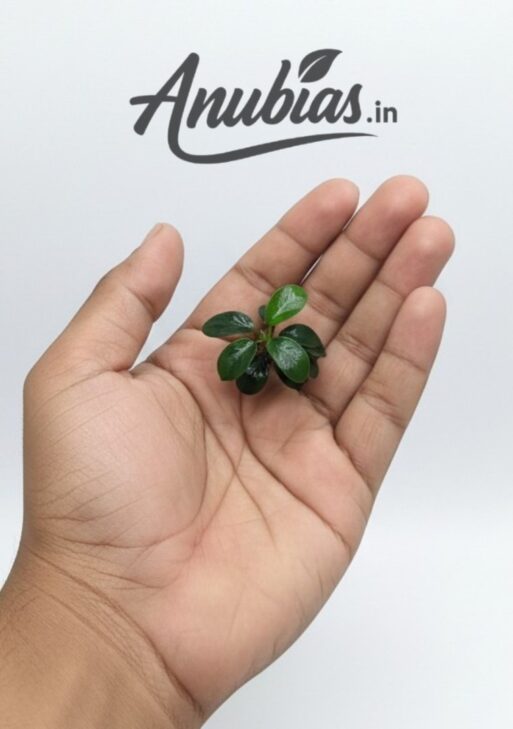
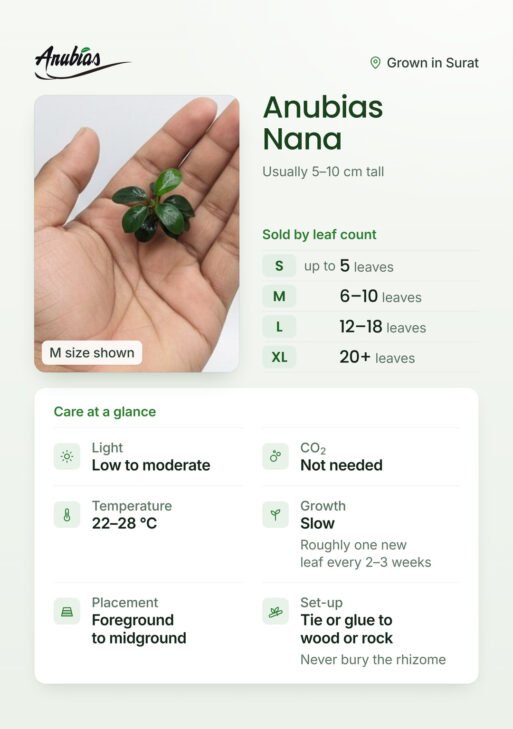
Price range: ₹90 through ₹250
Frequently asked questions
Can a betta live with guppies?
Not usually. A betta sees the long, bright tail of a male guppy as a rival, and guppies can nip betta fins too. Keep them apart; our guppy and molly plant guide covers a separate livebearer tank.
Can a betta live with mollies or platies?
Platies sometimes work in a 60 litre tank because they are calm and short-finned, but they breed fast and crowd the tank. Mollies grow bigger and prefer harder water. Neither is a first choice.
Can a betta live with goldfish?
No. Goldfish need cooler water, around 18–22°C, and make a lot of waste, while a betta needs 24–28°C.
Can a betta live with neon tetras?
Sometimes, in 60 litres with a group of eight, but neons prefer cooler water (22–25°C) and struggle in Indian summers. Ember tetras or harlequin rasboras are safer picks.
Can a female betta live with other fish?
Yes. Females are usually calmer than males, and the same tank mates work. Some females are just as aggressive, so watch the first 48 hours closely.
Can I add fish to a 20 litre betta tank?
No. 20 litres suits one betta but is too small for a school of fish. A single nerite snail is the only tank mate we suggest; for a community, move up to a 2 ft tank.