
Description
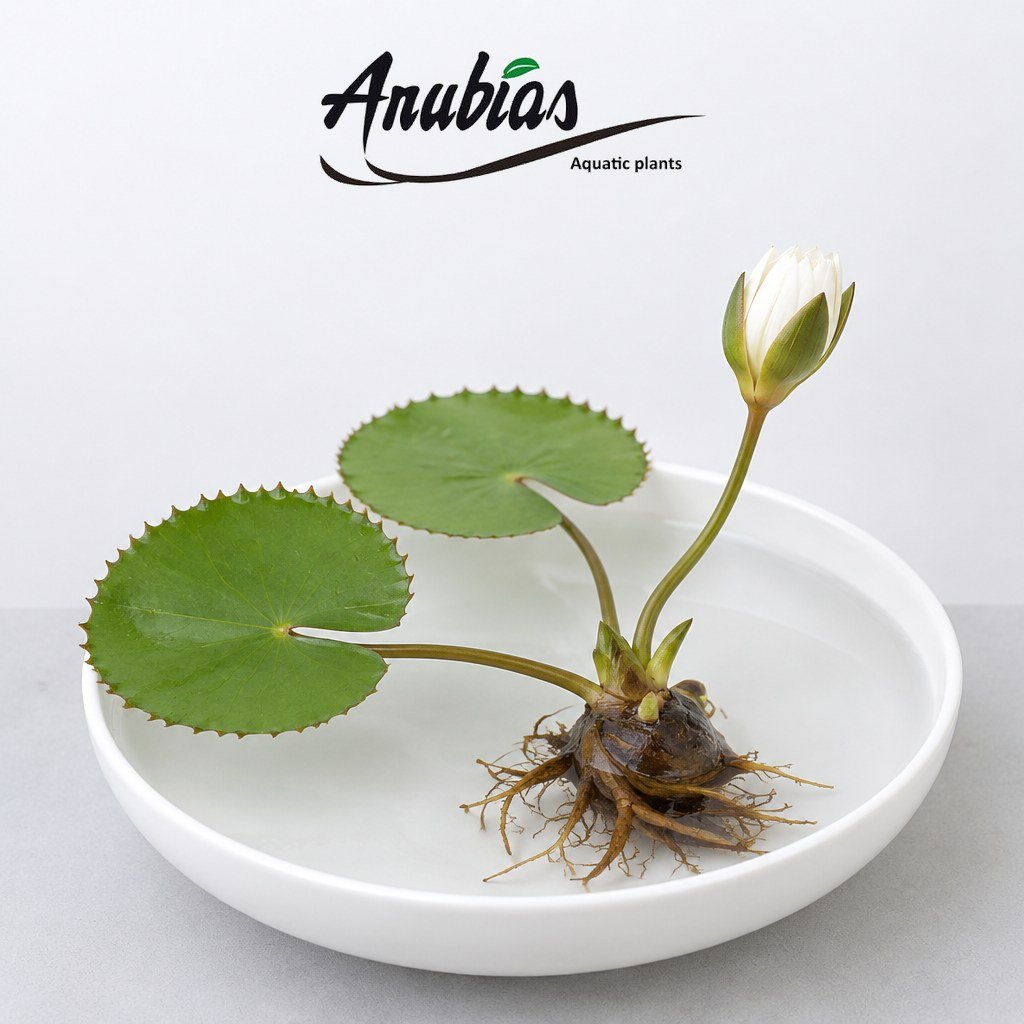
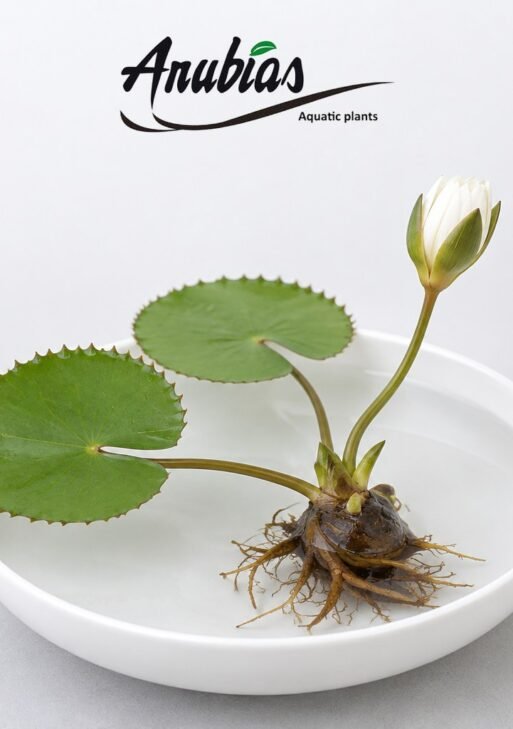
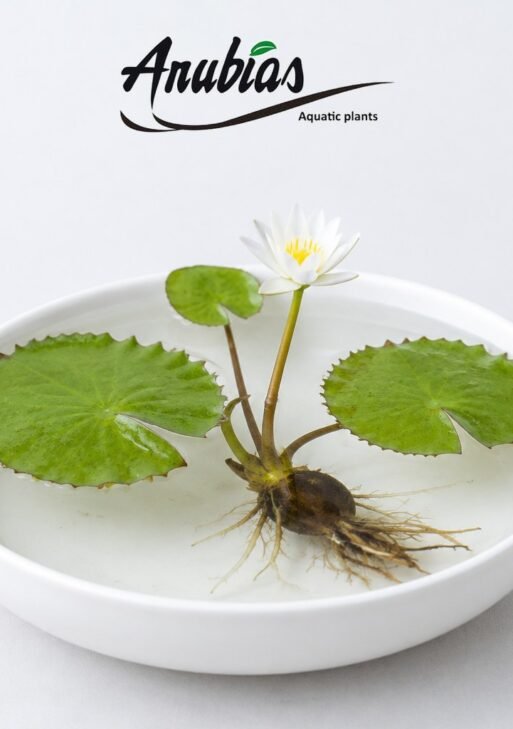
Nymphaea pubescens ‘White’ (Big Flower) is the large-flowered form of the Indian white water lily – the night-blooming nymphaea known as kumud, shapla or ambal across the subcontinent. It is a native pond plant that opens wide white flowers from evening until mid-morning, with hairy undersides to its toothed pads. This is a tub and pond plant for full sun; it is not an aquarium plant. It suits anyone wanting a traditional Indian water lily that is already adapted to our heat, monsoon and hard water.
Nymphaea pubescens ‘White’ (Big Flower) at a glance
| Scientific name | Nymphaea pubescens (large white-flowered form) |
|---|---|
| Family | Nymphaeaceae |
| Origin | India, Bangladesh, Sri Lanka, South-east Asia to northern Australia |
| Difficulty | Easy |
| Light | Full sun, 6 hours or more |
| CO2 | Not applicable – outdoor culture |
| Temperature | 22–36 °C; tropical |
| pH | 6.5–8.5; very tolerant |
| Growth rate | Fast in warm weather |
| Height/size | Pads 20–35 cm; spread 1–1.5 m; flowers 15–20 cm |
| Placement | Large tub, drum or pond, outdoors |
| Propagation | Tuber division, seed |
How to plant Nymphaea pubescens ‘White’ (Big Flower)
- Container. This is a big water lily. Use a 30–40 cm pot or basket inside a pond, or a tub, drum or cement bowl at least 60–90 cm wide for a self-contained planting.
- Soil. 15 cm of heavy loam or clay, capped with 2 cm of sand. Cocopeat and compost float and rot.
- Crown at the surface. Plant the tuber upright with the crown level with the soil. Never bury it.
- Water. 10–15 cm over the crown to begin; 30–50 cm once pads float. This species is happy in deeper water than the small lilies.
- Position. Full sun from the first day. Pads float within two weeks in summer.
Nymphaea pubescens care: light, CO2, fertiliser and water
Sun and timing. Nymphaea pubescens is night-blooming: buds open around dusk, stay open through the night and close by late morning. On overcast monsoon days the flowers may stay open until noon. Full sun through the day is still essential – it fuels the next bud.
Water. Any Indian tap, borewell, tank or rainwater. This is one of the most hard-water-tolerant water lilies there is; it grows wild in village tanks with pH over 8. Top up rather than replace. Guppies or a portion from our floating plants keep mosquito larvae in check.
Feeding. One or two aquatic fertiliser tablets pushed into the soil every three to four weeks in the growing season. A big-flowered lily in a drum is a heavy feeder; without food the flowers shrink.
Heat and monsoon. 35 °C water does not trouble it. In the monsoon let tubs overflow safely and remove torn pads. The plant was adapted to Indian weather long before we started keeping it.
Winter. Keeps growing in the south and along the coasts. In north India it slows and may go dormant below 15 °C; keep the tuber in wet mud and it resprouts in March.
Growth, trimming and propagation
Expect pads within two weeks and buds within six to eight weeks of planting in warm weather, then a steady run of flowers until the weather cools. Remove old pads and spent flowers at the base of the stalk every week; this big plant produces a lot of litter that will otherwise foul a tub.
Propagate by dividing the tuber when repotting every one to two years – each section needs its own crown. Spent flowers that sink set seed readily; seedlings appear in the mud and can be potted on, flowering in their second year.
Where to use it in an aquascape
Not a tank plant: the pads are too large and the plant needs direct sun and open water. Use it in:
- Large tub or half-drum (3 ft / 90 cm, 150–200 L). One plant fills it. Add guppies or a few native fish such as rasboras and a floating plant.
- Garden pond. One plant per 1.5 square metres of surface, in baskets 30–50 cm deep. Pair with Nymphaea capensis for day flowers and this for night flowers.
- Terrace water garden. Set beside a lotus tub for a traditional Indian look – the lily covers the surface, the lotus gives height.
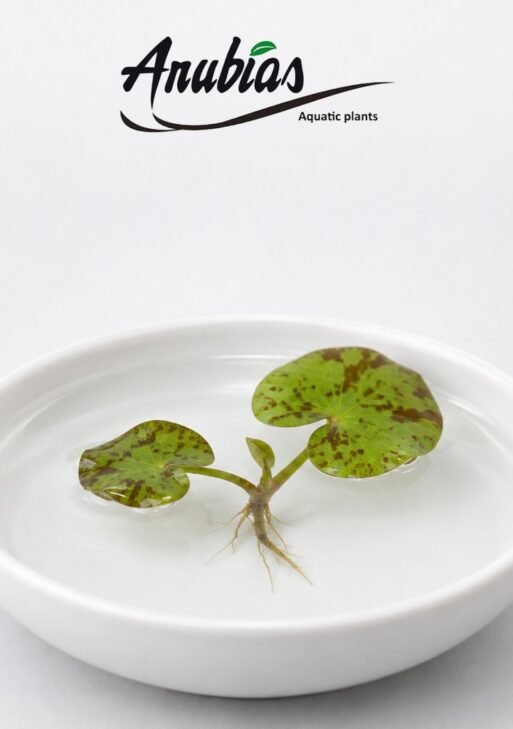
For an indoor aquarium, choose Nymphaea sp. ‘Leopard’ or Nuphar japonica instead.
Common problems and fixes
- Flowers seem to be missing. They open at night and close by mid-morning – check at dawn.
- No buds. Too little sun, too small a container or no feeding. Fix all three.
- Pads crowding and lifting out of the water. The plant has outgrown the tub. Thin pads weekly or move to a larger container.
- Crown rot. Crown buried or soil too organic. Replant at the surface in loam.
- Aphids and caterpillars on pads. Hose off or hand-pick; avoid pesticides if fish share the water.
- Green water in a new tub. Clears once pads shade half the surface.
What you receive
One healthy Nymphaea pubescens ‘White’ (Big Flower) plant in the size you select – Small or Standard – similar to the plant in the photo. Checked before packing, packed moist and shipped across India from Surat. Live-arrival guarantee: record one continuous unboxing video within 4 hours of delivery and, if the plant arrived damaged, we refund or replace it.
FAQ
Is Nymphaea pubescens an aquarium plant?
No. It is a large pond and tub water lily that needs full sun and open water. For a tank, choose Nymphaea sp. ‘Leopard’.
When does Nymphaea pubescens flower?
At night. Buds open around dusk and close by late morning, each flower lasting about three nights.
How big a container does it need?
At least 60–90 cm wide for one plant; a half-drum or pond is ideal for the big-flowered form.
Will it survive hard borewell water?
Yes. It grows wild in alkaline village tanks and is among the most tolerant water lilies of hard water.
Big Flower vs Small Flower – what is the difference?
The same species; this form has larger flowers and pads and needs a bigger container. The small-flowered form suits 45–60 cm tubs.
Is this the same as shapla or kumud?
Yes. Nymphaea pubescens is the white water lily known as shapla in Bengal, kumud in Hindi and ambal in Tamil.
Not sure what fits your tank? Plan it with our free AI tank planner.











There are no reviews yet.