
Description
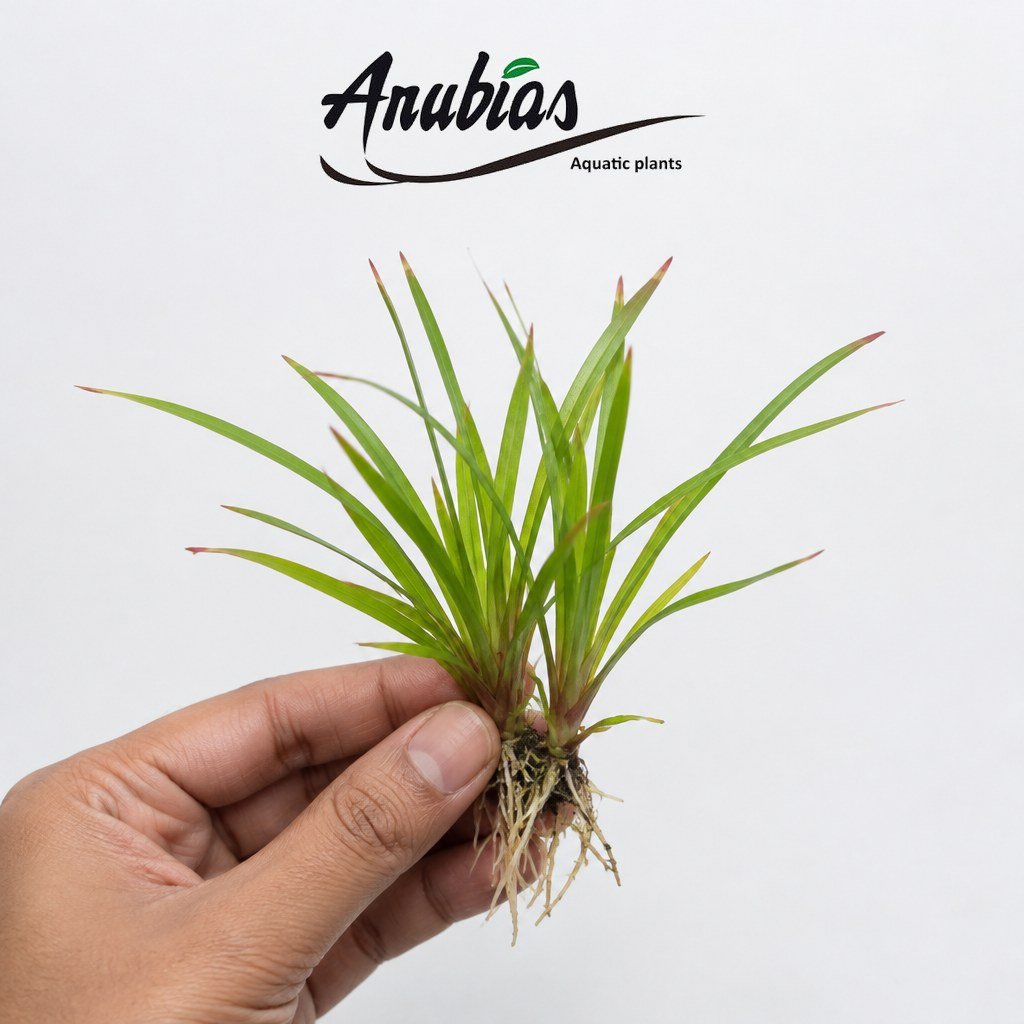
Juncus repens, the creeping rush, is a grassy North American plant with narrow, pointed leaves radiating from short stems, growing 5–20 cm tall and colouring from bright green to copper-red under strong light. Unlike most grasses sold for aquariums, it is a true stem plant that branches and creeps, so it can be kept as a low bushy foreground clump, a midground accent or a loose carpet depending on light and trimming. It is easy, undemanding and well suited to Indian low-tech tanks.
Juncus repens is a plant for hobbyists who want a grassy texture with warm colour, and who prefer something tougher than hairgrass. It grows emersed as readily as submerged, which also makes it a good paludarium and open-top tank plant.
Juncus repens at a glance
| Scientific name | Juncus repens |
|---|---|
| Family | Juncaceae (rushes) |
| Origin | South-eastern United States, in shallow ponds and ditches |
| Difficulty | Easy |
| Light | Medium; high for red colouring |
| CO2 | Optional |
| Temperature | 15–28 °C |
| pH | 5.5–7.5 |
| Growth rate | Moderate |
| Height/size | 5–20 cm; rosettes 5–8 cm wide |
| Placement | Foreground to midground; emersed in paludariums |
| Propagation | Side shoots; stem cuttings; plantlets |
How to plant Juncus repens
- Rinse the portion and trim any brown leaf tips.
- Separate individual stems or small rosettes. Each has a cluster of leaves and, usually, some roots at the base.
- Plant each piece 1–2 cm deep in sand, gravel or aquasoil using tweezers, keeping the leaf bases above the substrate.
- Space pieces 3–5 cm apart. Juncus branches from the base and sends out creeping shoots, so gaps fill naturally.
- For a creeping carpet, lay some stems sideways and pin them with substrate; new shoots rise from each node.
- It roots quickly, usually within a week, and tolerates normal filter flow once anchored.
Juncus repens care: light, CO2, fertiliser and water
Light
Medium light of 30–50 lumens per litre gives sturdy green growth. Under high light of 60 lumens per litre or more, and with iron available, the leaf tips and upper leaves turn copper to reddish, which is the plant’s main attraction. Under low light it stays green and grows taller and looser.
CO2
CO2 is optional. Juncus repens grows steadily in low-tech tanks and is a good beginner stem plant. With CO2 at 15–25 ppm it is denser, redder and faster. It also accepts liquid carbon at standard doses.
Fertiliser
It feeds from both roots and leaves. A weekly all-in-one liquid fertiliser is enough in most tanks; add root tabs in inert sand. Extra iron and a lean nitrate level of 5–10 ppm bring out the red tones under strong light. Pale leaves indicate iron shortage.
Water and Indian conditions
It tolerates hard tap water up to 15–20 dGH and a wide pH range. It prefers temperatures up to 28 °C; in summer heat of 30–32 °C it slows and lower leaves may brown, but it rarely dies, and it recovers once the weather cools. Because it grows emersed, it survives dropping water levels and power cuts without fuss.
Growth, trimming and propagation
Growth is moderate, with new leaves and side shoots every week or two. Trim stems that grow too tall by cutting above a node; the stem branches and the clump thickens. To keep a low foreground, trim to 5 cm every month. Trimmed tops root easily when replanted. Juncus repens also produces small plantlets on older stems and at the tips of flowering stems that reach the surface; these can be separated and planted. Divide crowded clumps every few months.
Where to use it in an aquascape
Juncus repens suits tanks from 1.5-foot nanos (30–40 litres) as a single accent clump to 3-foot tanks of 120–150 litres as a midground grass band. Its radiating leaves and copper tones are useful for breaking up masses of plain green and for softening the edges of rock.
Plant it among Cryptocoryne in a low-tech layout, in front of taller stem plants, or beside hardscape planted with Anubias nana and Java fern. Low carpeting plants look good in front of it. It is safe with shrimp, tetras, rasboras, bettas and corydoras. In paludariums let it grow out of the water, where it may flower.
Common problems and fixes
- Brown leaf tips: old emersed leaves or heat stress. Trim the tips; new submerged growth is clean.
- No red colour: light is moderate or iron is low. Increase light and dose iron; red appears only on new growth.
- Tall, floppy stems: too little light. Raise intensity and trim lower.
- Algae on leaves: leaves are long-lived and collect algae under strong light. Remove older leaves and add shrimp.
- Stems floating up: planted too shallow. Replant 2 cm deep and firm the substrate.
What you receive
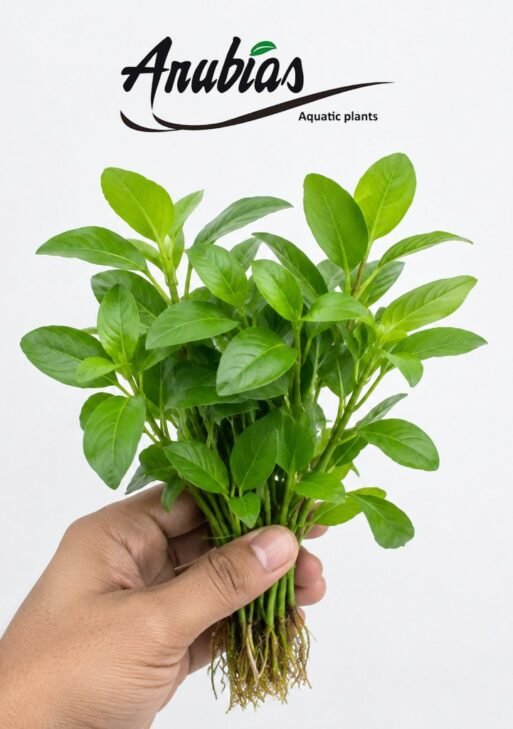
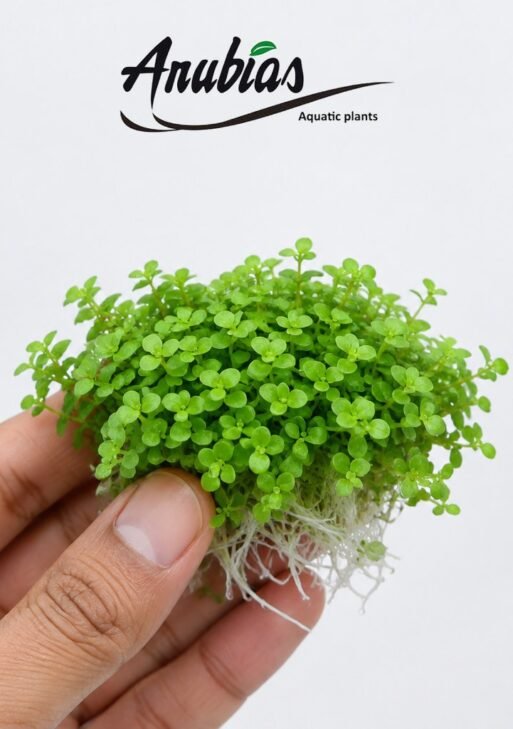
One healthy portion of Juncus repens in the size you select (Small or Standard), similar to the photo. Each portion is checked before packing, packed moist and shipped across India from Surat. ₹99 shipping, free on orders of ₹999 or more. Live-arrival guarantee: record one continuous unboxing video within 4 hours of delivery, and if the plant has arrived damaged we refund or replace it.
FAQ
Does Juncus repens need CO2?
No. It grows well without CO2 in low-tech tanks; CO2 makes it denser and redder but is not required.
Is Juncus repens good for beginners?
Yes. It is one of the easiest grassy plants, tolerant of hard water, modest light and occasional neglect.
Can Juncus repens grow in sand?
Yes. It roots quickly in sand; add root tabs or liquid fertiliser for nutrients.
How fast does Juncus repens grow?
Moderately. Expect new leaves and side shoots every week or two, and a full clump within two to three months.
Why does Juncus repens turn red?
Under high light with iron available, the new leaves develop copper to reddish tones. In moderate light it stays green.
Juncus repens vs dwarf hairgrass: what is the difference?
Juncus repens is a branching stem plant with wider, pointed leaves that can colour red and grows emersed; hairgrass is a fine, spreading true grass that stays green and needs more light to carpet.
Not sure what fits your tank? Plan it with our free AI tank planner.











There are no reviews yet.