
Quick answer: Indian almond leaves (catappa) release tannins that tint betta water tea-brown and give your fighter fish shade and a spot to build a bubble nest. In soft water they also lower pH a little. Use one medium leaf per 20–40 litres, and start with half a leaf in a 20-litre tank. Rinse it, drop it in, and replace it when it turns thin and see-through, usually every 3–4 weeks. The leaves do not cure fin rot or other diseases.
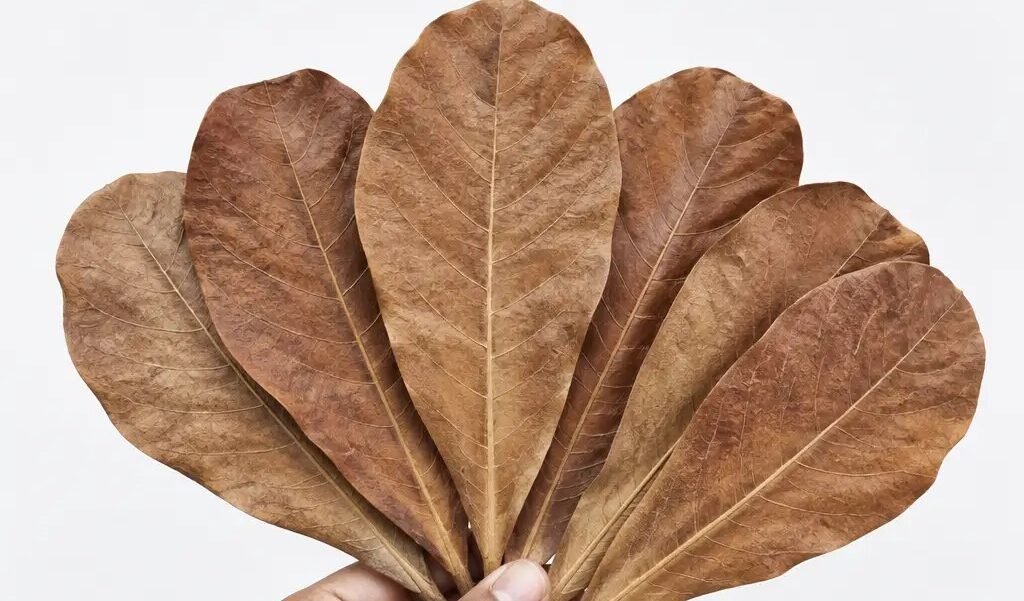
Indian almond leaves are the dried, fallen leaves of Terminalia catappa, known in India as desi badam. Here is how to use them in a betta tank and what they cannot do. We sell a pack of 50 dried leaves for ₹100.
What do almond leaves actually do in a betta tank?
Wild bettas live in still, shaded paddy fields and swamps in Thailand and nearby countries, where fallen leaves often stain the water brown. An almond leaf copies that in five ways.
- Tannins. As the leaf soaks, it releases tannins that tint the water a light tea colour. The tint is harmless.
- A small pH drop. In soft water a leaf can lower pH a little. Most Indian tap and borewell water is hard and resists the change, so expect a small drop or none. Do not add extra leaves to chase a test-kit number. Captive-bred bettas cope well with hard water, and our hard water plant guide lists plants that grow well in it.
- Shade. Tinted water softens bright light, and the leaf itself gives cover.
- A spot for bubble nests. Male bettas build bubble nests under floating cover, and a dry leaf floats for a few days before it sinks.
- Biofilm. As the leaf softens, a film of microbes grows on it that shrimp and snails graze for weeks.
Almond leaves do not cure diseases or replace water changes. They make the tank more comfortable for your betta.
How many almond leaves should you use?
The usual dose is one medium leaf per 20–40 litres. Start at the low end and add more only if you want darker water. A medium leaf is about as long as your hand. Use a smaller piece if yours are bigger.
| Tank size | Almond leaf dose | Typical setup |
|---|---|---|
| 10 litres | A quarter to half a leaf | Betta bowl or small nano tank |
| 20 litres | Half to one leaf | 1 ft betta tank |
| 40–50 litres | One to two leaves | 1.5–2 ft tank |
| 100 litres | Three to five leaves | 3 ft community tank |
If the water turns darker than you like, use a smaller piece next time. Not sure how many litres your tank holds? Use our aquarium volume calculator.
How do you use almond leaves for a betta? 4 ways
1. Drop in a whole leaf
Rinse off the dust and drop it in. It floats for a few days, then sinks. To sink it sooner, soak it in hot water for a few minutes or tuck one end under a stone.
2. Break it into pieces
For bowls and small tanks, break the leaf to get a quarter or half dose. Pieces sink and colour the water faster. Pick out mushy bits at water changes.
3. Make almond leaf tea for water changes
Steep one leaf overnight in a litre of freshly boiled water, then strain. At each water change, add a little of this tea to the new water until the colour matches the tank. Keep it in the fridge and make a fresh batch each week.
4. Float one leaf for bubble nests and breeding
Float a dry leaf in a corner with little flow, and many males will start a nest under it. Breeders use leaves in spawning tubs for the same reason. Once it sinks, float a fresh one, or add Amazon frogbit (₹90) for permanent floating cover.
How long do you leave an almond leaf in the tank?
Usually 3–4 weeks. In Indian summers, with tank water at 28–32°C, leaves break down faster. In an unheated winter tank, they last longer.
Swap the leaf when it turns thin, see-through or skeletal. Add the new leaf a few days before you remove the old one, so the colour does not swing. In a betta-only tank, take the old leaf out before it rots. In a shrimp tank, leave it for them to finish.
Is brown water from almond leaves safe?
Yes. Tannin-stained water is harmless to bettas, shrimp, snails and plants. Tannin water is clear with a tint. Cloudy or smelly water means something else, such as overfeeding, and leaves will not fix it.
For lighter water:
- Use a smaller piece, or pre-soak the leaf and throw away the first dark water.
- Do a 20–30% water change.
- Add a small bag of activated carbon to the filter. It removes most of the tint in a few days. Take it out when you want the colour back.
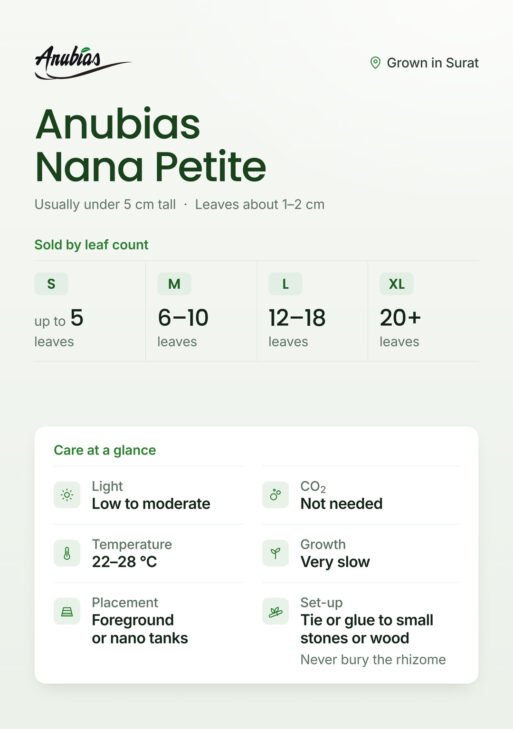
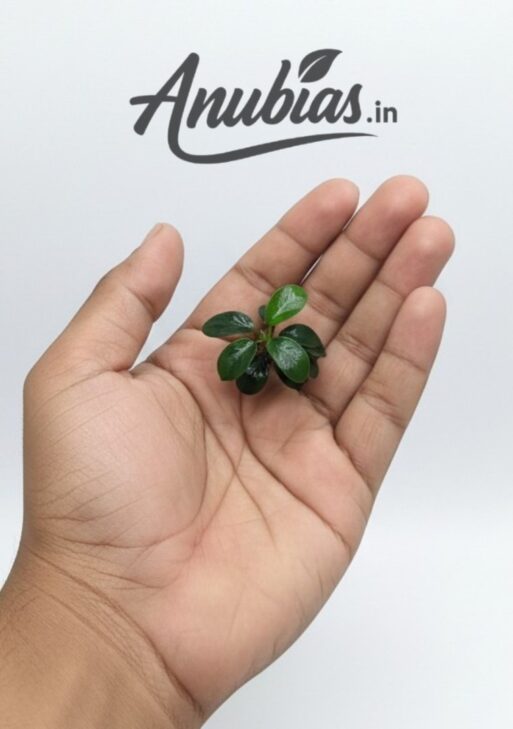
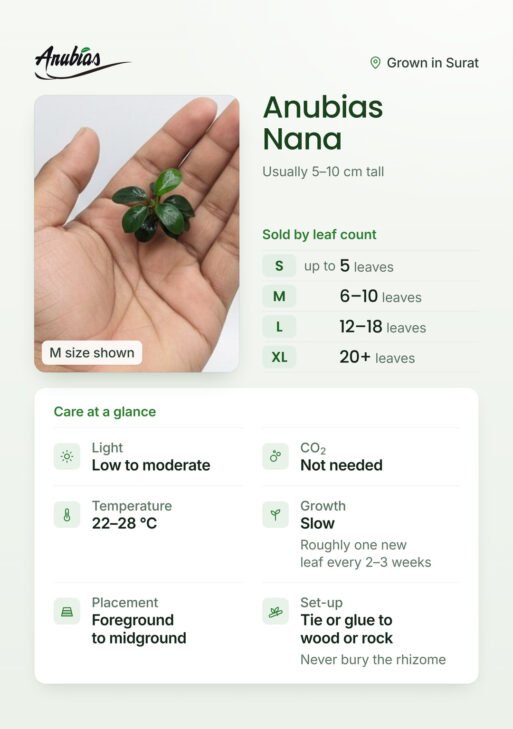
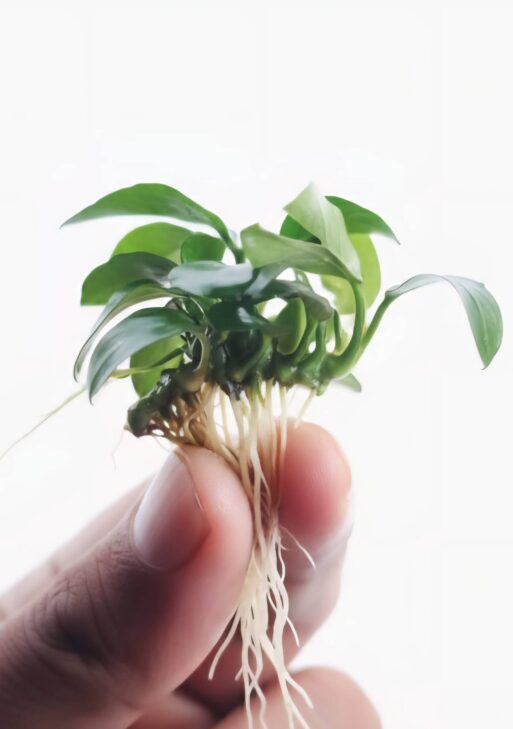
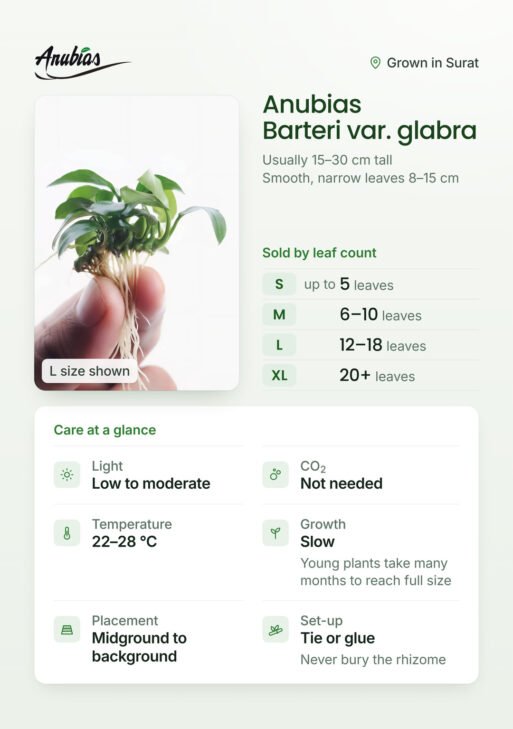
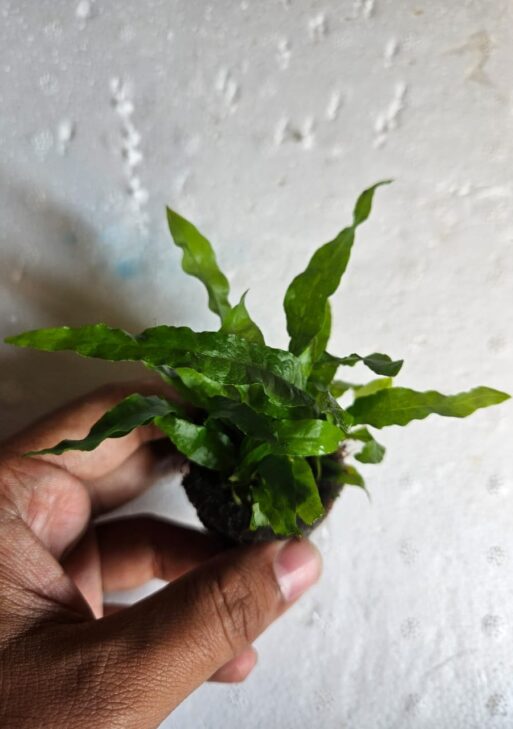
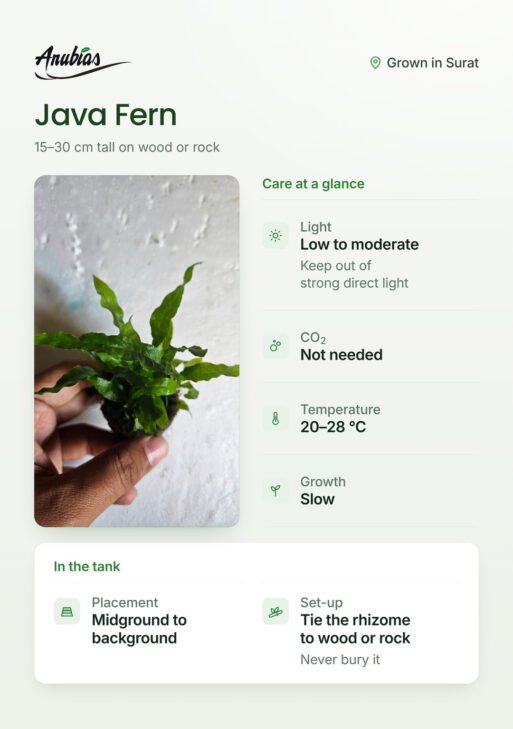
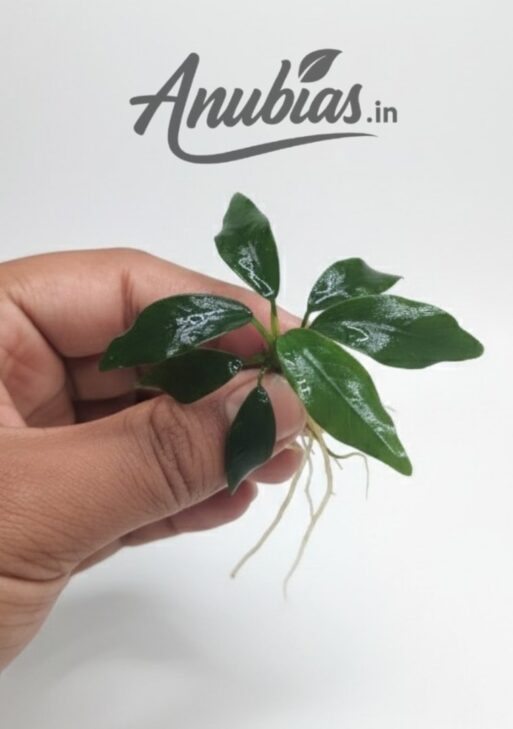
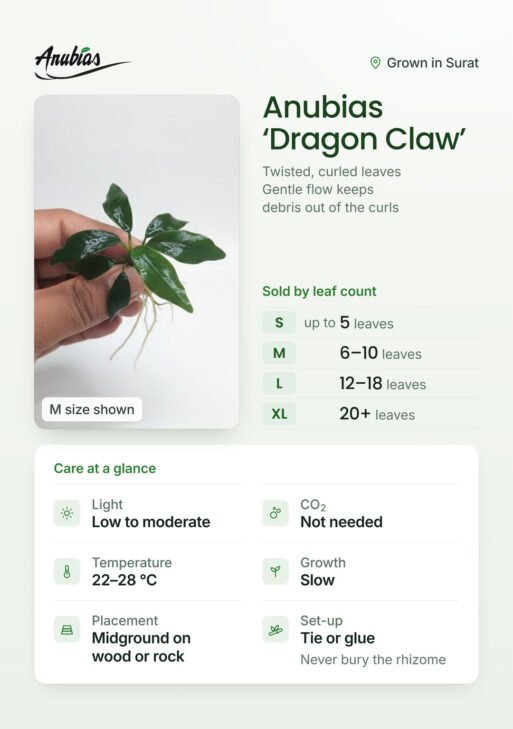
Very dark water can slow light-hungry carpet plants. Low-light plants such as Anubias Nana (from ₹90) and Java fern (₹175) grow fine in tinted water.
Do almond leaves help fin rot?
You will often read that almond leaves cure fin rot. Lab tests show catappa leaf extract has a mild antibacterial effect, but there is no good evidence that a leaf in the tank cures fin rot. Fin rot usually follows poor water quality or stress, when bacteria take hold on damaged fins. Fix the water first:
- Test for ammonia and nitrite, and do a 30–50% water change with dechlorinated water.
- Remove uneaten food and feed less for a few days.
- Remove sharp plastic plants or decor that can tear fins.
- Keep the temperature steady, around 26–28°C.
A leaf can add shade and a quiet resting spot, but it does not replace medicine. If the fins keep shrinking, the edges turn dark or bloody, or your betta stops eating after a week of clean water, ask a fish vet or a trusted aquarium shop about treatment.
Which leaves are best for betta fish?
Indian almond leaves are the most widely used and the easiest to dose. Dried guava leaves, banana leaves and alder cones work in a similar way, but there is much less guidance on how much to use.
If you collect your own, you want Terminalia catappa (desi badam, also called Indian or tropical almond). It is a common shade tree in coastal towns, college campuses and housing colonies, and its large leaves turn red and brown before they fall. It is not the tree that gives the badam sold as dry fruit.
- Pick only fallen leaves that are dry and brown, never green ones.
- Collect away from busy roads and from gardens or fields sprayed with pesticide.
- Rinse and sun-dry them fully before storing.
- Never use leaves from house plants or trees you cannot name.
What is the price of Indian almond leaves for betta in India?
Our Indian almond leaves pack has 50 whole dried leaves for ₹100, or ₹2 a leaf. At one leaf every 3–4 weeks, a tank uses 13–17 leaves a year. So one pack lasts one 20–40 litre tank about three years, or three such tanks about a year. Dry leaves keep well in a closed bag or box.
Shipping is ₹99 flat across India and free from ₹999. A pack alone costs about as much to ship as to buy, so add it to a plant order and it ships in the same box. Setting up a new tank? The Betta tank kit (₹735) on our starter kits page already includes a leaf pack, plus Anubias Nana, Java fern, Amazon frogbit and a red tiger lotus.
For the full setup, read our betta-safe planted tank setup guide and our pick of the best aquarium plants for betta and shrimp. Keeping shrimp with your betta? Read the shrimp-safe planted tank guide first.
Indian almond leaves for betta: FAQ
How long do I leave an almond leaf in a betta tank?
About 3–4 weeks, until it turns thin and see-through. It breaks down faster in warm summer water.
Why do bettas like almond leaves?
Wild bettas live in shallow, shaded water full of fallen leaves. A leaf gives them a resting spot near the surface, cover to hide under and a place to build a bubble nest.
How many almond leaves should I use for one betta?
One medium leaf per 20–40 litres. Start with half a leaf in a 20-litre tank or a quarter leaf in a 10-litre bowl, and add more only if you want darker water.
Should I boil the leaves first?
No. A rinse is enough. To make a leaf sink sooner, soak it in hot water for a few minutes. Long boiling pulls the tannins out into water you then throw away.
Do almond leaves cure fin rot?
No. Lab tests show the leaf extract has a mild antibacterial effect, but a leaf in the tank does not cure fin rot. Clean water and regular water changes come first. If the fins keep shrinking, ask a fish vet.
Are almond leaves safe for shrimp and snails?
Yes. Shrimp and snails graze the soft film that grows on the leaf as it breaks down, so in a shrimp tank you can leave the old leaf in longer.
Can I use leaves from a tree near my home?
Yes, if the tree is definitely Terminalia catappa (desi badam) and the leaves fell and dried naturally. Avoid trees by busy roads or in sprayed gardens, and rinse and sun-dry the leaves first.
What is the price of Indian almond leaves in India?
We sell a pack of 50 dried leaves for ₹100, or ₹2 a leaf. Shipping is ₹99 flat across India and free from ₹999, so it is cheapest to add a pack to a plant order.