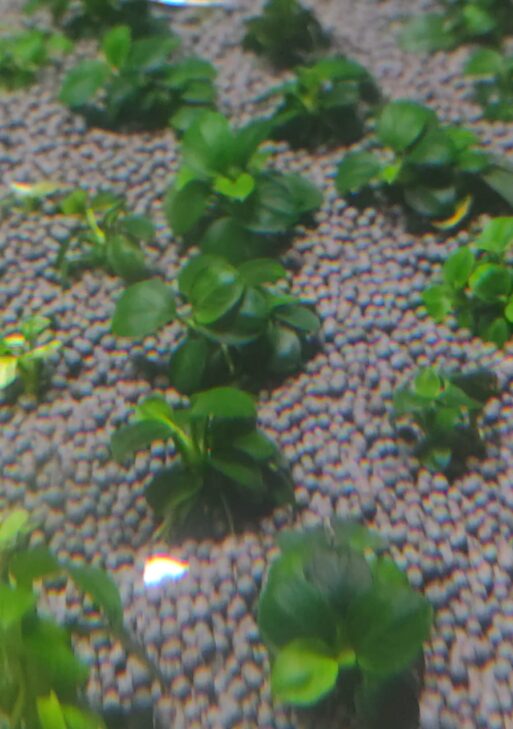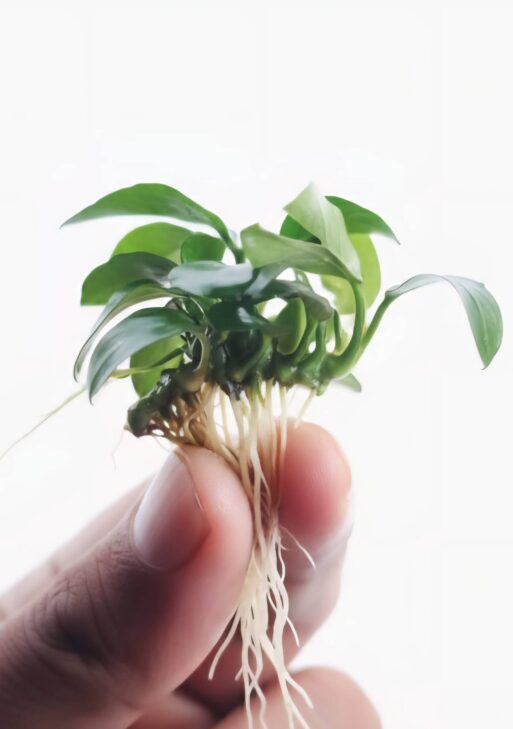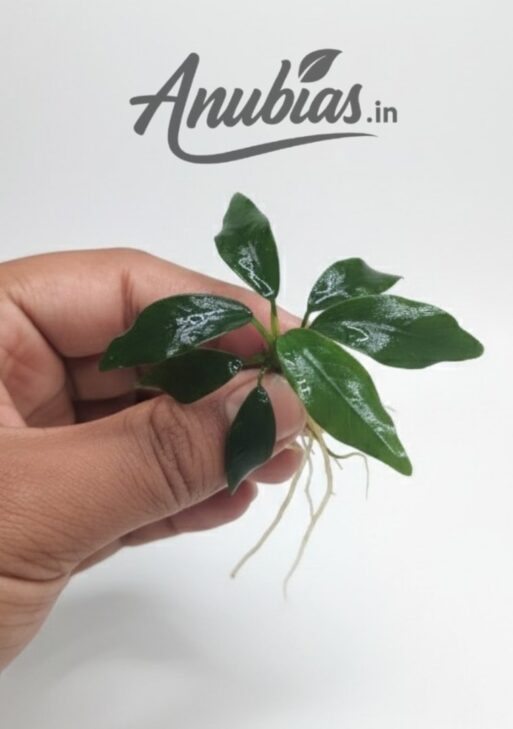


You plant a lush Cryptocoryne, and within days the leaves turn see-through and collapse. This is “crypt melt”, and it is one of the most common reasons beginners think they have killed a plant. In almost every case the crypt comes back. Here is why it happens and what to do.
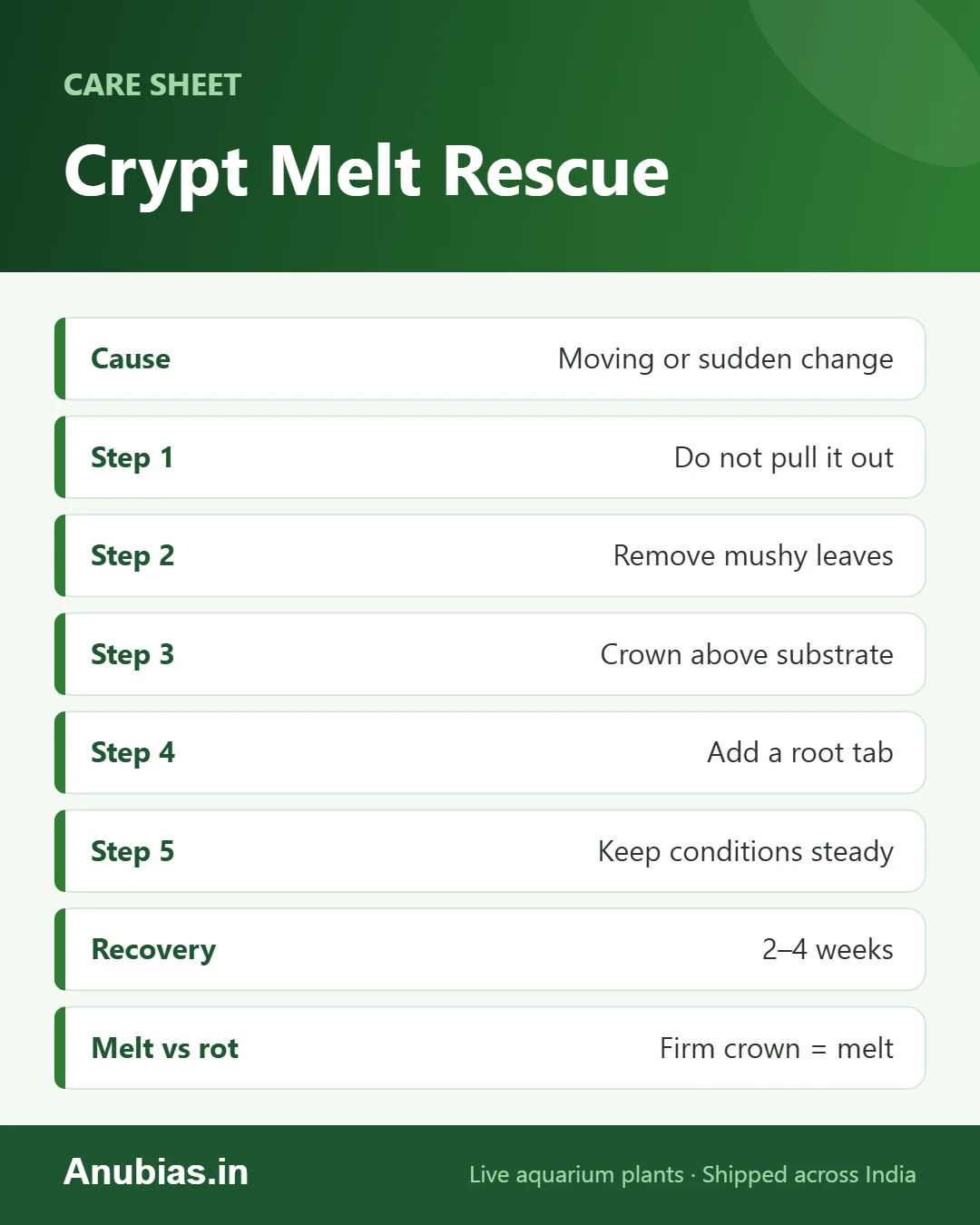
Quick answer: Crypt melt is when Cryptocoryne leaves suddenly turn transparent and dissolve, usually after being moved, shipped or exposed to a sudden change in water, light or temperature. It is a stress response, not death. Leave the roots and crown undisturbed in the substrate, remove the melted leaves, keep conditions stable and add a root tab. New leaves typically regrow from the crown within 2–4 weeks.
What triggers crypt melt?
- Transplanting or shipping
- Switching from emersed (nursery) to submerged growth
- Large, sudden changes in temperature, pH or hardness
- Big changes in lighting
- Large water changes after a long gap
What to do when your crypt melts
- Do not pull it out. The roots and crown are what matter.
- Remove the mushy leaves so they do not pollute the water.
- Keep the crown just above the substrate.
- Push a root tab into the substrate nearby; Crypts feed heavily through their roots.
- Keep light, temperature and water changes steady.
- Wait 2–4 weeks for new leaves.
How to reduce crypt melt
- Plant crypts as soon as they arrive and avoid moving them later.
- Match tank conditions closely to your usual routine; avoid big changes.
- Do smaller, regular water changes rather than occasional large ones.
- Plant them in nutrient-rich substrate or use root tabs.
Melt or rot?
If the crown and roots are firm and pale, it is melt and will recover. If the crown is soft, dark and smells, the plant is rotting; trim soft parts and replant any healthy daughter plants. See our Cryptocoryne care guide.
More Cryptocoryne guides:
A realistic recovery timeline
Knowing roughly what each week looks like stops most people from digging the plant up too early. The exact pace depends on how mature the root system was when it melted, but the pattern is fairly consistent.
- Week one: leaves go translucent, then soft, and may collapse entirely. Remove anything mushy so it does not foul the water.
- Week two: often the worst-looking stage. The crown may be the only thing left above the substrate. Do not disturb it.
- Week three: a small tightly rolled leaf usually appears from the centre. It will be smaller and often a different shade from the old growth.
- Weeks four to eight: leaves come in progressively larger as the roots feed the new growth. Colour and shape settle down after the third or fourth new leaf.
If eight weeks pass with no new leaf and no firm crown, the plant has rotted rather than melted, and the space is better used for a fresh one.
Crypts and Indian tap water
Much of India runs hard, alkaline tap water, and that is not actually a problem for most Cryptocoryne. They tolerate a wide hardness range and settle happily in water that would frustrate more demanding stems.
What causes trouble is the change, not the value. Water from a borewell in April and water from the same supply during heavy monsoon can differ noticeably in hardness and pH. A crypt that has been stable for months may melt after one large water change that swings the parameters.
Two habits prevent most of this. Keep water changes to around twenty per cent weekly rather than a big change once a month, and store replacement water overnight in a bucket so the temperature matches the tank instead of arriving several degrees cooler.
Summer heat matters too. Crypts handle 28 to 30°C better than carpet plants, but the combination of high temperature and a big cold top-up is a classic melt trigger in Indian tanks.
Plants in this guide
Grown in Surat · graded by leaf count and photographed before dispatch · live-arrival guarantee on every order · ₹99 shipping, free from ₹2,000


Frequently asked questions
Do all Cryptocoryne melt?
Not always, but most species can melt after a move. Hardy types like C. wendtii recover quickly.
Can crypt melt happen in an established tank?
Yes, after a sudden change such as a big water change, new lighting or a temperature swing.
Should I add fertiliser to a melting crypt?
A root tab near the plant helps recovery. Avoid heavy liquid dosing while there are few leaves to use it.
Shop Cryptocoryne on Anubias.in, shipped across India with a live-arrival guarantee.
Buy Cryptocoryne online in India: hardy wendtii Green and Red.
How long should I wait before giving up on a melted crypt?
Give it eight weeks before removing it. Check the crown with a gentle touch during that time: if it stays firm, the plant is still alive underground and working on roots. Only pull it if the crown turns soft, dark and smells foul.
Can melt spread from one crypt to other plants?
No, melt is not contagious. It is a response to changed conditions, not a disease, so nothing passes between plants. However, if the same trigger affected the whole tank, several crypts may melt at once and look like an infection spreading.
Is it safe to move a crypt once it has recovered?
It is possible but expect a second, usually milder melt. The plant has invested in a root system that gets damaged when lifted, so it sheds leaves again while it rebuilds. If you must move it, take a wide scoop of substrate with the roots and replant immediately.
Shifting house? See how to move a planted tank without losing the plants.