

Guppies, mollies and platies are India’s most popular beginner fish, and they breed constantly. Live plants give fry places to hide from adults, absorb the waste of busy livebearer tanks, and make colours pop. Here are the best plants for livebearer tanks and how to use them.
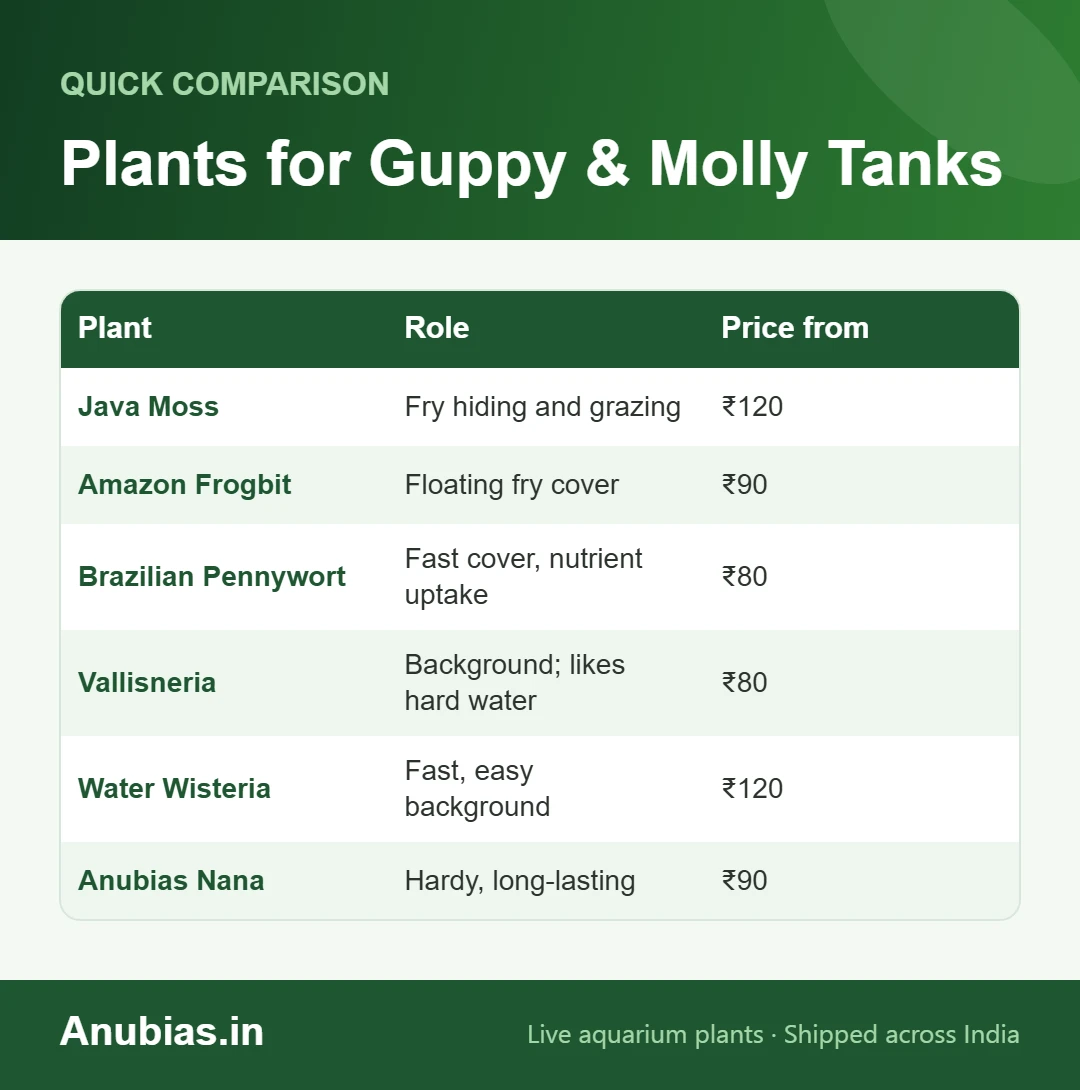
Quick answer: The best plants for guppy and molly tanks are dense, fast or floating plants that shelter fry and soak up waste: Java moss, Amazon Frogbit and Brazilian pennywort for fry cover, Vallisneria and Water Wisteria for background growth, and Anubias Nana for hardy long-term greenery. Livebearers generally prefer moderately hard water, which suits Vallisneria and most Indian tap water after dechlorination.
Why plants matter for livebearers
- Fry survival: adult guppies and mollies eat their young; dense moss and floating roots give fry hiding places.
- Water quality: livebearer tanks produce a lot of waste; fast-growing plants absorb nitrate.
- Natural grazing: mollies pick at biofilm on leaves and moss.
Best picks by role
- Fry cover: Java moss clumps and Amazon Frogbit roots.
- Fast nutrient uptake: Brazilian pennywort and Water Wisteria.
- Background in hard water: Vallisneria, which prefers harder, alkaline water.
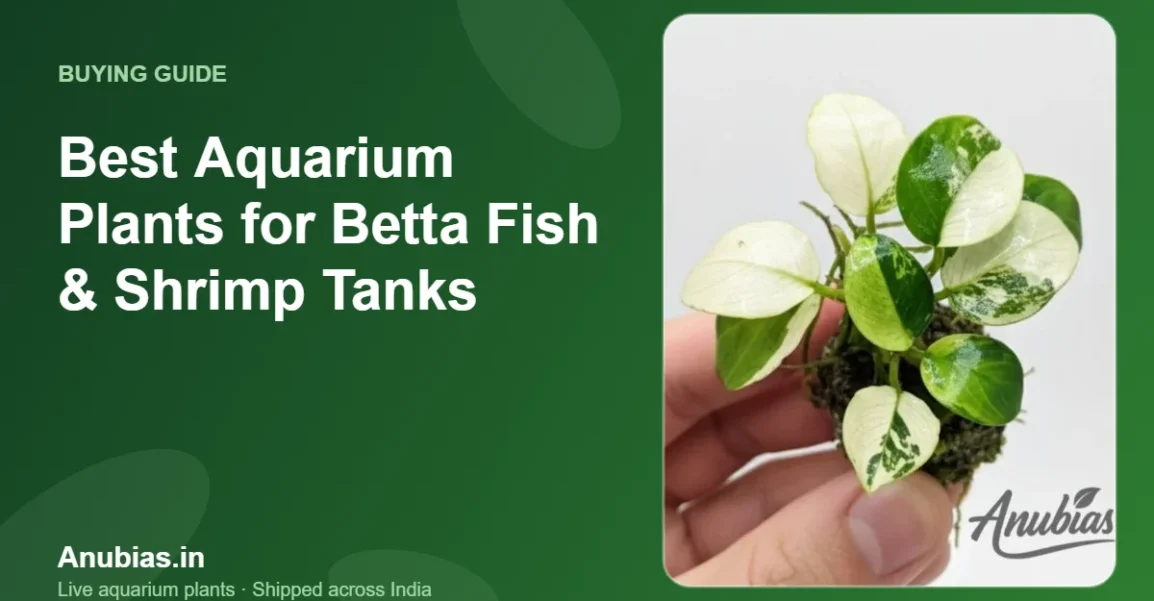
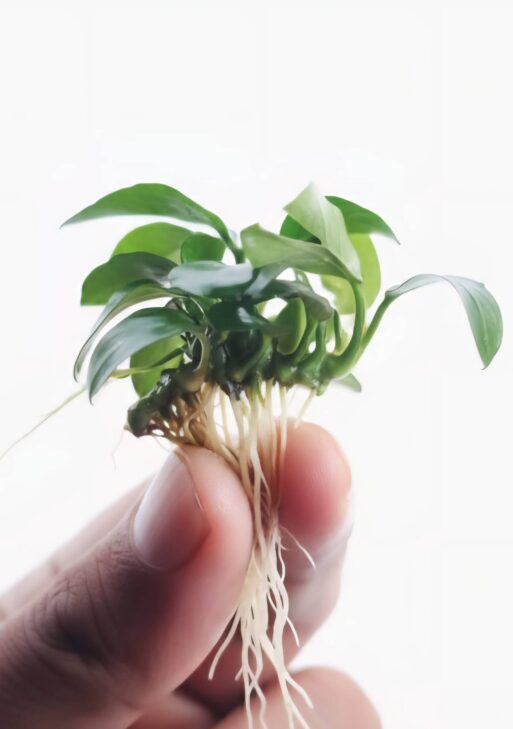
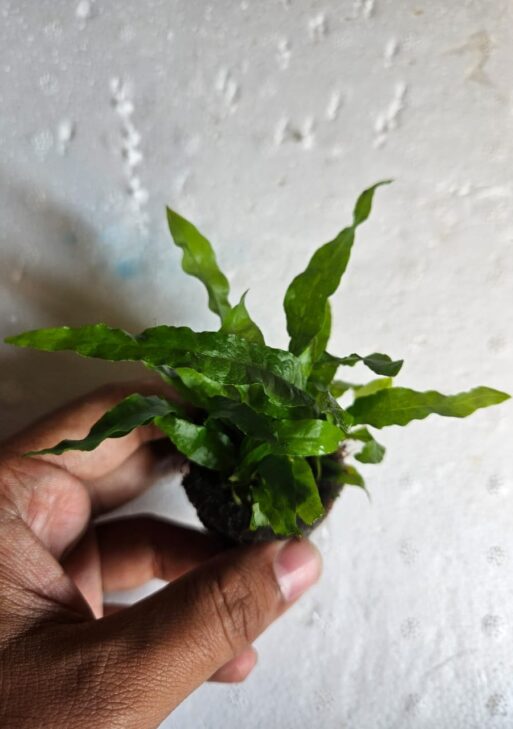
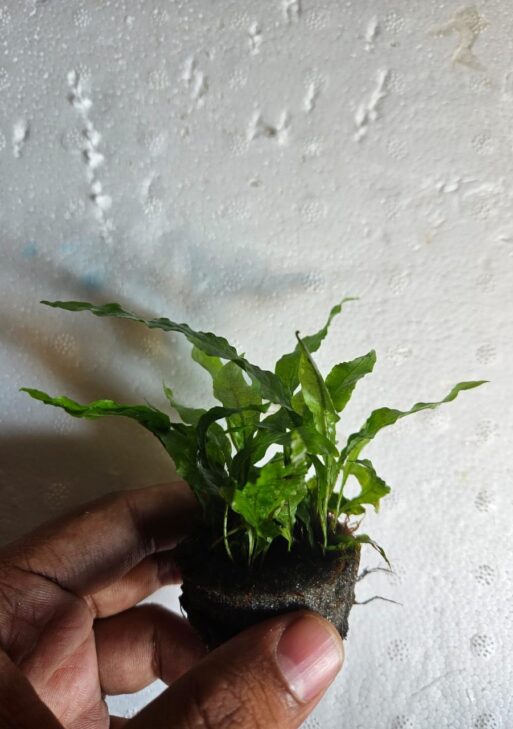
- Low-maintenance accents: Anubias Nana and Java fern on driftwood.
Setup tips
- Leave open swimming space at the front; livebearers are active swimmers.
- Cover no more than about half the surface with floating plants.
- Put a large clump of Java moss where fry can hide.
- Dechlorinate tap water; see Indian tap water for planted tanks.
- Trim fast growers weekly to keep light reaching lower plants.
More fish and shrimp guides:
A starter combination for a two foot livebearer tank
If you want one set that covers every job without overthinking it, this is the combination that works in most Indian homes on a basic LED light and no carbon dioxide injection.
- One good handful of Java moss tied to a stone in a back corner, left untrimmed as the nursery.
- Three to five stems of a fast grower along the back wall to soak up waste.
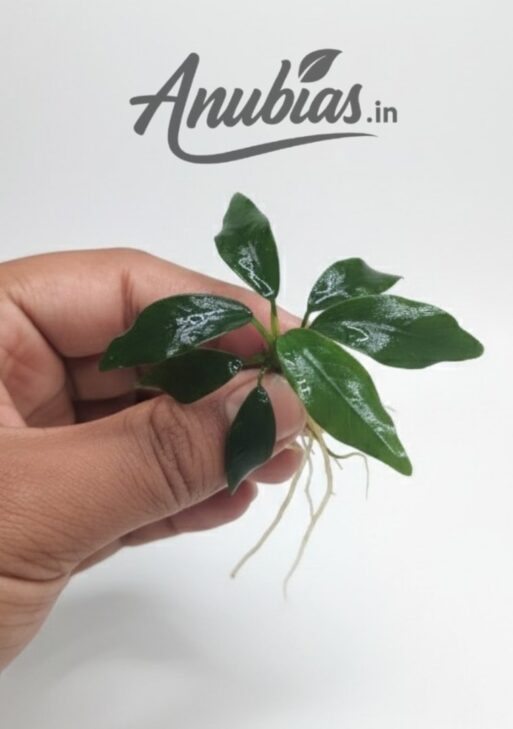
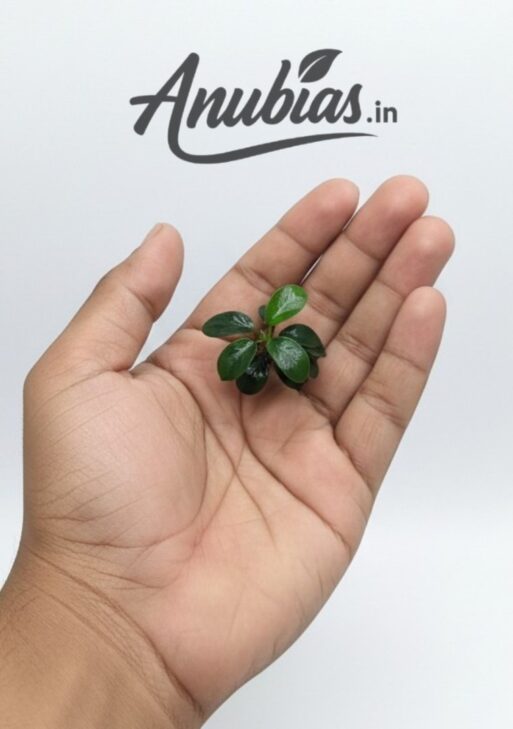
- Two Anubias nana attached to wood in the midground for structure that never needs replanting.
- A small starter portion of floating plants, kept to one half of the surface.
- A clump of Vallisneria in one corner if your tap water is hard, which it is across most of Gujarat and Rajasthan.
That leaves the front third open, which is what livebearers actually use. Resist the urge to fill every gap on day one; guppies and mollies breed fast and the plant mass fills in faster than you expect.
Mistakes that cost you fry
Most fry are lost to things that have nothing to do with plant choice. The commonest is a strong filter intake with no sponge on it, which pulls in newborn fry overnight. A cheap sponge pre-filter fixes this and also gives fry a surface to graze.
The second is trimming the moss clump at the wrong time. If you thin the nursery clump the week a female drops, you remove the cover exactly when it is needed. Trim on a schedule you can see coming, not on impulse.
Third, heavy vacuuming of the substrate sucks up fry hiding at the bottom. Siphon slowly, and keep a white bowl beside you so you can tip any fry back in.
Finally, watch the temperature. At 30 degrees and above in summer, fry grow fast but oxygen drops and the adults hunt more actively. A fan across the surface and a slightly lower feeding rate get you through the hot months with more survivors.
Plants in this guide

Frequently asked questions
Do guppies eat live plants?
Guppies nibble biofilm and soft algae but rarely damage healthy plants. Mollies graze more but still leave hardy plants alone.
Which plant is best for guppy fry?
Java moss is the classic choice; floating plant roots are a close second.
Do mollies need salt, and can plants cope?
Most home mollies do fine in freshwater. If you add salt, many plants suffer, so keep salt minimal in planted tanks.
Shop floating plants and mosses for your livebearer tank.
Do I need carbon dioxide injection for a guppy or molly tank?
No, and it is usually a poor fit. The plants recommended for livebearers are all chosen because they grow without injected carbon dioxide on a modest light. Your money is better spent on a decent light, a sponge pre-filter and weekly water changes.
Will floating plants make the tank too dark for the plants below?
They will if you let them cover the whole surface, which is why half coverage is the usual limit. Scoop out a handful whenever the mat closes over, and keep the clear half above your rooted plants rather than above open water. Species with long trailing roots shade more than their leaf size suggests.
Can I keep plants in a bare bottom molly tank?
Yes, by using plants that never need substrate. Anubias, Java fern, Bucephalandra and moss all attach to rock or wood, so a bare bottom tank can still be heavily planted. Add a few floating plants for surface cover and you have everything a livebearer tank needs without a single root in gravel.
Keeping a turtle? See which plants actually survive a turtle tank.