
Indian aquarium keepers use everything from chlorinated municipal supply to very hard borewell water and ultra-soft RO water. Each behaves differently in a planted tank. This guide explains what TDS really tells you, how common Indian water sources compare, and which plants suit each.
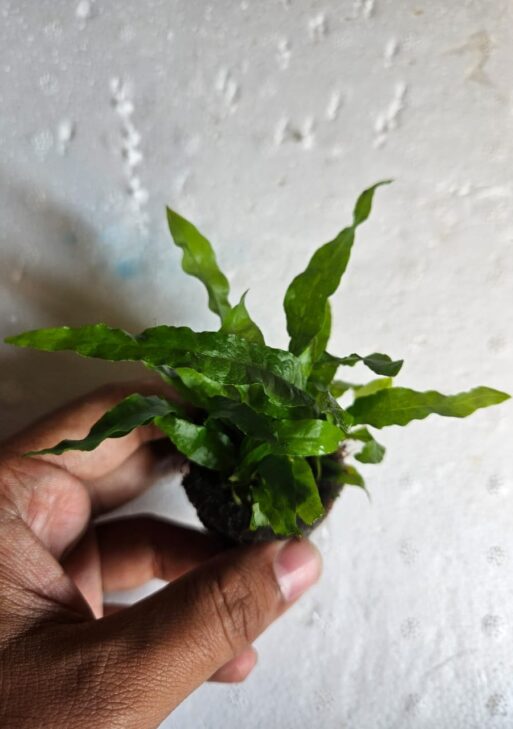
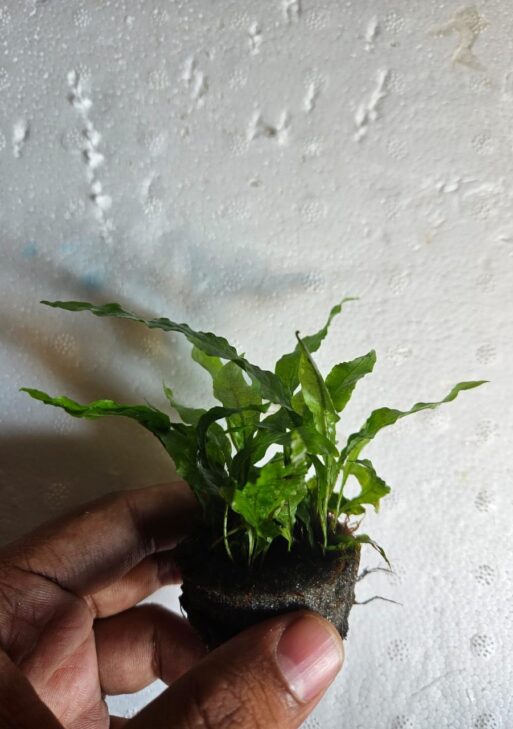
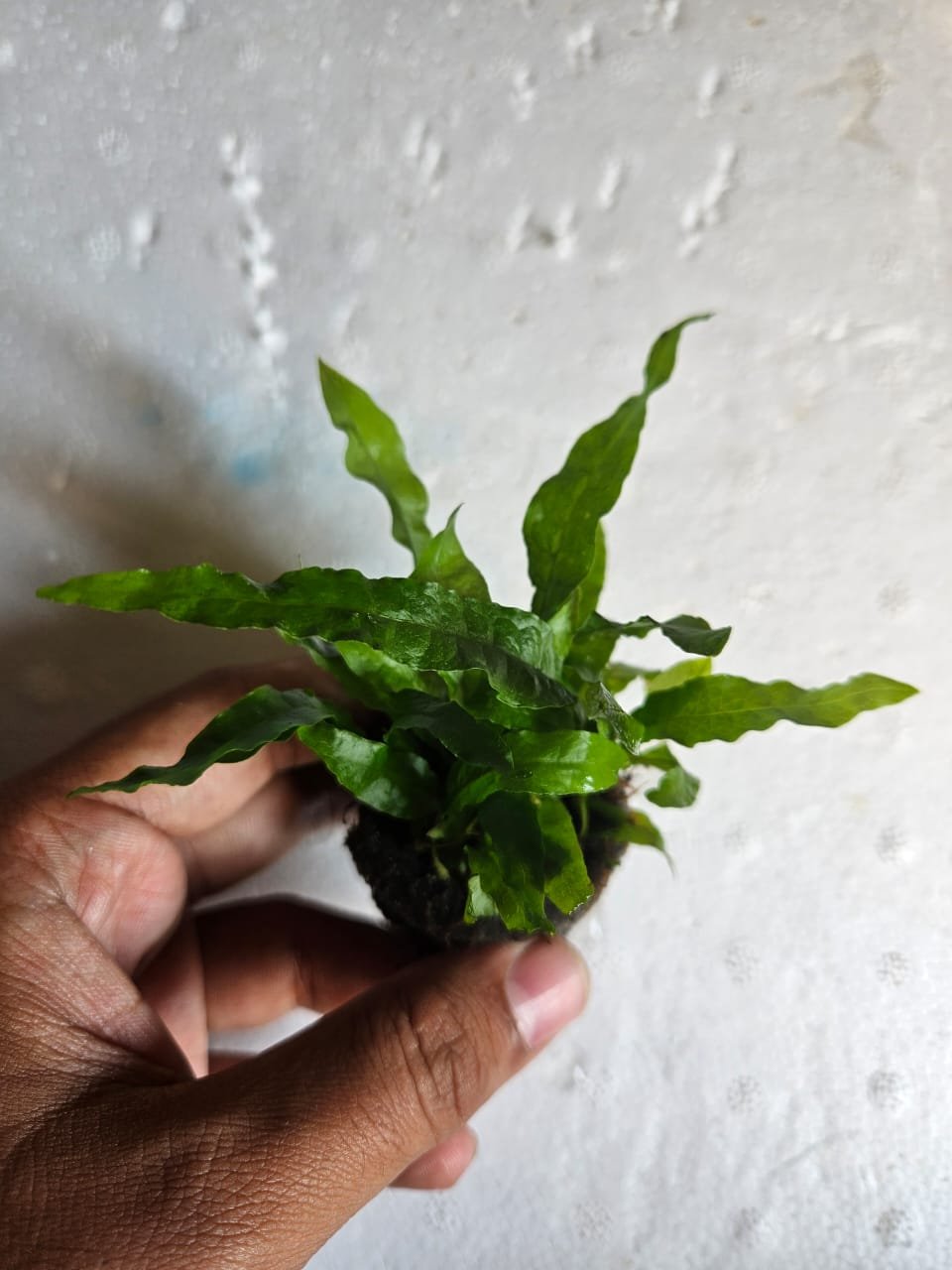
Quick answer: Most hardy aquarium plants, including Anubias, Java fern, Cryptocoryne wendtii and Vallisneria, grow well in dechlorinated Indian tap water. Municipal water needs a dechlorinator; borewell water is often hard and high in TDS, which suits Vallisneria and cherry shrimp but may need mixing with RO for soft-water plants; pure RO water is too soft on its own and should be remineralised or mixed. TDS measures total dissolved solids, not hardness, so test GH and KH as well.
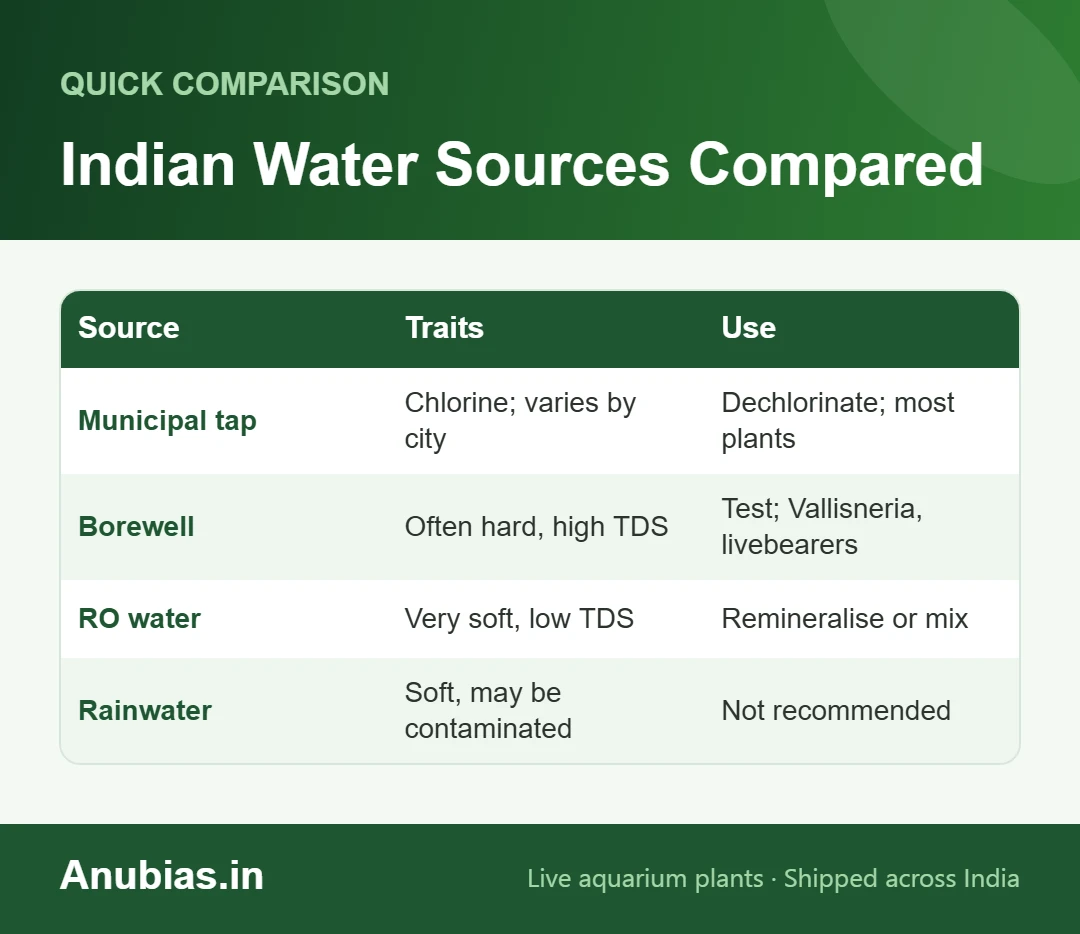
Indian water sources compared
| Water source | Typical traits | Planted tank use |
|---|---|---|
| Municipal tap | Chlorine or chloramine; hardness varies by city | Use dechlorinator; fine for most plants |
| Borewell | Often hard, high TDS; can contain iron | Good for Vallisneria, livebearers; test first |
| RO (purifier) water | Very soft, very low TDS | Remineralise or mix with tap water |
| Rainwater | Soft; can carry roof contaminants | Not recommended unless filtered and tested |
| Packaged drinking water | Varies by brand | Expensive; check label and test |
What TDS does and does not tell you
TDS (total dissolved solids) is the total amount of dissolved substances, not a direct measure of hardness. Two waters can have the same TDS but very different GH (calcium and magnesium) and KH (carbonates), which are what affect pH stability, shrimp moulting and some plants. A cheap TDS meter is useful for tracking changes between water changes, but also use GH/KH test kits. See aquarium water parameters explained.
Which plants suit your water?
- Hard, high-TDS water (many borewells): Vallisneria, Anubias, Java fern, Cryptocoryne wendtii, Egeria densa.
- Moderate municipal water: almost all beginner plants, plus most stem and carpet plants.
- Soft water (RO mixed): demanding red stems such as Rotala wallichii and soft-water shrimp such as Caridina.
Practical tips for Indian tanks
- Always dechlorinate municipal water before it touches plants, fish or shrimp.
- Test borewell water for hardness and iron before using it alone.
- Never use pure RO water without remineralising; mixing RO with tap water is a simple way to lower hardness.
- Keep water changes consistent so plants are not shocked by swings in TDS and hardness.
- Cherry shrimp are the easier choice for hard Indian tap water; see the shrimp-safe planted tank guide.
Plants in this guide
₹ 90
Frequently asked questions
What TDS is good for a planted aquarium?
Most hardy plants tolerate a wide TDS range. Consistency matters more than an exact number; track TDS alongside GH and KH.
Is RO purifier waste water good for aquariums?
No. The reject water from home RO units has concentrated dissolved solids and is not suitable for tanks.
Do I need to boil tap water for plants?
No. Boiling does not remove chloramine reliably; a water conditioner is simpler and more effective.
Shop the plants in this guide: Egeria Densa, Rotala Wallichii.