
The number of hours your aquarium light is on, called the photoperiod, is one of the easiest settings to get wrong. Too little light and plants stall; too much and algae takes over. Here is how long to run lights for planted tanks and how to fine-tune it.
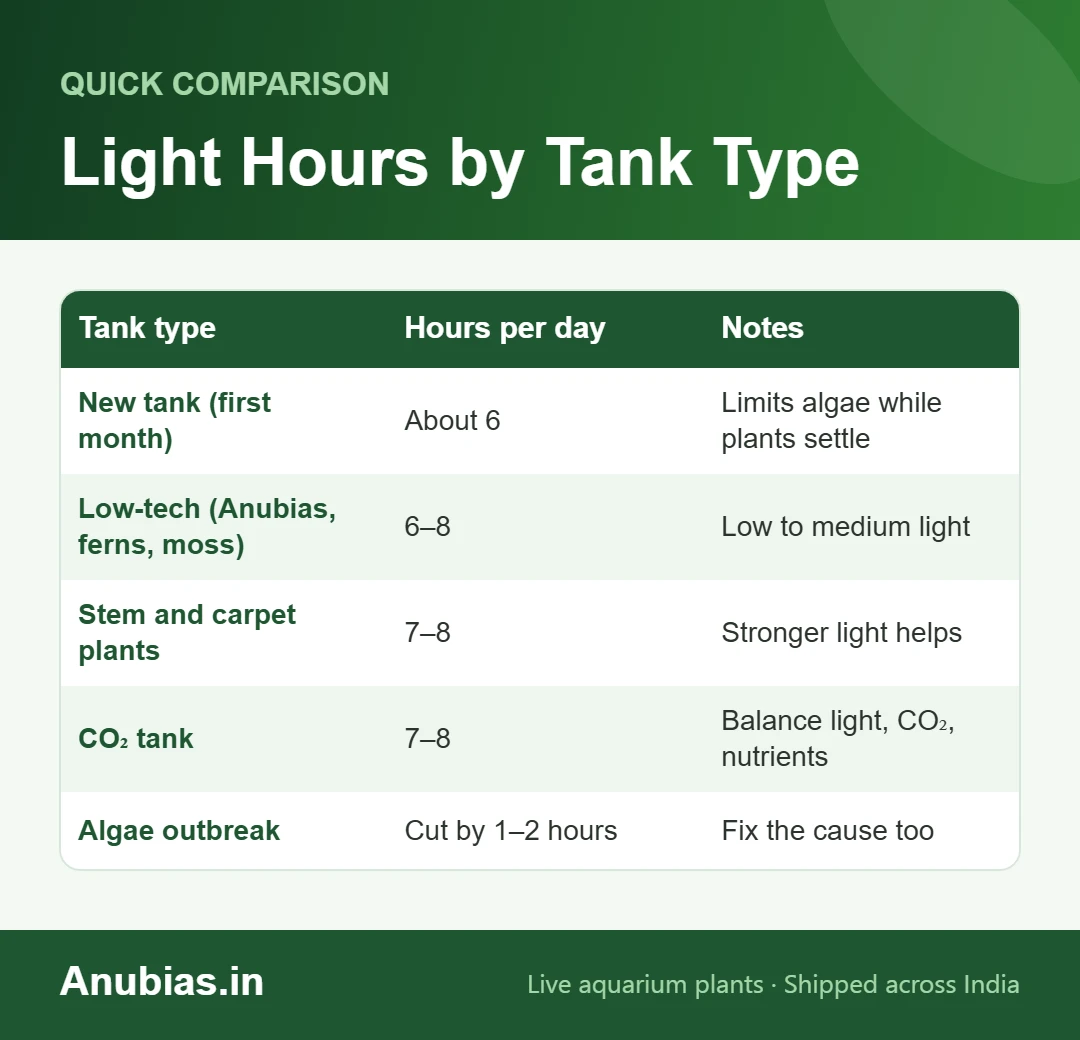
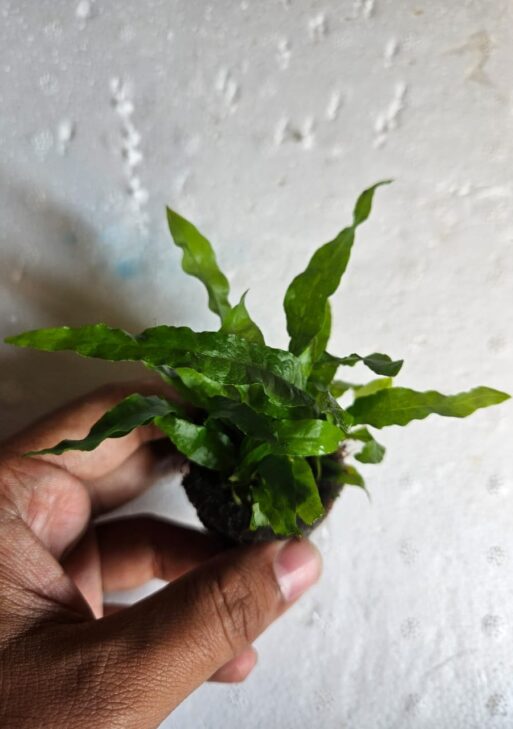
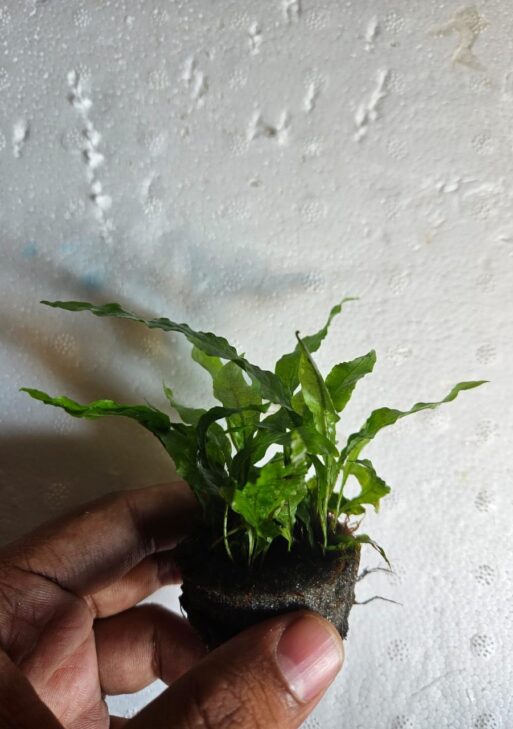
Quick answer: Most planted aquariums do best with the lights on about 6–8 hours a day. Start new tanks at around 6 hours while plants settle, run low-tech tanks with Anubias, Java fern and moss for 6–8 hours, and keep demanding stem and carpet tanks at about 7–8 hours with stronger light. Use a timer for a consistent schedule, and if algae appears, shorten the photoperiod before cutting fertiliser.
Why more light is not better
Plants can only use so much light before growth is limited by nutrients and CO2. Extra hours beyond that mostly feed algae, especially on slow-growing plants like Anubias whose leaves live for months. A consistent, moderate photoperiod keeps plants and algae in balance.
Timer tips
- Use a simple plug-in timer so lights run the same hours daily.
- Schedule lights when you are home to enjoy the tank, such as afternoon to evening.
- In hot Indian summers, avoid running lights during the hottest hours to limit heat.
- Avoid direct sunlight on the tank; it adds uncontrolled light and heat.
Signs your photoperiod needs adjusting
| What you see | Likely issue | Adjust |
|---|---|---|
| Green spot or black beard algae on Anubias | Too many hours or too bright | Reduce by 1–2 hours |
| Plants pale, leggy, reaching up | Too little light | Increase gradually or upgrade light |
| Green water | Too much light and nutrients | Shorten hours, water changes |
| Stable growth, little algae | Balanced | Keep it consistent |
Hours or brightness: which to change first
Photoperiod is only half the equation. A very bright light running six hours can grow more algae than a modest light running nine, so it helps to know which lever to pull.
Change the hours first, because it is free and instant. Shortening a photoperiod by one or two hours is the lowest risk adjustment you can make and it takes effect the same day.
Change brightness second, and only if shortening the hours left your plants pale and stretching. If your light has a dimmer, drop it by a step. If it does not, raise the fixture a few centimetres or lay a layer of window screen mesh over the top as a cheap diffuser.
A rough guide for which problem you have: algae on the glass and hardscape with healthy plant growth means too many hours. Algae plus weak, leggy plants means the light is in the wrong place or too far away rather than on for too long.
A four week plan for a new tank
New tanks have no established plant mass and plenty of spare nutrients, which is exactly the condition algae prefers. Ease into the photoperiod rather than starting where you intend to finish.
- Week one: five hours a day. Expect very little growth. This is normal.
- Week two: six hours. Watch the glass. A light dusting of green is fine and expected.
- Week three: hold at six hours if the glass is greening noticeably, or move to seven if it is clean.
- Week four onwards: add half an hour at a time, no more than once a fortnight, and stop as soon as algae starts gaining.
Through an Indian summer there is a second reason to keep the schedule modest. A light fixture sitting on a lid adds heat to a tank that is already at 30 degrees, so running the light in the evening rather than through the afternoon keeps the daily temperature swing smaller.
If you run a fan for cooling, set it on the same timer as the light so the two peaks line up.
Plants in this guide


Frequently asked questions
Is 12 hours of aquarium light too much?
For most planted tanks, yes. Twelve hours usually leads to algae; 6–8 hours is a better target.
Do aquarium plants need darkness?
Yes. A daily dark period is natural and helps limit algae; there is no benefit to running lights overnight.
Should I split the photoperiod?
Some keepers use a midday break, but most home tanks do well with a single consistent block of 6–8 hours.
Choose light-appropriate plants: see the best low-light aquarium plants and shop on Anubias.in.
हिंदी में पढ़ें: एक्वेरियम लाइट कितने घंटे चलाएं.
Tank without a light? Read which plants survive dim tanks.
Does daylight from a window count towards the photoperiod?
Yes, and people consistently underestimate it. A tank near a window can receive several hours of usable light before the fixture even switches on, which is why those tanks often get algae on a schedule that works fine elsewhere. If your tank catches daylight, cut the fixture hours or move the tank away from the window.
Should I leave the light running while I am away for a week?
Leave the timer running exactly as normal; do not switch it off. Plants left in darkness for a week melt and foul the water, which is far worse than a little algae. If nobody will be feeding the fish, consider shortening the photoperiod by an hour so growth slows to match the lack of nutrients.
Do the fish care what time the light comes on?
They care about consistency more than the exact hour. A fixed on and off time lets fish settle into a routine, and a sudden bright light in a dark room startles them. If your room is dark when the tank light switches on, opening a curtain first or using a fixture with a gradual ramp makes the change easier on them.
Travelling soon? Read how to leave a planted tank for one or two weeks.