

Buying live plants online naturally raises the question: how long can they survive in a parcel? The answer depends on the plant, the packing and the weather. Here is what to expect, which plants travel best, and how to give them the best start when they arrive.
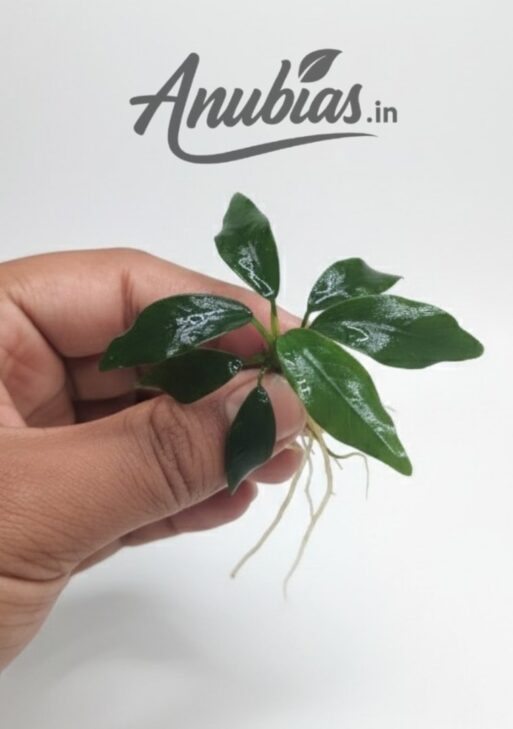
Quick answer: Hardy aquarium plants such as Anubias, Java fern, Bucephalandra and mosses usually cope well with several days in transit when packed moist and protected from heat, because they have tough leaves and store energy in their rhizomes. Softer stem, carpet and floating plants are more sensitive to heat and crushing. Anubias.in orders typically arrive within about 3 days; unpack and rinse plants as soon as the parcel arrives.
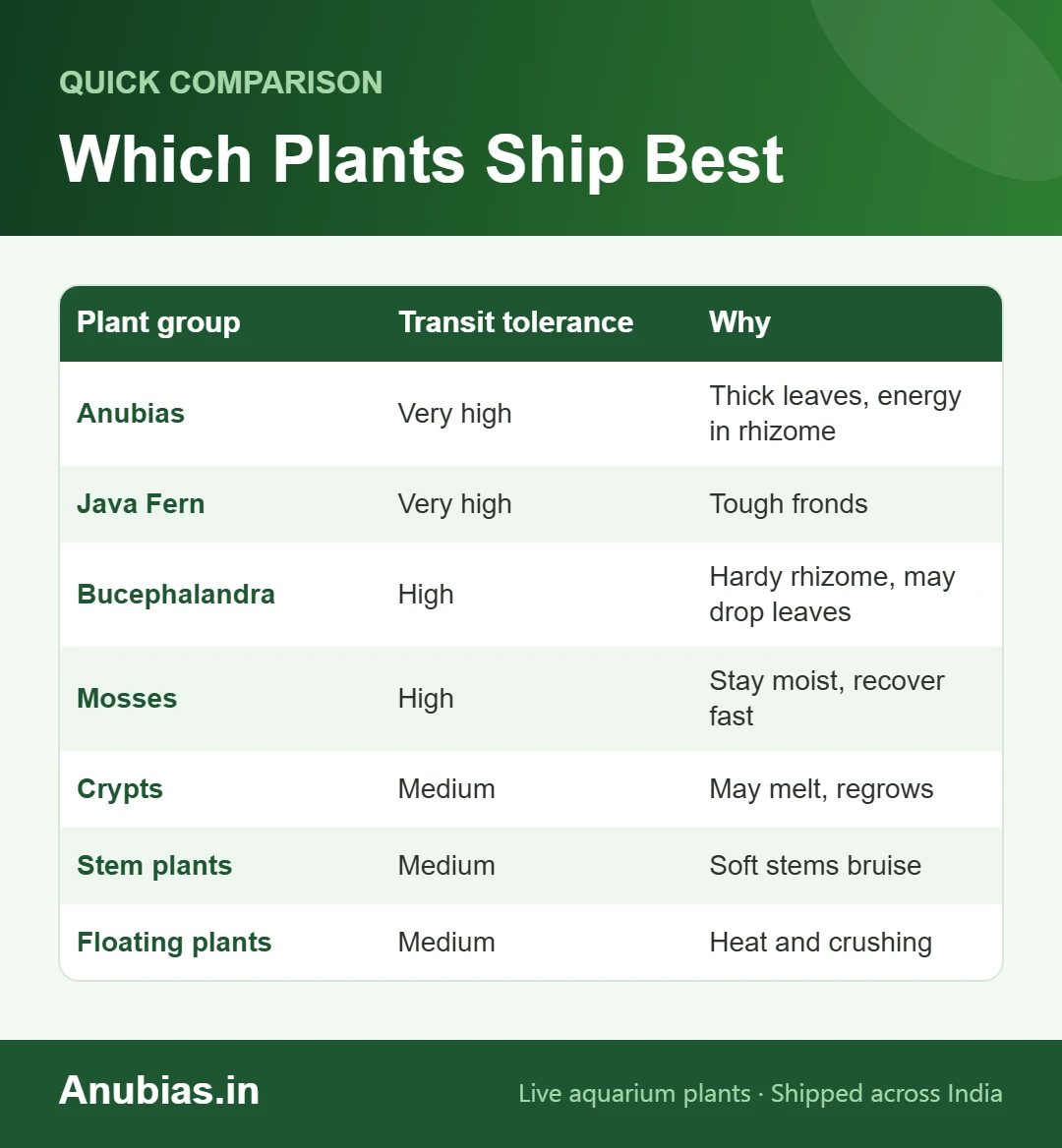
What affects survival in transit
- Plant type: thick-leaved rhizome plants tolerate darkness and handling far better than soft stems.
- Moisture: plants packed moist, not sitting in lots of water, stay fresher and lighter.
- Temperature: heat in summer warehouses and vans is the biggest risk; cold North Indian nights also slow recovery.
- Time: every extra day in the dark uses stored energy.
- Handling: cushioned packing prevents crushed stems and torn leaves.
How plants are packed
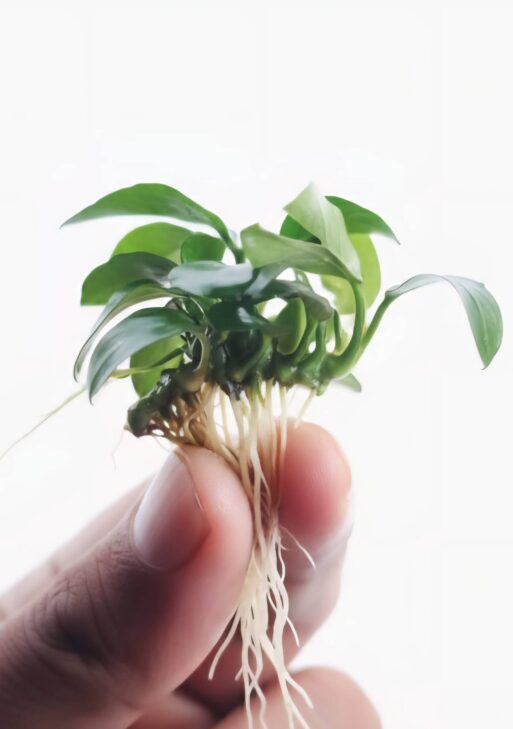
Good sellers clean plants, wrap them to retain moisture and cushion them against knocks. Anubias.in hand-packs every order and ships via the most reliable courier for your location, with a live-arrival guarantee. See the shipping policy.
What to do when plants arrive
- Open the parcel immediately.
- Photograph any plant that arrived dead (claims need a photo within 24 hours).
- Rinse plants in dechlorinated water.
- Plant or attach them the same day.
- Expect some leaf loss in the first weeks. See why new plants melt.
Ordering by season
The season you order in changes your odds more than anything else you control. Transit boxes sit in vans and sorting hubs, and those get hotter than the outside air.
- October to February is the safest window across most of India. Almost anything travels well, including delicate stems, carpets and floating plants.
- March to June is the difficult stretch. Stick to rhizome plants such as Anubias, Java fern and Bucephalandra, plus mosses, which all tolerate a warm box far better. Avoid floating plants and soft stems if you can wait.
- Monsoon months bring delay rather than heat as the main risk. Flooded routes and diverted flights add days, so order when you will definitely be home and do not order right before travelling.
Two habits help in any season. Order early in the week rather than on a Friday, so the parcel does not sit over a weekend. And if a heatwave is forecast where you live, wait a few days rather than pushing the order through.
The first two weeks after arrival
Plants that arrive alive can still look worse before they look better, and knowing the normal pattern stops people from throwing away a healthy plant.
Days one to three: expect some older leaves to yellow or go transparent, especially on stem plants and anything that was grown emersed. Remove them as they go soft rather than leaving them to rot.
Days four to ten: this is usually the low point. Stems may drop leaves from the bottom, crypts may melt back almost completely, and carpets look sparse. Resist the urge to pull anything up to inspect the roots.
Days ten to fourteen: new growth starts. Look at the growing tip on a stem plant, the centre of a rosette, or the growing point of a rhizome. Any new leaf at all, however small, means the plant has taken.
Through the first fortnight, keep the light short, feed lightly, and change water on schedule. The common mistake is to respond to a melting plant by dosing heavily, which feeds algae at precisely the moment the plants cannot compete.
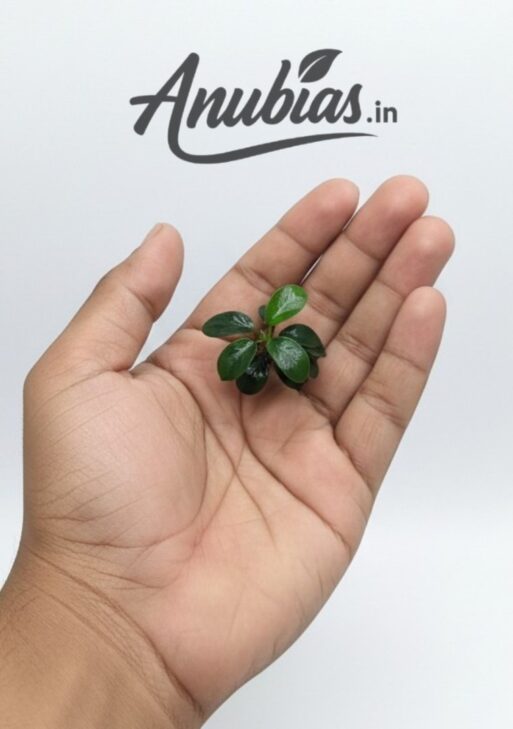
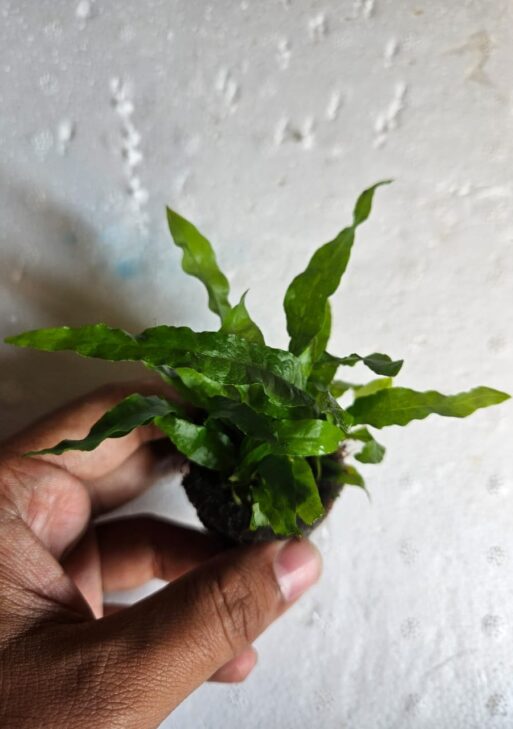
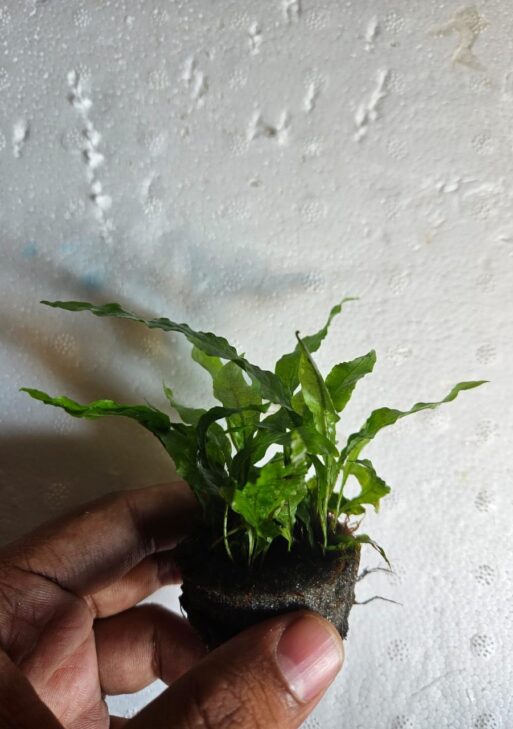
Plants in this guide
Grown in Surat · graded by leaf count and photographed before dispatch · live-arrival guarantee on every order · ₹99 shipping, free from ₹2,000


Frequently asked questions
Can I keep plants in the bag for a day before planting?
Hardy plants usually cope, but it is best to open the parcel, rinse the plants and keep them in a container of dechlorinated water until you can plant them.
Which plants should I avoid ordering in peak summer?
Delicate stems, carpets and some floating plants are more heat-sensitive; order them in milder weather, or choose hardy epiphytes.
What if my plants look wilted on arrival?
Rinse them, float them in dechlorinated water and plant them. Many recover within days; if a plant is truly dead, follow the live-arrival claim process.
Order hardy, well-packed plants from our aquarium plant shop.
Should I quarantine new plants before adding them?
It is worth doing if you keep sensitive fish or a shrimp colony you cannot risk. A separate tub with a light and dechlorinated water for a week or two lets you spot pest snails and algae before they reach the display tank. For most community tanks a careful rinse and inspection is enough.
Do I need to dip new plants for snails or algae?
A dip is optional and mainly useful against pest snail eggs and hitchhiking algae. If you do dip, use a short, well-diluted treatment and rinse thoroughly in dechlorinated water afterwards, then never dip mosses or soft stems, which are easily killed by it. Physically picking off eggs and rinsing under a tap gets you most of the benefit with none of the risk.
What if I am not at home on the delivery day?
Arrange for someone to receive the parcel and open it, because a sealed box left in a hot lobby is where most losses happen. Ask them to at least open the box and put the bagged plants somewhere cool and shaded, even if they cannot plant them. If nobody will be home, it is better to place the order for a later date.
Shifting house? See how to move a planted tank without losing the plants.