

Quick answer: Moving a planted tank is mainly a logistics job. Keep your filter media wet and cool, because that is what holds your cycle together. Bag the plants damp rather than submerged, carry fish and shrimp in bagged tank water, drain the tank completely before lifting it, and rebuild at the other end the same day. Expect some melt and a small ammonia bump afterwards.
Start Planning A Week Before The Move
Shifting a fish tank to a new house is a logistics problem more than an aquascaping one. The tank, the water, the substrate, the plants and the livestock all travel as separate loads, and the move goes well or badly depending on how much you decided in advance. Give yourself a week and treat moving day itself as assembly, not decision-making.
Roughly seven days out, cut feeding right down and stop dosing fertiliser, because a lightly fed tank produces less waste when your fish later spend hours in sealed bags. Trim overgrown stems now so you are not fighting a jungle on the day, and do a modest water change.
Two days out, collect buckets with tight lids, fish bags or clean PET bottles, newspaper, a crate for the substrate and old towels. Decide exactly where the tank will stand in the new house and check the stand is level with a socket in reach.
Keeping The Filter Media Alive Is The Whole Game
If you remember one thing, remember this. The most valuable object in your aquarium is not the tank or the plants, it is the colony of nitrifying bacteria living in your filter sponges, ceramic rings and biomedia. That colony converts ammonia to nitrite and nitrite to nitrate, and a bare tank takes roughly three to six weeks to build it from scratch.
Those bacteria die quickly if the media dries out, cooks in a hot boot, or is rinsed under the tap, since chlorinated water kills them. Pull the media straight into a bucket or zip bag of tank water, seal it, and keep it in the shade or in the cabin with you. Aim to have the filter running the same day; if the journey runs longer, leave air above the water and open the container occasionally.
Moving The Plants
Aquarium plants travel more easily than most people expect. We ship plants across India wrapped damp rather than submerged and hardy species handle a few days in transit that way, so a domestic move is well within what they tolerate. Damp is the key word: plants want humidity and cool air, not hot water sloshing about.
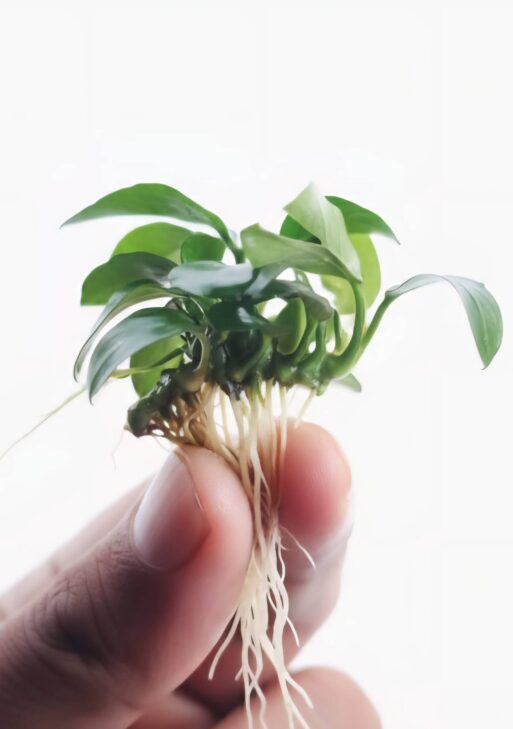
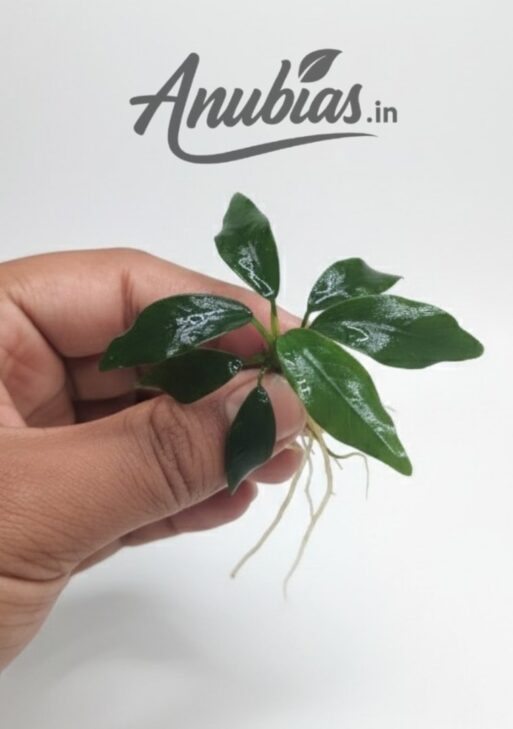
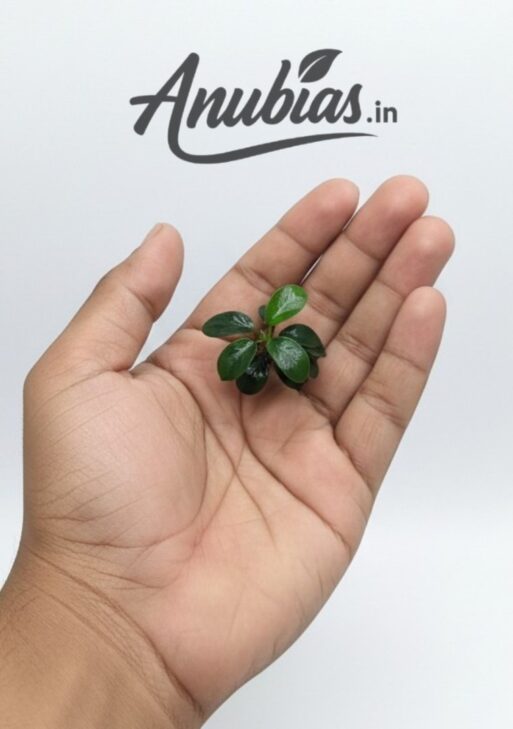
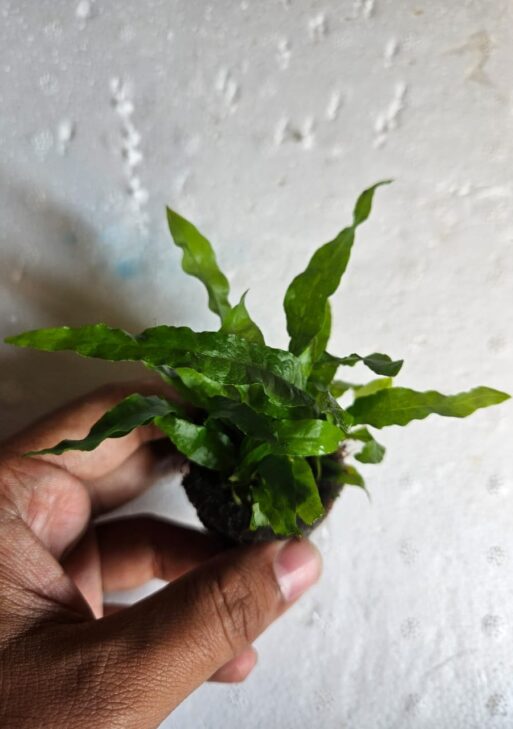
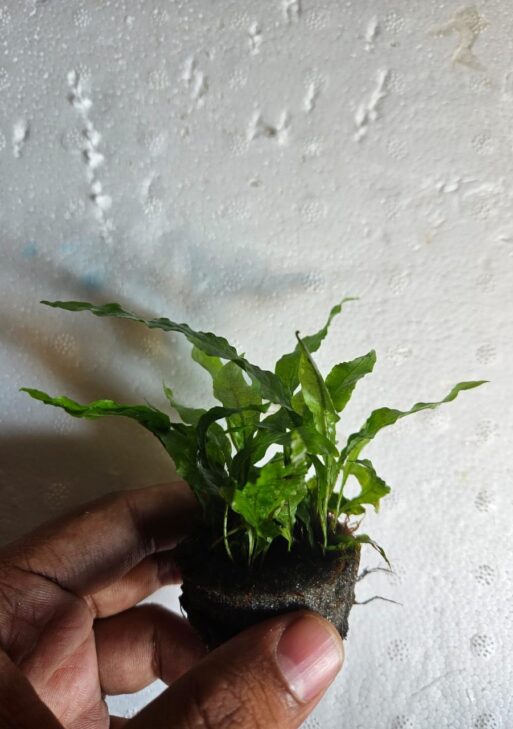
Rhizome plants such as Anubias, Java fern and Bucephalandra can be untied from the hardscape, wrapped loosely in wet newspaper and bagged with the top folded rather than sealed airtight. Keep track of which is which, because these are never buried in substrate at the other end, only tied or glued back onto wood and rock.
Stem plants bruise easily, so cut them to a workable length, lay them flat in a single layer on wet newspaper and roll gently rather than stuffing a fistful into one bag. Cryptocoryne and swords travel with their roots wrapped in wet tissue; they are the most likely to sulk afterwards, which is normal. Mosses and floaters can ride in a half-filled bucket of tank water with the lid ajar.
Carpets are a judgement call. If you are keeping the same substrate, cut an established carpet into squares with a knife and lift each square with its soil intact. A thin or recently planted carpet is easier to lift, wrap damp and replant as a mat at the other end.
How Long Plants Survive Out Of Water
Kept damp, shaded and cool, tough plants like Anubias, Java fern, Bucephalandra and mosses cope comfortably with several days out of the tank. Stems, carpets and floaters are less forgiving of heat and crushing and are happier back under water within a day. Heat is the real enemy rather than time; a bag of plants in a cool room is fine for days, while the same bag on a hot car dashboard can be ruined in hours.
Fish And Shrimp
Catch the fish last, once the plants and hardscape are out and there is nowhere left to hide. Bag them in tank water, not fresh water, with about a third water and the rest air, and give each fish room to sit without pressing against the bag. Big or spiny fish go one to a bag.
Clean PET bottles work well in a car and are harder to puncture, with an air gap left at the top. Pack bags upright in a closed carton or cooler box so they stay dark and steady, which keeps fish calm. Shrimp need oxygen more than space, so use more water per shrimp, add a clump of moss to cling to, keep the bags cool, and do not open them repeatedly to check.
Substrate: Keep, Rinse Or Replace
Aquasoil a year or more old has largely given up its nutrients and turns to mud when disturbed, so this is a sensible moment to replace it. Fairly new soil is worth keeping: scoop it wet into a sealed bucket and it carries useful bacteria across with it. Inert gravel and sand can be kept and rinsed lightly in old tank water rather than under the tap.
Do not underestimate the weight: substrate for a three-foot tank can run to twenty kilos or more, so split it across containers you can actually lift.
The Tank Itself
Never lift an aquarium with water or substrate still in it, not even a couple of centimetres. Glass tanks are held together by silicone joints designed for even pressure from a flat, level surface, and a loaded lift flexes the base and twists those joints. The resulting leak often shows up days later at the new house.
Drain it completely, wipe it out and carry it level with hands under the base, never by the rim or the bracing bar. Pad the base with a folded blanket, keep it upright in transit and never rest it on an uneven surface. Check the silicone seams before refilling; resealing beforehand is far cheaper than a flood afterwards.
Same-City Move Versus An Intercity Move
A move across town by car is straightforward. Take the livestock and filter media in your own vehicle rather than the packers van, and save four or five buckets of old tank water. It is not vital for the bacteria, which live in the media, but it softens the chemistry swing.
An intercity move is different. Once the journey runs to a day or more, carrying old water stops being practical and you should plan to refill with fresh dechlorinated water. Let the packers take the empty tank, stand and dry equipment, and keep fish, shrimp, plants and media with you in the train compartment or car cabin where the temperature is reasonable. If you are flying, rehoming the livestock locally and restarting at the other end is often kinder.
Setting Up At The Other End
Set the tank up the same day you arrive, even if the house is still in boxes. Level the stand, add substrate, hardscape and any saved water, top up with fresh dechlorinated water, then run the heater and filter with the original media inside.
Plant while the tank is only part-filled and you can reach everything: rhizomes above the substrate and tied to wood or rock, crowns with the growing point clear of the soil, stems pushed in individually. Acclimatise fish slowly by floating the bags and adding tank water in stages, and be slower still with shrimp.
Expect a mini-cycle over the following fortnight, because some bacteria are lost, disturbed substrate releases waste and melting leaves add more. Test ammonia and nitrite every couple of days, feed very lightly, change water whenever either is detectable, and hold off on fertiliser and long light periods for a week.
What Will Melt, And What To Do About It
Some melt after a move is normal and not a sign you did anything wrong. Cryptocoryne is the classic offender and may drop most of its leaves before regrowing. Buce, carpets, stems and Vallisneria sit in the middle, while Anubias, Java fern and floaters usually shrug the whole thing off.
Trim leaves that have gone soft or transparent so they do not rot and feed an ammonia spike, but leave the rhizome, crown or stem base alone. Keep the light to six to eight hours, keep conditions steady and resist moving plants around, since replanting restarts the adjustment. New growth within two to four weeks is the signal that the tank has settled.
Moving Day Checklist
- Feed lightly and stop fertiliser a week before; trim and do a water change.
- Buckets with lids, bags or PET bottles, newspaper, towels and spare dechlorinator.
- Filter media straight into sealed tank water, kept cool and with you.
- Plants wrapped damp by type, with rhizomes labelled so they are not buried later.
- Fish and shrimp bagged last, in tank water, packed dark and upright.
- Substrate kept or replaced deliberately, split across liftable containers.
- Tank completely drained before it moves, carried level and supported underneath.
- Tank rebuilt and filter running the same day you arrive.
- Ammonia and nitrite tested every two days for a fortnight, then left to settle.
Plants in this guide


Frequently asked questions
How do I move an aquarium without losing my cycle?
Keep the filter media permanently wet in sealed tank water, out of the heat, and get the filter running again the same day. The bacteria live in the media rather than the water, so saving old water matters far less than saving the sponges and biomedia. Expect a small ammonia bump anyway and test for a fortnight.
Can I move my fish tank with water still in it?
No. Even a few centimetres of water or a layer of substrate flexes the base glass and stresses the silicone joints, and the resulting leak often appears days later. Drain the tank completely, carry it level with support under the base, and refill only once it is standing on a level stand.
How long can aquarium plants stay out of water during a move?
Kept damp, shaded and cool, hardy plants such as Anubias, Java fern, Bucephalandra and mosses handle several days out of the tank, which is why they ship across India successfully. Stems, carpets and floaters are less tolerant of heat and crushing and should ideally be back under water within a day.
What is the safest way to transport fish and shrimp to a new city?
Bag them in tank water with roughly one-third water to two-thirds air, or use clean PET bottles with an air gap, and pack them upright in a dark carton or cooler box. Stop feeding a day before, keep them in the passenger cabin rather than a hot boot, and acclimatise slowly at the other end.
Why did my plants melt after shifting the tank, and will they recover?
Melt is the plant shedding leaves that no longer suit its new conditions after transit, a water chemistry change and a lighting change. Cryptocoryne melts most and Anubias and Java fern least. Trim the soft leaves, leave the rhizome or crown untouched, keep conditions stable, and expect new growth within two to four weeks.
Replacing what did not survive
If a few plants are lost in the move, the hardy replacements are in the shop, and the care chart shows which ones tolerate the most abuse.