
The Low-Tech Aquascaper’s Dream: Why Anubias Thrives Without CO2 Injection

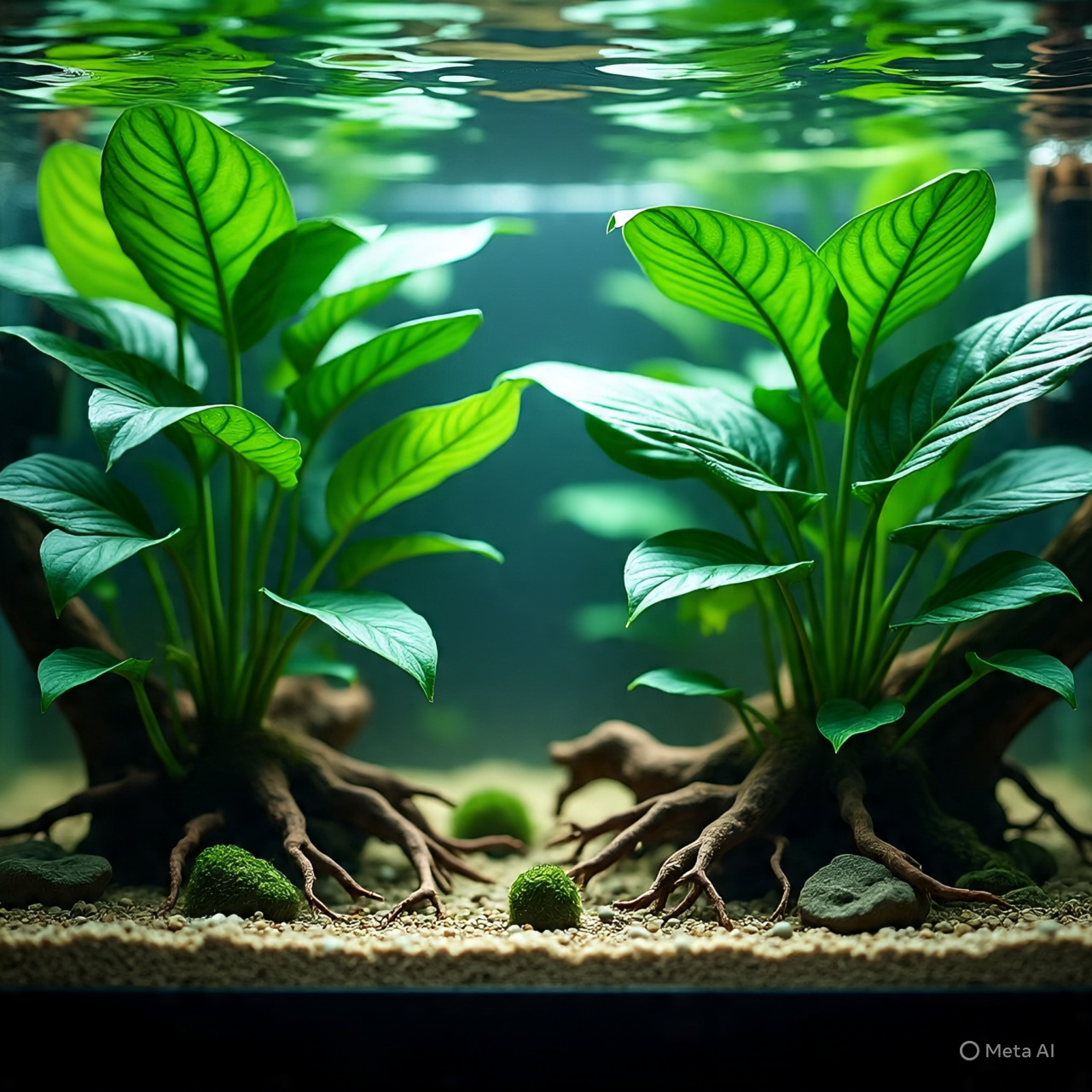
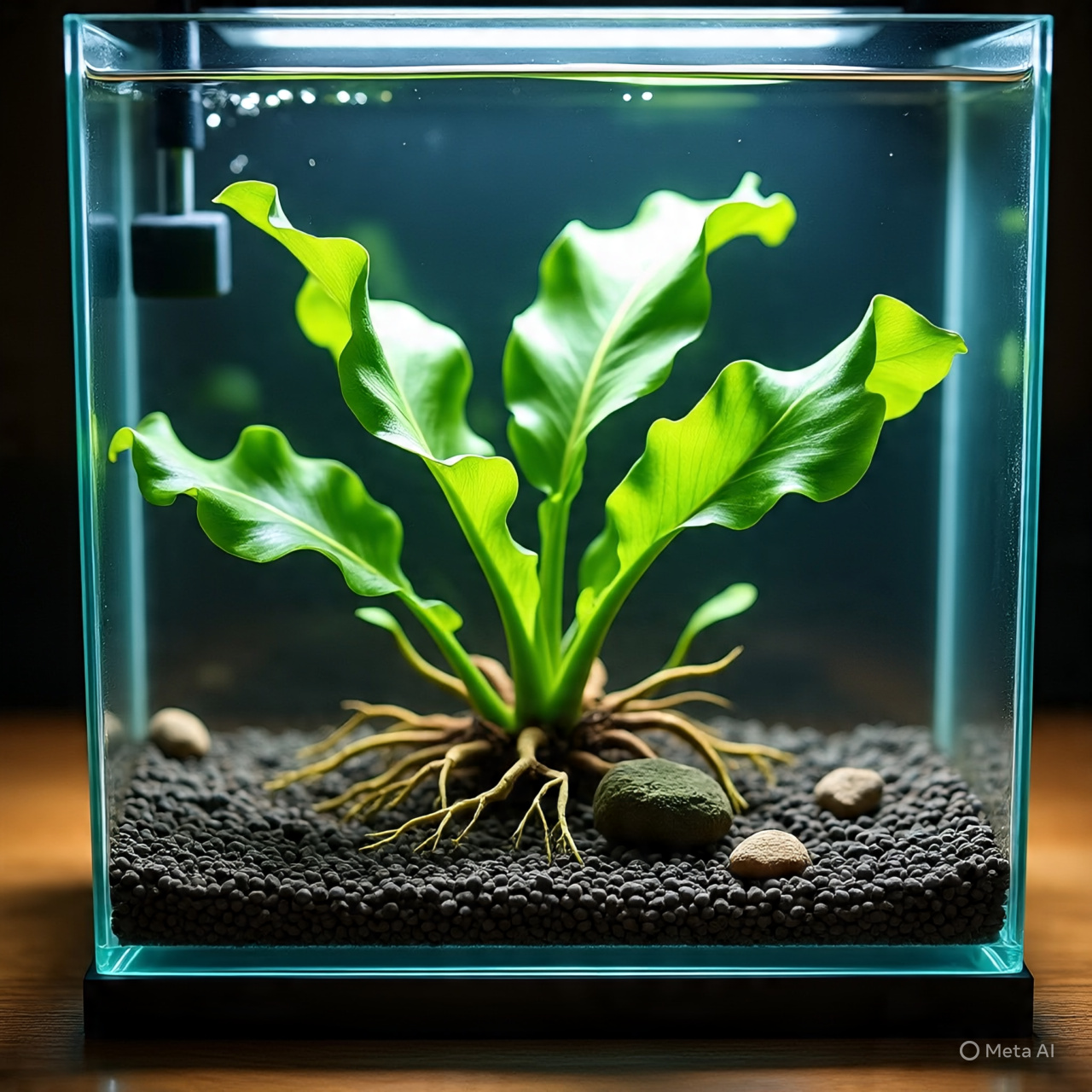
In the world of aquascaping, the topic of CO2 injection can be intimidating for beginners. It often involves pressurized tanks, regulators, diffusers, and the constant stress of “dialing it in.” This complexity leads many to seek out beautiful, rewarding plants that don’t require this high-tech equipment. At the top of that list sits the entire Anubias family, the undisputed king of the low-tech planted tank. This guide explains why Anubias, from the common Anubias Nana to the exotic Anubias ‘Dragon Claw’, not only survives but thrives without supplemental CO2.
What is CO2 and Why Do Plants Need It?
Think of Carbon Dioxide (CO2 ) as the primary food source for plants. During photosynthesis, plants use light energy to convert CO2 and water into glucose (sugar for energy) and oxygen. This is the fundamental process of plant growth.
- In High-Tech Tanks: Fast-growing stem plants have a very high metabolism. They demand huge amounts of light and CO2 to fuel their rapid growth. Without CO2 injection, they would quickly consume the limited amount available in the water and starve.
- In Low-Tech Tanks: The environment is balanced differently. The system relies on natural sources of CO2, which are limited but sufficient for certain types of plants.
How Anubias Gets CO2 in a Low-Tech Tank
If you’re not injecting CO2, where does the Anubias get the carbon it needs to live? The answer lies in the natural balance of your aquarium’s ecosystem.
- Fish Respiration: This is the primary source. Your fish, just like humans, breathe in oxygen and exhale CO2. This waste product from your fish is a vital food source for your Anubias.
- Surface Gas Exchange: The surface of your aquarium water is in constant contact with the air. A small amount of CO2 from the atmosphere naturally dissolves into the water. Good surface agitation from your filter outflow helps to facilitate this exchange.
- Organic Breakdown: The decomposition of fish waste, uneaten food, and other organic material by beneficial bacteria also releases a small amount of CO2 into the water column.
The Secret to Success: A Slow Metabolism
The reason Anubias thrives in this low-CO2 environment is its incredibly slow metabolism. As we discussed in our Anubias Lighting Guide, this plant evolved in shaded, low-energy environments. It is built for efficiency, not for speed.
Its demand for CO2 is very low. The small, continuous supply from your fish and natural gas exchange is more than enough to meet its needs. It leisurely consumes the available CO2, growing slowly and steadily without ever “starving.” This slow, steady pace is a key characteristic, which you can learn more about in our article explaining Anubias growth rates.
Will Adding CO2 Help?
Yes, adding CO2 to a tank with Anubias will increase its growth rate. However, it’s like shifting a car from first gear into second—it will go faster, but it’s still not a race car. You might see a new leaf every 3-4 weeks instead of every 5-6 weeks.
The Important Consideration: If you add CO2, you are increasing the plant’s metabolic rate. This means you MUST also increase the other two factors of the “exposure triangle”: light and nutrients. If you increase CO2 without also providing more light and fertilizer, you will create an imbalance that can lead to nutrient deficiencies or algae. For most hobbyists who choose Anubias for its ease of care, sticking to a low-tech, non-CO2 setup is the simplest and most stable path to success.
Anubias is the perfect plant for anyone wanting a lush, green aquascape without the cost and complexity of a CO2 system. Its ability to thrive on the natural outputs of a healthy aquarium ecosystem makes it a true partner to your fish and a dream for the low-tech aquascaper. It proves that you don’t need high-tech gadgets to create a stunning underwater world.