

Preventing Melt and Rot in Anubias Nana White: A Troubleshooting Guide

There are few things more heartbreaking for an aquascaper than watching a prized, expensive plant like Anubias Nana White slowly die. Two of the most common and deadly afflictions are “melt” and “rhizome rot.” While they can seem sudden and mysterious, they are almost always preventable. This guide will teach you how to identify, prevent, and treat these issues to protect your valuable investment.
Issue #1: Leaf Melt
Leaf melt is when the leaves of the plant, particularly the delicate white ones, seem to become translucent, mushy, and disintegrate.
What Causes Melt?
The primary cause of melt is environmental stress from sudden changes. Anubias Nana White is extremely sensitive to shifts in its living conditions. Common triggers include:
- Acclimation Shock: The biggest trigger is the move from the grower’s setup (which may be emersed, or grown out of water) to your submersed aquarium. The plant has to completely re-tool its biology for underwater life.
- Large Water Changes: A massive water change (50% or more) can drastically alter water temperature, pH, and hardness, shocking the plant.
- Drastic Parameter Swings: Unstable CO2 levels, fluctuating temperatures, or a sudden spike in ammonia can all induce melt.
How to Prevent and Treat Melt
- Prioritize Stability: This is the best prevention. Maintain a rock-solid, stable tank environment. Use a reliable heater, ensure your CO2 is consistent, and avoid adding too many fish at once. Our Ultimate Care Guide emphasizes the importance of stability.
- Acclimate Slowly: When you first receive your plant, don’t just drop it in. You can “float” it in a container inside the tank for an hour to equalize the temperature. Some aquarists even prefer a slower drip acclimation.
- Prune Damaged Leaves: If you see a leaf starting to melt, it will not recover. Prune it off immediately at the base of its stem with clean, sharp scissors. This prevents the decaying organic matter from fouling your water and allows the plant to redirect its energy to new, healthy growth.
Issue #2: Rhizome Rot
Rhizome rot is even more deadly than leaf melt. It is a bacterial or fungal infection that attacks the core of the plant—the rhizome—turning it soft, brown, and mushy. Once rot takes hold, it can spread rapidly and kill the entire plant.
What Causes Rhizome Rot?
There are two main causes, and both are related to planting technique and physical damage.
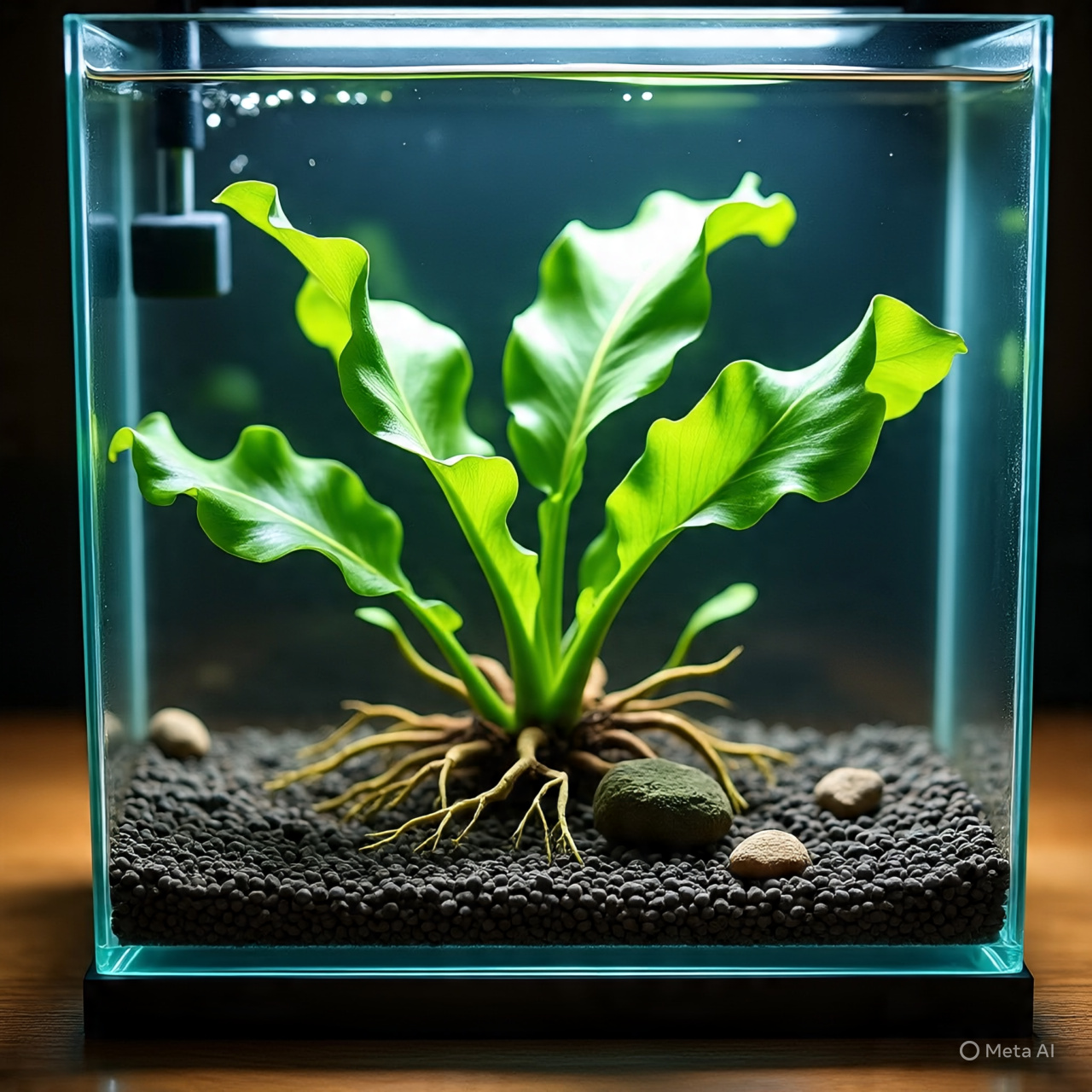
- Burying the Rhizome: This is the #1 cause of rot. The rhizome is not a root; it needs to be exposed to oxygenated water to “breathe.” Burying it in substrate suffocates it, creating the perfect anaerobic conditions for rot-causing bacteria to thrive.
- Physical Damage: Crushing or bruising the rhizome during planting, or making a messy cut during propagation, creates an open wound for infection to enter.
How to Prevent and Treat Rhizome Rot
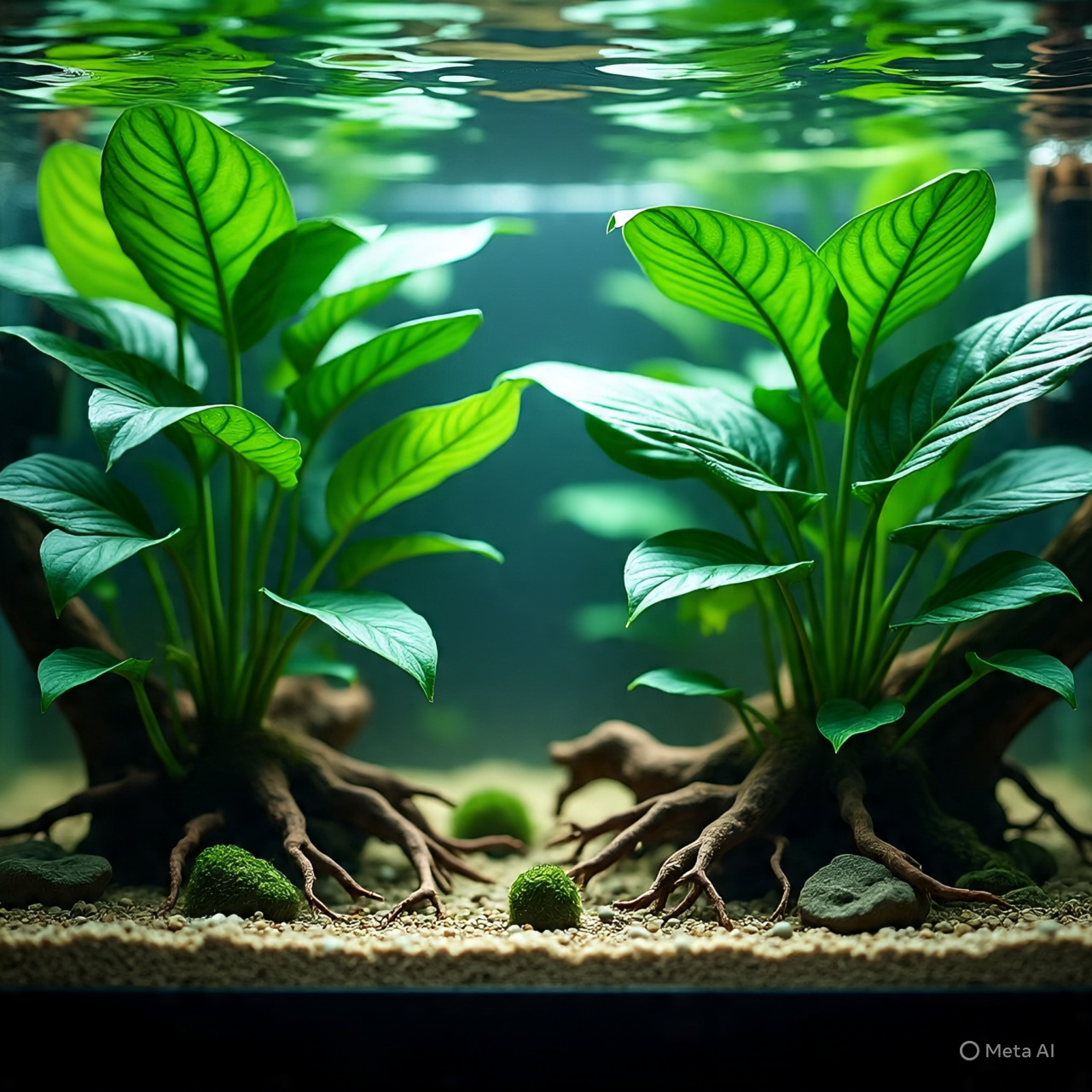
- NEVER Bury the Rhizome: This cannot be stressed enough. Always attach your Anubias to driftwood or rock. If you must place it on the substrate, ensure the rhizome sits entirely on top. Refer to our visual guide on distinguishing Anubias varieties to correctly identify the rhizome.
- Handle with Care: Treat the rhizome gently. Do not use excessive force when attaching it to hardscape.
- Emergency Surgery: If you detect rot (a soft, brown, smelly spot on the rhizome ), you must act immediately.
- Remove the plant from the tank.
- Using a sterilized razor blade, carefully cut away ALL of the infected brown/mushy tissue until you are left with only firm, healthy green or white rhizome.
- If you manage to save a piece that has a few leaves attached, you can try to re-attach it in your tank. The chances of survival are low at this stage, but it’s the only option.
By understanding that melt is caused by stress and rot is caused by suffocation or injury, you can take proactive steps to protect your Anubias Nana White. A stable environment and correct planting technique are the best insurance policies for ensuring this rare and beautiful plant remains a healthy, long-lasting centerpiece in your collection.