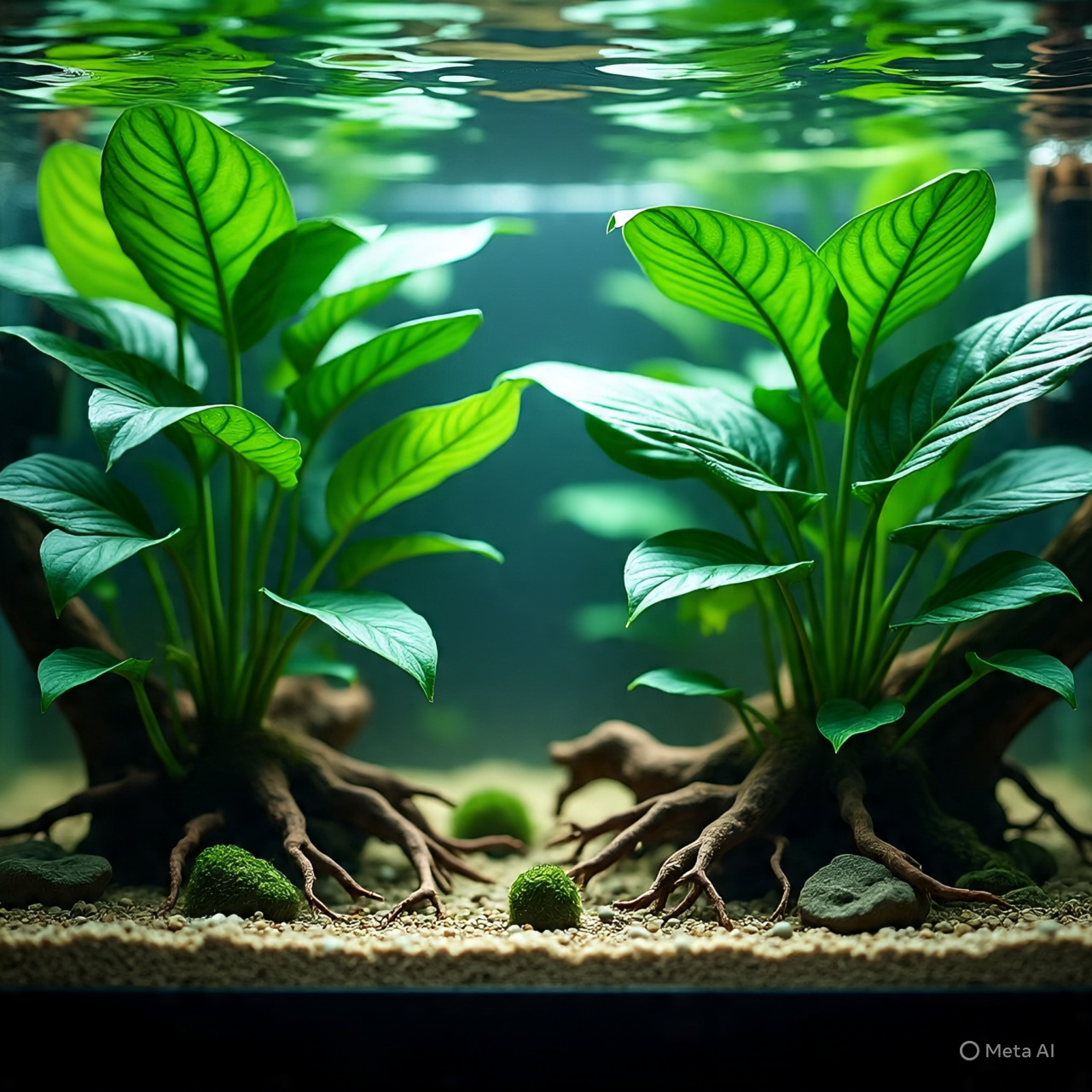
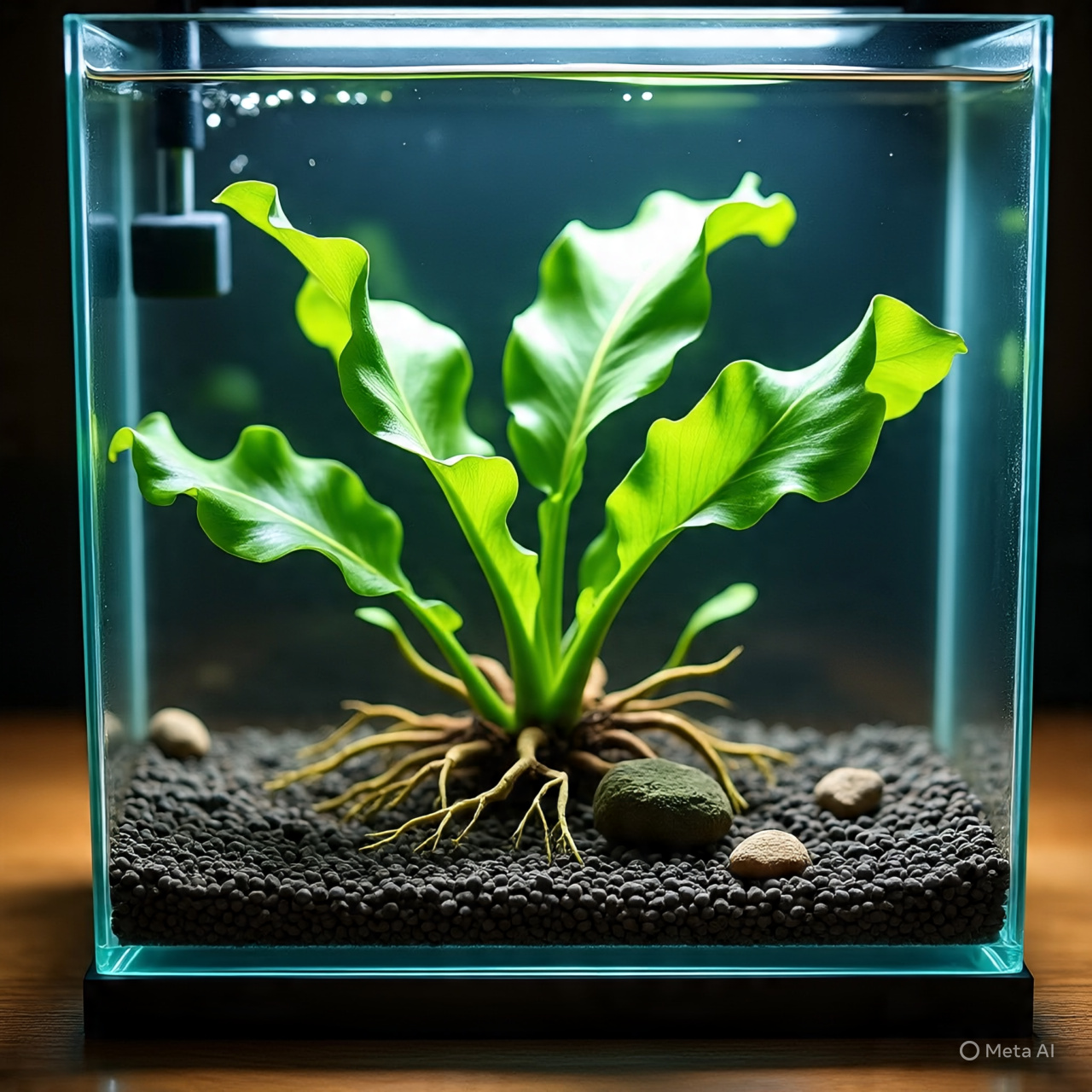
Lighting Requirements: Do Anubias Prefer Low Light?

If you’ve spent any time researching beginner-friendly aquarium plants, you’ve undoubtedly seen Anubias described as the ultimate “low-light” plant. This reputation is well-deserved and is a primary reason for its immense popularity. But what does “low-light” actually mean? And is it just that Anubias tolerates low light, or does it truly *prefer* it? This guide will answer that question definitively and explain the science behind the Anubias’s relationship with light.
The Short Answer: Yes, Anubias Prefers Low Light
Let’s be clear from the start: Yes, Anubias absolutely prefers a low-light environment. This is not just about tolerance; its entire biology is optimized for shady conditions. Placing an Anubias in a high-light environment is one of the most common mistakes hobbyists make, and it almost always leads to problems. While it might survive for a while, it will not thrive, and you will be fighting a constant battle with algae.
Why Does Anubias Prefer Low Light? A Look at its Origins
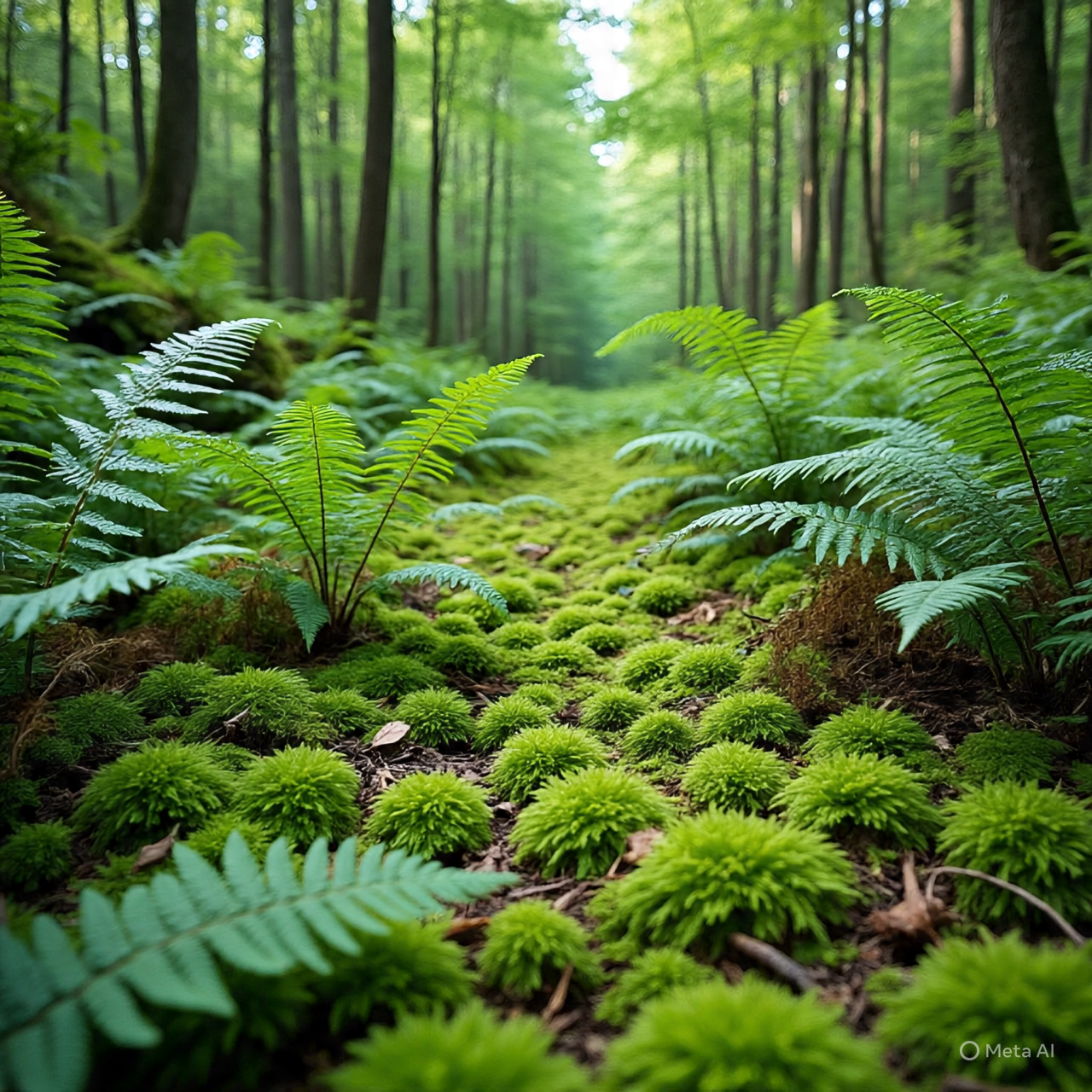
The preference for low light is hardwired into the plant’s DNA. Anubias species originate from the dense, tropical rainforests of West Africa. They are not found in open, sunny fields but rather in deeply shaded areas, typically:
- Along the banks of slow-moving rivers, under the thick canopy of towering trees.
- Attached to fallen logs and rocks, often in locations that receive only dappled sunlight for a few hours a day.
- Sometimes growing fully emersed (out of water) on the forest floor, where light levels are extremely low.
In this environment, high light is not an option. Anubias evolved to be a master of efficiency, developing a slow metabolism that allows it to survive and grow using very little energy. This is a key concept we explore in our article about the slow growth rate of Anubias.
What Happens When You Give Anubias Too Much Light?
Placing a low-light specialist like Anubias in a high-light tank is a recipe for trouble. The plant is simply not equipped to handle that much energy.
- It Triggers an Algae Explosion: This is the most immediate and visible problem. Algae, especially stubborn types like Green Spot Algae (GSA ) and Black Beard Algae (BBA), are opportunistic. The intense light provides them with a massive energy source. Since the Anubias leaf grows so slowly, it becomes a stable, unchanging surface for algae to colonize. The algae grows much faster than the Anubias can defend itself, quickly ruining its appearance. Our guide on how to remove algae from Anubias is essential if you face this issue.
- It Can Cause “Bleaching”: The plant’s leaves can turn a pale, washed-out yellow. This is a sign of stress, as the plant’s cells are being overwhelmed by more light energy than they can process.
- It Does Not Significantly Speed Up Growth: While adding a little more light can help a stalled plant, blasting it with high light will not turn your Anubias into a fast grower. Its growth rate is genetically limited. The small increase in growth is not worth the massive increase in algae.
Defining “Low Light” in an Aquarium Context
So, what constitutes ideal “low light” for Anubias?
- PAR Value: For technical hobbyists, a PAR reading between 15-50 µmol/m²/s at the plant’s location is the target range.
- Practical Placement: In a tank with a strong light, you can create a perfect low-light zone by tucking your Anubias into shaded areas. Place it under driftwood overhangs, behind rocks, or beneath the leaves of larger floating plants.
- Photoperiod: Keep the light duration controlled. A consistent schedule of 6 to 8 hours per day is more than enough for Anubias and helps keep algae at bay.
For a complete breakdown of lighting strategies, please see our Complete Anubias Lighting Guide.
The reputation of Anubias as a low-light plant is not just a suggestion; it’s the key to its success. By respecting its natural origins and providing the shady, gentle lighting it prefers, you avoid the number one problem of algae and ensure your plant remains healthy, deep green, and beautiful. In the case of Anubias, less light is truly more.