
Emersed Growth: Can Anubias Grow and Survive Out of Water?

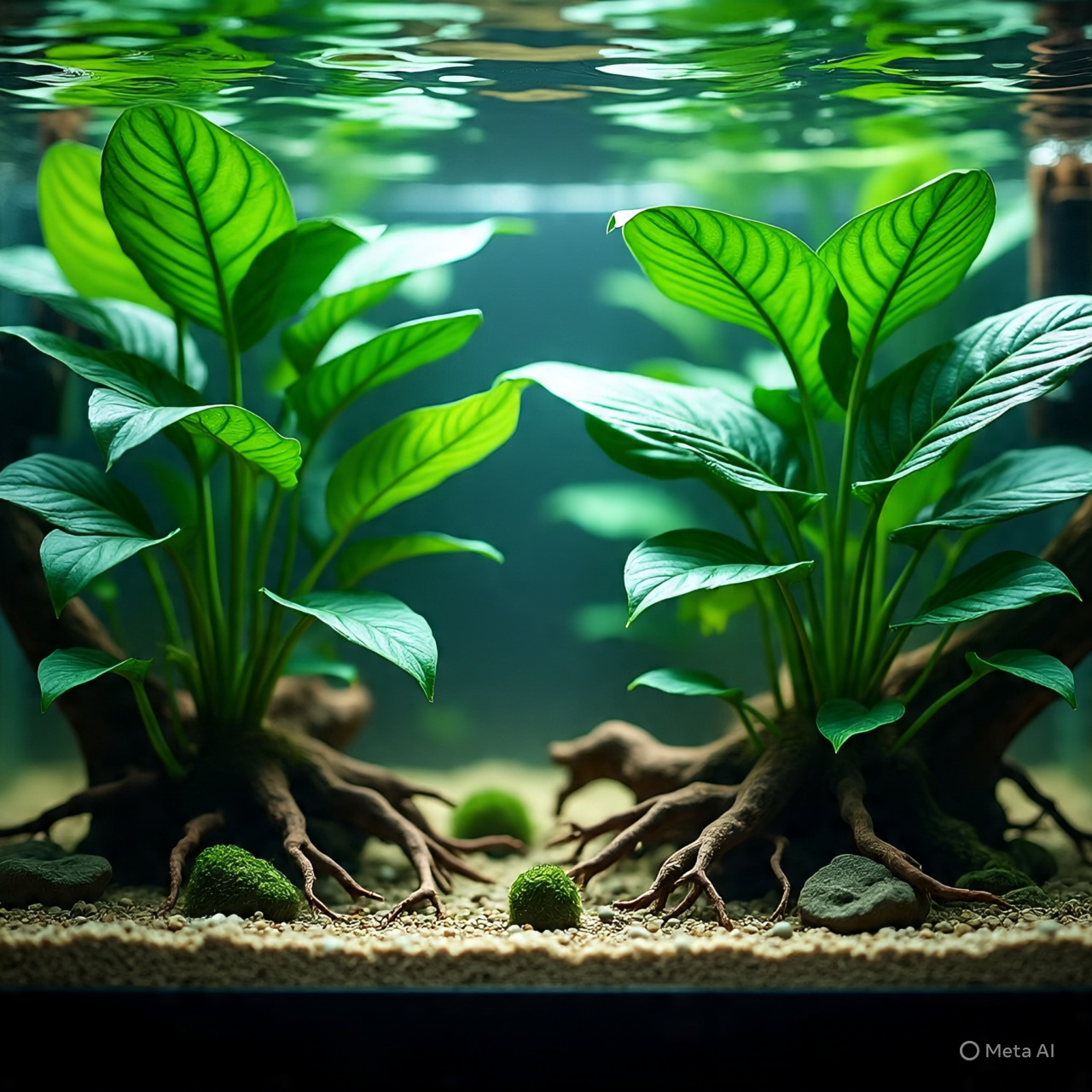
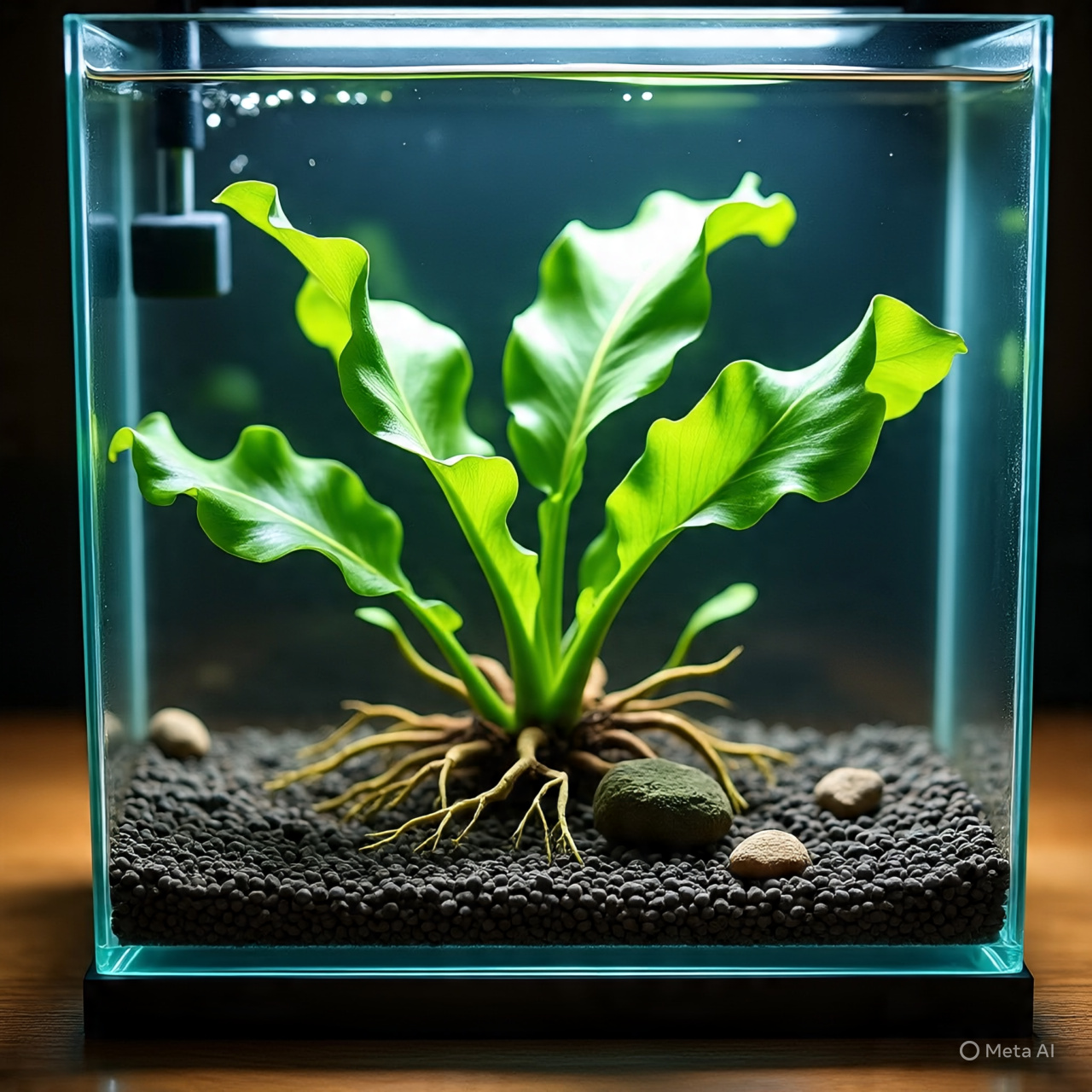
We know Anubias as a staple of the underwater world, a hardy green plant that anchors itself to driftwood and rocks in our aquariums. But a fascinating question often arises: can Anubias actually grow and survive out of water? The answer is a resounding yes! In fact, not only can it survive, but in many ways, it truly thrives in an emersed state. This guide will explore the amphibious nature of Anubias and how you can successfully grow it out of water.
The True Nature of Anubias: An Amphibious Plant
It’s a common misconception that Anubias is a fully aquatic plant. In reality, it is an amphibious bog or marginal plant. In its native habitat in the rainforests of West Africa, it spends much of its life in the “splash zone” along riverbanks. Its roots and rhizome are often in the water or damp soil, while its leaves are in the humid air. It is perfectly adapted to live in both worlds.
In fact, the massive commercial nurseries that supply the aquarium trade grow the vast majority of their Anubias stock emersed. Growing them out of water has several major advantages for cultivators:
- Faster Growth: Plants have access to an unlimited supply of CO2 from the atmosphere, which is far more than is available dissolved in water. This allows them to photosynthesize more efficiently and grow significantly faster.
- No Algae: With their leaves in the air, there is zero risk of them becoming covered in aquatic algae like GSA or BBA, a common problem underwater as discussed in our algae removal guide.
- Flowering: Anubias will almost exclusively produce its beautiful, calla-lily-like flower when grown emersed. It is extremely rare for an Anubias to flower when fully submerged.
The #1 Requirement for Emersed Growth: High Humidity
While Anubias leaves can live in the air, they cannot survive in the dry air of a typical household. They are rainforest plants adapted to an environment with extremely high humidity (80-100% ). If you take an Anubias out of your aquarium and leave it on a table, its leaves will dry out, wither, and die within a day.
Therefore, to grow Anubias emersed, you must provide it with a consistently humid environment. This is typically achieved in one of two setups:
- A Paludarium: This is a setup that is part aquarium, part terrarium. It has a water section at the bottom and a land section above, all enclosed within a glass tank to trap humidity.
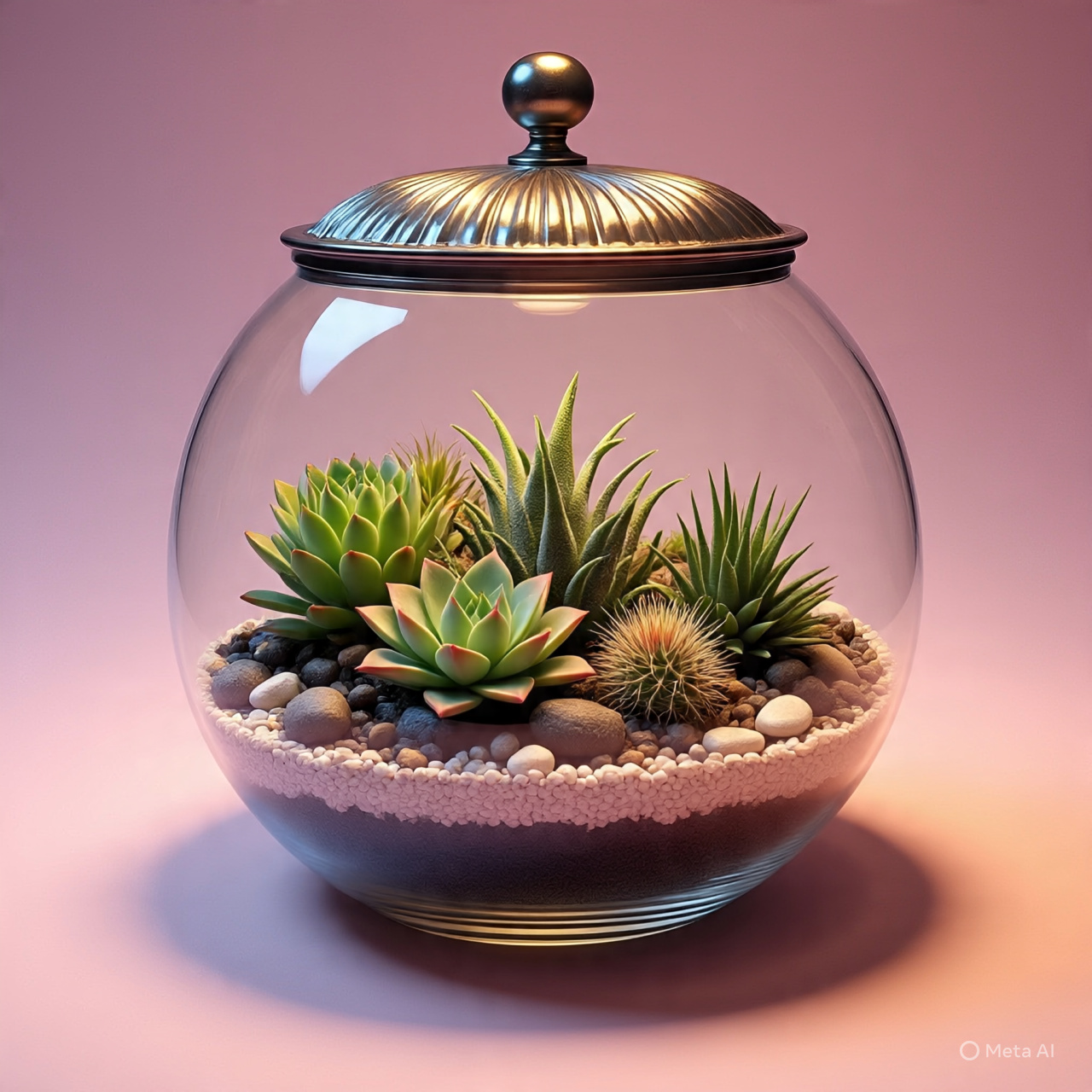
- A High-Humidity Terrarium: This is a fully enclosed glass container with a damp substrate, often used for tropical frogs or plants. Regular misting is required to keep the humidity up.
How to Grow Anubias Emersed: A Simple Guide
Growing Anubias out of water is surprisingly simple if you provide the right conditions.
Step 1: The Setup
Create a high-humidity environment. For a simple setup, you can use a glass jar with a lid or a small fishbowl covered with plastic wrap. Add a layer of damp substrate at the bottom, like sphagnum moss, aquarium soil, or gravel, to help maintain moisture.
Step 2: Planting the Anubias
The golden rule still applies: do not bury the rhizome!
- You can simply lay the Anubias rhizome on top of the damp substrate. The roots will naturally grow down into it.
- Alternatively, you can attach the Anubias to a small piece of rock or wood and place that inside the terrarium, just as you would in an aquarium. This is covered in our guide on how to plant Anubias.
Step 3: Maintaining Humidity and Light
- Humidity: The key to success. The leaves must remain in a very humid environment. Mist the inside of the container with a spray bottle of water every day or two to keep the air saturated and the substrate damp. The container must be covered to trap this moisture.
- Light: Provide gentle, indirect light. A small LED desk lamp or placing the container near a window that doesn’t receive direct, harsh sunlight is perfect. Just like in an aquarium, too much light can burn the leaves.
Transitioning a Submerged Plant to Emersed Growth
If you are taking a plant from your aquarium to grow it emersed, it will go through a transition period. The leaves that grew underwater are adapted for that environment and may die off. This is normal. As long as the rhizome is healthy, the plant will soon produce new, tougher leaves that are adapted for life in the air. Be patient during this phase.
Exploring the emersed growth of Anubias opens up a whole new dimension to enjoying this incredible plant. It allows you to create beautiful paludariums, experiment with terrariums, and witness the plant’s rare and beautiful flowering stage. It’s a wonderful project that gives you a deeper appreciation for the true, amphibious nature of this aquarium hobby icon.