
Anubias Nutritional Needs: Does Anubias Need Fertilizer?

Anubias is famous for being an “easy” plant that can survive in almost any aquarium. This leads many hobbyists, especially beginners, to ask a very logical question: if it’s so undemanding, does Anubias even need fertilizer? The answer is nuanced: while Anubias can often *survive* without dedicated fertilization, it absolutely needs fertilizer to *thrive*. This guide will explain the nutritional needs of Anubias and why providing fertilizer is the key to unlocking its full health and beauty.
How Anubias Feeds: Water Column Feeders
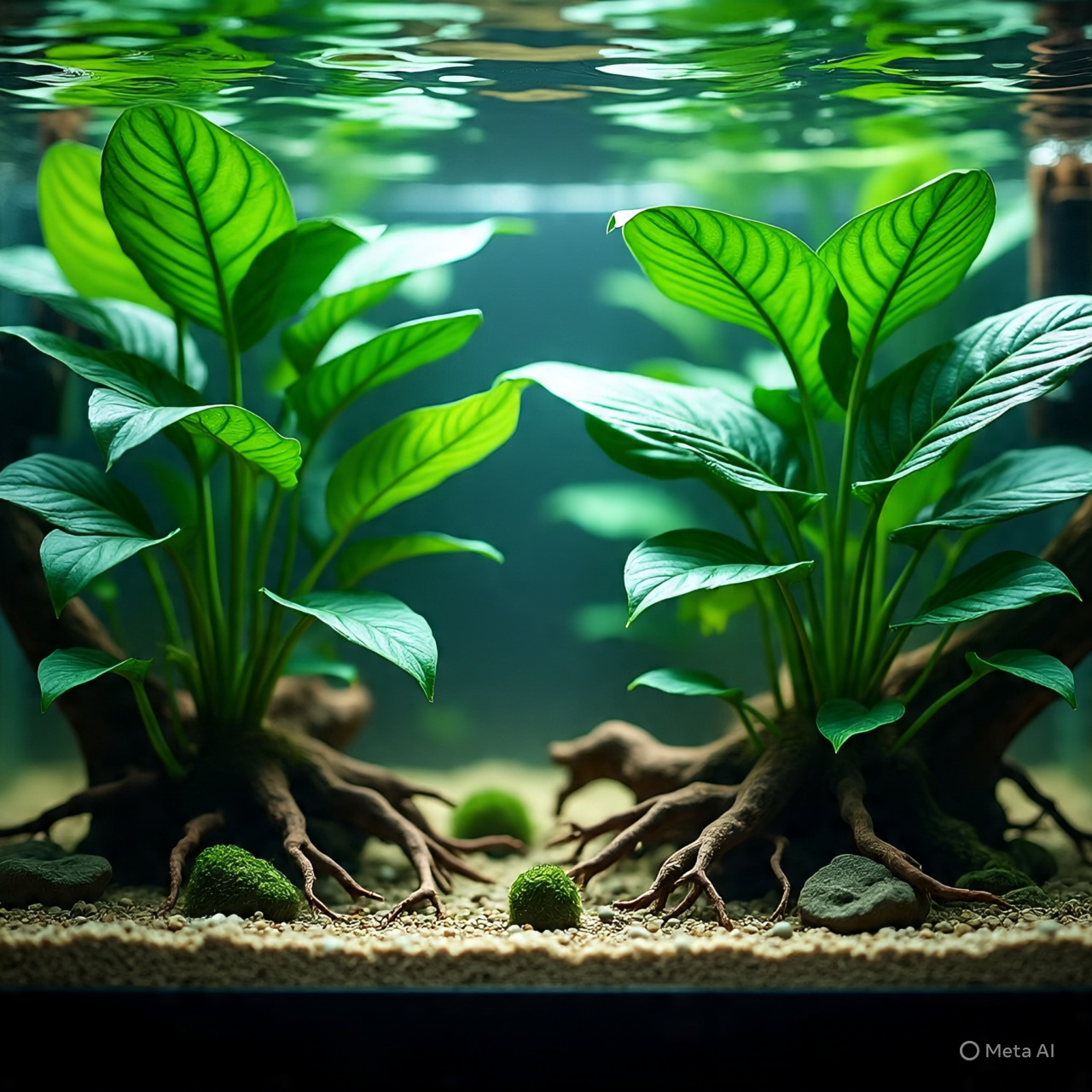
The first thing to understand is how Anubias absorbs nutrients. Unlike stem plants that have extensive root systems to pull nutrients from the substrate, Anubias is an epiphyte. Its thin, wiry roots are primarily for anchoring itself to rocks and driftwood. Its primary method of feeding is by absorbing nutrients directly from the water column through its leaves and rhizome.
This is a critical point. It means that nutrient-rich aquarium soil or root tabs will provide very little benefit to an Anubias. The nutrients must be present and dissolved in the water itself. This is why our guide on how to plant Anubias emphasizes keeping the rhizome out of the substrate.
Can Anubias Survive Without Fertilizer?
Yes, in many cases, it can. In a standard community aquarium with a healthy fish load, the Anubias will get a steady supply of its most important nutrient, nitrogen. Fish waste breaks down into ammonia, which is then converted by beneficial bacteria into nitrites and finally nitrates. Anubias is very effective at absorbing and using these nitrates as a food source.
For this reason, in a moderately stocked aquarium, an Anubias can often survive for a long time with no added fertilizer, living off the byproducts of the fish. However, “surviving” is not the same as “thriving.”
Why You SHOULD Use Fertilizer for Anubias
Relying solely on fish waste is like feeding a person nothing but bread. They might survive, but they won’t be healthy. Plants need a balanced diet of various nutrients to be at their best. A dedicated fertilizer provides the complete nutritional profile that fish waste alone cannot.
1. To Prevent Nutrient Deficiencies
Fish waste is rich in nitrogen but may be lacking in other key areas. Over time, your Anubias can develop common nutrient deficiencies:
- Potassium (K ) Deficiency: Can lead to small pinholes appearing in the leaves.
- Iron (Fe) Deficiency: Often causes new leaves to look pale or yellow while the veins remain green.
A comprehensive liquid fertilizer provides these essential macro and micronutrients, preventing these issues and keeping the leaves lush and healthy. If you see your leaves turning yellow, our troubleshooting guide for yellowing Anubias can help you diagnose the specific cause.
2. To Promote Deeper Color and Stronger Growth
A well-fed Anubias will have a deeper, richer green color. Its leaves will be thicker, more robust, and more resilient to damage. While fertilizer won’t magically make your Anubias grow fast (its slow growth is genetic ), it will ensure that the growth it does produce is as healthy and strong as possible. You’ll see more consistent new leaf production and a more vigorous root system.
3. It’s Essential in “Clean” or Sparsely Stocked Tanks
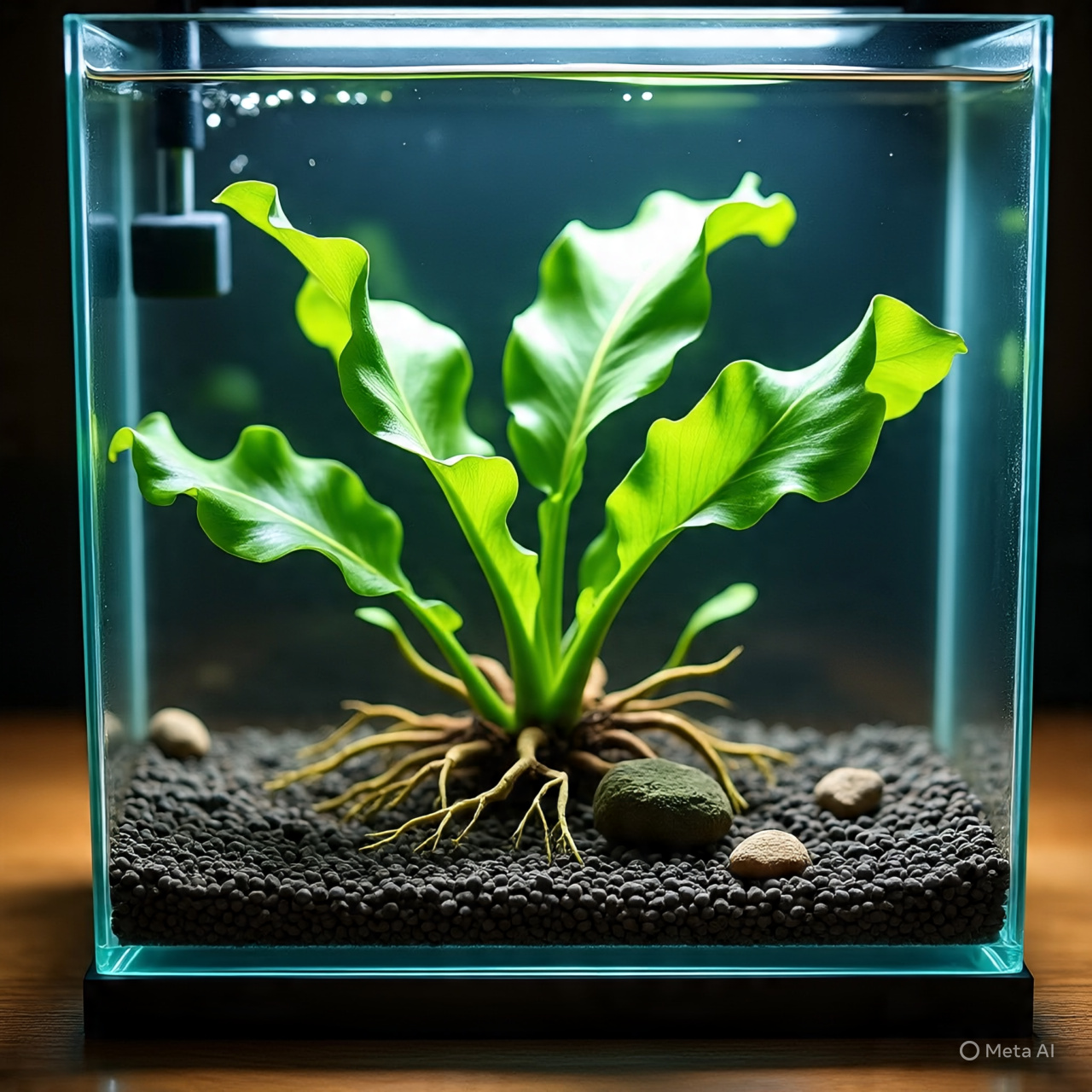
If you have a tank with very few fish (like a shrimp-only tank or a nano tank with a single Betta), there simply isn’t enough waste being produced to feed the plant. In these “clean” setups, a liquid fertilizer is not just beneficial—it is absolutely essential for the long-term health of the plant.
What Kind of Fertilizer and How Much?
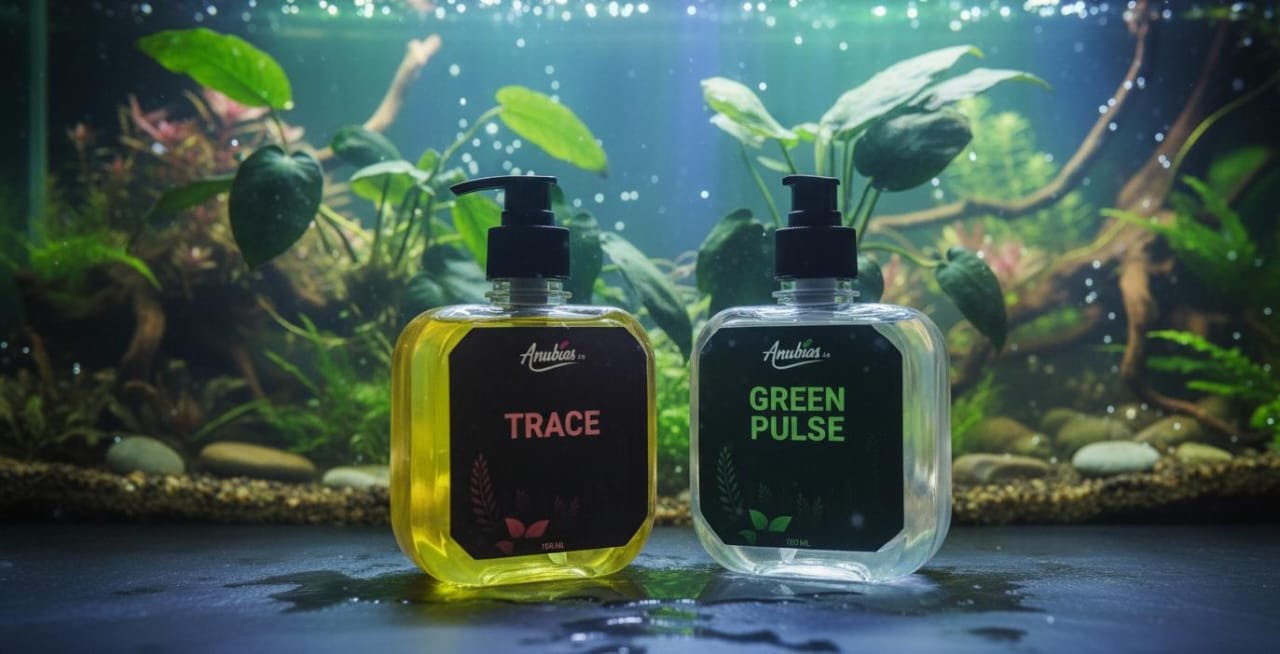
- Use a Liquid Fertilizer: Because Anubias feeds from the water column, a comprehensive liquid fertilizer is the correct choice.
- Look for “All-in-One” or “Comprehensive”: Choose a product that contains both macronutrients (N-P-K) and micronutrients (Iron, Magnesium, etc.).
- Start with a “Low-Tech” Dosing Schedule: Anubias is a slow eater. You do not need to dose heavily. Start by following the instructions on the fertilizer bottle, but consider dosing a half-dose two or three times a week instead of one large dose. This provides a more stable and consistent supply of nutrients.
The Verdict
So, does Anubias need fertilizer? For basic survival in a fish-heavy tank, perhaps not. But if you want your Anubias to be a truly beautiful, thriving, and resilient centerpiece with deep green leaves and steady growth, then the answer is a definitive yes. Providing a balanced liquid fertilizer is one of the easiest and most effective things you can do to elevate your Anubias from merely surviving to truly thriving.