How to Permanently Remove Stubborn Green Spot and Black Beard Algae (BBA) from Anubias Leaves

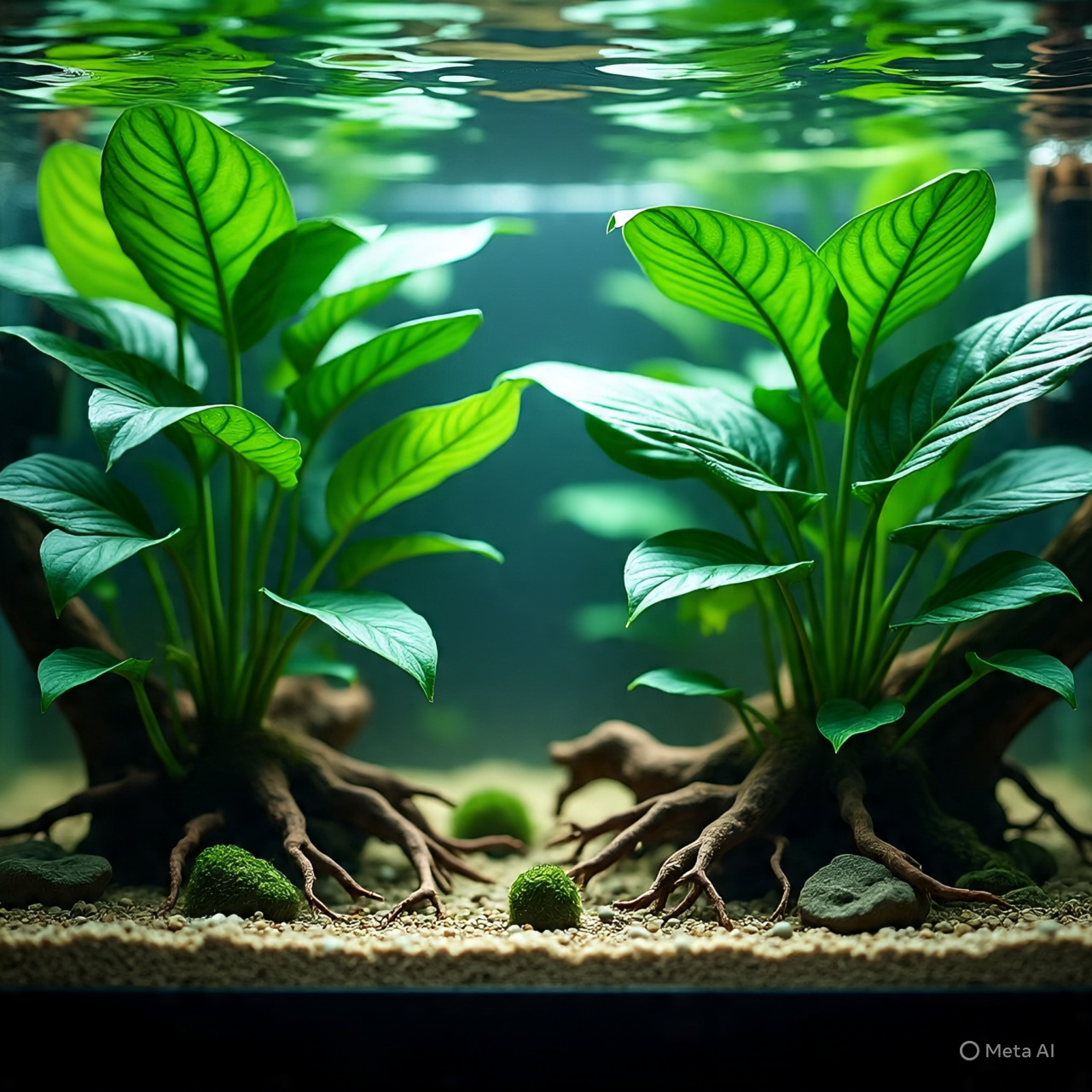
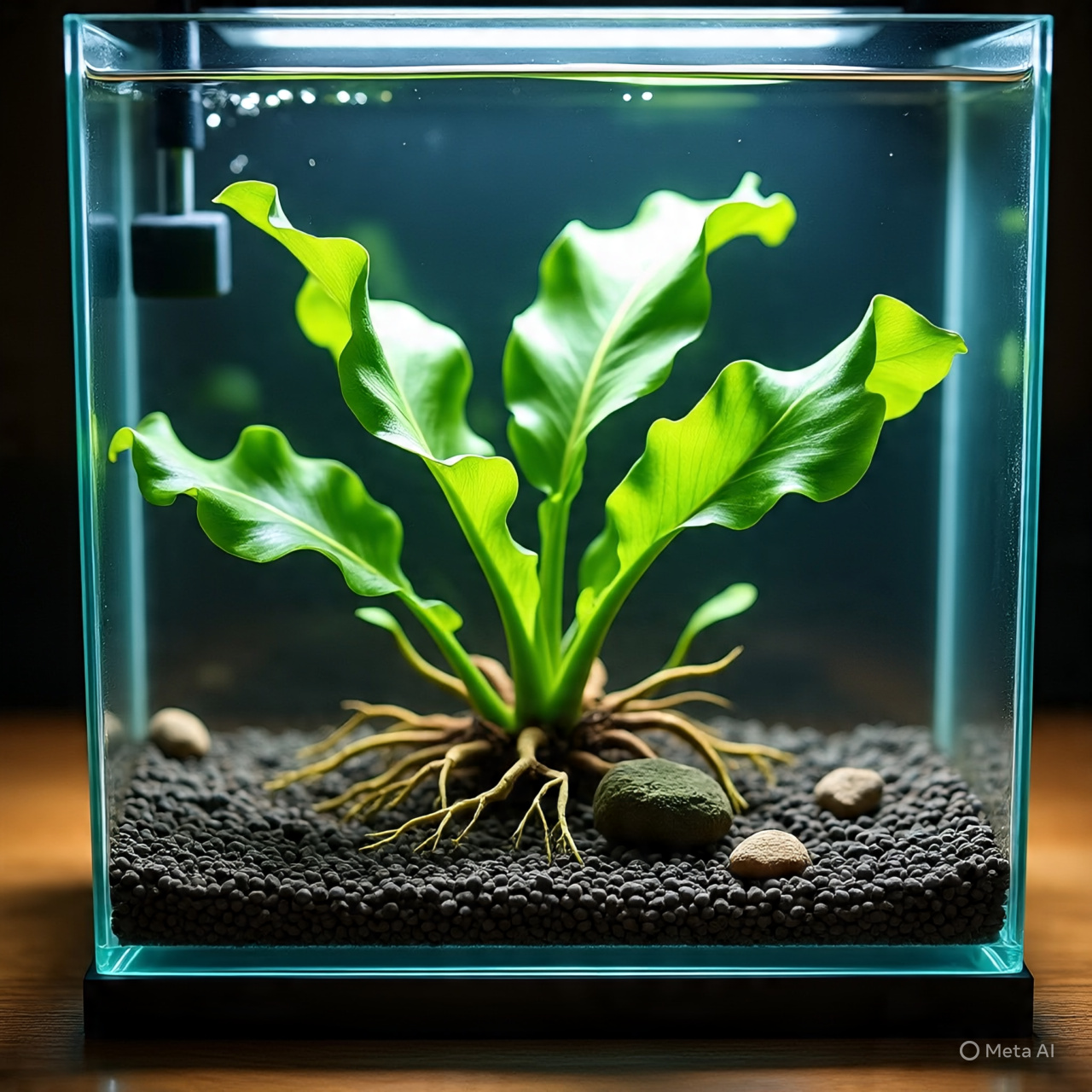
Your Anubias is a slow-growing, beautiful centerpiece. But its slow growth is also its greatest vulnerability, making its broad leaves a prime target for two of the most stubborn and unsightly algae in the hobby: Green Spot Algae (GSA) and Black Beard Algae (BBA). Simply scraping them off doesn’t work; they come right back. Permanently solving the problem requires a two-pronged attack: treating the root cause and safely removing the existing algae. This guide will show you how.
Step 1: Identify Your Enemy
First, you need to know what you’re fighting.
- Green Spot Algae (GSA): This appears as small, hard, dark-green circular spots on the leaf surface (and often the aquarium glass). It is extremely difficult to remove by hand and is a clear sign of a specific imbalance in your tank.
- Black Beard Algae (BBA): This infamous algae grows in dense, dark, fuzzy tufts that resemble a short, black beard. It often appears on the edges of Anubias leaves and on driftwood. It is notoriously difficult to eradicate.
Step 2: Understand and Fix the Root Cause
You cannot win the war against algae by just cleaning it. You must fix the environmental imbalance that is allowing it to thrive. Algae is a symptom of a problem in your tank.
The Cause of Green Spot Algae (GSA)
GSA is almost always caused by two things, often in combination:
- Too Much Light: Your light intensity is too high or the duration (photoperiod) is too long. Anubias is a low-light plant, and intense light provides the perfect energy source for GSA. Our Complete Anubias Lighting Guide covers this in detail.
- Low Phosphates: In a planted tank, hobbyists often try to keep nitrates and phosphates low. However, if your phosphate (PO4 ) levels drop to zero while nitrates are still present, GSA is triggered.
The Fix for GSA: Reduce your lighting period to 6-8 hours and/or lower the intensity. If you have a heavily planted tank, consider dosing a phosphate fertilizer to maintain a small, measurable level (e.g., 0.1-0.5 ppm).
The Cause of Black Beard Algae (BBA)
BBA is the king of opportunists and is triggered by instability, particularly with CO2.
- Fluctuating CO2 Levels: This is the #1 cause of BBA. If you are injecting CO2, but the level is inconsistent (e.g., the tank runs out, or the bubble rate is unstable), BBA will take hold. Even in a low-tech tank, inconsistent CO2 from an unstable fish load or poor water flow can be a trigger.
- “Dirty” Water: An excess of dissolved organic compounds from overfeeding, insufficient filtration, or not cleaning the substrate can provide a food source for BBA.
The Fix for BBA: If you inject CO2, ensure it is absolutely stable and consistent every single day. If you have a low-tech tank, ensure good water flow around the entire aquarium to distribute the naturally produced CO2. Increase your filter maintenance and perform regular gravel vacuuming to reduce organic waste.
Step 3: Safely Remove Existing Algae from Anubias Leaves
Once you have started to address the root cause, you can safely remove the algae that is already on the leaves. The best method is “spot treatment” outside of the tank.
- Gather Your Supplies: You will need your Anubias plant, a small cup, and either 3% Hydrogen Peroxide or a liquid carbon supplement (like Seachem Excel, Flourish Excel, etc.).
- Remove the Plant: Gently take the Anubias (still attached to its rock or wood) out of the aquarium. It’s important to do this outside the tank to avoid harming your fish, shrimp, or beneficial bacteria with a concentrated dose.
- Apply the Treatment:
- For Hydrogen Peroxide: Using a small pipette or syringe, apply the 3% hydrogen peroxide directly onto the algae-covered spots on the leaves. You will see it immediately start to fizz and bubble. Let it sit for 2-3 minutes.
- For Liquid Carbon: Do the same as above, applying the liquid carbon directly to the BBA or GSA. Let it sit for a few minutes.
- Rinse Thoroughly: Before placing the plant back in the aquarium, rinse it thoroughly with some old tank water or dechlorinated tap water to remove any residual chemicals.
- Place Back in Tank: Return the plant to its position in your aquascape.
The Aftermath: Be Patient
The treated algae will not disappear overnight. Over the next few days to a week, you will notice the BBA turn red or grey and the GSA turn white or pale. At this point, the algae is dead. Algae-eating shrimp (like Amano shrimp) and snails will often begin to eat the dead and decaying matter, cleaning the leaf for you. Within a week or two, the leaves should be clean.
By combining the long-term strategy of fixing the environmental imbalance with the short-term tactic of spot treatment, you can permanently win the war against algae on your Anubias. This ensures your plants remain healthy, beautiful, and the true stars of your aquascape.