The Anubias Filter: Can the Rhizome Be Used for Gray Water Cleaning?

The Anubias plant is well-known for its beauty and hardiness, but a fascinating question has emerged among eco-conscious hobbyists and DIY enthusiasts: can the robust rhizome of an Anubias be used as a natural filter, particularly for cleaning “gray water”? Gray water refers to the relatively clean wastewater from baths, sinks, and washing machines. This article explores the science behind this intriguing idea and examines the potential and limitations of using Anubias as a biological filter.
The Theory: How Plants Act as Filters
The concept of using plants for filtration, known as phytoremediation, is a well-established scientific principle. Plants, along with the vast colony of beneficial bacteria that live on their roots and surfaces, are incredibly effective at cleaning water. They do this in several ways:
- Nutrient Absorption: Plants directly absorb nitrogen compounds (like ammonia, nitrite, and nitrate) and phosphates from the water. These are the primary components of fish waste and are also found in gray water from soaps and detergents.
- Bacterial Symbiosis: The surface of a plant’s roots and rhizome provides a massive area for beneficial bacteria to colonize. These bacteria are the workhorses of the nitrogen cycle, breaking down harmful ammonia into less toxic substances.
- Heavy Metal and Toxin Uptake: Some plants have the ability to absorb small amounts of heavy metals and other pollutants, locking them away in their tissues.
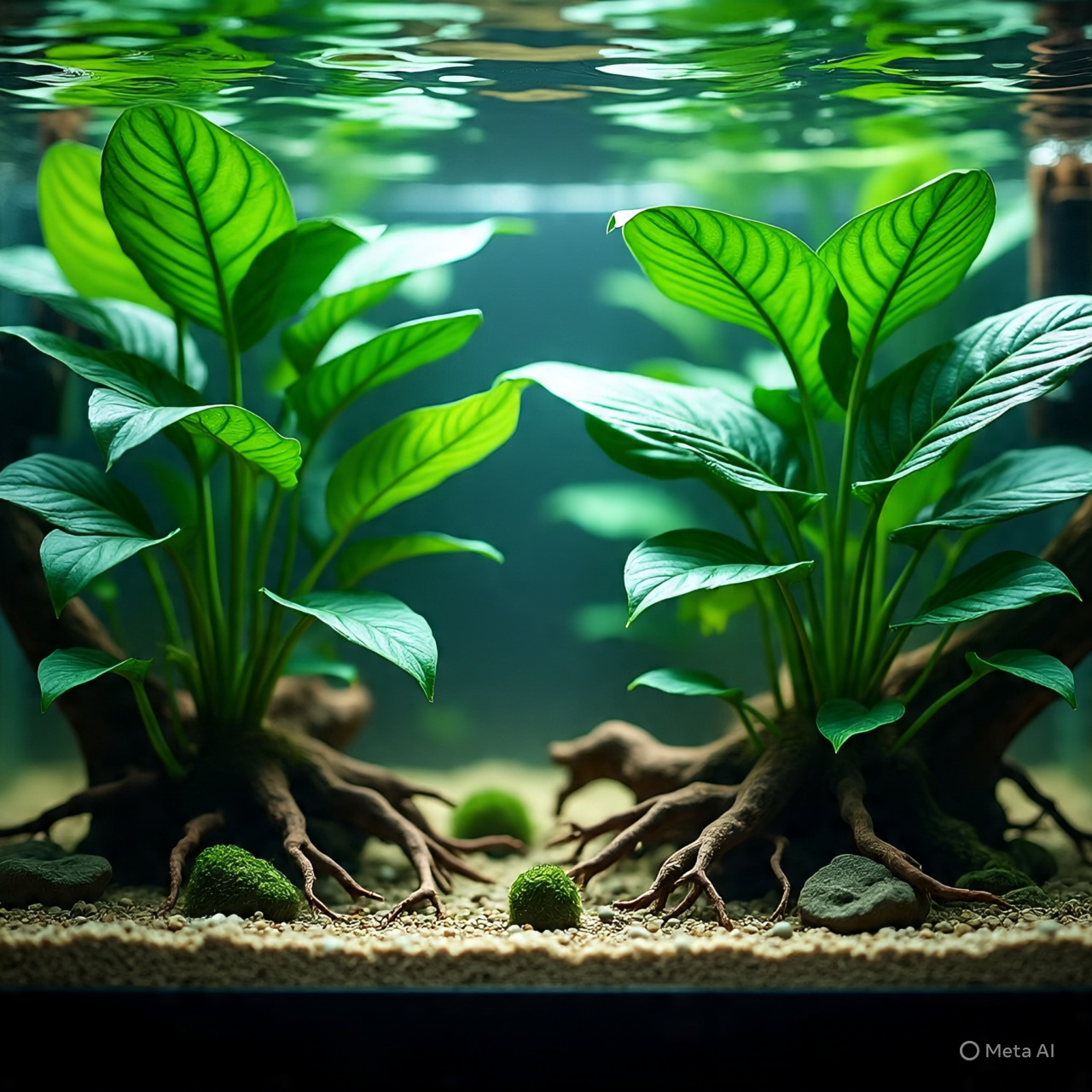
Because the Anubias rhizome is thick, porous, and has a huge surface area, it is an ideal home for these beneficial bacterial colonies, making it a potential powerhouse for biological filtration.
Can Anubias Clean Gray Water? The Potential
The short answer is: yes, to a limited extent. An Anubias plant placed in a system with slow-moving gray water would absolutely contribute to cleaning it. The bacteria on its rhizome would break down organic waste, and the plant itself would absorb some of the nitrates and phosphates.
This principle is already used in aquaponics and paludariums where plant roots are used to filter water for fish. Anubias is particularly well-suited for this because:
- It’s a Hardy Survivor: Anubias can tolerate a wide range of conditions and is less likely to die from the fluctuating nutrient levels found in gray water compared to more delicate plants.
- It Can Grow Emersed: It doesn’t need to be fully submerged. Its roots and rhizome can be in the water while its leaves are in the open air, which is a common setup for gray water filtration systems.
The Major Limitations and Reality Check
While the theory is sound, there are significant practical limitations to using Anubias as the primary filter for household gray water.
- Slow Metabolism: The greatest strength of Anubias in an aquarium is its greatest weakness as a filter. Its metabolism is incredibly slow. It absorbs nutrients at a snail’s pace. A single household produces a volume of gray water with a nutrient load that would overwhelm thousands of Anubias plants. Faster-growing plants like Pothos, reeds, or water hyacinth are far more effective for this purpose.
- Chemical Sensitivity: Gray water isn’t just dirty water; it contains a complex cocktail of chemicals from soaps, shampoos, detergents, and bleaches. These surfactants and chemicals can be toxic to aquatic plants, stripping the protective slime coat from their leaves and damaging the rhizome. Anubias is not evolved to handle these man-made pollutants.
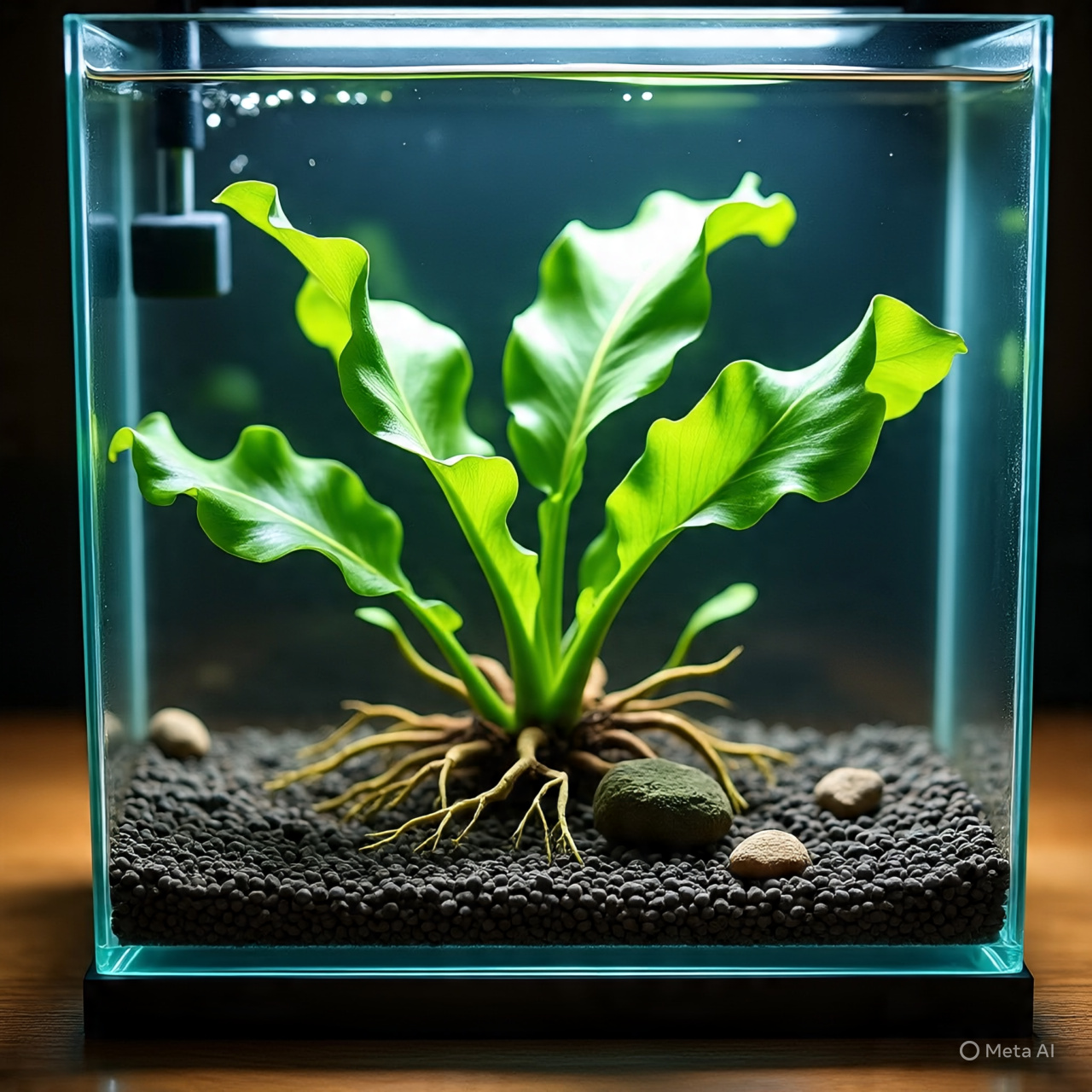
- Scale and Volume: A single Anubias might help purify a small desktop aquarium. To make a noticeable impact on the gray water from even one shower, you would need a massive, dedicated system with hundreds of plants and a very slow flow rate, which is not practical for most households.
The Verdict: Great for Aquariums, Not for Households
The Anubias rhizome is a fantastic biological filter within the context of an aquarium. The huge surface area of the rhizome and its roots acts as a natural home for the beneficial bacteria that are essential for a healthy nitrogen cycle. In this role, it is an excellent supplement to your main aquarium filter.
However, for the purpose of cleaning household gray water, Anubias is simply not the right tool for the job. Its slow growth and sensitivity to chemicals mean it cannot process the high volume and complex nature of wastewater from a home. While the idea of an “Anubias Filter” is a wonderful testament to the power of nature, its practical application is best kept within the glass walls of our aquariums.