
5 Breathtaking Aquascape Designs You Can Create with Anubias ‘Dragon Claw’

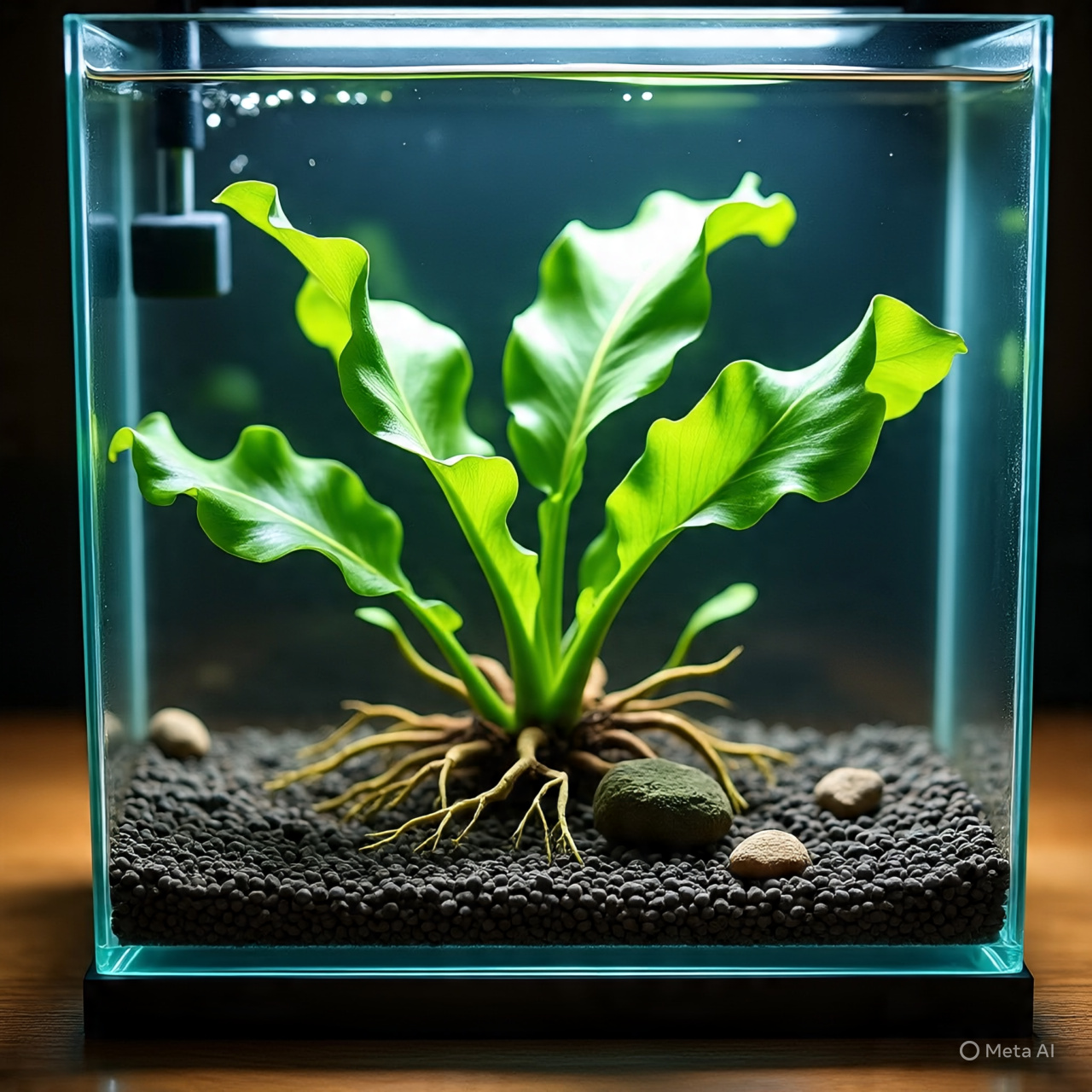
The Anubias ‘Dragon Claw’ is more than just a plant; it’s a piece of living sculpture. Its unique, textured leaves and rugged appearance make it an incredibly versatile tool for aquascaping. Unlike generic plants, its distinct form can define the entire mood of a tank. Whether you’re a beginner looking for a simple, stunning setup or an expert creating a complex world, the ‘Dragon Claw’ can be your secret weapon. Here are five breathtaking aquascape designs you can create with this exceptional plant.
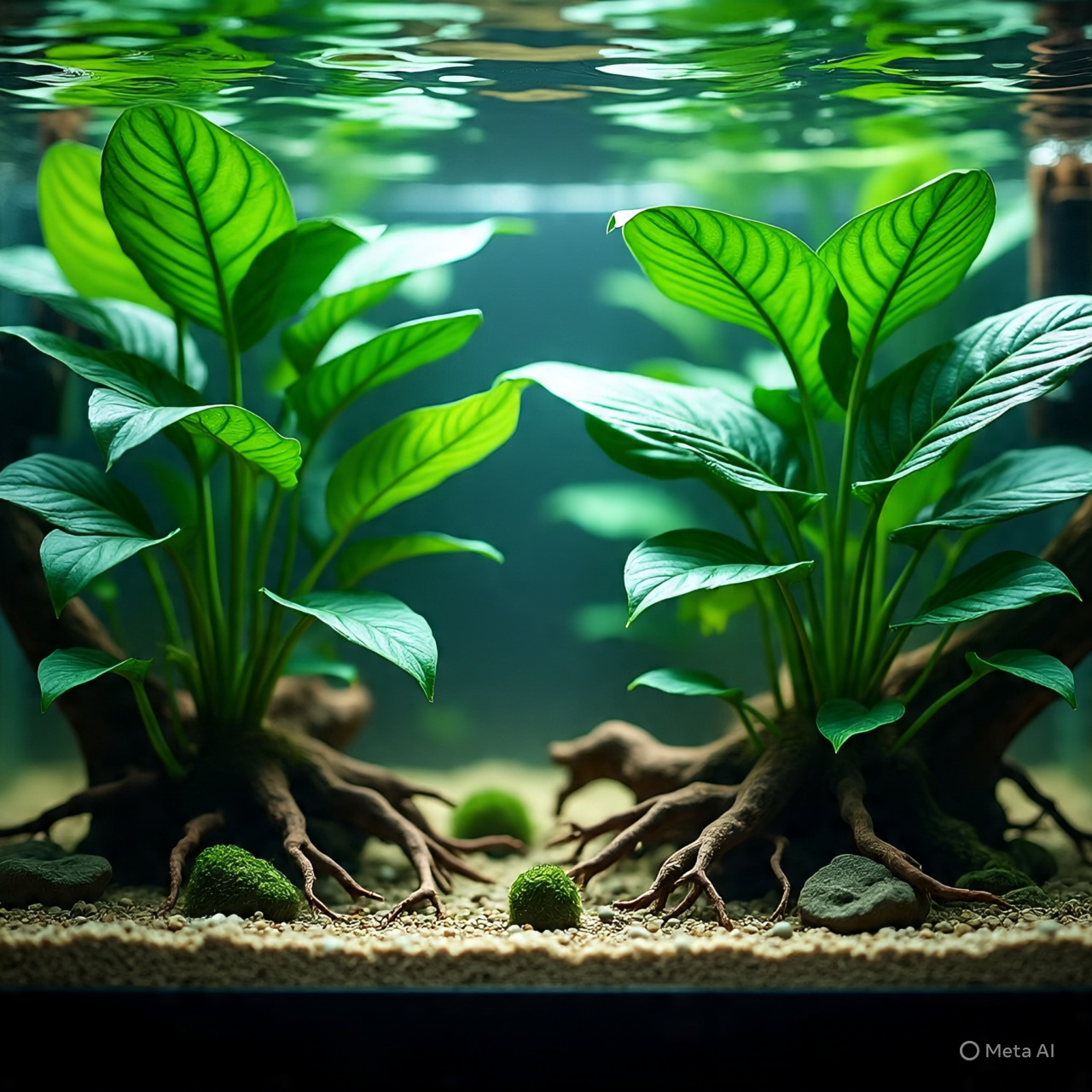
1. The Ancient Jungle Riverbank
This design aims to replicate the natural habitat of Anubias. It’s a classic, timeless style that is both beautiful and easy to maintain.
How to Create It:
- Hardscape: Use a large, branching piece of driftwood (like spiderwood or manzanita ) as the main structure, positioned diagonally across the tank to create a sense of flow. Add some smooth, river-worn stones around the base.
- Planting ‘Dragon Claw’: Attach multiple ‘Dragon Claw’ plants at different points along the “trunks” and “branches” of the driftwood. Place larger specimens near the base and smaller ones higher up. The key is to make it look like the plant has been growing there for years, clinging to the wood.
- Companion Plants: Add other epiphytes like Java Fern and Bucephalandra to the wood. In the substrate behind the wood, plant tall, leafy stem plants like Vallisneria or Cryptocoryne balansae to create a dense background.
The Result: A lush, wild, and natural-looking aquascape that feels like a snapshot of a remote jungle river. The ‘Dragon Claw’ provides the essential mid-ground texture that makes the scene feel ancient and established.
2. The Dragon’s Lair (Iwagumi with a Twist)
The traditional Iwagumi style uses only rocks and a single type of carpeting plant. This design breaks the rules by adding a single, powerful focal point.
How to Create It:
- Hardscape: Use a dramatic, textured rock like Dragon Stone or Seiryu Stone. Create a classic Iwagumi formation with a large main stone (“Oyaishi”) and smaller supporting stones.
- Planting ‘Dragon Claw’: Attach a single, large, and perfectly formed ‘Dragon Claw’ specimen to the base of the main Oyaishi stone. It should be positioned in a way that its “claws” appear to be gripping the rock.
- Companion Plants: Use a single type of low-growing carpeting plant like Monte Carlo or Dwarf Hairgrass to cover the rest of the substrate. The simplicity of the carpet will draw all the attention to the rockwork and the solitary ‘Dragon Claw’.
The Result: A minimalist, high-impact aquascape. The name ‘Dragon Claw’ becomes literal, creating a powerful story of a mythical creature inhabiting a rocky landscape.
[Image: A minimalist Iwagumi-style tank with a single Anubias ‘Dragon Claw’ attached to the main rock.]
3. The Mid-Ground Textural Break
In many aquascapes, the transition from foreground to background can be abrupt. The ‘Dragon Claw’ is the perfect plant to soften this transition and add crucial mid-ground texture.
How to Create It:
- Hardscape: This can be any style, but it works best in a Dutch or Nature Aquarium layout.
- Planting ‘Dragon Claw’: Instead of placing it high up, attach small-to-medium sized ‘Dragon Claw’ plants to small rocks or pieces of wood that are placed directly on the substrate in the mid-ground. Create small “islands” or clusters of them.
- Companion Plants: Use fine-leaved carpeting plants in the foreground (like Dwarf Baby Tears) and tall, colorful stem plants in the background (like Rotala rotundifolia). The broad, textured leaves of the ‘Dragon Claw’ will create a beautiful visual break between the two zones.
The Result: A scape with incredible depth and a professional, layered look. The ‘Dragon Claw’ serves as a bridge, connecting the different sections of the tank into a cohesive whole.
4. The Anubias-Only “Collector’s Tank”
For the true Anubias enthusiast, why not create a tank dedicated to the entire genus? This is a very low-maintenance and rewarding style.
How to Create It:
- Hardscape: Use a complex network of driftwood and rocks to create as many planting surfaces as possible at different heights and angles.
- Planting ‘Dragon Claw’: Use ‘Dragon Claw’ as your primary, foundational plant, attaching it to the most prominent hardscape locations.
- Companion Plants: Now, fill in the other areas with different Anubias varieties to showcase their diversity. Use the tiny Anubias Nana Petite in the foreground, the classic Anubias Nana in the mid-ground, the speckled Anubias Pinto for contrast, and perhaps a large Anubias barteri in the background. Our guide on how to plant Anubias correctly is essential for this style.
The Result: A stunning, museum-like display of the Anubias genus. It’s a testament to your passion as a collector and an incredibly stable, low-maintenance aquarium.
5. The Paludarium “Emergent” Display
Don’t forget that Anubias is an amphibious plant. It can grow both underwater and out of it, making it perfect for a paludarium (part aquarium, part terrarium ).
How to Create It:
- Hardscape: Build your hardscape (driftwood or rock) so that it extends out of the water’s surface.
- Planting ‘Dragon Claw’: Attach some ‘Dragon Claw’ plants fully submerged as you normally would. Then, attach other specimens to the hardscape in the “splash zone” or just above the waterline, where their roots can trail down into the water but their leaves are in the open air.
- Companion Plants: Use other emergent plants like Peace Lilies, mosses, and ferns on the “land” portion to complete the look.
The Result: A dynamic and unique ecosystem that showcases the true nature of the plant. The ‘Dragon Claw’ leaves will often grow larger and more robust in the open air, and you may even be rewarded with its rare, beautiful flower.